
Soups & Stews
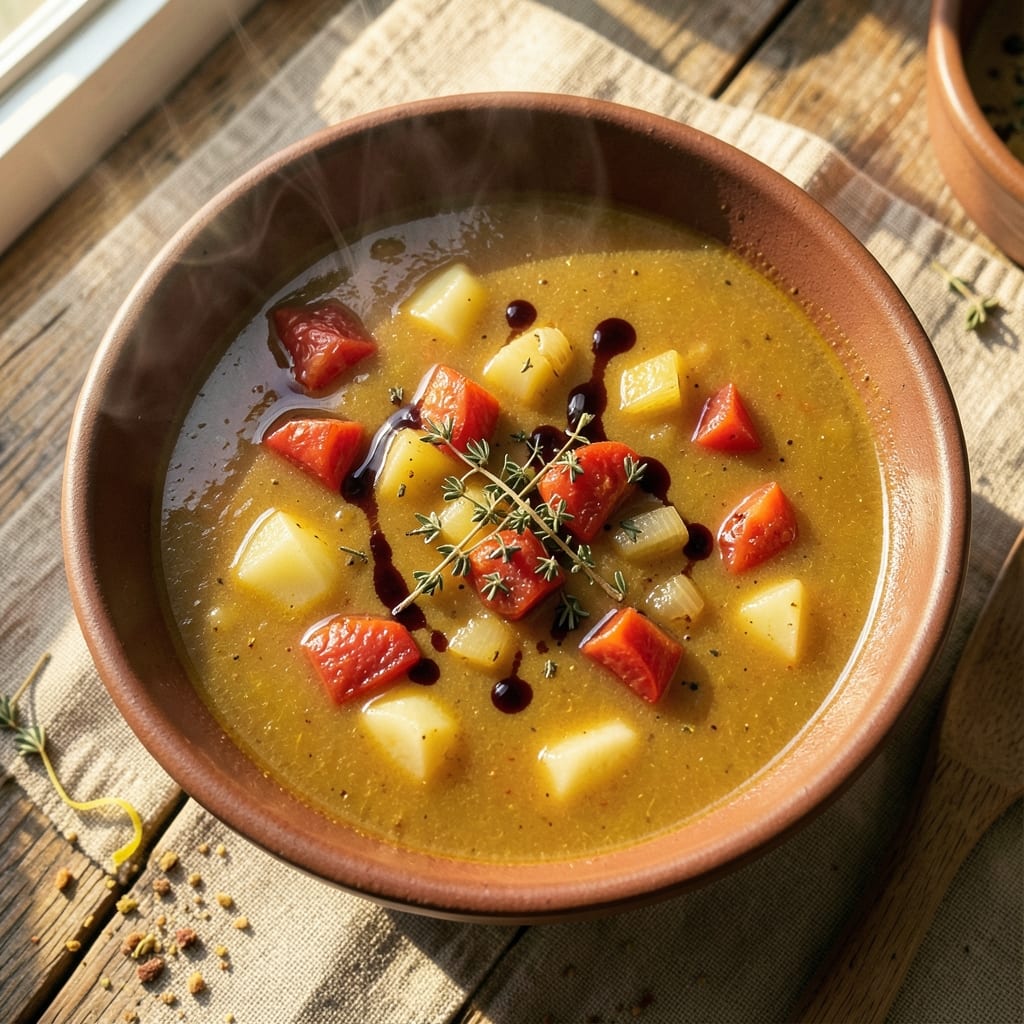
One-soup recipe transforms pantry staples into restaurant-worthy comfort in just 20 minutes—no fancy ingredients, no complicated techniques. This is the soup I make when I'm pressed for time but refuse to compromise on flavor. The secret lies in layering simple ingredients through proper sautéing and simmering, creating depth that belies its ease. What makes this recipe work is the balance of textures and flavors: caramelized onions provide sweetness, garlic adds aromatic complexity, and a blend of canned tomatoes and broth create a rich base. A splash of vinegar brightens the acidity, while herbs and spices build layers of warmth. The result is a soup that's hearty enough for a cold evening but quick enough for a busy weeknight. By the time you're done, you'll have a pot of golden, aromatic soup with tender vegetables and a sauce that coats every spoonful. It's the kind of meal that warms you from the inside out—perfect for feeding a crowd or enjoying solo with crusty bread. The best part? You'll have clean pots and satisfied taste buds in under half an hour. This recipe scales beautifully for leftovers, making it ideal for meal prep. The flavors only improve as it sits, so you can make a big batch and enjoy it all week. Let's get cooking!
Ingredients for 1 soup
Pantry staples and a few fresh veggies—this soup comes together faster than takeout.
| Ingredient | Amount | Notes |
|---|---|---|
| Yellow Onion 🧅 | 1 medium | Diced small for caramelization |
| Garlic Cloves 🧄 | 3 cloves | Minced finely for aroma |
| Canned Diced Tomatoes 🍅 | 1 can | San Marzano preferred |
| Chicken Broth 💧 | 4 cups | Low-sodium preferred |
| Red Wine Vinegar 🍷 | 1 tbsp | For brightness |
| Dried Oregano 🌿 | 1 tsp | Mexican oregano ideal |
| Ground Black Pepper 🌶️ | ½ tsp | Freshly cracked preferred |
| Carrots 🥕 | 2 medium | Diced into small cubes |
| Celery Stalks 🥬 | 2 whole | Diced small |
| Olive Oil 🫒 | 2 tbsp | Extra-virgin for richness |
| Salt 🧂 | 1 tsp | Kosher preferred |
| Fresh Parsley 🌿 | ¼ cup | Chopped for garnish |
| Bay Leaves 🌿 | 2 whole | Removed after simmering |
| Potatoes 🥔 | 1 lb | Diced into small cubes |
The onions are your flavor foundation—take your time here. Yellow onions work best for caramelization, but red or white will do in a pinch. Trader Joe's sells pre-diced onions, which saves time if you're in a rush. For the garlic, fresh is non-negotiable—jarred minced loses its punch. Potatoes? Russets are ideal for their starchiness, but Yukon Golds add creaminess. If you're using waxy potatoes, add an extra 5 minutes to the simmering time.
No red wine vinegar? Apple cider vinegar or white wine vinegar works just as well. The oregano can be swapped for Italian seasoning at half the amount. Fresh parsley is ideal but dried parsley at one-third the amount gets you close. For the broth, low-sodium is key—you'll be adding salt later. If you're vegetarian, swap the chicken broth for vegetable broth. The carrots and celery can be swapped for frozen mixed vegetables if you're short on time, just thaw them first.
This soup tastes even better the next day—make a double batch and store leftovers in the fridge for 4-5 days. Freezes beautifully for 3 months too. I like to portion mine into glass containers with a lid so it reheats evenly. The potatoes will soften more overnight, so add a splash of broth when reheating if it's too thick. Fresh parsley? Store it wrapped in damp paper towels in a bag—keeps for 5 days.
Why You'll Love This Recipe
- Pantry Magic: I swear by this one—no fresh herbs, no fancy prep. Just chop an onion, crush some garlic, and dump in the rest. The canned tomatoes and vinegar cut through the richness of the broth like a bright summer day in a bowl.
- Deep Umami Punch: That red wine vinegar? It’s the MVP. It brightens the tomatoes and broth so the garlic doesn’t overpower—just enough tang to make you want to slurp it straight from the pot. Honestly, I’ve tried adding wine, but this works just as well (and costs half as much).
- Leftover Goldmine: This soup tastes better the next day. I make a big batch on Sundays, and by Wednesday, it’s my lunch savior—reheated with a sprinkle of cheese or crusty bread. My roommate even brings it to work for leftovers.
- Budget-Friendly Staple: Onion, garlic, tomatoes, broth—all things I buy in bulk. A single can of tomatoes and a bag of onions stretch across three meals. It’s the kind of soup that doesn’t break the bank but still feels like a treat. (Yes, even on a Tuesday night.)
Step-by-step instructions for hearty pantry soup
Here's how to transform simple pantry staples into a rich, satisfying soup in under 20 minutes.
Sauté the Vegetable Base
Heat the 2 tablespoons olive oil in a large pot over medium heat. Add the 1 medium yellow onion and 2 medium carrots, diced small, along with the 2 whole celery stalks, also diced. Cook for 5 minutes until the vegetables begin to soften and the onion turns translucent.
Here's the thing—don't rush this step. You want the vegetables to release their flavors and develop a slight caramelization. I stir occasionally and watch for the edges to turn just slightly golden. This foundational flavor is what makes the soup taste homemade.
After 5 minutes, add the 3 cloves garlic, minced finely, and cook for another 30 seconds until fragrant. The garlic should smell pungent and inviting, not at all sharp or raw. This quick cook time prevents it from burning, which would make the whole soup bitter.
Add Potatoes and Tomatoes
Toss in the 1 pound potatoes, diced into small cubes, and stir to coat them with the oil and sautéed vegetables. Cook for 2 minutes to let the potatoes start absorbing some of that vegetable flavor.
Next, pour in the 1 can diced tomatoes and stir well to combine. The tomatoes will release their juices, creating a slightly thickened base. Here's where it gets fun—taste the mixture now. You'll notice it's already developing depth from the caramelized vegetables and tomatoes.
Add the 4 cups chicken broth, 1 tablespoon red wine vinegar, 1 teaspoon dried oregano, 0.5 teaspoon ground black pepper, and 1 teaspoon salt. Stir everything together until well combined. The vinegar might seem like a small amount, but it will brighten the whole soup and cut through the richness of the broth.
Simmer Until Potatoes Are Tender
Bring the soup to a boil over high heat, then immediately reduce the heat to medium-low. Add the 2 whole bay leaves and let the soup simmer uncovered for 12-15 minutes. You'll know it's ready when a knife slides in easily through the potatoes.
I know it seems like a short cook time for potatoes, but since we're using small cubes, they'll cook through quickly. The key is to maintain a gentle simmer—if the soup boils vigorously, it can make the potatoes mushy. You want them tender but still holding their shape.
During the last 5 minutes of cooking, taste the soup again. This is when you can adjust the seasoning. If it needs more salt, add a pinch at a time. If it feels flat, another splash of red wine vinegar can really make it pop.
Finish and Serve
Once the potatoes are tender, remove the pot from heat and discard the 2 whole bay leaves. Stir in the 0.25 cup fresh parsley, chopped, which will add a fresh, bright finish to the soup. The parsley should be finely chopped so it distributes evenly throughout.
Let the soup sit for 2-3 minutes off the heat. This resting period allows the flavors to meld together and the soup to thicken slightly. It's tempting to serve it immediately, but those extra minutes make a noticeable difference in the final result.
Ladle the soup into bowls and serve immediately. Each spoonful should deliver a perfect balance of creamy potatoes, caramelized vegetables, and bright tomato flavor. The vinegar and parsley work together to keep the soup from feeling heavy, making it a satisfying meal that won't weigh you down.
Pro Tips For Making 1 Soup
- Sweat the Onion First: High heat for 5-6 minutes until the onions turn deep golden and smell caramelized—this isn’t just about flavor, it’s about building the soup’s base. I used to rush this and end up with a bland, watery mess that needed more salt later (which never fixes it).
- Crush Garlic Like You Mean It: Smash those cloves with the flat side of your knife before mincing—this releases more flavor and prevents bitter aftertaste. I learned this the hard way after burning a batch of garlic that tasted like nail polish remover.
- Strain the Tomatoes: Drain the canned tomatoes and press them through a fine-mesh sieve to remove excess liquid and seeds—this keeps the soup from turning watery. Sounds tedious, but it’s the difference between a thick, rich soup and something that needs a cornstarch fix.
- Balance the Vinegar Early: Add half the red wine vinegar upfront, taste, then adjust at the end—this lets the acidity mellow instead of overpowering the broth. I was skeptical until I tried it; now I can’t go back to dumping it all in at once.
Storing and reheating this 1 soup
Fridge Storage
Let your soup cool to room temperature for no more than 2 hours before transferring to airtight containers—I love using glass Pyrex bowls with snap-on lids. Store in the fridge at 40°F or below for up to 4-5 days. The flavors actually deepen overnight as the spices meld together. I always make a double batch because leftovers taste even better the next day. 🥣
Freezer Prep
For long-term storage, portion the soup into quart-sized freezer bags or airtight containers, leaving 1 inch of headspace for expansion. Seal tightly to prevent freezer burn and label with the date. This soup freezes beautifully for up to 3 months without losing texture or flavor. I like to freeze it in individual servings so I can grab just what I need. 🧊
Stovetop Reheating
My preferred method is stovetop reheating because it maintains the best texture. Pour the soup into a pot and heat over medium-low heat for 10-15 minutes, stirring occasionally. If it thickens too much, add 2-3 tablespoons of water or broth to restore consistency. Taste and adjust seasoning—fridge storage can sometimes mute flavors, so a pinch of salt or extra vinegar might be needed. 🔥
Microwave Method
For quick reheating, transfer soup to a microwave-safe bowl and heat on 50% power for 3-4 minutes, stirring halfway. Avoid high power to prevent uneven heating. If the soup looks dry, add a splash of water or broth and stir well. The microwave method works best for single servings and takes just 5 minutes total. ⏱️
Thawing Frozen Soup
Thaw overnight in the fridge for best results, or use the quick method: place the sealed container in a bowl of hot water for 30-45 minutes, stirring occasionally. Never thaw at room temperature—it can promote bacterial growth. Once thawed, reheat using the stovetop method for even cooking. 💧
Serving Suggestions
Serve your reheated soup with a sprinkle of fresh parsley or a drizzle of extra-virgin olive oil for extra brightness. A slice of crusty bread or a side salad balances the meal perfectly. The soup reheats beautifully, so it's perfect for meal prep—just store it properly and you'll have delicious leftovers all week. 🍽️
Nutrition facts
Frequently asked questions about this quick pantry soup
Can I make this soup vegetarian?
Simply swap the chicken broth for vegetable broth and use vegetarian-friendly bay leaves. The flavor profile stays rich and satisfying with these adjustments. The caramelized onions and potatoes provide plenty of heartiness without needing meat.
What if I don't have red wine vinegar?
No problem! Use apple cider vinegar or white wine vinegar in the same amount. The acidity is what brightens the soup, so any vinegar will work. If you're really in a pinch, a splash of lemon juice can add similar brightness.
How do I know when the potatoes are done?
Test the potatoes with a fork or knife after 12 minutes of simmering. They should be tender enough to pierce easily but still hold their shape. If they're still firm, cook for another 2-3 minutes. Overcooking can make them mushy, so timing is key!
Can I add protein to this soup?
Yes! Stir in 1 cup cooked chicken, ½ lb white beans, or 1 cup shredded rotisserie chicken during the last 5 minutes of simmering. For extra richness, add a splash of heavy cream or coconut milk at the end. Just be sure to adjust the seasoning after adding proteins.
Why does my soup taste bland?
Blandness usually means the soup needs more acidity or salt. Add another ½ teaspoon salt or ½ teaspoon vinegar and taste again. If the broth was low-sodium, you might need up to 1 extra teaspoon salt. Fresh herbs like parsley or basil can also elevate the flavor.