
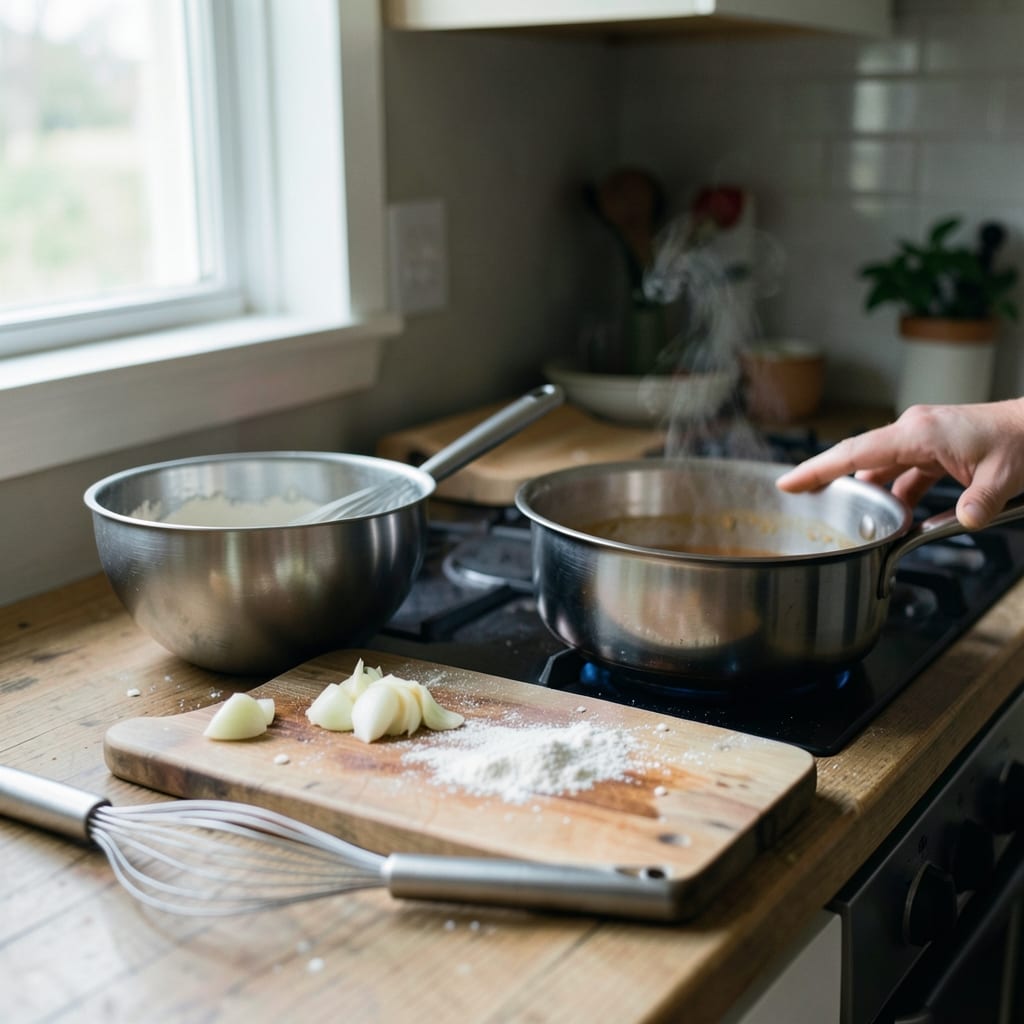

Welcome to Soup Recipes Bowl
There’s a quiet panic in the kitchen when you realise you’ve got half an hour to feed six people and nothing but a few ingredients and a pot. Or maybe it’s not panic—just the slow realisation that what you’re making won’t taste like the version your grandmother swore by.
That’s the moment this site was built for: a place where every recipe is tested until it works, where the details matter as much as the ingredients, and where the end result isn’t just edible but *good*.
This isn’t a collection of recipes you’ll forget by next week. It’s a toolkit for cooks who want to make things that taste like they were made with care—whether you’re reheating leftovers for one or hosting a dinner that’ll have your guests asking for seconds. No shortcuts. No pretence.
Just real food, explained clearly, so you can focus on the cooking.
Our story
The problem started in a tiny apartment kitchen at 7:30 one evening, when Nina Rivas burned the bottom of a pot of minestrone because the recipe called for ‘medium heat’ without explaining what that looked like on a cheap stovetop.
The instructions were missing the details that make a dish sing—or, in this case, *not* catch fire.
That night, she scribbled down not just the ingredients but the exact temperature, the timing, and the one trick (a splash of vinegar at the end) that saved the soup from tasting like boiled vegetables.
The first draft of what became *Soup Recipes Bowl* was a single handwritten page taped to the fridge, with a list of ‘do not skip’ steps and a warning about over-salted broths.
It wasn’t until a friend—who’d followed the notes exactly—sent a photo of their creamy tomato soup with the words ‘This is the only one that doesn’t taste like water’ that the idea took shape.
By midnight, the first blog post was live, and the rule was set: every recipe would be tested at least three times, by people who’d never cooked it before.
What changed wasn’t the food itself, but how it was shared. The early comments revealed a pattern: readers didn’t just want recipes; they wanted the *why* behind them. Why add a pinch of sugar to tomato soup? Why let a stock simmer for hours?
Why, when making risotto, does the rice have to be ‘al dente’ *before* the cheese goes in? The site shifted from instructions to explanations, and the difference was immediate.
A year later, the fridge page had grown into a full site, and the core question remained: *How do we make sure this tastes like home?*
What we stand for
This site exists to make cooking feel less like a chore and more like a conversation. It’s built on the idea that good food isn’t about perfection—it’s about the small, repeatable choices that turn a meal into something memorable.
Whether you’re a beginner or a home cook who’s tired of recipes that treat you like a lab assistant, you’ll find the details that actually matter.
What you will always get here
- Recipes that work the first time, with clear notes on where things can go wrong—and how to fix them.
- A focus on technique over gimmicks: no ‘5-minute’ shortcuts that sacrifice flavour.
- Honest assessments of what’s worth splurging on (the stock) and what you can skip (the fancy cheese).
- Stories behind the dishes—because the best recipes come with context, not just ingredients.
The team behind *Soup Recipes Bowl* is small but precise. They’re the kind of cooks who taste-test until they’re sure, who cross-reference old family recipes with modern science, and who treat every reader like they’re standing in the kitchen with them.
Their backgrounds range from professional kitchens to home tables where meals were the heart of the day, but their shared language is the same: *What makes this dish better than the last one?*
Nina Rivas
Nina Rivas is the founder and editor, and her work here is shaped by the French-Creole kitchen of her grandmother, where every meal was a lesson in balance.
Before launching this site, she spent years in professional kitchens, learning the difference between a ‘good’ stock and a ‘great’ one—and why the extra hour of simmering makes all the difference.
Her desk is cluttered with dog-eared cookbooks, a digital scale that’s seen better days, and a jar of her grandmother’s homemade hot sauce, which she insists on adding to *everything*.
She’s the one who always gets the salt wrong on the first try, no matter how many times she’s written about seasoning.
I still remember the first time my grandmother told me, ‘Taste it before you season it.’ It sounds simple, but it changed how I cook forever. If you’re not tasting as you go, you’re just guessing—and guessing in the kitchen is how you end up with mushy potatoes or bland sauce.
Nina Rivas
How we create our content
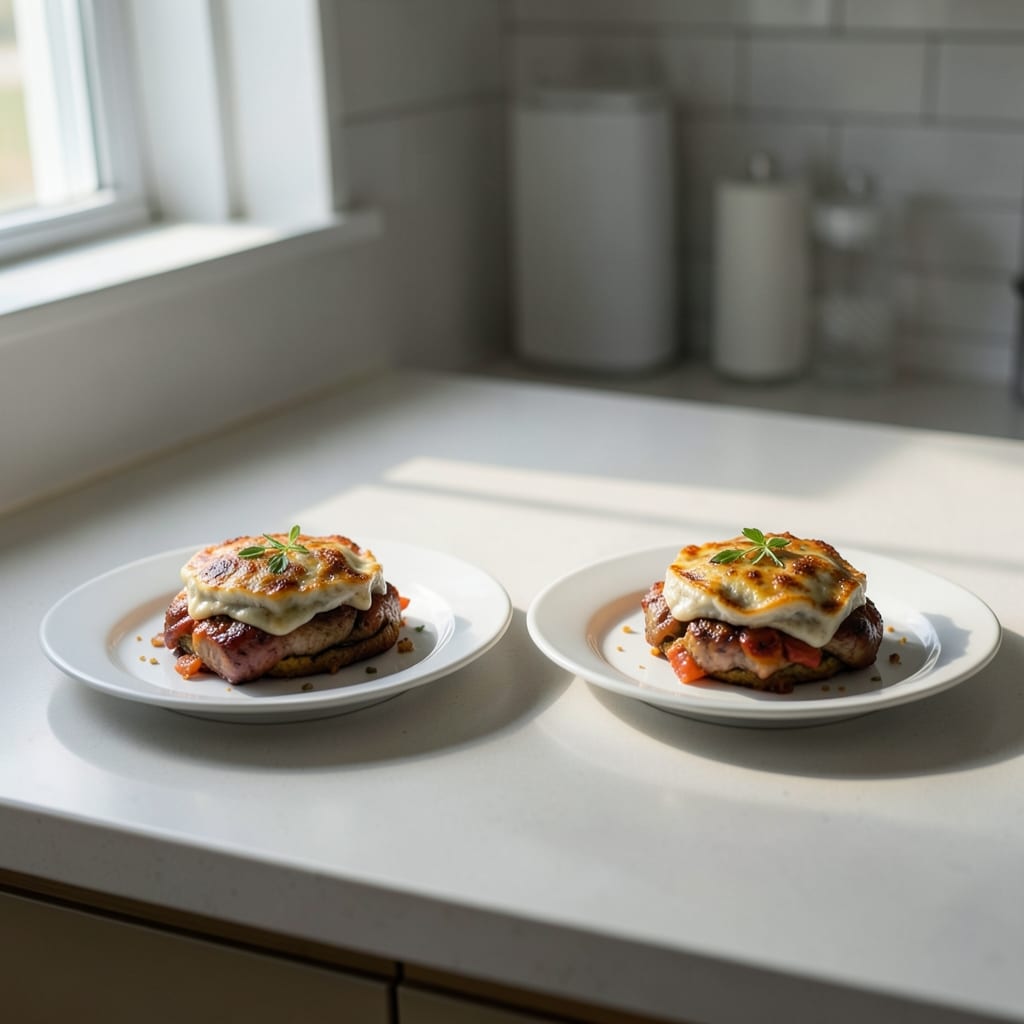
Every recipe here starts with a question: *What’s the one thing that always goes wrong with this dish?* It might be a burnt bottom, a sauce that separates, or a texture that’s off.
The answer isn’t just ‘don’t do that’—it’s a step-by-step breakdown of how to avoid it, tested by people who’ve never made the dish before. No assumptions. No shortcuts.
Testing the recipe
The first draft is always made in batches of three: one by the writer, one by a friend who’s cooked exactly twice before, and one by someone who’s never held a knife properly.
Ingredients are weighed to the gram, timings are tracked with a stopwatch, and temperatures are checked with a thermometer. If the ‘never-cooked-before’ version turns out edible but bland, the recipe goes back to the drawing board. The goal isn’t just a dish that works—it’s one that *excites*.
Refining the method
What looks simple on paper often falls apart in practice. That’s why every recipe includes a ‘common mistakes’ section, written after watching at least five people attempt it.
The fixes are specific: *Don’t stir the risotto after adding the cheese, or you’ll turn it gluey.* Or: *If your soup tastes flat, it’s not the broth—it’s the acid. Add a squeeze of lemon.* These aren’t just notes; they’re the lessons learned from the pan.
Join our community
This site thrives on the questions you ask and the suggestions you send. Need to know why your pasta sauce is watery? Someone’s already figured it out. Wondering how to adapt a recipe for a dietary restriction? We’ve tested it.
And if you’ve got a trick of your own—like the perfect way to reheat soup without turning it to glue—we want to hear it. The best ideas often come from the people in the kitchen, not the cookbooks.
Let's connect
The team loves hearing about the dishes you’ve made, the mistakes you’ve fixed, and the recipes you’ve revived. Whether it’s a childhood memory tied to a specific flavour or a modern twist you’ve perfected, share it with us on the contact page. And if you’re just starting out?
Send us your questions—we’ll make sure you get an answer that actually helps.
Happy cooking. We’ll be here when you’re ready to taste it.
The recipes are grouped by category: Appetizers, Beverages, Breakfast & Brunch, Desserts, Main Courses and Reviews.