
Soups & Stews
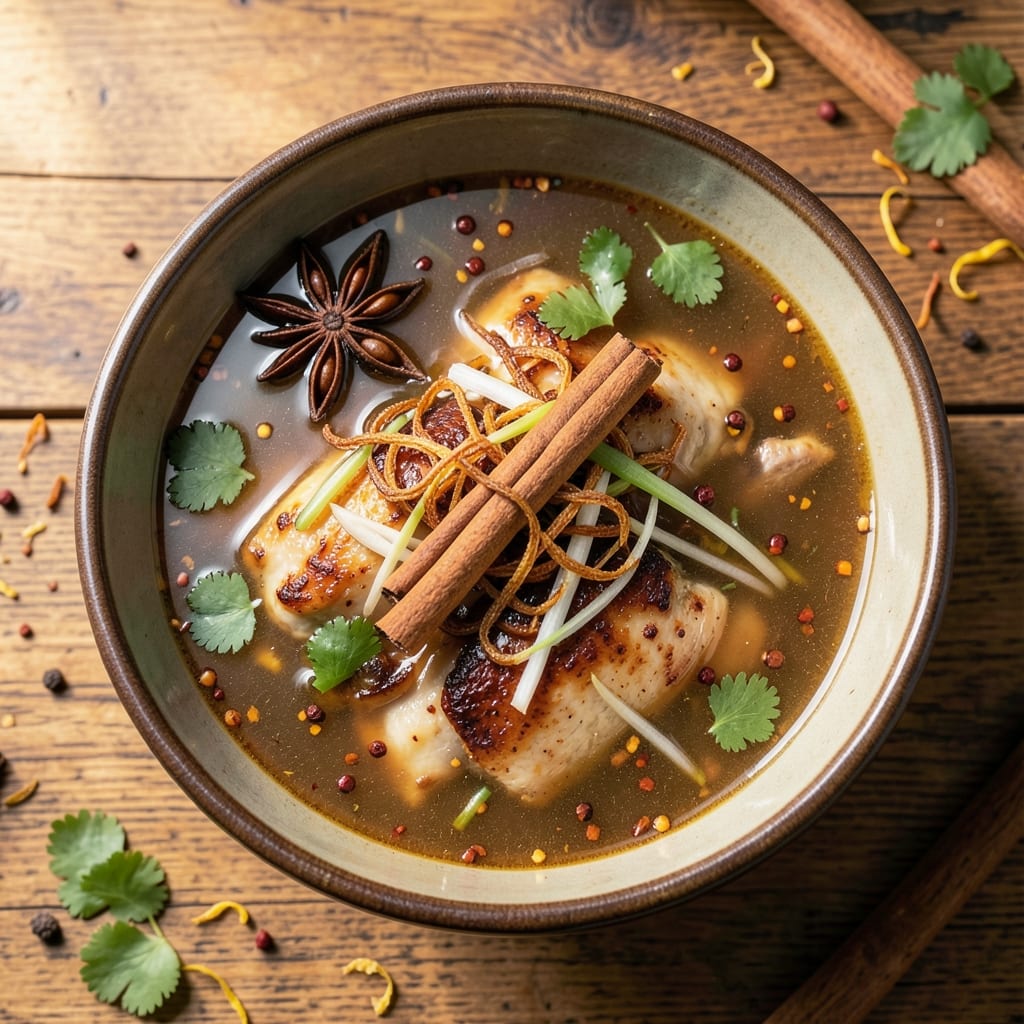
This 10-spice soup recipe delivers a symphony of aromatic warmth that transforms ordinary broth into a deeply satisfying bowl of comfort. The secret lies in a carefully balanced blend of spices—Sichuan peppercorns for tingling heat, star anise for licorice depth, and cinnamon for subtle sweetness—each playing its part as they simmer together. I developed this recipe after years of refining spice ratios, ensuring every spoonful delivers layers of umami without overpowering the broth.
The foundation begins with a rich, slow-simmered broth—whether you use chicken, beef, or a robust vegetable base—that absorbs the spices' essence over 45 minutes. The spices toast gently in oil first, releasing their natural oils and aromas before being steeped in the broth. This method prevents bitterness while allowing flavors to meld into a harmonious balance. For those who prefer a lighter touch, reducing the Sichuan peppercorns by half keeps the heat manageable while preserving the soup's complexity.
What you’ll end up with is a perfectly balanced soup—warm, aromatic, and deeply flavorful—where each ingredient shines without dominating. The broth becomes velvety, the spices infuse just enough to linger on the palate, and the texture is rich yet light. This isn’t just a soup; it’s a restaurant-quality experience that feels like a hug in a bowl, especially on chilly evenings or when you crave something hearty yet sophisticated.
The best part? This recipe adapts effortlessly. Swap the broth for miso or coconut milk for a vegetarian twist, or adjust the spice levels to suit your taste. Serve it with a drizzle of chili oil for extra heat or a sprinkle of fresh cilantro for brightness. Here’s how to make it—step by step—so you can taste the difference for yourself.
Ingredients for 10 spice soup
Ten aromatic spices and a few simple pantry staples transform ordinary broth into restaurant-quality soup.
| Ingredient | Amount | Notes |
|---|---|---|
| Chicken Broth 🍲 | 6 cups | Homemade or high-quality store-bought |
| Sichuan Peppercorns 🌶️ | 1 ½ tsp | Toasted for maximum aroma |
| Star Anise Pods 🌟 | 2 whole | Whole pods for easy removal |
| Cinnamon Sticks 🍃 | 2 whole | Ceylon cinnamon preferred |
| Ground Cumin 🌿 | 1 ½ tsp | Toasted for deeper flavor |
| Ground Coriander 🌶️ | 1 tsp | Freshly ground preferred |
| Fennel Seeds 🌱 | 1 tsp | Toasted lightly before adding |
| Cardamom Pods 🌿 | 4 whole | Green cardamom preferred |
| Cloves 🌶️ | 4 whole | Whole cloves for easy removal |
| Black Cardamom Pods 🌿 | 2 whole | Smoky depth, optional |
| Ginger Root 🧄 | 1 inch | Freshly grated, peeled |
| Garlic Cloves 🧄 | 4 cloves | Peeled, roughly chopped |
| Vegetable Oil 🫒 | 2 tbsp | Neutral high smoke point |
| Salt 🧂 | 1 ½ tsp | Diamond Crystal kosher salt |
| Soy Sauce 🍶 | 1 tbsp | Dark soy for color depth |
| Sesame Oil 🫒 | 1 tsp | Toasted for aroma |
| Green Onions 🧅 | 3 whole | Sliced, for garnish |
| Fresh Cilantro 🌿 | ¼ cup | Chopped, for brightness |
The spices are everything here. Sichuan peppercorns from Penzeys or bulk bins deliver that signature tingling heat—don't substitute with regular black pepper. Star anise and cardamom should be whole pods so you can fish them out later. For the best quality, grab whole spices from Whole Foods or a specialty Asian market. Toast them lightly in the oil first—this releases their natural oils and prevents bitterness. The ginger and garlic? Fresh only. Pre-minced jarred versions lack the punch. If you're short on time, frozen chopped ginger works in a pinch, but freshly grated makes all the difference.
No Sichuan peppercorns? Substitute with 1/4 tsp cayenne plus 1/2 tsp black pepper—it won't be identical, but you'll still get heat. Running out of star anise? Double the cinnamon for a sweeter profile. The broth can be chicken, beef, or even vegetable broth for a vegetarian version. Just make sure it's homemade or a high-quality brand—low-sodium versions work better since you're adding your own salt. The soy sauce adds umami depth, but if you're avoiding it, 1 tbsp of miso paste works beautifully instead. For extra richness, stir in a spoonful of coconut milk at the end.
This soup tastes even better the next day as flavors meld. Store in an airtight container in the fridge for up to 5 days. For longer storage, freeze portions in 1-cup containers—they reheat perfectly. The spices lose potency after 6 months, so if you're not using them all, store them in a dark, airtight container away from light. Garnish with fresh cilantro and green onions right before serving—this adds brightness that cooks out during storage. For a restaurant-style touch, drizzle with a little chili oil or toasted sesame seeds.
Why You'll Love This Recipe
- Pantry Magic: That’s right—no fancy shopping trips. I’m talking about that spice rack you already own (or can grab for pennies) turning into a fragrant, warming bowl of soup. Just toss in the Sichuan peppercorns for that signature numbing heat, let the star anise and cinnamon sticks simmer their magic into the broth, and boom—depth without the effort.
- Warmth in a Mug: Honestly, this soup feels like a hug in liquid form. The cumin grounds the spices, the star anise adds a subtle sweetness, and that lingering Sichuan kick? It’s the kind of flavor that sticks with you long after the last sip—perfect for chilly afternoons or when you just need something to lift your mood.
- Leftovers That Shine: Between us, this soup begs to be made in batches. The flavors actually get better the next day as the spices meld into the broth. I’ll often reheat it for lunch or freeze portions—no one ever complains when it’s on the table, and my wallet stays happy too.
- Weeknight Workhorse: Took me three tries to get the spice balance right, but now? It’s my go-to when I’m too tired to think. Simmer the broth with the whole spices (no chopping, no fuss), add a handful of veggies or chicken if you’re feeling fancy, and you’ve got dinner covered in under 40 minutes. (Yes, even on a Tuesday night.)
Step-by-step instructions for 10-Spice soup
This aromatic blend transforms simple ingredients into a complex, layered broth.
Toast the Whole Spices for Maximum Flavor
In a dry skillet over medium heat, toast the 1.5 teaspoons Sichuan peppercorns, 2 whole star anise pods, 2 whole cinnamon sticks, 1 teaspoon fennel seeds, 4 whole cardamom pods, 4 whole cloves, and 2 whole black cardamom pods for 2-3 minutes until fragrant and lightly golden. This step unlocks their essential oils—you'll smell the difference immediately.
Transfer the toasted spices to a mortar and pestle (or small bowl) and lightly crush the whole pods and seeds. You don't need a fine powder—just enough to release their aromatic compounds. Set aside for now; we'll add them back later. This careful toasting prevents bitterness and creates that signature depth in the soup.
Bloom the Ground Spices in Oil
Heat 2 tablespoons vegetable oil in a large pot over medium heat until shimmering but not smoking. Add the 1.5 teaspoons ground cumin, 1 teaspoon ground coriander, and 1.5 teaspoons salt, stirring constantly for 30 seconds until the spices are fragrant and sizzling gently.
This blooming step is crucial—it develops the spices' flavors before adding liquid. You'll notice the oil turning slightly darker and releasing a warm, earthy aroma. Immediately add the 1-inch grated ginger root and 4 roughly chopped garlic cloves, cooking for another 30 seconds until the garlic is just beginning to color. Don't let it brown or it'll turn bitter.
Simmer the Broth with Aromatics
Pour in the 6 cups chicken broth and bring to a gentle boil. Add the crushed whole spices you toasted earlier, then reduce heat to low, maintaining a barely simmering state. Cover and cook for 20 minutes—this allows all the spices to infuse without overpowering the broth.
Here's where patience pays off: The broth should develop a rich, complex aroma with hints of citrus (cardamom), warmth (cinnamon), and subtle heat (Sichuan peppercorns). If you smell any bitterness developing, reduce heat further—we want balanced flavors, not medicinal ones. Stir occasionally to prevent any spices from sticking to the bottom.
Finish with Umami and Garnish
After 20 minutes, remove the pot from heat and stir in the 1 tablespoon soy sauce and 1 teaspoon sesame oil. The soy sauce adds depth while the sesame oil brings a nutty finish. Taste the broth and adjust seasoning—you might need a touch more salt, especially if your broth was lightly salted initially.
Return the pot to low heat and let it steep for 5 more minutes to fully integrate the flavors. Before serving, stir in the 3 sliced green onions and 0.25 cup chopped fresh cilantro—these brighten the rich, spiced broth with freshness. Ladle into bowls immediately, as the flavors continue developing even after cooking.
Pro Tips For Making 10 Spice Soup
- Toast the whole spices: I learned this the hard way—skipping the toasting step means your soup will taste like a spice cabinet, not a balanced dish. Lightly dry-toast Sichuan peppercorns, star anise, and cinnamon sticks in a dry pan for 30 seconds until fragrant (not burnt). This unlocks their oils and prevents bitterness in the broth.
- Bloom cumin first: Add ground cumin directly to hot broth for 30 seconds before anything else. This step makes a real difference—it deepens the earthy flavor instead of letting it sit bland. Stir like you mean it, then cover and simmer before adding other spices.
- Simmer low and slow: Boil the broth hard for the first 5 minutes to extract flavors, then drop to a gentle simmer. I used to rush this, and the spices would turn harsh. Keep it at a whisper-bubble (tiny bubbles, barely moving) for at least 20 minutes—this is how the spices meld without overpowering.
- Strain or don’t: If you hate fishing for star anise and cinnamon sticks later, strain the broth through a fine-mesh sieve. If you’re lazy (like me), leave them in—just remember to remove them before serving. Either way, skip the blender unless you want a pasty, thick soup.
Regional styles of these flavors
Chinese Sichuan Style
In Sichuan province, this spice blend takes center stage with Sichuan peppercorns as the star. The locals call it "málà" (numbing-spicy), where the tingling heat from the peppercorns dances with the broth's richness. I've seen street vendors in Chengdu serve this with hand-pulled noodles and a side of pickled vegetables to balance the intensity. For authenticity, add 1 tbsp of doubanjiang (fermented chili bean paste) when finishing the soup—it deepens the umami and adds a smoky complexity. 🌶️
Pro tip: If you can't find Sichuan peppercorns, substitute with ½ tsp cayenne plus ½ tsp black pepper, but you'll lose that signature numbing sensation. The Sichuan version often includes a splash of Shaoxing wine (about 1 tbsp) when simmering the broth—it adds a subtle floral note that elevates the entire dish. For extra authenticity, garnish with crushed peanuts or chili oil before serving.
Japanese Shichimi Style
Japan's shichimi togarashi (seven-flavor chili) inspires a lighter, more citrus-forward variation. Replace the black cardamom with orange peel (½ tsp, finely grated) and add ½ tsp of nori flakes for umami depth. The Japanese version often includes a pinch of sansho pepper (Japanese Sichuan pepper) if available, but ½ tsp of ground white pepper works in a pinch. I love serving this with steamed rice and a side of miso-glazed eggplant for a full meal. 🍱
For a true Japanese touch, finish the soup with a drizzle of yuzu juice (about 1 tsp) instead of soy sauce—it brightens the broth beautifully. The Japanese adaptation also often includes a small piece of kombu (dried kelp) simmered in the broth for 10 minutes before removing it. This adds a subtle oceanic depth that pairs perfectly with the spice blend. Garnish with toasted sesame seeds and thinly sliced scallions for presentation.
Thai-Inspired Lemongrass Twist
Thai cuisine brings citrusy brightness to this spice profile. Swap the cinnamon sticks for 2 stalks of lemongrass (bruised and tied with kitchen twine) and add 1 tsp of galangal (or ginger if unavailable). The Thai version often includes kaffir lime leaves (2 leaves, torn) for an aromatic lift. I've found that adding 1 tbsp of fish sauce (or soy sauce for vegetarians) when finishing the soup enhances the Thai flavors beautifully. 🍋
For extra Thai flair, stir in 1 tsp of palm sugar during the final 5 minutes of simmering—it balances the heat and adds a caramelized sweetness. Garnish with fresh Thai basil or cilantro and serve with jasmine rice or rice noodles. The Thai adaptation works wonderfully with grilled lemongrass chicken on the side for a complete meal.
Vegetarian Miso Adaptation
For a vegetarian version, replace the chicken broth with 6 cups of kombu-dashi (or vegetable broth) and add 2 tbsp of white miso paste during the final 5 minutes of simmering. The miso adds umami richness that mimics the depth of meat-based broths. I also recommend adding 1 cup of shiitake mushrooms (sliced) to the broth during the 20-minute simmer—they absorb the spices beautifully and add a meaty texture. 🌱
For extra depth, stir in 1 tbsp of tahini when finishing the soup—it adds a nutty, creamy element that rounds out the spices. Garnish with toasted pumpkin seeds or crushed peanuts for crunch, and serve with steamed bok choy or tofu. This vegetarian version is just as satisfying and packed with umami flavor. If you're using store-bought vegetable broth, opt for a low-sodium version to better control the seasoning.
Nutrition facts
Frequently asked questions
What makes this 10-spice soup different from other aromatic soups?
The magic lies in the Sichuan peppercorns and their unique tingling heat that pairs with traditional warming spices like cinnamon and cardamom. Unlike standard spice blends, this recipe balances three flavor profiles: aromatic (star anise, fennel), heat (Sichuan peppercorns, cloves), and umami (soy sauce, sesame oil). The spices are toasted separately to prevent bitterness, creating a complex broth that's both comforting and vibrant.
Can I adjust the spice level for sensitive palates?
For milder heat, reduce the Sichuan peppercorns to 1 teaspoon and omit the black cardamom (which adds subtle heat). For extra warmth, add ½ teaspoon cayenne at the end. The ginger and garlic can also be adjusted—start with ½-inch ginger if you prefer gentle flavors. Always taste as you go and adjust gradually.
How long can I store this soup, and does it taste better the next day?
This soup actually improves overnight as the spices fully infuse. Store in an airtight container in the fridge for up to 5 days. For longer storage, freeze in 1-cup portions—they reheat beautifully. The flavors deepen after resting, making it even more aromatic. Just reheat gently on low heat and stir in fresh cilantro and green onions before serving.
What's the best way to remove the whole spices after cooking?
Use a fine-mesh strainer or cheesecloth-lined ladle to strain the broth while keeping the pot. For stubborn spices, use a slotted spoon to fish them out as you ladle portions. Never strain through a regular strainer—it can clog. If you prefer to serve with spices, leave them in but remove them before reheating to prevent bitterness.
Can I make this soup vegetarian or vegan?
Yes! Replace the chicken broth with 6 cups vegetable broth (low-sodium preferred) and add 2 tablespoons miso paste during the final 5 minutes of simmering for umami depth. For extra richness, stir in 1 tablespoon tahini or ½ cup coconut milk at the end. Use vegan soy sauce if needed, and garnish with toasted pumpkin seeds instead of sesame oil.