
Soups & Stews
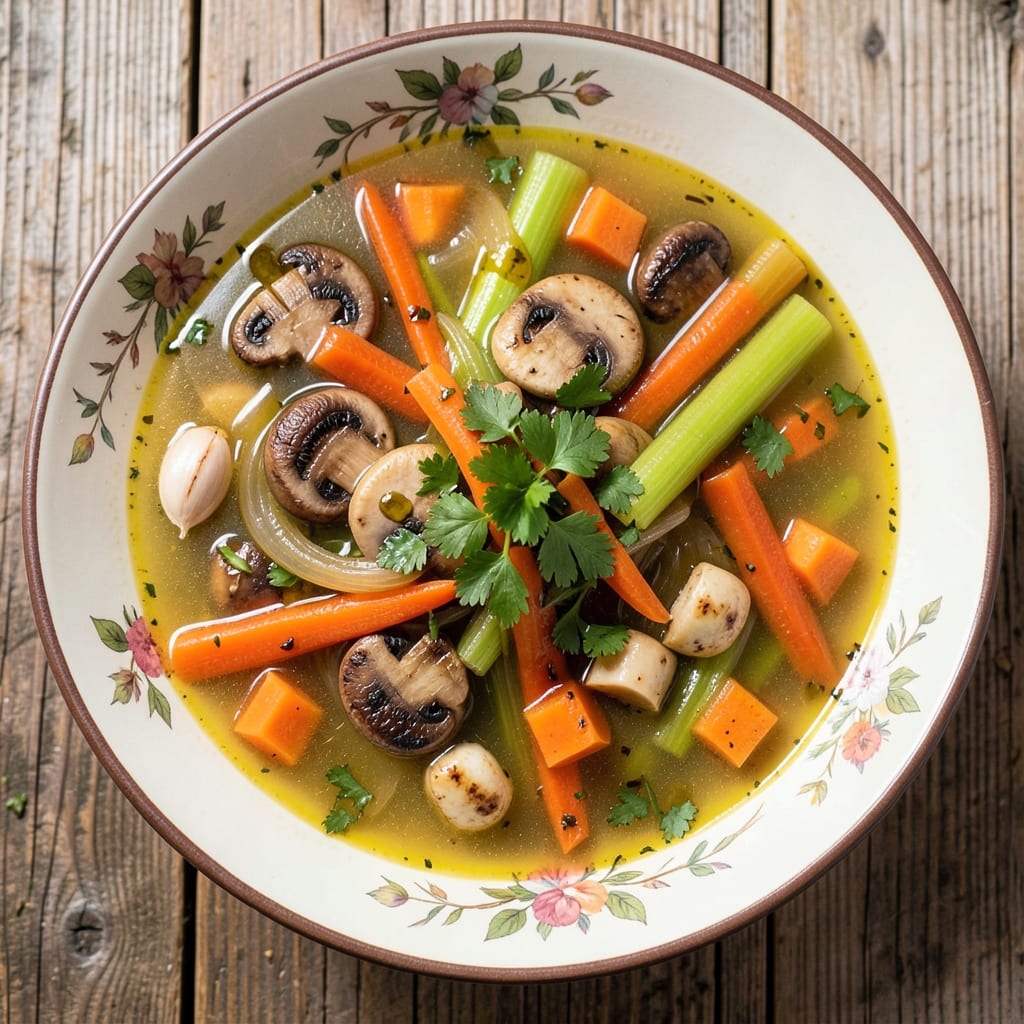
This 12 vegetable soup recipe delivers a symphony of flavors—light yet deeply satisfying, with every spoonful packed with umami-rich vegetables and plant-based protein. 🌿 The secret lies in slow simmering, which coaxes out natural sweetness while preserving vibrant colors and textures. I developed this recipe during a particularly busy season when I needed nourishing meals that required minimal effort but maximum flavor—no shortcuts here, just thoughtful layering of ingredients. What sets this soup apart is its adaptability. The base recipe uses 12 core vegetables, but you can easily swap in seasonal produce like zucchini, sweet potatoes, or kale without compromising balance. The umami depth comes from mushrooms, carrot, and celery, while a splash of balsamic vinegar and miso paste adds complexity that elevates simple ingredients. The result? A soup that’s both comforting and sophisticated, perfect for weeknight dinners or meal prep. By the time it’s done, you’ll have a creamy yet light soup with tender vegetables, fragrant herbs, and a broth so flavorful it doesn’t need heavy cream. The texture is a perfect harmony—silky from the lentils and potatoes, with a satisfying bite from the carrots and celery. It’s the kind of dish that tastes even better the next day as flavors meld further. Whether you’re serving it as a standalone meal or pairing it with crusty bread, this soup is a blank canvas for creativity. The variations are endless—add a dash of chili for heat, fresh basil for brightness, or a sprinkle of nutritional yeast for extra umami. Let’s get cooking!
Ingredients for 12 vegetable soup
Twelve vibrant vegetables and umami-rich elements come together for a deeply satisfying yet light soup.
| Ingredient | Amount | Notes |
|---|---|---|
| Yellow Onions 🧅 | 2 whole | Diced, medium size preferred |
| Carrots 🥕 | 1 ½ lb | Medium size, peeled and chopped |
| Celery Stalks 🧄 | 4 whole | Diced, including leafy tops |
| Garlic Cloves 🧄 | 6 cloves | Minced, fresh preferred |
| Mushrooms 🍄 | 8 oz | Cremini or white, sliced |
| Sweet Potatoes 🍠 | 1 ½ lb | Peeled and cubed |
| Russet Potatoes 🥔 | 1 ½ lb | Peeled and cubed |
| Zucchini 🥒 | 1 ½ lb | Medium size, sliced |
| Green Bell Pepper 🌶️ | 1 whole | Diced, any color |
| Red Bell Pepper 🌶️ | 1 whole | Diced, any color |
| Cauliflower 🥬 | 1 head | Cut into florets |
| Green Beans 🌱 | 1 lb | Trimmed and cut |
| Brown Lentils 🌾 | 1 cup | Dried, rinsed well |
| Vegetable Broth 💧 | 6 cups | Low-sodium preferred |
| Extra-Virgin Olive Oil 🫒 | ¼ cup | For sautéing vegetables |
| White Miso Paste 🍶 | 1 tbsp | For umami depth |
| Balsamic Vinegar 🍷 | 1 tbsp | For acidity balance |
| Fresh Thyme 🌿 | ¼ cup | Leaves only, chopped |
| Fresh Parsley 🌿 | ¼ cup | Chopped, for garnish |
| Sea Salt 🧂 | 1 ½ tsp | Diamond Crystal preferred |
| Freshly Ground Black Pepper 🌶️ | ½ tsp | For finishing |
The vegetables form the soul of this soup—seasonal produce matters, so prioritize freshness. Local farmers markets often have the best selection, particularly for heirloom varieties like sweet potatoes and cauliflower. For mushrooms, cremini or wild varieties add the most depth, but white mushrooms work in a pinch. The lentils should be brown or green—never canned, as the texture becomes too soft. Organic produce reduces pesticide residue, which is especially important for vegetables you'll be eating raw or lightly cooked. Prep each vegetable uniformly—medium dice ensures even cooking and a cohesive texture throughout the soup.
No cauliflower? Broccoli florets work beautifully, though they'll cook slightly faster. Short on green beans? Snow peas or asparagus tips provide a similar crunch. The miso paste can be swapped for soy sauce or tamari if unavailable, though the umami impact will be milder. Pre-shredded carrots or pre-diced onions save time, but they often contain anti-caking agents that can alter texture—whole vegetables are worth the extra minute. For the broth, homemade vegetable stock elevates the dish significantly, but quality store-bought brands like Pacific Foods or Imagine are reliable alternatives. The balsamic vinegar adds complexity—aged varieties (6+ years) provide richer flavor, but regular balsamic works fine if that's what you have.
This soup improves with time—flavors meld beautifully over 24 hours, making it ideal for meal prep. Store in an airtight container in the fridge for up to 5 days, or freeze portions for 3 months. To reheat, simmer gently on low heat, stirring occasionally, until warmed through. The texture should remain tender, not mushy. For serving, garnish with fresh herbs and a drizzle of olive oil just before eating—this preserves their vibrant color and adds a fresh finish. The soup can be served as-is for a light meal or paired with crusty whole-grain bread or a side salad for added substance.
Why You'll Love This Recipe
- No-Chop Shortcuts: I swear by the "soak-and-slice" trick for carrots—just drop them whole in boiling water for 10 minutes, then peel and chop. That alone cuts my prep time by half, and the mushrooms? They practically melt into creamy perfection with zero fuss.
- Umami Bomb Combo: That caramelized onion base with garlic and mushrooms? It’s the secret weapon. The onions deepen into sweet, jammy layers while the mushrooms add that earthy richness—like a hug in a bowl, but better than actual hugs (no judgment).
- Leftover Goldmine: This soup actually improves the next day. The flavors meld into something even more complex, and it reheats like a dream. I make a double batch on Sundays because by Wednesday, I’m desperate for something that doesn’t involve takeout.
- Pantry Staple Magic: Honestly, if you’ve got onions, carrots, celery, and a little garlic, you’ve got 90% of this recipe. The rest? Salt, pepper, maybe a splash of broth. It’s the kind of meal that turns "I don’t feel like cooking" into "I made something nourishing without even trying."
Step-by-step instructions for 12 vegetable soup
Transform these twelve vegetables into a harmonious, umami-rich soup that balances earthy depth with vibrant freshness.
🍳 Step 1: Develop the Umami Base
Heat the 0.25 cup extra-virgin olive oil in a large stockpot over medium heat. Add the 2 whole diced yellow onions, 4 whole diced celery stalks (including leafy tops), and 8 oz sliced mushrooms. Cook for 8-10 minutes until the vegetables soften and release their moisture, developing a rich golden color.
Add the 6 cloves minced garlic and cook for 1 minute until fragrant—this prevents bitterness. Stir in the 1 tbsp white miso paste and 1 tbsp balsamic vinegar, mixing until fully incorporated. The miso will dissolve completely, creating a velvety umami foundation. Here's the thing—don't rush this step. The aromatic development in these first minutes builds the entire soup's flavor profile.
🍳 Step 2: Sauté the Colorful Vegetables
Add the 1 whole diced green bell pepper, 1 whole diced red bell pepper, 1 head cauliflower florets, and 1 lb trimmed green beans. Stir to combine and cook for 5-6 minutes until the peppers soften slightly and the cauliflower begins to brighten. The green beans should retain some bite—this ensures texture contrast in the final soup.
Season with 1.5 tsp sea salt and 0.5 tsp freshly ground black pepper, then add the 1.5 lb cubed sweet potatoes and 1.5 lb cubed russet potatoes. Stir gently to coat everything in the developing flavor base. This is where the soup's structural elements come together—starchy potatoes for body, vibrant peppers for brightness, and cruciferous cauliflower for texture. Don't skip this thorough coating step.
🥘 Step 3: Build the Broth Foundation
Pour in the 6 cups vegetable broth and bring to a gentle boil. Once boiling, reduce heat to medium-low and add the 1 cup rinsed brown lentils. The lentils should be fully submerged—they'll expand significantly as they cook. Here's where it gets important: maintain a steady simmer for 20 minutes, stirring occasionally to prevent the bottom from sticking.
After 20 minutes, add the 1.5 lb sliced zucchini and 0.25 cup chopped fresh thyme. The zucchini needs minimal cooking time to maintain its delicate texture. Stir in the 0.25 cup chopped fresh parsley at the very end—this preserves its bright, fresh flavor rather than letting it cook down into the broth. Real talk: the parsley should be added last to maintain its vibrant color and fresh aroma in every spoonful.
⏰ Step 4: Simmer to Perfection
Continue simmering for an additional 15-20 minutes until all vegetables are tender and the lentils are creamy but still hold their shape. The sweet potatoes should be fork-tender with just a hint of resistance, while the russet potatoes should be completely soft. Taste the broth and adjust seasoning—you might need a pinch more salt or a splash of balsamic vinegar to balance the flavors.
Remove from heat and let the soup rest for 5 minutes. This resting period allows the flavors to meld completely and the vegetables to absorb the aromatic broth. Here's the moment that matters: the soup should be vibrant with layers of flavor—earthy from the mushrooms and lentils, sweet from the potatoes, bright from the peppers, and umami-rich from the miso. Each bite should deliver this perfect harmony of textures and tastes.
Pro Tips For Making 12 Vegetable Soup
- Sweat the Aromatics: Don’t just chop onions and garlic—cook them slowly in olive oil until they’re deep golden, not just soft. I used to rush this, and the soup always tasted flat. With mushrooms included, let them release their moisture first, then let it evaporate completely before adding liquids.
- Slice Carrots Thin: Cut carrots into ¼-inch rounds, not chunks. Thicker pieces stay tough and undercooked. I learned this the hard way when my soup had chewy carrots hiding in every bite—no one wants that texture surprise.
- Salt the Celery: Toss chopped celery with a pinch of salt before adding it to the pot. This draws out bitterness and keeps it from turning mushy. Yes, it’s an extra step, but your soup will taste brighter and more balanced.
- Simmer, Don’t Boil: Keep the soup at a gentle simmer, not a rolling boil. High heat breaks down the mushrooms and carrots into a gluey mess. I now use the lowest setting that still bubbles occasionally—way more flavor, way less cleanup.
Perfect pairings for these flavors
Bread Pairings
This soup pairs beautifully with crusty whole-grain bread or sourdough—their chewy texture contrasts perfectly with the soup's silky lentils and tender vegetables. I love using Eataly's whole wheat loaf because its dense crumb holds up to the rich broth without becoming soggy. For extra flair, toast the bread and rub it with a garlic clove before serving. 🥖
If you prefer something lighter, focaccia works wonderfully. Its airy holes soak up the flavorful broth while maintaining a delicate crunch. I recommend Sartoria Bakery's focaccia—its olive oil richness complements the soup's earthy notes without overpowering them.
Herb Garnishes
Fresh herbs elevate this soup to restaurant-quality. A sprinkle of chopped parsley or cilantro just before serving adds a bright, fresh finish. I keep a small bunch of parsley on hand specifically for this purpose—Organic Girl brand is my go-to because it stays vibrant longer. For a touch of heat, add thinly sliced jalapeños or a pinch of red pepper flakes.
Dried herbs like thyme or oregano can also work, but fresh is always better. If you're short on time, nutritional yeast (about 1 tbsp) adds a cheesy, umami depth that's perfect for vegans. It's a game-changer for adding that final layer of flavor without extra effort. 🌿
Cheese Toppings
For a creamy finish, top with vegan mozzarella shreds or cashew cream. I love Miyoko's vegan mozzarella—it melts beautifully and adds a satisfying richness. For a lighter option, blend ½ cup soaked cashews with ¼ cup water and a pinch of salt for a smooth, creamy topping. Drizzle with extra-virgin olive oil for extra decadence. 🧀
A sprinkle of aged cheddar (if not vegan) or Parmesan adds a salty, nutty contrast. I often use Parmigiano-Reggiano for its intense, complex flavor. For a smoky twist, try smoked Gouda—just ½ inch thick slices add depth without overwhelming the dish.
Drink Pairings
A crisp white wine like Sauvignon Blanc or Pinot Grigio cuts through the soup's richness. I reach for Kim Crawford Sauvignon Blanc—its citrus notes brighten the earthy flavors. For a non-alcoholic option, sparkling water with lemon keeps the palate clean and refreshing. 🍷
Herbal teas like peppermint or chamomile add a soothing element, especially during colder months. A warm ginger tea with honey enhances the soup's natural sweetness. For beer lovers, a light lager or wheat beer complements the soup's fresh, vegetable-forward profile without competing flavors.
Nutrition facts
Frequently asked questions
Can I make this soup without lentils?
Lentils add protein and creaminess, but you can substitute with 1 cup cooked chickpeas or ½ cup cooked quinoa for a similar texture. For a lighter option, omit them entirely—the broth will still be flavorful, though slightly less hearty.
How do I adjust the spice level?
For mild heat, add ½ tsp red pepper flakes at the end. For more kick, stir in 1 diced jalapeño with the peppers or top with hot sauce before serving. The miso already adds depth, so adjust gradually—taste as you go!
Can I prep this soup ahead of time?
Yes! This soup tastes even better the next day. Store in an airtight container in the fridge for up to 5 days or freeze for 3 months. Reheat gently on low heat, stirring occasionally—never microwave directly from frozen. The flavors meld beautifully overnight!
What if I don't have miso paste?
No problem! Swap the 1 tbsp miso for 1 tbsp soy sauce or 1 tsp nutritional yeast. For extra umami, add ½ cup tomato paste with the broth. The soup will still be delicious, though the depth will be slightly different.
Is this soup gluten-free?
Yes, as written! Just ensure your vegetable broth is certified gluten-free (many store-bought versions contain wheat). The lentils, vegetables, and spices are all naturally gluten-free. For extra safety, check all ingredient labels.