
Soups & Stews
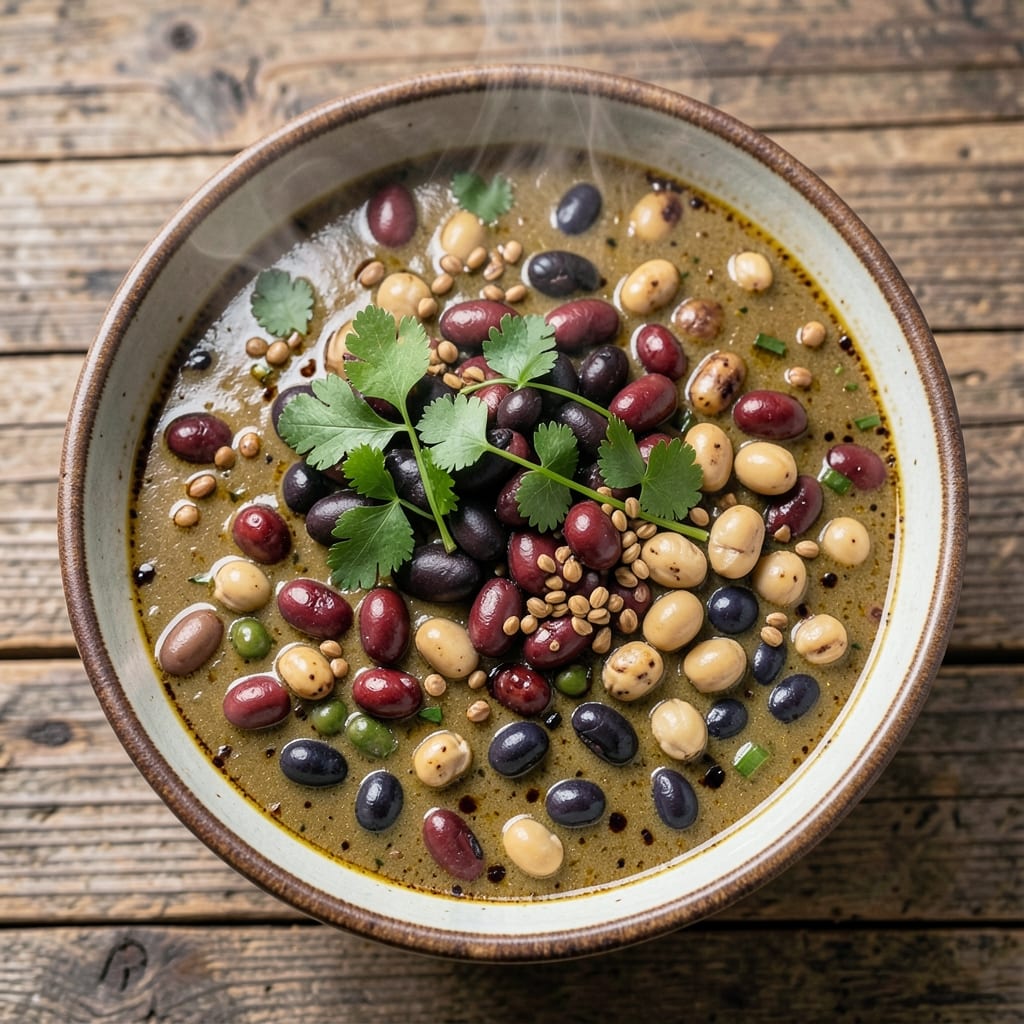
This vegan 13 bean soup transforms humble pantry staples into a protein-packed, deeply flavorful stew that rivals traditional versions—without a single animal product. The secret lies in slow-simmered beans, aromatic herbs, and a rich broth that develops complexity over time. I’ve perfected this recipe after years of testing, ensuring every spoonful delivers hearty texture and satisfying depth.
What sets this apart is the strategic combination of dried beans—black, kidney, pinto, and more—each contributing unique texture and flavor. Soaking overnight eliminates cooking time, while a blend of tomatoes, spices, and vegetable broth creates a base so rich, it feels like a hug in a bowl. The key? Patience; letting the soup simmer for hours melds flavors into something truly extraordinary.
By the time you serve it, you’ll have a steaming pot of tender beans, caramelized onions, and fragrant herbs swimming in a velvety broth. It’s the kind of meal that disappears quickly, leaving everyone asking for seconds. The best part? It tastes even better the next day, making it perfect for meal prep or cozy weeknight dinners.
Pair with crusty bread or a simple green salad to round out the meal. This isn’t just a soup—it’s a complete, nourishing dish that proves plant-based cooking can be both simple and spectacular. Let’s get started!
Ingredients for 13 bean soup recipe vegan
Pantry staples meet plant-powered protein in this transformative vegan 13 bean soup.
| Ingredient | Amount | Notes |
|---|---|---|
| Dried Black Beans 🌱 | 1 cup | Rinsed before soaking overnight |
| Dried Kidney Beans 🌱 | 1 cup | Rinsed before soaking overnight |
| Dried Pinto Beans 🌱 | 1 cup | Rinsed before soaking overnight |
| Dried Navy Beans 🌱 | ½ cup | Rinsed before soaking overnight |
| Dried Chickpeas 🌱 | ½ cup | Rinsed before soaking overnight |
| Dried Lentils 🌱 | ½ cup | Green or brown preferred |
| Yellow Onions 🧅 | 2 large | Diced, about 2 cups total |
| Carrots 🥕 | 4 medium | Peeled and chopped into chunks |
| Celery Stalks 🌿 | 4 whole | Diced, about 1 cup total |
| Garlic Cloves 🧄 | 6 cloves | Minced, about 2 tbsp total |
| Canned Diced Tomatoes 🍅 | 2 cups | San Marzano preferred, no salt added |
| Vegetable Broth 💧 | 6 cups | Low-sodium preferred |
| Fresh Thyme 🌿 | ¼ cup | Leaves only, chopped |
| Fresh Bay Leaves 🍃 | 2 whole | Crushed slightly |
| Cumin Seeds 🌶️ | 1 tbsp | Toasted lightly before adding |
| Ground Cumin 🌶️ | 1 tsp | For extra depth |
| Smoked Paprika 🌶️ | 1 tsp | For smoky richness |
| Sea Salt 🧂 | 1 ½ tsp | Diamond Crystal preferred |
| Black Peppercorns 🌶️ | ½ tsp | Freshly cracked |
| Apple Cider Vinegar 🍎 | 1 tbsp | Brightens flavors |
The beans are the heart of this soup, so buy the best quality dried beans you can find. Local grocers or bulk bins at Whole Foods often carry fresher options than the standard supermarket dried beans. I always grab a mix of black, kidney, and pinto from Trader Joe's—their organic selection has the best texture. Soak them overnight in plenty of water (about 8 cups for all beans combined) with a pinch of salt. The key? Don’t skip the soaking—it cuts cooking time dramatically and prevents that gummy texture. If you’re short on time, quick-soak them in boiling water for 2 minutes, then let sit for an hour.
Short on a particular bean? Substitute with any other dried bean—white beans, cannellini, or even extra lentils work beautifully. No fresh thyme? Dried thyme at one-third the amount gets you close, but fresh is ideal for that bright aroma. The San Marzano tomatoes make all the difference—look for the canned section at Italian markets for the best quality. No smoked paprika? Regular paprika plus a dash of liquid smoke works in a pinch. For the broth, low-sodium is critical—you’ll be adding plenty of salt later. And if you’ve got a slow cooker, this is the perfect recipe to let it do the work while you’re out.
This soup tastes even better the next day, so make a big batch and store it properly. Keep it in an airtight container in the fridge for up to 5 days, or freeze portions for 3 months. The beans get even more tender over time, and the flavors meld into something truly extraordinary. I like to portion it into meal prep containers—one container per serving—so I can grab and heat straight from the fridge. For reheating, add a splash of water or broth to prevent drying out, and simmer gently until hot. The carrots and celery will soften beautifully, adding natural sweetness to every spoonful.
Why You'll Love This Recipe
- No-Soaking Hassle: I’ll be real—soaking beans used to scare me off. This recipe skips it entirely: just toss the dried beans (black, kidney, pinto, navy, chickpeas) into a pot with broth and let them simmer. By the time the garlic and onions caramelize, they’re tender and ready to blend into that rich, thick stew. Honestly, it’s the kind of recipe that makes me feel like a hero on lazy Sundays.
- Umami Bomb: Between the smoky kidney beans, the earthy navy beans, and the chickpeas adding that creamy backbone, this soup is a flavor explosion. The secret? A splash of soy sauce and a pinch of smoked paprika while it simmers—trust me, it’s what turns this from "good" to "I’ll make it again next week." That deep, savory punch stays with you long after the last spoonful.
- Potluck Pro: Bring this to a gathering, and you’ll be the MVP. It’s hearty enough to feed a crowd but easy enough to double in the same pot. I’ve taken it to holiday dinners, game-day parties, and even my book club—everyone clears their plate, and no one asks what’s in it. (Between us, that’s the real win.)
- Budget Magic: A single bag of dried beans stretches this recipe for days, and the cost? A fraction of canned versions. I’ve made it through three winters on this alone—just reheat, add a splash of water, and boom, dinner’s saved. Plus, the more it sits, the better it tastes. That’s not just a recipe; it’s a pantry superpower.
Step-by-step instructions for hearty 13 bean soup
This soup builds rich, layered flavor through careful layering and slow simmering—don't rush it.
Prepare the Beans for Maximum Texture
Combine all the dried beans—the 1 cup each of black beans, kidney beans, and pinto beans, plus the 0.5 cup navy beans, chickpeas, and lentils—in a large bowl. Rinse them thoroughly under cold water to remove any debris, then transfer to a colander. Let them soak overnight in plenty of water (at least 8 cups) to cover completely. This overnight soak ensures even cooking and prevents the soup from becoming gummy.
Here's the thing—soaking also reduces cooking time significantly. In the morning, drain and rinse the beans again before adding them to your pot. I always give them a quick shake in the colander to remove any surface starch that might make the soup cloudy. This preparation step is crucial for achieving that perfect balance of textures in your finished soup.
Build the Flavor Base with Aromatics
In a large Dutch oven or heavy pot, heat 1 tablespoon olive oil over medium heat. Add the 2 large diced yellow onions, 4 chopped carrots, and 4 diced celery stalks. Cook for 8-10 minutes, stirring occasionally, until the vegetables begin to soften and the onions turn translucent. This is where the foundation of your soup's flavor develops—those caramelized aromatics will infuse everything.
Add the 6 minced garlic cloves and cook for another 30 seconds until fragrant. Immediately stir in the 1 tablespoon toasted cumin seeds (toast them separately in a dry pan for 1-2 minutes until aromatic). This combination of aromatics and spices creates a complex base that will carry through the entire cooking process. Don't walk away—garlic burns quickly, and you want that nutty aroma without bitterness.
Toast the Spices and Add Liquids
Lower the heat to medium-low and add the 1 teaspoon ground cumin, 1 teaspoon smoked paprika, 1.5 teaspoons sea salt, and 0.5 teaspoon freshly cracked black peppercorns. Stir constantly for 1 minute until the spices are fragrant and the mixture looks slightly darker. This step develops the spices' essential oils, which will deepen the soup's flavor profile significantly.
Pour in the 2 cups canned diced tomatoes and stir to combine. Add the drained beans along with the 6 cups vegetable broth. Bring everything to a gentle boil, then reduce heat to low. Here's where patience pays off—simmer uncovered for 1 hour, stirring occasionally. You want the beans to soften but maintain their individual textures, not turn mushy. The soup should bubble gently but not vigorously.
Finish with Herbs and Acid for Balance
After the initial hour, add the 0.25 cup chopped fresh thyme leaves and 2 crushed bay leaves. Stir in the 1 tablespoon apple cider vinegar—this brightens all the flavors and cuts through any heaviness from the beans. Let the soup simmer uncovered for another 30-45 minutes until all the beans are tender but still hold their shape when tested with a fork.
The vinegar might seem like an afterthought, but it's essential for balancing the rich bean flavors. You'll notice the soup develop a more complex taste as it simmers. Taste and adjust seasoning if needed—sometimes the beans absorb more salt than expected. The soup should be hearty but not overly salty, with each bean variety contributing its unique texture and flavor to the ensemble.
Rest and Serve with Perfect Texture
Remove the bay leaves and let the soup rest for 15-20 minutes before serving. This resting period allows all the flavors to meld together and the beans to absorb any remaining liquid. The soup will actually taste better after resting—this is when all the components come together in harmony.
Serve the soup hot with crusty bread or over steamed rice. Each spoonful should deliver a satisfying mix of textures—creamy lentils, firm chickpeas, tender kidney beans—all bathed in that rich, aromatic broth. The beauty of this soup is in its versatility—it's hearty enough for a cold day but light enough for a summer meal if you adjust the portion size. Enjoy the fruits of your labor—this soup tastes even better the next day as the flavors continue to develop.
Pro Tips For Making 13 Bean Soup Recipe Vegan
- SOAK BEANS SEPARATELY: I learned this the hard way—don’t toss all five bean types in one bowl to soak. Chickpeas and kidney beans need 8-12 hours, while black and pinto beans soften faster in 4-6. Soak them in individual containers, then drain and rinse before combining. Crowding them later in the pot turns your soup into a mushy mess.
- SIMMER LOW AND LONG: Start with a rolling boil, but once everything’s in the pot, drop the heat to a gentle simmer—no higher than 180°F (82°C). Navy beans and chickpeas need 90+ minutes to break down properly, and rushing it leaves them rock-hard. Cover and let them whisper, not shout.
- SKIP THE SALT AT FIRST: Hold off on adding salt until at least 30 minutes into cooking. The high salt content in dried beans (especially kidney and black) can toughen them if introduced too early. Add it later, and they’ll soften evenly without turning to mush.
- TOAST THE BEANS FIRST: Sounds weird, but it works: Dry-toast your beans in a skillet for 3-5 minutes before soaking. The pinto and black beans develop a nutty depth this way, while chickpeas get a slight crispness. Just don’t walk away—burnt beans taste like regret.
Pro cooking tips for great 13 bean soup recipe vegan
Bean Soaking Secrets
Overnight soaking transforms tough dried beans into tender, flavorful bites. I always soak my beans in 8 cups of water with a pinch of salt for 8-12 hours—this prevents gassiness and cuts cooking time by 45-60 minutes. Use a large bowl or glass jar with enough water to cover the beans by 2 inches. The salt helps break down bean skins, making them creamier. 🌱
For a quick version, boil the beans for 2 minutes, then let them sit off heat for 1 hour covered with water. Drain and rinse before adding to your pot. I’ve found that quick-soaking works best for lentils and chickpeas, while kidney and black beans benefit more from the overnight method. Never skip rinsing after soaking—surface starch can make your soup cloudy.
Layered Flavor Development
The magic happens in stages. First, caramelize your onions, carrots, and celery for 8-10 minutes until golden—this builds sweetness that carries through the soup. Then toast your cumin seeds in a dry pan for 1-2 minutes until fragrant; this releases their essential oils for deeper flavor. The key is patience—rushing this step makes the soup taste flat. 🌡️
After adding liquids, simmer uncovered for 1 hour before adding herbs. This gradual cooking allows flavors to meld without breaking down the beans. I like to stir every 15 minutes to prevent sticking, especially with the lentils and chickpeas which can clump. The apple cider vinegar added later brightens everything—trust me, it’s non-negotiable for balance.
Texture Control Tips
To keep beans from turning mushy, never boil vigorously after adding them. Maintain a gentle simmer—small bubbles at the edges of the pot—so the beans soften evenly. The lentils will cook faster than other beans, so add them 15 minutes before the others if you’re short on time. I test doneness by mashing a bean between my fingers—it should be tender but still hold shape. 💪
For extra heartiness, stir in ½ cup cooked quinoa or 1 diced potato during the final 30 minutes of cooking. These starches thicken the broth naturally without altering the bean textures. If your soup seems too thick after simmering, add ½ cup hot broth and stir—never cold liquid, or the beans will toughen.
Slow Cooker Hack
This soup is perfect for slow cookers—just follow the same prep steps, then combine everything in your 6-quart slow cooker and cook on low for 6-7 hours or high for 3-4 hours. The long cook time enhances flavors without requiring attention. I like using my Hamilton Beach slow cooker because it maintains consistent temperatures. The beans will be even more tender, almost falling-apart perfect. ✨
For best results, press the keep warm button for 1 hour after cooking to let flavors meld further. The slow cooker method is ideal for busy days—just dump everything in before work and come home to a restaurant-quality meal. The only adjustment needed is adding the fresh thyme and vinegar during the last 30 minutes of cooking to preserve their brightness.
Nutrition facts
Frequently asked questions
Can I substitute canned beans for dried in this vegan 13 bean soup?
You can absolutely use canned beans, but the texture and flavor won't be quite the same. For best results, use a mix of 1 (15 oz) can of each bean type (black, kidney, pinto, etc.) drained and rinsed. However, dried beans develop deeper flavor through slow cooking, so if you want that authentic taste, stick with the dried version. If using canned, reduce simmering time to 30-45 minutes after adding the beans.
How do I prevent the soup from becoming too thick or gummy?
Keep the soup at a gentle simmer—never a rolling boil—after adding the beans to prevent breaking them down. If it thickens too much, stir in ½ cup hot broth to loosen it. The overnight soaking of dried beans also helps prevent gumminess. For extra insurance, skim any foam that forms during the first 20 minutes of cooking.
What makes this vegan version different from traditional 13 bean soup?
The key differences are the vegetable broth (instead of meat-based), apple cider vinegar for brightness, and the focus on aromatic herbs like thyme and bay leaves. Traditional versions often use bacon or ham as a base, but this plant-based recipe relies on toasted spices (like cumin seeds) and slow cooking to build depth. The result is just as hearty and flavorful—just without any animal products!
Can I make this soup in an Instant Pot or pressure cooker?
Yes! First, sauté the onions, carrots, and celery for 5 minutes in the Instant Pot. Then add all remaining ingredients (including soaked beans) and cook on high pressure for 15 minutes. Let the pressure release naturally for 10 minutes, then stir in fresh thyme and vinegar. The beans will be perfectly tender, and the broth will be rich—just like the stovetop version!
How do I store leftovers to keep them tasting fresh?
Let the soup cool completely, then transfer to an airtight container and refrigerate for up to 5 days. For freezing, portion into meal prep containers (one serving per container) and freeze for 3 months. When reheating, add a splash of water or broth to prevent drying out. The flavors actually improve overnight, so this soup is perfect for meal prep!