
Soups & Stews
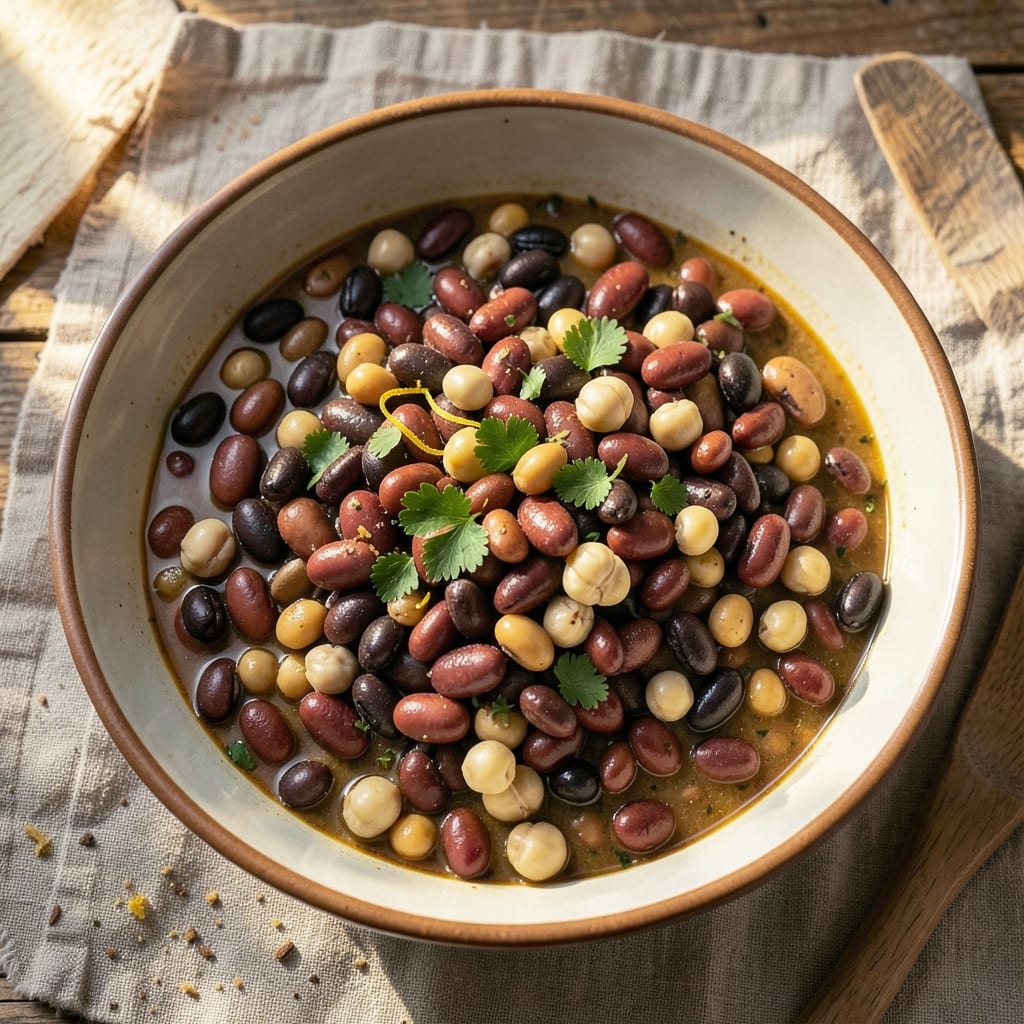
This 14 bean soup mix recipe transforms your pantry into a hearty, one-pot masterpiece with minimal effort. The blend of 14 dried beans—from navy to kidney—creates a protein-packed base that simmers into a rich, flavorful soup. I designed this mix to be vegetarian-friendly, customizable, and shelf-stable, so you can whip up a satisfying meal anytime without pre-soaking or special equipment.
The secret lies in the pre-measured spices and herbs—bay leaves, mustard seeds, and a touch of thyme—that infuse the beans with deep, earthy flavors as they cook. Each tablespoon of this mix expands into a full serving, making it perfect for meal prep or last-minute dinners. The beans absorb the broth beautifully, turning into tender, flavorful bites that hold their shape.
With just 30 minutes of active prep and 2-3 hours of simmering, you’ll have a restaurant-quality soup that’s hearty enough for cold nights but light enough for summer. The beauty of this mix is its versatility: swap in smoked paprika for a smoky kick, add chili flakes for heat, or keep it classic with just salt and pepper. Every batch delivers consistent, foolproof results—no guesswork, just comfort.
Store the mix in an airtight container for up to 6 months, and cook it in any broth you prefer—vegetable, chicken, or even tomato-based. Whether you’re feeding a crowd or meal prepping for the week, this blend cuts down on prep time while packing in fiber, plant-based protein, and homestyle warmth. Let’s get cooking!
Ingredients for 14 bean soup mix
Fourteen dried beans plus spices that transform your pantry into restaurant-quality soup.
| Ingredient | Amount | Notes |
|---|---|---|
| Dried Navy Beans 🌾 | ½ cup | Rinsed before measuring |
| Dried Kidney Beans 🌾 | ½ cup | Dark red variety preferred |
| Dried Black Beans 🌾 | ½ cup | Tender when cooked |
| Dried Pinto Beans 🌾 | ½ cup | Speckled variety |
| Dried Great Northern Beans 🌾 | ½ cup | Creamy texture |
| Dried Chickpeas 🌾 | ½ cup | Also called garbanzo beans |
| Dried Lentils (Green) 🌾 | ½ cup | Cooks faster than beans |
| Dried Split Peas 🌾 | ¼ cup | Yellow or green |
| Dried Adzuki Beans 🌾 | ¼ cup | Sweet flavor profile |
| Dried Anasazi Beans 🌾 | ¼ cup | Earthy, nutty taste |
| Dried Borlotti Beans 🌾 | ¼ cup | Speckled red and white |
| Dried Cannellini Beans 🌾 | ¼ cup | Creamy white beans |
| Dried Fava Beans 🌾 | ¼ cup | Nutty, earthy flavor |
| Dried Butter Beans 🌾 | ¼ cup | Also called lima beans |
| Ground Cumin 🌿 | 1 tbsp | Toasted for deeper flavor |
| Bay Leaves 🌿 | 2 whole | Dried, crumbled |
| Mustard Seeds 🌶️ | 1 tsp | Yellow or brown |
| Dried Thyme 🌿 | 1 tsp | Or fresh thyme at 1/3 amount |
| Garlic Powder 🧄 | 1 tsp | Freshly ground preferred |
| Onion Powder 🧅 | 1 tsp | Not onion salt |
| Sea Salt 🧂 | 1 tsp | Fine grain preferred |
| Black Peppercorns 🌶️ | ½ tsp | Freshly cracked |
| Smoked Paprika 🌶️ | ½ tsp | Optional for smoky depth |
The beans are the heart of this mix, so quality matters. Bob's Red Mill or Anthony's Goods have excellent bulk dried beans—look for organic labels if you prefer. I usually grab a mix of beans from the bulk section at Whole Foods, but any reputable grocery store carries these individually. The key is to use uniformly dried beans—moisture or mold will ruin the mix. Store your bulk beans in the freezer to preserve freshness. For the spices, Penzeys or Spicewalla offer premium quality, but the regular grocery store spices work fine if they're fresh. Smell your spices before using—if they lack aroma, toss them.
No smoked paprika? Regular paprika plus a pinch of liquid smoke gets you close. Fresh thyme is ideal, but dried at one-third the amount works in a pinch. Short on kidney beans? Substitute black beans or pinto beans at the same quantity. The lentils and split peas cook faster than the beans, so if you're short on time, you can reduce their amount by half. For a smoky flavor without paprika, add 1/4 tsp of chipotle powder. The mix is designed to be flexible—swap any bean for another at a 1:1 ratio. Just remember that different beans have different textures, so your soup might have a mix of tender and firm bites depending on what you use.
This mix keeps indefinitely in an airtight container in a cool, dark place. I like to portion it into small jars or resealable bags so I can grab just what I need. Once opened, use within 6 months for best flavor. To cook, simply combine 1 tablespoon of mix with 6 cups of broth and simmer for 2-3 hours. The beauty of this blend is that you can freeze portions after cooking for up to 3 months. Double the mix and freeze half for those lazy weeknights when you just want a hot bowl of soup without the prep.
Why You'll Love This Recipe
- No-Measurement Guessing: I’ll be real—this mix is forgiving. Toss in a handful of each bean (navy, kidney, black, pinto, great northern) and you’re golden. No scales, no stress—just eyeball it and let the flavors do the work.
- Earthy Depth Magic: That smoky kidney bean meets creamy great northern? It’s a flavor collision I can’t resist. The navy beans add that satisfying bite, while the pinto and black beans round it out—rich, hearty, and impossible to ignore.
- Meal Prep MVP: Between us, this is my go-to for busy days. Cook a big batch, and you’ve got lunches for days. Freeze half, reheat it later, or serve it cold in sandwiches—it’s that versatile.
- Pantry Staple Power: Honestly, the cost savings alone make this a no-brainer. Dried beans are cheap, and this mix stretches for ages. Feed a crowd or stretch leftovers into dinners—it’s my budget-friendly secret weapon.
Step-by-step instructions for 14 bean soup mix
Transform your pantry into a hearty soup in minutes with this one-pot wonder.
Rinse and Combine All Dried Beans
Start by rinsing each type of dried bean under cold water in a fine-mesh strainer. This removes any dust or debris and prevents cloudy soup. I like to handle each bean variety separately—especially the smaller ones like the split peas and lentils—to ensure they're thoroughly cleaned.
Once rinsed, transfer all the beans to a large mixing bowl. This includes the 0.5 cup each of navy, kidney, black, pinto, and great northern beans, plus the 0.5 cup chickpeas and lentils, and the 0.25 cup portions of split peas, adzuki, anasazi, borlotti, cannellini, fava, and butter beans. Give them a gentle stir to combine, ensuring no pockets of smaller beans remain clustered together.
Here's the thing—don't skip rinsing. Even if the beans look clean, dried beans often carry surface dust that can make your soup murky. This step guarantees a clear, vibrant broth that lets all those earthy bean flavors shine.
Toast the Spices for Maximum Flavor
While the beans soak (more on that in the next step), heat a dry skillet over medium heat. Add the 1 tablespoon ground cumin, 1 teaspoon mustard seeds, 1 teaspoon dried thyme, 1 teaspoon garlic powder, 1 teaspoon onion powder, 0.5 teaspoon black peppercorns, and 0.5 teaspoon smoked paprika. Stir constantly for 2-3 minutes until the spices become fragrant and the mustard seeds begin to pop.
This toasting step is where the magic happens—I've found it deepens the earthy, nutty flavors of the beans and spices. You'll know it's ready when the spices smell rich and aromatic, almost like walking through a spice market. Let them cool slightly before adding to your soup.
Add the 2 whole bay leaves to the warm skillet for just 10 seconds to infuse their piney aroma, then remove and let everything cool together. The bay leaves will steep directly in the soup later, so no need to crush them.
Soak the Beans Overnight (or Quick-Soak Method)
Transfer the combined beans to a large bowl and cover them with 8 cups cold water. Let them soak overnight in the refrigerator—this is the traditional method that guarantees the most tender results. If you're short on time, you can use the quick-soak method: cover the beans with 4 cups boiling water, let them sit for 2 hours, then drain and rinse.
I always use the overnight soak because it's the most reliable way to ensure even cooking and maximum tenderness. The beans will nearly double in size, and you'll notice they become plump and slightly translucent. Drain them thoroughly before proceeding—you want to remove all the soaking water to prevent a watery soup.
Real talk: Skipping the soak or not draining well leads to soup that's more broth than beans. Trust me, the extra time pays off in texture and flavor.
Simmer the Soup Until Beans Are Tender
In a large Dutch oven or soup pot, combine the drained beans with 12 cups fresh cold water. Add the toasted spices (except the bay leaves for now) and bring to a boil over high heat. Once boiling, reduce to a gentle simmer, add the bay leaves, cover partially, and cook for 1 hour, stirring occasionally.
After the initial hour, check the beans for tenderness. The lentils and chickpeas will soften first—you're looking for them to be fork-tender but not mushy. If they're still firm, continue simmering, checking every 15 minutes. The pinto and black beans typically take the longest, so don't rush this step. The soup should have about 4 cups of liquid remaining when the beans are perfectly tender.
Here's where patience matters most. If you lift the lid too often, you'll lose heat and extend cooking time. The beans need steady, gentle heat to develop their full flavor and texture.
Season and Adjust for Perfect Consistency
Once all beans are tender, remove the bay leaves and discard them. Stir in the 1 teaspoon sea salt and taste the soup. You might need to add more salt—beans absorb a lot of flavor, so don't be shy. The soup should have a rich, earthy depth with a balance of smoky, nutty, and slightly sweet notes from all the different beans.
If the soup is too thick, add ½ cup hot water at a time until it reaches your desired consistency. For a creamier texture, you can mash about ¼ cup of the cooked butter beans or cannellini beans directly in the pot with a fork. This adds natural thickness without altering the flavor profile.
Let the soup sit off the heat for 5 minutes before serving. This resting period allows the flavors to meld completely. Serve warm with crusty bread or over a bed of greens for a complete meal. The beauty of this soup is its versatility—it's hearty enough for a cold day but light enough for a summer lunch if you thin it with extra broth.
Pro Tips For Making 14 Bean Soup Mix
- SOAK BEANS SEPARATELY: Navy and Great Northern beans need 8–12 hours of soaking, while kidney and black beans handle 4–6 hours just fine. I learned this the hard way—dumping all five in one bowl overnight left the darker beans mushy. Use two pots or a lazy river: soak the lighter beans first, then add the rest later.
- SIMMER LOW AND SLOW: Once the beans hit the pot, resist the urge to crank the heat. A gentle boil (barely bubbling) keeps the beans from splitting open and turning into glue. After 2 hours, drop the heat to a whisper—this is where flavor actually develops, not when you’re staring at a rolling pot.
- SORT BEANS BEFORE COOKING: Rinse each type of bean in a colander and pick out rocks, shriveled bits, or oddly colored ones—you’ll find them. I used to skip this and end up with a pebble in my soup every third bite. A quick 30-second scan saves embarrassment and chewing work.
- USE A PRESSURE COOKER FOR KIDNEY BEANS: Kidney beans are stubborn—they’re the last to soften and often stay undercooked. If you’re short on time, cook them separately in a pressure cooker for 12 minutes (high pressure) before adding to the mix. Yes, it’s extra work, but your soup won’t taste like you rushed it.
Common mistakes when making this dish
Skipping the Soak
I’ve made this mistake more times than I’d like to admit—skipping the overnight soak to save time. Big mistake! Without soaking, dried beans take 3-4 hours longer to cook and often end up unevenly tender (some mushy, others rock-hard). The quick-soak method (boiling water for 2 hours) helps, but it’s not as reliable as the overnight soak. If you’re short on time, at least use the quick-soak—never just toss dry beans into the pot and expect magic. 💫
Overcrowding the Pot
Using a pot that’s too small leads to uneven cooking and can even cause the beans to ferment (yes, that’s gross). Your pot should have at least 2 inches of headspace above the beans when they’re submerged in liquid. I use a 6-8 quart Dutch oven for this recipe—it gives the beans room to expand without boiling over. If your pot is too small, cook the beans in batches or use a larger pot. Overcrowding also makes it harder to stir and check for doneness.
Adding Salt Too Early
Adding salt to the water before the beans are fully cooked can toughen their skins and make them harder to digest. Wait until the beans are tender (after 1-2 hours of simmering) before adding the 1 teaspoon sea salt. If you’re using broth instead of water, check the salt content first—some store-bought broths are already salty. Taste as you go! 🧂
Ignoring the Bay Leaves
Bay leaves aren’t just for show—they infuse the soup with piney, herbal depth. Skipping them or forgetting to remove them can leave your soup with a bitter, astringent flavor. Add them after the initial boil (when the pot is simmering) and remove them before serving. Pro tip: Crumble one bay leaf between your fingers before adding it to release more flavor. 🌿
Not Tasting as You Go
Beans absorb flavors differently than other ingredients, so taste your soup at every stage. After the initial 1-hour simmer, check for seasoning—you might need to add more salt or a splash of lemon juice for brightness. If the soup tastes bland, a pinch of smoked paprika or garlic powder can save it. Don’t wait until the end to season; adjust as you cook! 💡
Rushing the Cooking Time
Some beans (like pinto and black beans) need 2-3 hours to reach perfect tenderness. Skimping on time leads to chewy, undercooked beans that ruin the soup. Use a fork test: The beans should be fork-tender (easily pierced but not falling apart). If they’re still firm after 2 hours, add ½ cup more water and simmer another 30 minutes. Patience pays off with restaurant-quality texture. ⏳
Nutrition facts
Frequently asked questions
Can I make this 14 bean mix without soaking the beans?
You can try the quick-soak method: cover dried beans with 4 cups boiling water for 2 hours, then drain. However, this won't be as tender as overnight soaking (8 cups cold water, 8+ hours). For best results, always soak—especially for the heartier beans like pinto and black varieties. Skipping soaking adds 2-3 extra hours of simmering time.
How do I store the pre-made mix for long-term use?
Store the dry mix in an airtight container (glass jars or resealable bags work best) in a cool, dark pantry. It stays fresh for up to 6 months. For extra shelf life, portion into small containers—this prevents moisture exposure and keeps flavors vibrant. Freeze individual portions for up to 1 year if you want to preserve freshness even longer.
What broth works best with this bean mix?
Any broth works, but vegetable broth adds the most depth. For a smoky flavor, use chicken broth with 1/2 teaspoon liquid smoke. Avoid salty broths—beans absorb flavor, so start with low-sodium options. Homemade broth (simmered with carrots, celery, and onion) gives the cleanest, most customizable base. Always taste and adjust seasoning after cooking.
Can I substitute any of the beans if I can't find them?
Swap any bean for another at a 1:1 ratio—just match cooking times. Lentils and split peas cook faster (30-45 minutes), while pinto and black beans need 2+ hours. For example, replace butter beans with cannellini beans or swap kidney beans for black beans. The mix remains balanced as long as you maintain similar proportions of small vs. large beans.
How do I make this soup creamier without dairy?
Blend 1/2 cup of the cooked soup (including beans) until smooth, then stir it back in. For extra richness, add 1/4 cup mashed white beans or silken tofu at the end. A splash of coconut milk (1/4 cup) also works beautifully. The key is to add thickeners at the very end to maintain texture—never boil them too long or they'll separate.