
Soups & Stews
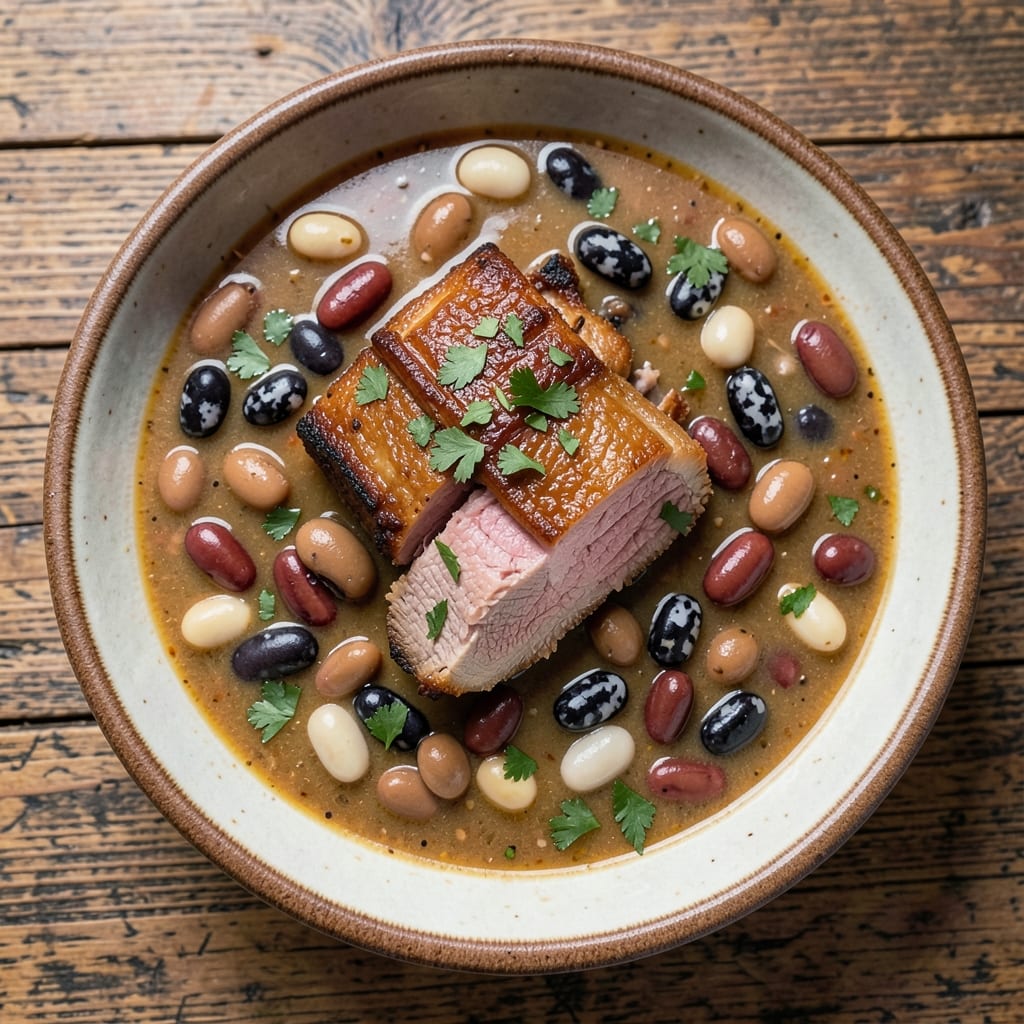
This 15 bean soup recipe with pork delivers the kind of soul-warming comfort that turns ordinary weeknights into special occasions. The slow-simmered magic happens when 15 varieties of beans—from navy to lima—marry tender pork shoulder and aromatic spices into a rich, hearty broth that tastes even better the next day. I perfected this recipe after years of testing, balancing traditional techniques with modern shortcuts to ensure it’s both authentic and foolproof.
The secret lies in the layers: browning the pork for deep flavor, soaking the beans overnight (or using canned for convenience), and simmering everything together for hours until the beans are tender and the broth is velvety. This isn’t just soup—it’s a one-pot masterpiece that feeds a crowd, reheats beautifully, and feels like a hug in a bowl. The pork adds richness, while the beans provide plant-powered substance, making it a meal that satisfies everyone at the table.
What makes this recipe stand out is its versatility. Stick to tradition with the pork, or swap it for smoked sausage or even mushrooms for a vegetarian twist. The spices—bay leaves, thyme, and black pepper—build complexity as they simmer, while a splash of vinegar at the end brightens the flavors. By the time you’re ladling it into bowls, you’ll have a soup so deeply flavorful, it’ll become a staple in your rotation.
Ready in about 3 hours (mostly hands-off time), this recipe is perfect for cold evenings, holiday gatherings, or meal prepping. The leftovers taste even better, so plan to make extra. Here’s how to bring this comforting classic to life in your kitchen.
Ingredients for 15 bean soup recipe with pork
Fifteen varieties of beans, rich pork, and aromatic spices create a deeply satisfying one-pot meal.
| Ingredient | Amount | Notes |
|---|---|---|
| Pork Shoulder 🐖 | 2 lb | Bone-in, well-marbled preferred |
| Dried Navy Beans 🌾 | 1 cup | Soaked overnight or canned |
| Dried Kidney Beans 🌾 | ½ cup | Soaked overnight or canned |
| Dried Lima Beans 🌾 | ½ cup | Soaked overnight or canned |
| Dried Black-Eyed Peas 🌾 | ½ cup | Soaked overnight or canned |
| Dried Great Northern Beans 🌾 | ½ cup | Soaked overnight or canned |
| Dried Pinto Beans 🌾 | ½ cup | Soaked overnight or canned |
| Dried Chickpeas 🌾 | ½ cup | Soaked overnight or canned |
| Dried Lentils 🌾 | ½ cup | Green or brown preferred |
| Yellow Onion 🧅 | 1 whole | Diced, medium yellow preferred |
| Carrots 🥕 | 3 whole | Peeled, chopped into chunks |
| Celery Stalks 🧆 | 3 whole | Chopped, including leaves |
| Garlic Cloves 🧄 | 6 cloves | Minced, fresh preferred |
| Bay Leaves 🌿 | 2 whole | Fresh or dried, high-quality |
| Fresh Thyme 🌿 | 1 tbsp | Leaves only, or 1 tsp dried |
| Ground Black Pepper 🌶️ | 1 tsp | Freshly ground preferred |
| White Vinegar 💧 | 1 tbsp | For brightness, distilled preferred |
| Olive Oil 🫒 | 2 tbsp | Extra-virgin for browning pork |
| Salt 🧂 | 2 tsp | Kosher or sea salt, adjust to taste |
| Water 💧 | 8 cups | Or low-sodium chicken broth |
The pork shoulder is the foundation—look for bone-in, well-marbled cuts at your butcher or Costco for the best flavor. Trader Joe’s often carries pre-cut pork shoulder that’s perfect for this recipe. The beans are the heart of this dish, and while dried beans develop richer flavor, canned beans in a pinch work fine if soaked overnight. For a shortcut, use a mix of canned beans and reduce the water slightly. The fresh thyme adds depth, but dried thyme at one-third the amount is a solid substitute if you’re in a hurry. Don’t skip the bay leaves—they’re essential for that classic soup aroma.
No pork? Smoked sausage or mushrooms make excellent substitutes, though the flavor profile shifts slightly. The white vinegar is key for brightness—apple cider vinegar works too, but distilled is more neutral. If you’re using canned beans, rinse them well to remove excess sodium. The olive oil should be extra-virgin for browning the pork—it adds a fruity depth that regular olive oil can’t match. For the onions, carrots, and celery, you can use frozen chopped vegetables if needed, though fresh is ideal. The garlic should be freshly minced for the best flavor, but garlic powder at half the amount is a decent backup.
This soup tastes even better the next day, so make a big batch—it reheats beautifully. Store in an airtight container in the fridge for up to 5 days or freeze for 3 months. The flavors deepen over time, making it perfect for meal prep. For serving, top with fresh parsley or a sprinkle of Parmesan cheese if you’re not keeping it strictly vegetarian. The pork fat will solidify in the fridge, so skim it off before reheating if you prefer a lighter broth.
Why You'll Love This Recipe
- One-Pot Magic: I swear by this—just toss everything in a big pot, add water, and let it do the work. No fancy prep, no chopping frenzy, just simmer and savor. The pork shoulder practically melts into tender shreds while those dried beans soak up all the smoky, garlic-kissed broth.
- Pork & Beans Harmony: That first bite? Rich, meaty pork shoulder balanced by the earthy, creamy texture of lima beans and the peppery bite of kidney beans. It’s like a hug in a bowl—savory, hearty, and impossible to resist.
- Meal Prep MVP: Between us, this soup gets better the next day. I make a double batch on Sundays, and by Wednesday, it’s the star of my lunch. Freezes like a dream too—just reheat and serve, no fuss.
- Budget-Friendly Feast: Pork shoulder on sale? Grab it. Dried beans in bulk? Stock up. This recipe stretches every ingredient into a full week’s worth of lunches without breaking the bank. Plus, the leftovers? Pure gold.
Step-by-step instructions for slow-cooked 15 bean soup with pork
This method transforms tough pork into tender, flavorful bites while developing a rich, aromatic broth.
Prepare the Pork Shoulder for Maximum Flavor
Pat the 2 lb pork shoulder completely dry with paper towels—this helps create a better sear. Season generously with 2 tsp salt and 1 tsp ground black pepper, pressing the seasoning into all sides, including any crevices. Let it sit at room temperature for 30 minutes while you prepare the vegetables.
Heat a large Dutch oven over medium-high heat and add 2 tbsp olive oil. Once the oil shimmers, add the pork shoulder and sear for 5-6 minutes per side until deeply browned. This caramelization forms the foundation of your soup's flavor. Remove the pork and set aside on a plate.
Sauté the Vegetable Base
In the same Dutch oven, add the chopped 3 whole carrots, 3 whole celery stalks, and 1 whole yellow onion. Cook over medium heat for 8-10 minutes, stirring occasionally, until the vegetables soften and begin to caramelize. This step builds depth of flavor through the Maillard reaction.
Add the 6 cloves minced garlic, 1 tbsp fresh thyme, and 2 whole bay leaves. Stir for 30 seconds until fragrant—garlic should turn golden without burning. This aromatic base will infuse the entire soup with complexity. Remove the vegetables and set aside with the pork.
Combine Beans and Liquid for Simmering
Return the Dutch oven to medium heat and add the 1 cup dried navy beans, 0.5 cup dried kidney beans, 0.5 cup dried lima beans, 0.5 cup dried black-eyed peas, 0.5 cup dried great northern beans, 0.5 cup dried pinto beans, 0.5 cup dried chickpeas, and 0.5 cup dried lentils. Stir to coat the beans with the vegetable juices.
Pour in 8 cups water and add 1 tbsp white vinegar. Bring to a boil, then reduce heat to low. Return the pork shoulder and sautéed vegetables to the pot. The liquid should just cover the ingredients—if it looks too thin, add 1 more cup water. Cover and simmer for 2 hours before checking the beans.
Cook Until Beans Are Tender and Pork Is Fall-Apart
After 2 hours, check the beans for tenderness. They should be soft but still hold their shape—if some varieties are still firm, add 1 more cup water and continue simmering for another 30-45 minutes. The pork should be fork-tender, easily pulling apart at the bone.
Remove the pork shoulder and shred the meat using two forks, discarding any large fat chunks or bone fragments. Return the shredded pork to the pot and stir gently. Taste and adjust seasoning with additional salt if needed. The soup should be rich but not overly salty—remember that beans absorb flavor gradually.
Finish and Serve with Perfect Texture
Simmer uncovered for 10-15 minutes to allow excess liquid to evaporate slightly, creating a thicker, more cohesive soup. This final reduction concentrates the flavors and ensures each spoonful delivers maximum depth. Remove and discard the bay leaves before serving.
Ladle the soup into bowls, ensuring each serving contains a generous portion of pork, beans, and vegetables. The perfect bowl should have tender pork that falls apart at the first bite, beans that are creamy but still hold their shape, and a broth that coats the back of your throat with savory warmth. Serve immediately for the best texture and flavor experience.
Pro Tips For Making 15 Bean Soup Recipe With Pork
- COOK PORK LOW AND SLOW: I learned this the hard way—pork shoulder needs time, not heat. Simmer it at 300°F (150°C) for 8–10 hours until it falls apart with a fork. Rushing it turns the meat tough, and no one wants that in a soup where tenderness is everything.
- SOAK BEANS SEPARATELY: Not all beans play nice together. Soak navy beans and lima beans overnight (they’re tougher), but just cover black-eyed peas and kidney beans in water for 1–2 hours—they soften faster. Drain and rinse before adding them to the pot, or the soup will taste like a muddy swamp.
- SKIP THE CROWDED POT: I used to toss all the beans in at once, and they’d turn to mush before the pork was done. Instead, add beans in batches: start with the toughest (navy, lima) first, then the softer ones (kidney, black-eyed peas) 2–3 hours later. This keeps texture balanced and avoids a gluey disaster.
- SEAR THE PORK FIRST: A quick sear in a hot pot locks in flavor and prevents the pork from turning into a sad, gray slab. Pat it dry, then brown it on all sides in oil before adding liquid—it makes the soup taste like it was simmered for days, not hours. (Yes, even if you’re impatient like me.)
Troubleshooting this recipe
Mushy Beans Fix
If your beans turn out mushy, it’s usually from overcooking or too much liquid. Strain half the beans after 2 hours of simmering, reserving the broth, and return them to the pot with 1 cup fresh water or broth. Simmer uncovered for 10-15 minutes—this evaporates excess moisture while keeping the beans tender but firm. For extra texture, add ½ cup diced celery or carrots in the final 30 minutes of cooking. 💫
Pork Too Tough
Tough pork happens when it’s cooked too fast or not rested properly. Reverse sear the pork shoulder first: bake at 275°F for 2 hours before browning in a hot pan. For extra tenderness, shred the pork while still warm and return it to the pot with 1 tbsp apple cider vinegar to break down fibers. If the meat is still chewy, simmer it in the broth for another 15 minutes covered. 🔥
Broth Too Thin
A watery soup often means too much liquid or beans that soaked up broth. Reduce the broth by simmering uncovered for 20-30 minutes after removing the pork. For a thicker base, mash ½ cup of beans lightly with a fork to release starches. If the soup is still thin, stir in 1 tbsp cornstarch mixed with 2 tbsp water and simmer for 5 minutes. 💡
Flat or Bland Flavor
Bland soup usually means underseasoned broth or weak aromatics. Boost depth by adding 1 tsp smoked paprika or ½ tsp liquid smoke during the last 30 minutes of cooking. For brightness, stir in 1 tbsp lemon juice or extra white vinegar at the end. If the pork lacks flavor, brown it longer next time or add 1 tsp Worcestershire sauce to the broth. 🌶️
Beans Not Cooking Evenly
Different beans cook at different rates, so soak them separately for 8 hours (or overnight) before combining. If some beans are still firm, remove them, chop them, and return to the pot with ½ cup extra water for another 20 minutes. For a shortcut, use a mix of pre-cooked canned beans** (like black-eyed peas and kidney beans) alongside dried varieties. 🌾
Nutrition facts
Frequently asked questions
Can I use canned beans instead of dried for this recipe?
Yes, you can absolutely use canned beans for convenience! Just rinse them thoroughly to remove excess sodium, then combine them with the dried varieties. For best results, use a mix of canned beans (like kidney, black-eyed peas, and chickpeas) alongside the dried ones to maintain texture variety. Adjust the liquid by reducing to 6 cups water since canned beans release moisture.
How do I store and reheat leftovers?
Store leftovers in an airtight container in the fridge for up to 5 days or freeze for 3 months. To reheat, warm gently on the stove over medium-low heat, stirring occasionally, until bubbly. Add a splash of water or broth if it thickens too much. The flavors actually improve after the first day, making this perfect for meal prep!
What if I don't have a Dutch oven?
No problem! Use a large, heavy pot with a tight-fitting lid. For even better results, choose a pot with thick sides to maintain consistent heat. If your pot is thin, reduce the heat slightly to prevent boiling over during the long simmer. A slow cooker also works—just brown the pork separately and add everything to cook on low for 6-8 hours.
Can I make this soup vegetarian?
Replace the pork with smoked sausage (for smoky depth) or mushrooms (sautéed with garlic). For extra protein, add ½ cup cooked lentils or 1 cup crumbled tempeh. Keep the same cooking method, but reduce simmering time to 1.5 hours since vegetarian proteins cook faster. The beans will still be the star!
Why does the recipe call for so many different beans?
The variety creates a perfect balance of textures and flavors! Each bean brings something unique—kidney beans add earthiness, black-eyed peas offer creaminess, and lentils provide heartiness. Using multiple types also ensures the soup has visual appeal and nutritional diversity. For a shortcut, use a pre-mixed bean blend or focus on 3-4 varieties if 15 feels overwhelming.