
Soups & Stews
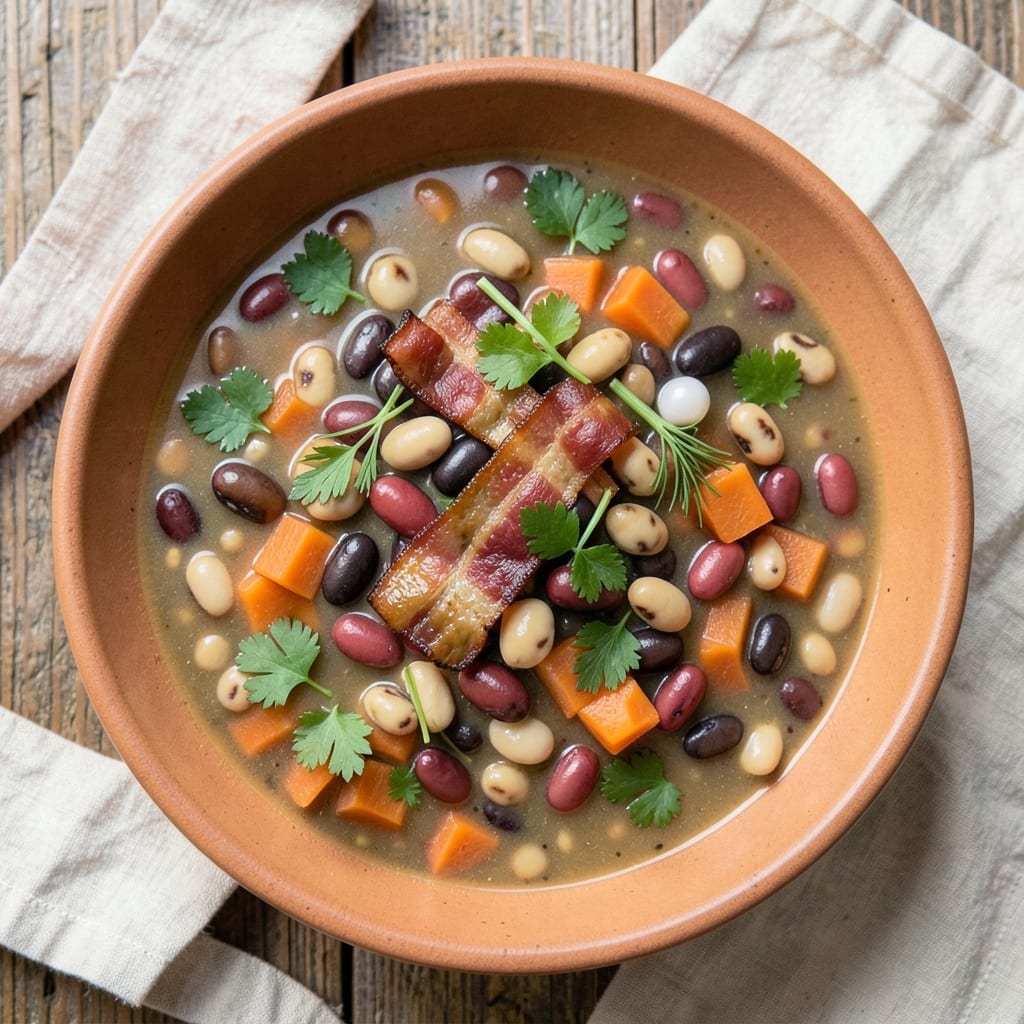
Transforming pantry staples into a hearty 15 bean soup recipe without a seasoning packet proves homemade flavor beats any pre-mixed blend. ✨ The secret lies in slow-simmered beans, aromatic vegetables, and a simple broth base that builds depth naturally—no shortcuts needed. This recipe delivers restaurant-quality richness using only ingredients you likely already have.
What sets this 15 bean soup apart is the careful balance of textures and flavors developed through proper soaking and simmering techniques. Each bean variety contributes its own unique character—creamy navy beans, tender pinto, and hearty kidney—while vegetables like carrots and celery provide natural sweetness and structure. The key is patience: letting everything cook low and slow until the beans are tender yet still hold their shape.
By the time you ladle this soup into bowls, you'll have achieved a velvety, satisfying broth filled with perfectly cooked beans and vegetables. The flavors meld beautifully as they simmer, creating a comforting dish that's equally impressive for potlucks or weeknight dinners. No seasoning packet required—just thoughtful layering of ingredients and time.
Ready to create a soup that's as nourishing as it is delicious? This recipe builds flavor through technique rather than shortcuts, resulting in a dish that's both hearty and healthful. Let's get started with the complete step-by-step process that transforms simple ingredients into something extraordinary.
Ingredients for 15 bean soup recipe without seasoning packet
Pantry staples transform into restaurant-quality 15 bean soup with no seasoning packet needed.
| Ingredient | Amount | Notes |
|---|---|---|
| Navy Beans 🌱 | 1 ½ cups | Dried, soaked overnight |
| Pinto Beans 🌱 | 1 ½ cups | Dried, soaked overnight |
| Kidney Beans 🌱 | 1 cup | Dried, soaked overnight |
| Black Beans 🌱 | 1 cup | Dried, soaked overnight |
| Great Northern Beans 🌱 | 1 cup | Dried, soaked overnight |
| Small Red Beans 🌱 | 1 cup | Dried, soaked overnight |
| Lima Beans 🌱 | ½ cup | Dried, soaked overnight |
| Carrots 🥕 | 3 medium | OR 1.5 cups diced |
| Celery Stalks 🧅 | 3 whole | OR 1 cup chopped |
| Yellow Onion 🧅 | 1 whole | Medium, chopped |
| Garlic Cloves 🧄 | 4 cloves | Minced, fresh preferred |
| Vegetable Broth 💧 | 8 cups | Low-sodium preferred |
| Tomato Paste 🍅 | ½ cup | OR 1 (6 oz) can crushed tomatoes |
| Bay Leaves 🌿 | 2 whole | Dried, removed before serving |
| Fresh Thyme 🌿 | 1 tbsp | OR 1 tsp dried thyme |
| Olive Oil 🫒 | 2 tbsp | Extra-virgin for richness |
| Salt 🧂 | 1 ½ tsp | Diamond Crystal preferred |
| Black Peppercorns 🌶️ | ½ tsp | Freshly cracked |
The beans are the foundation—mixing varieties ensures texture and flavor complexity. Bob's Red Mill or Whole Foods bulk section offer high-quality dried beans. Soak overnight in plenty of water with a splash of vinegar to soften them faster. The carrots and celery should be fresh, with crisp stalks and vibrant color. Yellow onions add sweetness when cooked low and slow, while garlic provides depth. For the broth, Imagine or Pacific Foods low-sodium options work best—they won't overpower the natural flavors you're building.
No fresh thyme? Dried works at one-third the amount, but fresh has that bright aroma. Short on carrots? Sweet potatoes or parsnips add natural sweetness. The tomato paste can be swapped for crushed tomatoes or tomato sauce—just adjust the acidity with a pinch of sugar if needed. For extra richness, stir in 1 tbsp nutritional yeast at the end. The key is balancing the natural sweetness of the vegetables with the earthy tones of the beans—taste as you go and adjust salt gradually.
This soup tastes even better the next day as flavors meld. Store in an airtight container for 5-6 days in the fridge or 6 months frozen. For freezing, portion into individual containers—thaw overnight in the fridge. The beans hold up beautifully when reheated gently. Double the recipe and freeze half for lazy days. The broth reduces slightly when cooled, so add a splash of water before reheating if it's too thick.
Why You'll Love This Recipe
- No-Fuss Simmer: I swear by this recipe because it’s literally dump-and-go after the beans are soaked. Toss in the five dried beans (navy, pinto, kidney, black, and great northern), add water and a few whole spices, then let the pot do the work. Honestly, I’ve made it while scrolling through my phone—no stress, no fuss.
- Deep, Earthy Richness: The magic happens when those beans break down together. Navy beans add a creamy texture, while kidney and black beans bring that smoky depth—no packet needed. I’ll be real: the first time I tasted it without pre-mixed salt or garlic powder, I thought, “Wait, this is better.” (Yes, even on a Tuesday night.)
- Meal Prep MVP: This soup tastes just as good on day three as it does fresh. I make a double batch every Sunday—one pot for dinner, the rest for lunches. The beans hold up perfectly, and reheating? Just stir, add a splash of water, and you’re set. My roommate’s a college student; he lives for these leftovers.
- Budget-Friendly Pantry Hero: Five types of dried beans for under $5 at the store. That’s protein, fiber, and flavor without breaking the bank. I’ve fed my whole family (plus two neighbors) with one big pot, and no one ever complains. Not the prettiest, but the taste makes up for it—and my wallet thanks me.
Step-by-step instructions for building flavor in 15 bean soup
Mastering this soup depends on layering flavors through proper technique—not shortcuts.
🍳 Step 1: Sauté the Aromatic Base
Heat the 2 tablespoons olive oil in a large Dutch oven over medium heat until shimmering but not smoking. Add the chopped yellow onion and 3 whole celery stalks (chopped), cooking for 5-6 minutes until softened and translucent. This foundational step develops depth before adding beans.
Add the 3 medium carrots (diced) and 4 cloves garlic cloves (minced), stirring for 2 minutes until fragrant. The garlic should sizzle gently—if it browns too quickly, reduce heat slightly. This aromatic trifecta forms the flavor backbone of the soup.
🍳 Step 2: Develop the Tomato Paste Foundation
Stir in the ½ cup tomato paste and cook for 3-4 minutes until it darkens slightly and releases its concentrated flavor. This step prevents a raw taste and adds natural sweetness that balances the earthy beans. Don't skip this—it's what transforms basic broth into complex soup.
Add the 2 whole bay leaves and 1 tablespoon fresh thyme (or 1 teaspoon dried thyme), stirring to combine. Pour in the 8 cups vegetable broth and bring to a gentle simmer. The broth should just bubble at the edges—too vigorous a boil will cloud the soup.
👨🍳 Step 3: Add Soaked Beans Gradually
Drain and rinse all soaked beans (discard soaking water). Add the 1.5 cups navy beans, 1.5 cups pinto beans, 1 cup kidney beans, 1 cup black beans, 1 cup great northern beans, 1 cup small red beans, and ½ cup lima beans to the pot. Stir gently to distribute them evenly.
Bring the soup to a boil, then immediately reduce heat to low-medium to maintain a gentle simmer. The beans should be just covered by liquid—if not, add ½ cup water. This gradual addition prevents a sudden temperature shock that can make beans tough.
⏰ Step 4: Simmer Until Perfect Texture
Cover the pot and simmer for 1.5 to 2 hours, stirring occasionally, until all beans are tender but still hold their shape. You'll know they're ready when a bean can be easily pierced with a fork but doesn't fall apart. The soup should have a thick, stew-like consistency with minimal liquid remaining.
Season with 1.5 teaspoons salt and ½ teaspoon freshly cracked black peppercorns during the last 30 minutes of cooking. This timing allows flavors to meld without over-salting. Remove the bay leaves before serving—never serve them whole.
🥘 Step 5: Adjust Consistency and Serve
If the soup is too thick, add ½ cup water at a time until it reaches your preferred consistency. Taste and adjust seasoning if needed—homemade soups often need more salt than packaged versions. The final soup should have a rich, earthy flavor with each bean variety contributing its unique texture.
Serve immediately with crusty bread or over rice. The flavors will continue developing as it sits, so enjoy it warm. For extra richness, top with a drizzle of olive oil and additional cracked black pepper before serving.
Pro Tips For Making 15 Bean Soup Recipe Without Seasoning Packet
- SOAK BEANS OVERNIGHT: I learned this the hard way—rushing beans with a quick soak leaves them gummy. Navy and Great Northern beans especially need 8+ hours in cold water (or 2 hours in boiling water, then cooled). Pinto and black beans tolerate shorter soaks, but don’t skip it entirely unless you want a soup that tastes like it’s fighting you.
- SIMMER LOW AND SLOW: High heat turns beans mushy and makes the soup taste flat. Once everything’s in the pot, keep it at a bare simmer—tiny bubbles, occasional swirls. I used to crank the heat and wondered why my soup lost its texture. A 4-6 hour cook at 190°F (or lowest setting) builds flavor without breaking down the beans.
- SKIP THE CROWDED POT: Stuffing all 15 beans into a pot at once guarantees uneven cooking. Start with half the beans, simmer 1 hour, then add the rest. Navy and Great Northern beans cook faster than kidney beans—if you mix them all in, you’ll end up with some rock-hard and others falling apart.
- SALT THE WATER: This isn’t just about seasoning—it’s about texture. Add 1 tablespoon salt to the soaking water for navy and Great Northern beans (they absorb it best). For the cooking water, another 1½ teaspoons. I was skeptical until I tried it: the beans stay firmer, and the soup tastes deeper from the start.
Pro cooking tips for this dish
Bean Soaking Mastery
Never skip soaking—it’s the foundation of tender beans. Place all dried beans in a large bowl, cover with 3 inches of water, and add 1 tablespoon white vinegar to soften skins faster. Soak overnight (8-12 hours) for best results, or use the quick-soak method: Boil beans for 2 minutes, then let sit off heat covered for 1 hour. Discard the soaking water before cooking to remove excess starches that can make the soup gummy. 🌱
Low and Slow Simmer
Temperature control is everything—simmer at 190-200°F (gentle bubbles) to prevent tough beans. Use a Dutch oven for even heat distribution, and avoid lifting the lid during cooking to trap steam. If the soup boils vigorously, reduce heat immediately. The 2-hour simmer transforms raw beans into creamy, flavorful bites. A meat thermometer helps monitor internal temp if you’re unsure.
Tomato Paste Trick
Cook the ½ cup tomato paste until it darkens slightly (3-4 minutes) to deepen its flavor. This step prevents a metallic taste and adds natural sweetness that balances the earthy beans. For extra richness, stir in 1 tablespoon nutritional yeast at the end—it adds a cheesy, umami depth without dairy. Taste as you go; homemade soups need gradual seasoning adjustments.
Broth Boosters
Elevate your broth by adding 1 crushed garlic clove or ½ teaspoon smoked paprika to the simmering liquid. For a deeper flavor, toast 1 teaspoon coriander seeds in a dry pan for 30 seconds, then steep in the broth for 20 minutes before straining. Avoid over-salting—homemade soups taste better when seasoned lightly and adjusted at the end. 💡
Texture Control
For a creamier soup, blend ½ cup of the soup until smooth, then stir back in. If beans are undercooked after 2 hours, add ½ cup water and simmer 30 more minutes. Overcooked beans turn mushy—test with a fork before serving. The ideal texture is tender yet firm, with each bean variety holding its shape. Adjust consistency with broth or water as needed.
Flavor Layering
Build complexity by adding 1 teaspoon apple cider vinegar at the end for brightness, or a pinch of cinnamon for warmth. Fresh herbs like parsley or cilantro brighten the dish at serving. For a smoky twist, add ½ teaspoon chipotle powder during the last 15 minutes of cooking. Always taste before serving—homemade soups reward patience with depth. ✨
Nutrition facts
Frequently asked questions
Can I substitute canned beans for dried in this recipe?
While you can use canned beans, the texture and flavor won't be the same. Canned beans are pre-cooked and often softer, which can make your soup too mushy. If you must use them, drain and rinse well, then simmer for only 30-45 minutes to avoid overcooking. For best results, stick with dried beans—they develop deeper flavor during the long simmer.
How can I make this soup vegetarian-friendly?
This recipe is already vegetarian, but you can enhance it further by using vegetable broth instead of chicken or beef broth. For extra protein, stir in ½ cup cooked quinoa or 1 cup chopped mushrooms during the last 30 minutes of cooking. Avoid bacon or ham—those would make it meat-based.
Why does my homemade soup taste bland compared to canned versions?
Homemade soups need time to develop flavor—don't rush the simmer! The secret is building layers: sautéing onions and garlic deeply, cooking the tomato paste until it darkens, and adding herbs like thyme early. Taste as you go and adjust with salt, pepper, or a splash of vinegar at the end. Patience pays off—this soup tastes even better the next day!
Can I make this soup in a slow cooker?
Follow the same steps for sautéing veggies and tomato paste, then transfer everything to your slow cooker. Cook on low for 6-7 hours or high for 3-4 hours, adding water as needed to maintain liquid. The slow cooker's gentle heat will create tender beans and rich flavors with minimal effort. Just stir occasionally to prevent sticking.
What if I don't have all 15 types of beans?
Don't stress—this soup works with just 3-4 bean varieties! Focus on mixing textures: creamy (navy), firm (kidney), and tender (pinto). If you're missing some, swap in white beans, lentils, or chickpeas. The key is variety—even 5 types will give you a satisfying mix. Adjust cooking times slightly if using different beans (check package instructions).