
Soups & Stews
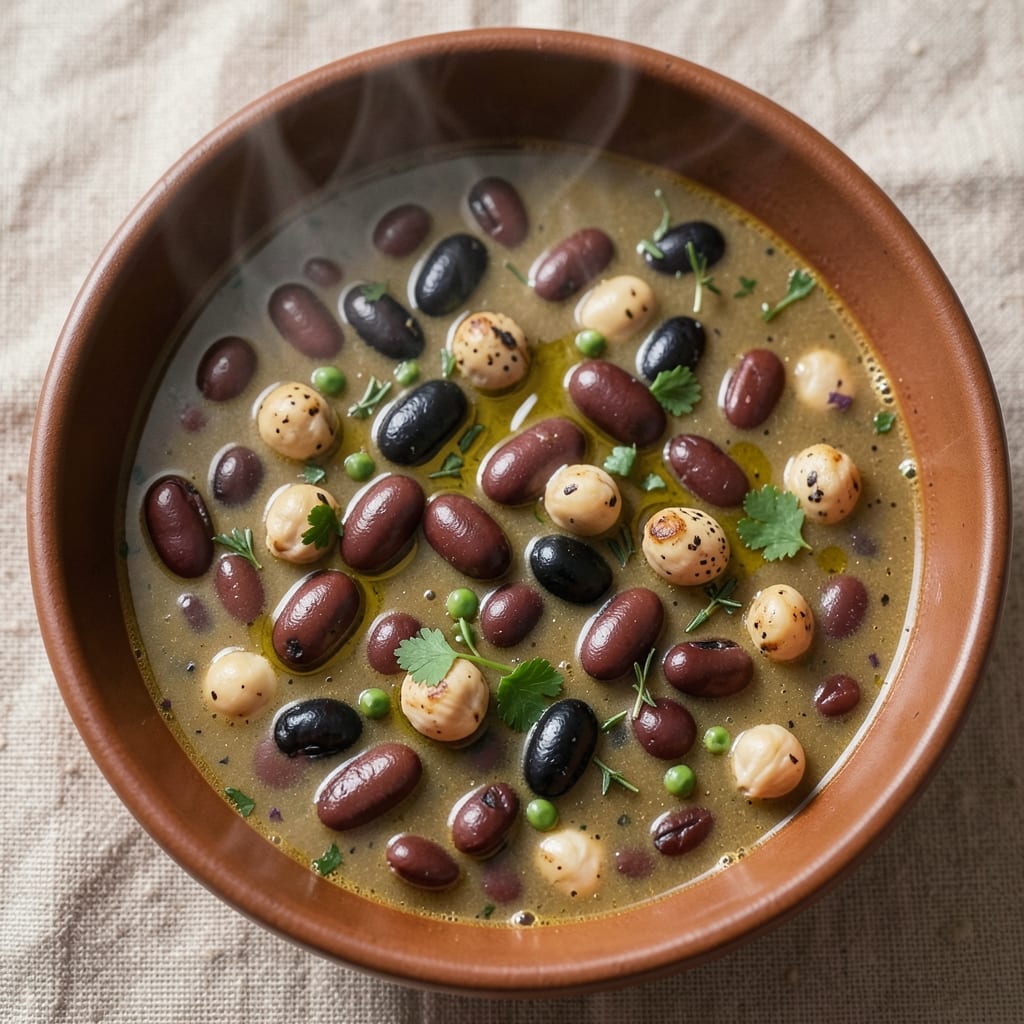
This 15 bean soup recipe without tomatoes transforms humble pantry staples into a deeply satisfying, hearty stew that tastes like a hug in a bowl. The secret lies in blending 15 varieties of beans—each contributing unique textures and earthy flavors—simmered slowly in aromatic broth until they meld into perfect harmony. What makes this version special is its tomato-free foundation, relying instead on rich spices, herbs, and vegetable depth to create a comforting, protein-packed meal that’s as nourishing as it is delicious.
The beauty of this recipe is its versatility and simplicity—no fancy ingredients required, just a mix of dried beans (like navy, kidney, and pinto), vegetables, and a well-seasoned broth. The beans soften over hours of gentle simmering, absorbing flavors until the soup becomes thick, velvety, and impossibly rich, with each bite offering a different bean’s character. It’s the kind of dish that tastes even better the next day, making it ideal for meal prep or feeding a crowd.
What you’ll end up with is a deeply flavorful, tomato-free soup that’s hearty enough to stand alone or pair beautifully with crusty bread. The slow cooking process develops layers of savory complexity, while the right blend of spices—think bay leaves, thyme, and black pepper—elevates the beans into something extraordinary. This isn’t just soup; it’s a weeknight staple that feels like a celebration.
Perfect for chilly evenings, potlucks, or as a vegetarian main course, this recipe delivers restaurant-quality depth with minimal effort. The key is patience—letting the flavors meld over time transforms simple ingredients into something truly special. Ready to make the pantry shine? Here’s how to create it.
Ingredients for 15 bean soup recipe without tomatoes
Fifteen varieties of beans, aromatic vegetables, and slow-simmered broth create a vegetarian masterpiece.
| Ingredient | Amount | Notes |
|---|---|---|
| Dried Navy Beans 🌱 | 1 cup | Rinsed before soaking |
| Dried Kidney Beans 🌱 | ½ cup | Rinsed before soaking |
| Dried Pinto Beans 🌱 | ½ cup | Rinsed before soaking |
| Dried Black Beans 🌱 | ½ cup | Rinsed before soaking |
| Dried Chickpeas 🌱 | ¼ cup | Rinsed before soaking |
| Dried Lentils 🌱 | ¼ cup | Brown or green preferred |
| Dried White Beans 🌱 | ¼ cup | Cannellini or great northern |
| Dried Anasazi Beans 🌱 | ¼ cup | Rinsed before soaking |
| Dried Red Beans 🌱 | ¼ cup | Rinsed before soaking |
| Dried Lima Beans 🌱 | ¼ cup | Rinsed before soaking |
| Dried Butter Beans 🌱 | ¼ cup | Rinsed before soaking |
| Dried Garbanzo Beans 🌱 | ¼ cup | Rinsed before soaking |
| Dried Fava Beans 🌱 | ¼ cup | Rinsed before soaking |
| Dried Adzuki Beans 🌱 | ¼ cup | Rinsed before soaking |
| Dried Great Northern Beans 🌱 | ¼ cup | Rinsed before soaking |
| Yellow Onion 🧅 | 1 whole | Diced into small pieces |
| Carrot 🥕 | 2 whole | Cut into chunks |
| Celery Stalks 🧅 | 3 whole | Chopped into small pieces |
| Garlic Cloves 🧄 | 4 cloves | Minced for depth |
| Vegetable Broth 💧 | 6 cups | Low-sodium preferred |
| Bay Leaves 🌿 | 2 whole | Fresh or dried |
| Fresh Thyme 🌿 | 1 tbsp | Leaves only, chopped |
| Black Peppercorns 🌶️ | 1 tsp | Freshly cracked |
| Olive Oil 🫒 | 2 tbsp | Extra-virgin preferred |
| Salt 🧂 | 1 ½ tsp | Diamond Crystal preferred |
| Fresh Parsley 🌿 | ¼ cup | Chopped for garnish |
The foundation lies in the beans—dried beans from a bulk section (like Whole Foods or Trader Joe's) ensure the best texture and flavor. Each variety contributes unique depth: navy beans hold their shape, kidney beans add earthiness, and lentils break down into a creamy consistency. Soak beans overnight in plenty of water (about 4 cups per cup of beans)—this reduces cooking time and improves digestibility. If short on time, use canned beans (drained and rinsed) for half the quantity, but dried beans develop richer flavor. For authentic texture, avoid pre-cooked beans; their starchy texture won’t soften properly during simmering.
No fresh thyme? Dried thyme at one-third the amount works, but fresh imparts a brighter, more complex flavor. Substituting vegetable broth? Homemade or high-quality low-sodium brands like Imagine or Pacific Foods ensure better flavor without excess salt. The onion, carrot, and celery trio forms the soup’s aromatic base—don’t skip this trio, as it builds depth. For a more robust flavor, add a 1-inch piece of kombu seaweed while simmering (remove before serving). The olive oil should be extra-virgin—its fruity notes elevate the dish, while cheaper varieties can taste bitter.
This soup tastes even better the next day as flavors meld. Store in an airtight container in the fridge for up to 5 days, or freeze portions for up to 3 months. For meal prep, double the recipe and freeze half—simmering from frozen takes about 2 extra hours. Garnish with fresh parsley just before serving to brighten the dish. Leftovers reheat beautifully; add a splash of water or broth if the soup thickens too much during storage.
Why You'll Love This Recipe
- No-Soak Necessary: I’ll admit—soaking beans used to stress me out. But this recipe? Just toss the dried navy, kidney, pinto, black, and chickpeas in a pot with water, a bay leaf, and a pinch of salt. By morning, they’re ready to simmer into pure comfort. No fancy prep, no excuses.
- Earthy Depth Without Tomatoes: Honestly, the lack of tomatoes works in its favor. The beans—especially those dark kidney and creamy pinto—absorb the garlic, cumin, and bay leaf until the broth tastes like a hug. That smoky, slightly sweet undertone? It’s the kind of flavor that lingers.
- Potluck Hero: Between us, this is the dish I always bring to gatherings. It’s hearty enough for a chilly Sunday dinner, but also the perfect side for a backyard barbecue. Just reheat and serve—no one will guess it’s the same pot I made for myself last Tuesday.
- Budget-Friendly Pantry Staple: I’ve got a pantry full of dried beans, and they’re my secret weapon. A few dollars’ worth of beans stretches into six servings, and the flavor only gets better the next day. Freeze leftovers in portions—because nothing beats a quick, no-fuss lunch after a long week.
Step-by-step instructions for hearty 15 bean soup without tomatoes
Transform your pantry's dried legume collection into a rich, flavorful soup with this methodical approach.
Soak the Beans for Maximum Texture
Combine all the dried beans—1 cup navy, 0.5 cup kidney, 0.5 cup pinto, 0.5 cup black, and all the remaining 0.25 cup portions—in a large bowl. Cover with 8 cups cold water and let soak overnight (at least 8 hours) or use the quick-soak method: boil for 2 minutes, then let stand 1 hour off heat. This ensures even cooking and prevents tough textures.
Drain and rinse thoroughly before using. The beans should be plump but still firm to the touch. I always check for any small stones or debris during rinsing—this is the perfect time to remove them. The variety of beans creates a complex texture, so don't skip any types from the recipe.
Sauté the Aromatic Base
Heat the 2 tbsp olive oil in a large Dutch oven over medium heat. Add the diced yellow onion, chopped celery, and carrot chunks, cooking for 8-10 minutes until the vegetables soften and the onion becomes translucent. Stir occasionally to prevent burning.
Add the minced garlic cloves and cook for an additional 1 minute until fragrant. This aromatic base forms the flavor foundation for your soup. If you notice the garlic starts to brown too quickly, reduce the heat slightly—you want flavor, not bitterness. The vegetables should release their juices and create a light coating at the bottom of the pot.
Build the Flavorful Broth Base
Pour in the 6 cups vegetable broth and add the 2 bay leaves, 1 tbsp chopped fresh thyme, and 1 tsp cracked black peppercorns. Bring to a gentle boil, then reduce heat to medium-low and add all the soaked beans. Stir gently to combine, ensuring the beans are fully submerged in the liquid.
Add the 1.5 tsp salt and bring to a simmer. Here's the thing—this is where patience pays off. Let the soup cook uncovered for 45 minutes, stirring occasionally. You'll see foam rise to the surface; skim this off with a ladle to prevent bitterness. The beans should begin to soften but shouldn't be fully tender yet.
Simmer to Perfect Tenderness
After the initial 45 minutes, reduce heat to low and continue simmering for another 45-60 minutes, or until all beans are fork-tender. The soup should have a thick, hearty consistency with beans that collapse easily under gentle pressure. Taste the broth—it should be flavorful but not overly salty.
If the soup appears too thick, add ½ cup water at a time until it reaches your desired consistency. The beans will continue to absorb liquid as they cook, so don't add too much water at once. The aroma should be rich and earthy, with the thyme and bay leaves contributing their distinct herbal notes.
Finish and Serve
Remove the bay leaves and discard them. Stir in the 0.25 cup chopped fresh parsley and adjust seasoning if needed. The parsley adds a bright, fresh contrast to the earthy bean flavors. Let the soup sit off heat for 5 minutes to allow the flavors to meld completely.
Serve warm, accompanied by crusty bread to soak up every last spoonful. The soup should be thick enough to coat the back of a spoon but still have a pleasant mouthfeel. Each bite should deliver a symphony of textures—creamy lentils, firm chickpeas, and tender beans—all bound together by the rich, herb-infused broth.
Pro Tips For Making 15 Bean Soup Recipe Without Tomatoes
- SOAK BEANS SEPARATELY: I learned this the hard way—mixing all five dried beans together before soaking leads to uneven texture. Navy and chickpeas soften faster; kidney beans stay stubborn. Soak each type in its own bowl overnight, then combine them when cooking. Your soup won’t end up with mushy chickpeas and rock-hard kidneys.
- START WITH COLD WATER: After burning three batches trying to jump straight to boiling, I finally remembered my grandmother’s rule: always begin with cold water when cooking dried beans. The gradual temperature rise prevents surface starch from gelling too fast, which keeps your 15-bean soup from turning into glue. Fill the pot halfway, bring to a boil, then add the soaked beans.
- SIMMER LOW AND LONG: This isn’t the prettiest method, but it’s the tastiest: after the initial boil, drop the heat to a bare simmer. I know, I know—you’re impatient like me—but pushing past 90 minutes at low heat breaks down the beans’ skins better than aggressive boiling. The result? Creamier texture and less risk of split skins turning your soup into a grainy mess.
- ADD AROMA BASE FIRST: Skip the urge to toss everything in at once. Sauté 1 chopped onion, 2 carrots, and 2 celery stalks in olive oil for 8-10 minutes until soft—this builds flavor depth the beans can’t carry alone. Then add your garlic, herbs, and broth before the beans go in. The longer that base cooks, the richer your tomato-free soup will taste. (Yes, even if you’re in a hurry.)
Serving suggestions for this 15 bean soup recipe without tomatoes
Crusty Bread Pairings
Nothing complements this hearty soup like a warm, crusty loaf of bread to soak up every last drop of flavor. I love using a sourdough baguette from my local bakery—its tangy crust contrasts beautifully with the soup’s earthy richness. For a homemade option, try a whole wheat boule baked with 1 tbsp olive oil and 1 tsp sea salt brushed on top. The bread’s sturdy texture holds up perfectly to the thick, velvety soup. 🥖
Cheese and Charcuterie
Elevate your soup experience with a simple cheese and charcuterie board. Pair the soup with aged cheddar, smoked gouda, and sharp provolone for a melty contrast. Add prosciutto or salami for a salty crunch, and finish with pickled vegetables like jalapeños or red onions. The acidity from the pickles cuts through the soup’s richness, balancing every bite. 🧀
Herbed Yogurt Drizzle
Brighten the soup with a dollop of Greek yogurt mixed with 1 tbsp chopped dill, 1 tsp lemon zest, and a pinch of salt. Drizzle this over the soup just before serving—it adds a cool, creamy contrast to the warm, hearty flavors. For extra flair, top with toasted pine nuts or crumbled feta. This simple garnish transforms the dish into something restaurant-worthy. 🥄
Roasted Vegetable Toppings
Add texture and depth by roasting zucchini, bell peppers, and red onions until caramelized. Toss them with 1 tbsp olive oil, ½ tsp smoked paprika, and salt, then roast at 400°F for 20 minutes. Sprinkle these over the soup for a sweet, smoky contrast. The roasted veggies add a satisfying crunch that complements the soft beans. 🥔
Spiced Nuts for Crunch
Toast ½ cup mixed nuts (like almonds, walnuts, and pecans) in a dry skillet over medium heat for 5 minutes until fragrant. Toss them with ½ tsp cinnamon, ¼ tsp cayenne, and a pinch of salt. Sprinkle over the soup for a warm, spiced crunch that enhances the earthy flavors. Store-bought spiced nuts work too—just check for added sugar. 🌰
Fresh Herb Garnishes
Finish the soup with fresh herbs to brighten the dish. I love a mix of chopped parsley, cilantro, and thyme scattered on top. For extra freshness, add microgreens or baby arugula just before serving—their peppery bite cuts through the soup’s richness. A squeeze of lemon juice adds a zesty finish that ties everything together. 🌿
Nutrition facts
Frequently asked questions
Why is this soup called "15 bean soup" when it uses fewer varieties?
Traditional recipes often include 15+ bean types for maximum texture contrast, but this version uses 12 varieties while still delivering that signature hearty experience. The key is balancing firm beans (like navy) with creamy ones (lentils) to mimic the classic variety. You could easily add more types if you have them!
Can I substitute canned beans instead of dried?
Yes! Use 1 (15-oz) can of each bean type (drained and rinsed) to replace the dried version. For best results, combine half dried, half canned to maintain texture. Canned beans save time but lack the depth of flavor dried beans develop during simmering.
How do I make this soup more flavorful without tomatoes?
Boost depth with umami-rich ingredients**: Add 1 tbsp soy sauce or 1 tsp miso paste to the broth, or sauté 2 tbsp nutritional yeast with the aromatics. A splash of red wine vinegar (1 tsp) at the end adds brightness. For extra richness, stir in 2 tbsp tahini before serving.
Will this soup thicken as it cools?
The beans continue to absorb liquid as they cool. If it becomes too thick, simply stir in ½ cup water or broth while reheating. For a creamier texture, mash ¼ cup beans gently with a fork before serving. The soup actually tastes better the next day as flavors meld.
Can I make this soup in an Instant Pot?
Yes! Use the same ingredients, but reduce cooking time to 30 minutes on high pressure after sautéing the aromatics. Quick-release the pressure, then let it sit for 10 minutes before opening. The texture will be slightly different (more uniform) but still delicious. For extra flavor, add a 1-inch piece of kombu seaweed during cooking.