
Soups & Stews
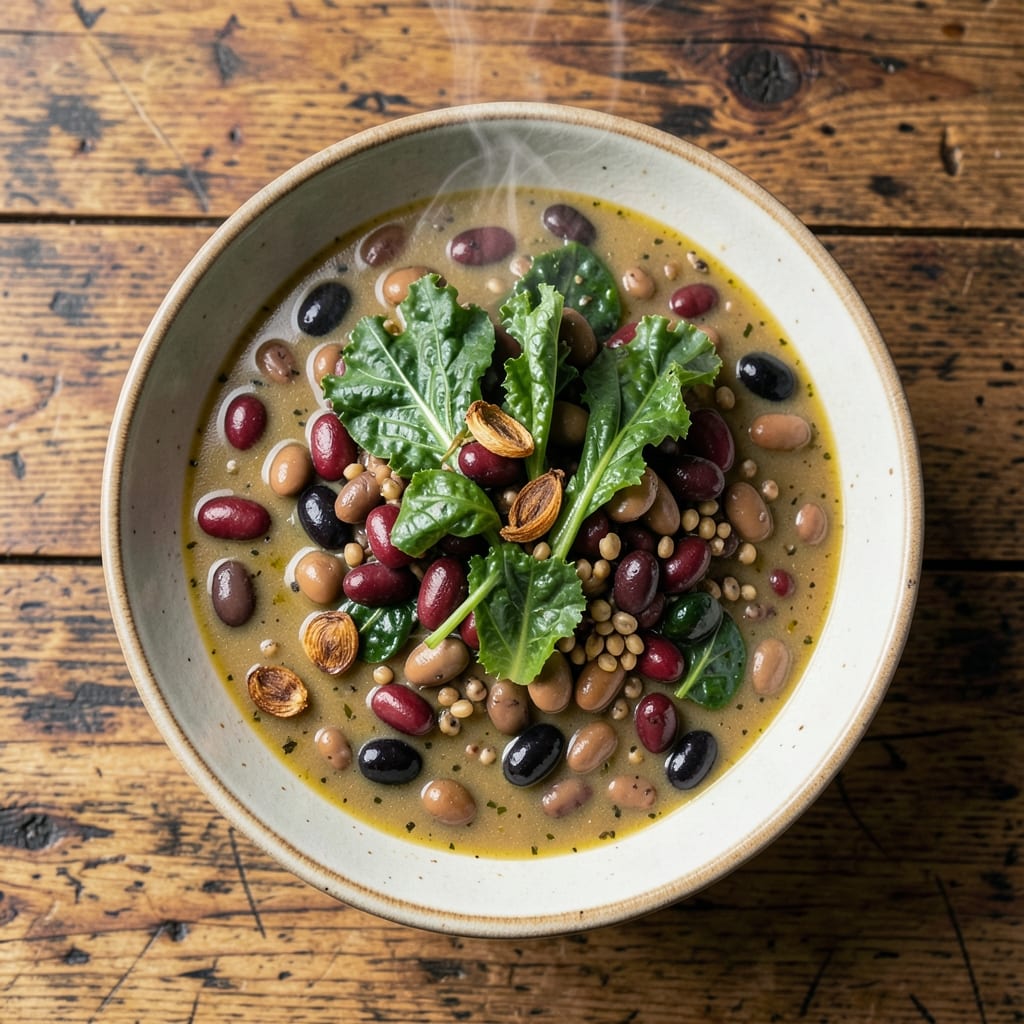
Fifteen bean soup with greens transforms humble pantry staples into a soul-warming winter staple that feeds both body and spirit. This recipe builds on generations of slow-cooked tradition, where dried beans soak up rich broth and develop deep, earthy flavors over hours of gentle simmering. The key lies in that perfect balance between tender beans, vibrant greens, and aromatic spices that create a dish so satisfying it becomes a weekly ritual.
What makes this version special is the combination of 15 different beans—from creamy navy to hearty pinto—each contributing its own texture and flavor profile. The greens (kale or collards work best) add freshness and nutrition, while a blend of bay leaves, thyme, and smoked paprika creates layers of complexity that elevate simple ingredients. Unlike quick versions, this method requires overnight soaking and 6-8 hours of simmering, but the results are worth every minute of patience.
The reward is a steaming bowl of hearty, fiber-rich soup with beans that practically melt in your mouth and greens that stay vibrant. Each spoonful delivers protein, iron, and warmth—perfect for chilly evenings or meal prep. The broth reduces to a rich, savory depth that coats every bean and leaf, while the spices linger on your palate long after the last bite.
Serve with crusty bread to soak up every last drop or alongside a simple green salad for contrast. For extra depth, finish with a drizzle of hot sauce or a sprinkle of fresh parsley. This is comfort food at its finest—simple enough to make regularly, but special enough to impress guests.
Ingredients for 15 bean soup with greens
Pantry staples meet soulful tradition in this 15-bean feast—where each ingredient adds texture and warmth.
| Ingredient | Amount | Notes |
|---|---|---|
| Dried Navy Beans 🌱 | 1 cup | Rinsed before soaking |
| Dried Pinto Beans 🌱 | 1 cup | Rinsed before soaking |
| Dried Black Beans 🌱 | 1 cup | Rinsed before soaking |
| Dried Kidney Beans 🌱 | ½ cup | Rinsed before soaking |
| Dried Chickpeas 🌱 | ½ cup | Rinsed before soaking |
| Dried Lentils 🌱 | ½ cup | Green or brown preferred |
| Dried Cannellini Beans 🌱 | ½ cup | Rinsed before soaking |
| Dried Great Northern Beans 🌱 | ½ cup | Rinsed before soaking |
| Dried White Beans 🌱 | ½ cup | Rinsed before soaking |
| Dried Lima Beans 🌱 | ¼ cup | Rinsed before soaking |
| Dried Butter Beans 🌱 | ¼ cup | Rinsed before soaking |
| Dried Anasazi Beans 🌱 | ¼ cup | Rinsed before soaking |
| Dried Red Beans 🌱 | ¼ cup | Rinsed before soaking |
| Dried Adzuki Beans 🌱 | ¼ cup | Rinsed before soaking |
| Fresh Kale 🥬 | 2 cups | Chopped, stems removed |
| Fresh Collard Greens 🥬 | 2 cups | Chopped, stems removed |
| Vegetable Broth 💧 | 6 cups | Low-sodium preferred |
| Onion 🧅 | 1 whole | Yellow or red, chopped |
| Carrot 🥕 | 2 whole | Chopped, medium size |
| Celery Stalk 🥬 | 2 whole | Chopped, stringy parts removed |
| Garlic Cloves 🧄 | 4 cloves | Minced, fresh preferred |
| Bay Leaves 🌿 | 2 whole | Dried, crushed slightly |
| Fresh Thyme 🌿 | 1 tbsp | Leaves only, chopped |
| Smoked Paprika 🌶️ | 1 tsp | For smoky depth |
| Ground Black Pepper 🌶️ | ½ tsp | Freshly ground preferred |
| Sea Salt 🧂 | 1 ½ tsp | Adjust to taste |
| Olive Oil 🫒 | 2 tbsp | For sautéing vegetables |
The beans are the heart of this dish, so look for high-quality dried beans at stores like Whole Foodsspecialty beans like Anasazi or adzuki add unique flavors worth hunting for. If you're short on time, pre-soaked beans from the bulk bins save hours—but overnight soaking is worth it for the best texture. Kale and collards? Pick the freshest bunches—the greener, the better. Store them in a damp paper towel in the fridge for up to 5 days if you're prepping ahead.
No smoked paprika? Regular paprika plus a pinch of liquid smoke works in a pinch. Fresh thyme too pricey? Dried thyme at half the amount still delivers. Short on carrots or celery? Swap for extra onion or potatoes—just keep the total vegetable volume around 3 cups. The broth is non-negotiable though—low-sodium vegetable broth is key. If you're using bouillon cubes, reduce the salt since the beans already add plenty. For extra richness, add a splash of balsamic vinegar at the end—trust me, it elevates everything.
This soup tastes even better the next day as flavors meld. Store leftovers in an airtight container in the fridge for up to 5 days or freeze for 3 months. I like to portion it into individual containers for easy lunches—just reheat with a splash of water or broth. The greens will wilt slightly when reheated, but a quick stir with a pat of butter (or olive oil) brings them back to life. For meal prep, make a double batch—it's that good.
Why You'll Love This Recipe
- Umami Bomb: Between us, that mix of navy, pinto, black, kidney, and chickpeas? It’s a flavor explosion waiting to happen. The earthy depth of the kidney beans pairs with the buttery sweetness of pintos, while the chickpeas add a satisfying crunch. Add smoked paprika and a bay leaf, and you’ve got a soup that tastes like it simmered all day—even if it didn’t.
- Meal Prep MVP: This soup is my secret weapon for busy weeks. Make a big batch on Sunday, and you’ve got lunch or dinner covered for four days. The flavors actually get better as it sits—yes, really. Pack it in jars for work, freeze half for later, or serve it at potlucks where everyone will ask for the recipe. (Spoiler: They won’t get it from me.)
- Pantry Goldmine: Honestly, this recipe turns dollar-store beans into a showstopper. No fancy ingredients, just dried beans you can buy in bulk and a handful of spices. It’s the kind of dish that makes you feel clever for stretching your grocery budget without sacrificing taste. Plus, the greens—kale, collards, or even spinach—add that fresh pop for pennies. Budget win, every time.
Step-by-step instructions for 15 bean soup with greens
This hearty soup comes together in layers of flavor and texture—start with the beans, build the broth foundation, then finish with vibrant greens.
Prepare and Soak the Beans
Combine all 15 types of dried beans (totaling 5 cups) in a large bowl. Rinse them thoroughly under cold water to remove any debris. Transfer to a large pot and cover with plenty of cold water—at least 12 cups—to ensure they're fully submerged. Let them soak for at least 8 hours or overnight in the refrigerator. Soaking reduces cooking time and makes the beans easier to digest. I like to soak them in the fridge because it helps prevent any off-flavors from developing.
Before cooking, drain and rinse the soaked beans again. This removes any residual starch that could make the soup cloudy. Give them a quick stir to separate any clumped beans. The soaked beans should now be plump and ready to transform into hearty, flavorful bites. If you're short on time, you can use the quick-soak method: boil the beans for 2 minutes, then let them sit off heat for 1 hour before draining and rinsing.
Sauté the Aromatics
Heat the 2 tablespoons olive oil in a large pot or Dutch oven over medium heat. Add the chopped onion, carrot, and celery stalk, stirring occasionally for 5-7 minutes until the vegetables soften and the onion becomes translucent. This step builds the flavor base for the entire soup, so don't rush it. You'll know it's ready when the vegetables release their natural juices and smell sweet and fragrant.
Add the minced garlic cloves and cook for another 30 seconds until the raw garlic smell disappears. Stir in the 1 teaspoon smoked paprika, 0.5 teaspoon ground black pepper, and 1.5 teaspoons sea salt, letting the spices toast in the oil for 1 minute. This step deepens the smoky, earthy flavors that will infuse the entire soup. If you notice the spices burning, reduce the heat slightly to keep them aromatic without scorching.
Simmer the Beans in Broth
Add the drained soaked beans to the pot along with the 6 cups vegetable broth. Bring the mixture to a boil over high heat, then immediately reduce the heat to low and cover the pot. Let the beans simmer for 1.5 to 2 hours, stirring occasionally to prevent sticking. The beans are done when they're tender but still hold their shape—you should be able to pierce them easily with a fork. If the soup reduces too much, add a little more broth or water to keep the beans submerged.
About 30 minutes into cooking, add the 2 whole bay leaves and 1 tablespoon fresh thyme. These herbs will infuse the broth with subtle, earthy notes that balance the richness of the beans. Taste the broth after 1 hour of cooking and adjust the seasoning if needed. The beans should be absorbing the flavors beautifully, turning the broth into a rich, savory elixir.
Add the Greens and Finish
Once the beans are tender, stir in the chopped kale and collard greens. Simmer uncovered for 5-7 minutes until the greens wilt and become tender. The greens should soften but still retain a slight bite—this ensures they add texture and nutrients without turning mushy. If the soup seems too thick, add a splash of broth or water to loosen it to your desired consistency.
Remove the bay leaves before serving, as their tough edges can be unpleasant to eat. Taste the soup one final time and adjust the seasoning with more sea salt or black pepper if needed. The finished soup should be hearty, flavorful, and packed with the earthy sweetness of the beans and the vibrant freshness of the greens. Serve it warm with crusty bread to soak up every last drop of that comforting broth.
Pro Tips For Making 15 Bean Soup With Greens
- Soak Beans Overnight: I learned this the hard way—rushing the soak with dried beans leaves them tough and chewy. Use a large bowl, cover with plenty of cool water (at least 3 inches over the top), and let them sit 12+ hours. The navy and pinto beans especially appreciate this extra time to soften evenly.
- Separate the Chickpeas: Chickpeas take longer to cook than the other beans, and if you mix them in too early, they’ll turn to mush. Soak them separately, then add them to the pot last—about 45 minutes before the soup finishes. This keeps them intact and adds a nice texture contrast.
- Simmer, Don’t Boil: After the initial boil, drop the heat to a gentle simmer. I used to keep it at a rolling boil, and the soup would turn cloudy and the beans would split open. A low simmer (barely any bubbles) keeps the broth clear and the beans whole—plus, it saves energy.
- Add Greens Late: Spinach or kale wilts into oblivion if you toss it in too early. Wait until the very end, stir it in for just 2-3 minutes, then turn off the heat. This keeps the greens vibrant and full of bite, not a sad, soggy afterthought.
Troubleshooting your 15 bean soup with greens
Beans Too Hard?
If your beans remain tough after simmering, they likely need more time or higher heat. First, check if they’re fully submerged—beans cooking above the broth won’t soften properly. If needed, add ½ cup more broth and simmer uncovered for another 30-45 minutes at a gentle boil. For extra-tender beans, try adding ½ teaspoon baking soda to the soaking water (rinse well before cooking). This trick speeds up softening but can make beans slightly softer. 💡
Broth Too Thin?
A watery soup usually means the beans released too much starch or the broth didn’t reduce enough. To fix it, let the soup simmer uncovered for 10-15 minutes to evaporate excess liquid. If it’s still too thin, mash ¼ cup of the beans with a fork to thicken naturally. For a quicker fix, stir in 1 tablespoon cornstarch mixed with 2 tablespoons water until smooth. Simmer for 2-3 minutes until thickened. 🥄
Greens Turning Mushy?
Overcooking greens is the usual culprit here. To prevent this, add them only 5-7 minutes before serving and keep the heat at a gentle simmer. For extra protection, blanch the greens first by boiling them for 1 minute, then shocking in ice water before adding to the soup. This preserves their texture while still allowing them to soften slightly. 🥬
Flat or Bland Flavor
If your soup lacks depth, it’s likely missing acidity or umami. Boost flavor by adding 1 tablespoon balsamic vinegar or 1 teaspoon soy sauce at the end. For umami, stir in ½ teaspoon miso paste or a splash of tomato paste during the final 10 minutes of cooking. A pinch of nutmeg or allspice also adds warmth. Taste as you go—adjust seasoning gradually! 🌶️
Skin or Film on Top?
This happens when the soup sits too long uncovered or cools unevenly. Stir in 1 tablespoon olive oil or a pat of butter to break the surface tension. For a quick fix, add a splash of cold water and stir vigorously—this disrupts the skin. To prevent it, always cover the pot while simmering and avoid stirring too vigorously, which can trap air and promote skin formation. 🔥
Preventing Future Issues
For foolproof results, always rinse beans after soaking to remove starch. Use a heavy-bottomed pot (like a Dutch oven) to prevent scorching. Keep the heat at a gentle simmer—never a rolling boil—to avoid breaking beans. Finally, taste and adjust seasoning in 3 stages**: after sautéing aromatics, after adding broth, and just before serving. This ensures balanced flavors every time. ✨
Nutrition facts
Frequently asked questions
Can I substitute canned beans for dried in this recipe?
You can use canned beans, but the texture and flavor won't be the same. Canned beans are pre-cooked and lack the deep, earthy flavor developed from slow simmering dried beans. If you must substitute, use 2 (15 oz) cans of each bean type (drained and rinsed), but add them only after the broth has simmered for 1 hour to let flavors meld. The soup will be ready in about 30 minutes after adding canned beans.
What greens work best besides kale and collards?
Spinach, Swiss chard, or even cabbage add great texture and nutrition! For heartier greens like Swiss chard, add them 5 minutes before serving. Lighter greens like spinach cook in just 2-3 minutes. Avoid wilted greens—they’ll turn mushy. If using frozen greens, thaw and drain them first, then add to the pot.
How can I make this soup vegetarian/vegan?
This recipe is already vegetarian, but to make it vegan, ensure your broth is vegetable-based (not chicken or beef). Check labels on smoked paprika and broth for hidden animal products. Olive oil is vegan-friendly, and all other ingredients listed are naturally vegan. For extra richness, stir in 1 tablespoon nutritional yeast at the end—it adds a cheesy, umami flavor.
Can I make this soup in an Instant Pot or slow cooker?
For an Instant Pot, sauté aromatics first, then add soaked beans, broth, and spices. Cook on high pressure for 30 minutes, then natural release. Add greens at the end. In a slow cooker, combine all ingredients after sautéing (except greens) and cook on low for 6-7 hours or high for 3-4 hours. Stir in greens just before serving to prevent overcooking.
Why do some recipes use fewer beans?
Traditional 15-bean soups often use fewer varieties (like just pinto, black, and kidney) for simplicity. The 15-bean mix here creates a complex texture and flavor profile—each bean contributes differently. Navy beans add creaminess, chickpeas bring crunch, and lentils add earthiness. If you prefer a simpler version, reduce to 5-6 bean types but keep the cooking time similar for best results.