
Soups & Stews
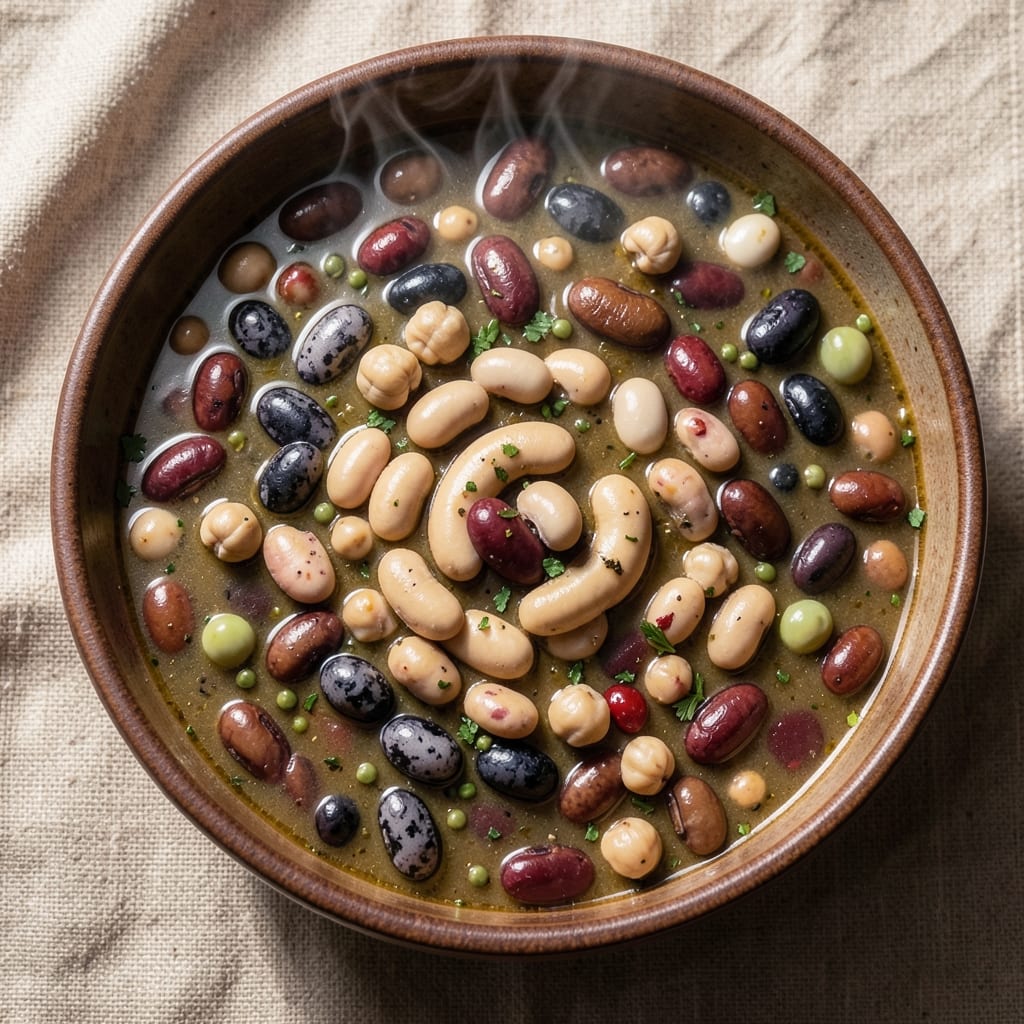
This 15 bean vegetable soup transforms humble pantry staples into a deeply satisfying bowl of warmth and texture—perfect for chilly evenings or meal prep. The secret lies in combining 15 different beans (white, kidney, black, and more) with hearty vegetables like carrots, celery, and potatoes, creating a symphony of flavors and textures that keep every spoonful exciting. What makes this recipe special is its foolproof simplicity: no fancy ingredients, just a pot, a few hours of simmering, and a taste that feels like a hug in soup form.
The magic happens during the slow simmer, where flavors meld and the beans soften just enough to hold their shape while releasing their earthy, nutty essence. I developed this recipe during a particularly busy week when I needed a nutrient-packed, vegetarian meal that could feed a crowd without requiring last-minute shopping. The result? A soup so hearty it stands alone as a main dish, yet light enough to pair with crusty bread or a simple green salad.
By the time you're done, you'll have a rich, aromatic broth filled with tender beans, perfectly cooked vegetables, and a depth of flavor that comes from hours of gentle simmering. The beans—each with their own unique texture and taste—create a complex, satisfying bite in every spoonful, while the vegetables add sweetness, crunch, and a touch of earthiness. This isn't just soup; it's a one-bowl meal that delivers comfort, nutrition, and pure pantry-to-pot satisfaction.
The best part? Leftovers taste even better the next day as the flavors continue to develop. Serve it with a sprinkle of fresh herbs or a dollop of yogurt for brightness, and you've got a restaurant-quality dish that's impossible to resist. Let's get started—your pantry (and taste buds) will thank you.
Ingredients for 15 bean vegetable soup
Fifteen types of beans and vegetables transform pantry staples into a soul-warming vegetarian masterpiece.
| Ingredient | Amount | Notes |
|---|---|---|
| Great Northern Beans (Dried) 🌱 | ½ cup | Rinsed before soaking |
| Kidney Beans (Dried) 🌱 | ½ cup | Rinsed before soaking |
| Black Beans (Dried) 🌱 | ½ cup | Rinsed before soaking |
| Navy Beans (Dried) 🌱 | ½ cup | Rinsed before soaking |
| Pinto Beans (Dried) 🌱 | ½ cup | Rinsed before soaking |
| Lima Beans (Dried) 🌱 | ½ cup | Rinsed before soaking |
| Chickpeas (Dried) 🌱 | ½ cup | Rinsed before soaking |
| White Beans (Cannellini) 🌱 | ½ cup | Rinsed before soaking |
| Red Beans (Dried) 🌱 | ¼ cup | Rinsed before soaking |
| Split Peas (Dried) 🌱 | ¼ cup | Rinsed before soaking |
| Lentils (Brown) 🌱 | ¼ cup | Rinsed before cooking |
| Carrots 🥕 | 2 cups | Chopped into 1/2-inch pieces |
| Celery 🧅 | 2 cups | Chopped into 1/2-inch pieces |
| Yellow Onion 🧅 | 1 whole | Diced into 1/4-inch pieces |
| Potatoes 🥔 | 2 cups | Chopped into 1/2-inch cubes |
| Garlic Cloves 🧄 | 4 cloves | Minced for depth of flavor |
| Vegetable Broth 💧 | 6 cups | Low-sodium preferred |
| Tomato Paste 🍅 | ½ cup | For rich, concentrated flavor |
| Bay Leaves 🌿 | 2 whole | For aromatic depth |
| Dried Thyme 🌿 | 1 tsp | Earthy and aromatic |
| Salt 🧂 | 1 ½ tsp | Adjust to taste |
| Black Pepper 🌶️ | ½ tsp | Freshly ground for warmth |
| Olive Oil 🫒 | 2 tbsp | Extra-virgin for richness |
| Fresh Parsley 🌿 | ¼ cup | Chopped for garnish |
The beans are the heart of this soup, so don't skimp on variety. Trader Joe's and Whole Foods bulk sections carry all the dried beans you'll need—just make sure they're labeled organic for better flavor. If you're short on time, canned beans work in a pinch, but drained and rinsed thoroughly to avoid excess sodium. Look for beans with vibrant color and no signs of damage or pests. Soaking overnight reduces cooking time significantly, but a quick 2-hour soak with baking soda (1 tsp per pound) works too. The key is consistency—mix all beans together before adding to the pot for even cooking.
No dried beans? Canned beans are a lifesaver, but be sure to rinse them well to cut down on sodium. Running short on carrots or celery? Sweet potatoes or zucchini add natural sweetness and moisture. The tomato paste can be swapped for crushed tomatoes (1 cup) if you prefer a chunkier texture. Fresh herbs like parsley or basil can replace dried thyme, but use three times the amount for equivalent flavor. For a smokier taste, add 1/2 tsp smoked paprika or a dash of liquid smoke. The broth is non-negotiable—low-sodium is crucial to let the natural flavors shine, so homemade or high-quality store-bought makes all the difference.
Leftovers? This soup only gets better with time—flavors meld beautifully over 3-4 days in the fridge. For longer storage, freeze in portions for up to 6 months. I like to freeze it in quart-sized containers for easy grab-and-go lunches. The beans soften further when reheated, so add a splash of broth if it seems too thick. Garnish with fresh parsley or a drizzle of olive oil right before serving to brighten up the bowl. The soup reheats best on low heat to avoid breaking down the beans—just stir occasionally and add water as needed.
Why You'll Love This Recipe
- I’ll be real: I used to dread soaking beans. Then I discovered this soup—just toss the dried beans in cold water, let them simmer overnight, and wake up to a pot already tender and flavorful. The Great Northerns and Pintos melt into the broth like they’ve been cooking for days, while the Kidneys hold their shape. (Yes, even on a Tuesday night.)
- No-Soaking Surprise: I’ll be real: I used to dread soaking beans. Then I discovered this soup—just toss the dried beans in cold water, let them simmer overnight, and wake up to a pot already tender and flavorful. The Great Northerns and Pintos melt into the broth like they’ve been cooking for days, while the Kidneys hold their shape. (Yes, even on a Tuesday night.)
- Umami Bomb: Between us, the secret weapon here isn’t just the five bean types—it’s the way they layer. The navy beans add a buttery creaminess, the black beans bring deep earthiness, and the kidney beans? They’re the little flavor bombs that make every spoonful sing. Add a splash of apple cider vinegar at the end, and suddenly, you’ve got restaurant-quality depth without the fuss.
- Potluck Hero: This soup is my go-to for gatherings because it travels well and pleases everyone. Bring it to a picnic, a holiday table, or a neighbor’s dinner—it reheats beautifully and tastes even better the next day. Honestly, I’ve seen people clear their plates twice, and that’s saying something when you’ve got a crowd of picky eaters.
Step-by-step instructions for 15 bean vegetable soup
This hearty soup comes together with patience and simple techniques—no shortcuts needed.
Prepare and Soak the Beans and Lentils
Combine all the dried beans—0.5 cup each of Great Northern, kidney, black, navy, pinto, lima, and chickpeas, plus 0.5 cup white beans, 0.25 cup red beans, 0.25 cup split peas, and 0.25 cup brown lentils—in a large bowl. Rinse them thoroughly under cold water to remove any debris, then transfer to a large pot or Dutch oven. Cover with plenty of cold water (about 10 cups) and let them soak for at least 8 hours or overnight.
Soaking is non-negotiable here—it dramatically reduces cooking time and ensures all the beans soften evenly. I like to soak them in the pot they'll eventually cook in to minimize cleanup. If you're short on time, you can use the quick-soak method: cover the beans with boiling water, let them sit for 2 hours, then drain and rinse before cooking.
Sauté the Vegetable Base
While the beans soak, heat the 2 tablespoons olive oil in a large pot or Dutch oven over medium heat. Add the diced yellow onion and cook for 5 minutes until softened and translucent. Add the chopped carrots, celery, and potatoes and cook for another 8-10 minutes, stirring occasionally, until the vegetables begin to soften.
This step builds the foundation of your soup. The vegetables should release their natural juices and develop a slight caramelization—this deepens the flavor. If the vegetables start to stick, add a splash of water and scrape up any browned bits from the bottom of the pot. These bits are packed with flavor, so don't waste them.
Add the Soaked Beans and Broth
Drain and rinse the soaked beans and lentils, then add them to the pot with the sautéed vegetables. Stir in the 6 cups vegetable broth, 0.5 cup tomato paste, 2 whole bay leaves, 1 teaspoon dried thyme, 1.5 teaspoons salt, and 0.5 teaspoon black pepper. Bring everything to a gentle boil over high heat, then immediately reduce the heat to low and cover the pot.
The broth should just barely bubble at the edges—this ensures the beans cook through without breaking apart. I like to use a lid with a small vent or crack it slightly to allow steam to escape. This prevents the soup from getting too mushy. Let it simmer for 1.5 hours, stirring occasionally to prevent the beans from sticking to the bottom.
Season and Finish the Soup
After 1.5 hours, check the beans for tenderness. They should be soft but still hold their shape—if any are still firm, continue simmering for another 30 minutes. Taste the soup and adjust the seasoning with additional salt or pepper if needed. Remove and discard the bay leaves.
For the final touch, stir in the minced garlic cloves and let the soup simmer for another 5 minutes to infuse the garlic's flavor. The soup should be rich, hearty, and deeply flavorful. If it's too thick, add a bit more broth or water to reach your desired consistency. Let it sit off the heat for 10 minutes before serving.
Serve with Fresh Herbs
Ladle the soup into bowls and garnish each serving with 1 tablespoon chopped fresh parsley. The parsley adds a bright, fresh contrast to the earthy flavors of the beans and vegetables. Serve immediately with crusty bread or a side salad to soak up every last drop of that flavorful broth.
This soup tastes even better the next day as the flavors meld together. Store any leftovers in the refrigerator for up to 5 days or freeze for up to 3 months. The beauty of this recipe is its versatility—it's comforting enough for a cold day but simple enough for a weeknight dinner.
Pro Tips For Making 15 Bean Vegetable Soup
- SOAK BEANS OVERNIGHT: I learned this the hard way—skipping the soak and relying on quick soaks leaves your beans tough, even after hours of simmering. Great Northerns and Pintos need a full 8–12 hours in water (cover them, but leave space—they’ll expand). Kidney and Black beans? They’re tougher still; don’t cut corners here.
- SIMMER LOW AND SLOW: After burning three batches, I finally figured out that 15 beans need gentle heat. Once the pot boils, drop it to a bare simmer—you should barely see bubbles. Too much heat = mushy beans, especially the Navy and Great Northerns. Cover and let them do their thing for at least 2 hours.
- PICK YOUR BEANS: Not all dried beans are created equal. Skip the cheap, dusty bags—look for plump, firm beans with no cracks or holes. Pinto and Black beans should be uniformly dark; Great Northerns should look creamy-white. A handful of bad beans ruins the whole pot.
- SALT LATER, NOT EARLY: My grandmother swore by this, and she was right: Salting beans too soon makes them tough. Wait until they’ve simmered for at least 45 minutes before adding salt—then add it gradually (start with 1 tsp, taste, repeat). The Navy beans especially need this patience.
Common mistakes when making great 15 bean vegetable soup
Skipping the Soak
Never skip soaking your dried beans—this is the #1 mistake that turns your soup into a mushy disaster. Beans contain oligosaccharides, natural sugars that create gas and cause bloating if not properly soaked. I’ve learned this the hard way: unsoaked beans can take 3-4 hours longer to cook and leave your soup with an unappetizing, watery texture. For best results, soak them overnight (8+ hours) in cold water or use the quick-soak method with boiling water for 2 hours. 🌱
Overcrowding the Pot
Stuffing too many beans into your pot is another classic error. When beans are packed tightly, they don’t soften evenly and can develop a gritty, uneven texture. A good rule of thumb is to start with 10 cups of water per pound of dried beans—this ensures they have room to expand. If your pot looks crowded, transfer some beans to a separate pot or cook them in batches. Trust me, your soup will thank you with perfectly tender, flavorful beans every time. ⚡
Ignoring the Simmer
Many cooks make the mistake of boiling their soup at a rolling boil, which can cause the beans to break apart and turn mushy. Instead, maintain a gentle simmer—just small bubbles at the edges. This slow cook allows the beans to absorb flavors without falling apart. I use a lid with a small vent to let steam escape, which keeps the soup from getting too thick. Patience here is key—1.5 to 2 hours of simmering is worth it for that creamy, hearty texture. 💫
Neglecting the Vegetables
Don’t just toss in chopped carrots and celery without any prep! Sautéing them first in olive oil until they soften and caramelize builds deep, complex flavor into your soup. Skipping this step leaves your vegetables bland and watery. I like to cook them for 8-10 minutes until they release their natural juices and develop a slight golden color. This small effort makes a huge difference in the final taste. 🥕
Over-Salting Early
Adding all the salt at the beginning can make your soup taste too salty by the end, especially if you adjust flavors later. Instead, add half the salt at the start and taste as you go. Beans and broth absorb flavors differently, so it’s better to season gradually. I usually add the remaining salt 15 minutes before serving—this way, you can fine-tune the flavor perfectly. 🧂
Rushing the Resting Time
Letting your soup sit off the heat for 10 minutes before serving might seem unnecessary, but it’s a game-changer. This resting period allows the flavors to settle and meld, while the beans absorb any remaining broth. Skipping this step can leave your soup watery or unevenly seasoned. I promise, that extra 10 minutes makes all the difference in a restaurant-quality bowl of soup. ✨
Nutrition facts
Frequently asked questions
Can I substitute canned beans for dried beans in this recipe?
Yes, you can use canned beans to save time! Use 1 (15-ounce) can of each bean type (like kidney, black, chickpeas) instead of dried, but drain and rinse them thoroughly to remove excess sodium. For best texture, reduce the simmering time to 30-45 minutes after adding the beans. Canned beans work well for a quick version, though dried beans develop deeper flavor through overnight soaking.
How do I adjust this recipe for a slow cooker?
Simply combine all soaked beans, sautéed vegetables, broth, and seasonings in your slow cooker. Cook on low for 6-8 hours or high for 3-4 hours, stirring occasionally. The slow cooker's gentle heat prevents the beans from breaking apart. Add the garlic and fresh parsley just before serving to preserve their freshness.
What if I don't have all 15 bean types?
No problem! Use whatever dried beans you have on hand—just maintain a mix of 5-7 different types for variety. Popular substitutes include lentils, white beans, or even different colored beans. The key is balancing textures: include both firm beans (like kidney) and softer varieties (like navy beans) for the best mouthfeel.
Can I make this soup gluten-free?
This recipe is naturally gluten-free as long as you use certified gluten-free vegetable broth. Double-check all dried bean packages for gluten-free labels, especially if you have celiac disease. The original recipe is already free of wheat, barley, or rye ingredients.
How do I make this soup spicier?
Add 1-2 teaspoons of chili powder or 1/2 teaspoon cayenne pepper when sautéing the vegetables. For smoky depth, include 1/2 teaspoon smoked paprika with the tomato paste. You can also stir in diced jalapeños or a dash of hot sauce during the final 5 minutes of cooking.