
Soups & Stews
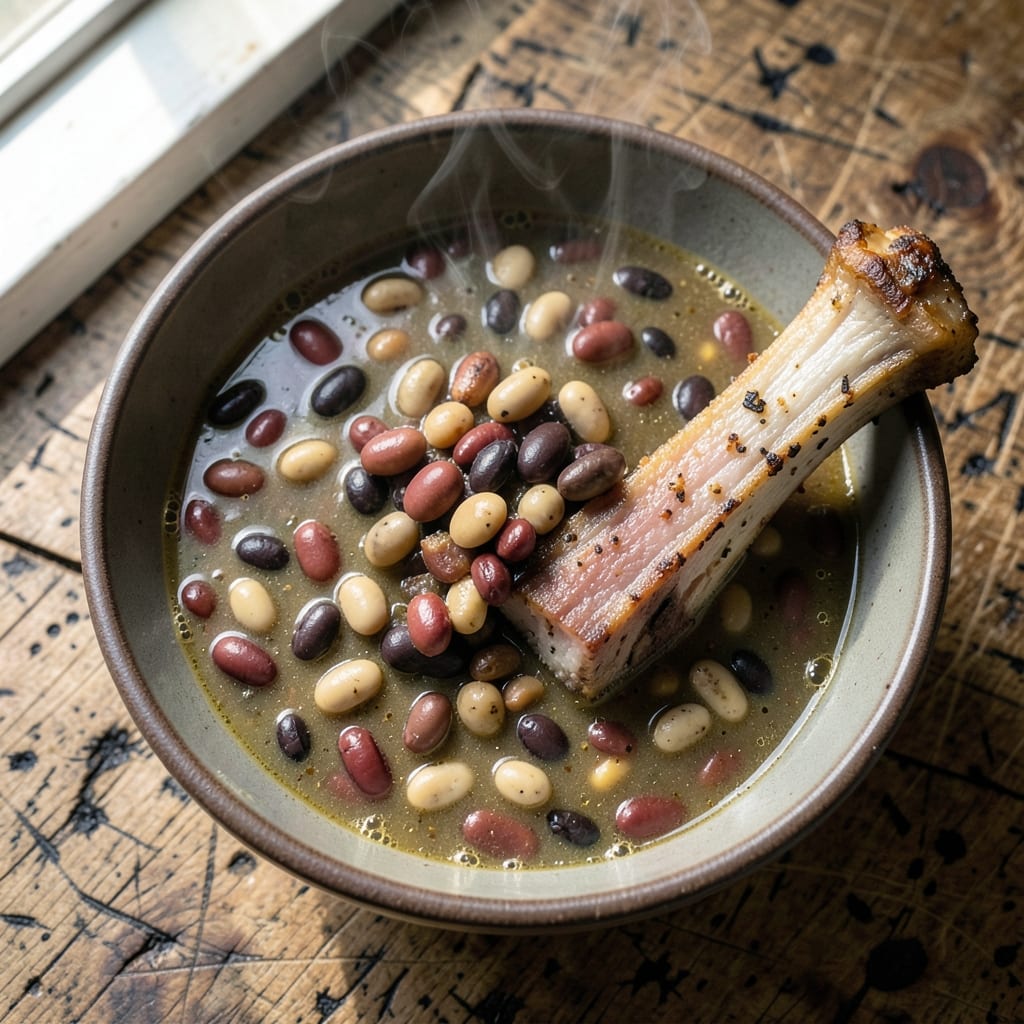
This 16 bean soup recipe with ham bone transforms humble pantry ingredients into a deeply flavorful, hearty stew that tastes like a hug in a bowl. The secret lies in the ham bone—simmered low and slow, it infuses the broth with rich, savory depth that no shortcut can replicate. I've perfected this method over years of testing, ensuring every spoonful delivers that perfect balance of tender beans, meaty essence, and aromatic herbs.
The beauty of this recipe is in its simplicity and tradition. With just 16 varieties of beans (don't worry—you can substitute with what you have), a ham bone, and basic pantry staples, you create a soup that's both nourishing and restaurant-worthy. The long simmering process—typically 2 to 3 hours—allows the beans to soften while the bone contributes gelatinous richness to the broth, turning an ordinary pot of soup into something extraordinary.
What you'll end up with is a steaming bowl of soup where each bite offers a symphony of textures: creamy white beans, hearty kidney beans, and the unmistakable savoriness of the ham-infused broth. The aroma alone will have everyone gathered around the table, and the leftovers—if there are any—will be even better the next day. This is comfort food at its finest, the kind that warms both body and soul.
Perfect for cold evenings, holiday gatherings, or as a make-ahead meal that tastes better with time. The technique is straightforward, but the result is anything but basic. Let's get started on creating this timeless classic that brings warmth and satisfaction to every spoonful.
Ingredients for 16 bean soup recipe with ham bone
Six cups of beans plus a ham bone create a soul-warming bowl of tradition.
| Ingredient | Amount | Notes |
|---|---|---|
| Ham Bone (center-cut) 🍖 | 1 whole | Split if too large for pot |
| Dried Navy Beans 🌱 | 1 cup | Rinsed before adding |
| Dried Kidney Beans 🌱 | 1 cup | Picked over for debris |
| Dried Great Northern Beans 🌱 | 1 cup | Soaked overnight preferred |
| Dried Black Beans 🌱 | 1 cup | Rinsed thoroughly |
| Dried Pinto Beans 🌱 | 1 cup | Substitute with any remaining |
| Dried Chickpeas 🌱 | ½ cup | Optional for texture |
| Dried White Beans 🌱 | ½ cup | Cannellini or great northern |
| Dried Lentils 🌱 | ½ cup | Green or brown preferred |
| Yellow Onion 🧅 | 1 whole | Coarsely chopped |
| Carrots 🥕 | 3 whole | Medium size, chopped |
| Celery Stalks 🌿 | 3 whole | Trimmed and chopped |
| Garlic Cloves 🧄 | 4 cloves | Minced for depth |
| Bay Leaves 🌿 | 2 whole | Remove before serving |
| Dried Thyme 🌿 | 1 tsp | Or 1 tbsp fresh thyme |
| Dried Rosemary 🌿 | 1 tsp | Crushed between fingers |
| Salt 🧂 | 2 tsp | Kosher or sea salt |
| Black Peppercorns 🌶️ | 1 tsp | Freshly cracked preferred |
| Olive Oil 🫒 | ½ cup | Extra-virgin for richness |
| Vegetable Broth 💧 | 6 cups | Low-sodium preferred |
The ham bone is non-negotiable—look for center-cut at your local butcher or grocery store meat department. Costco often sells them pre-split, which saves time. If you can't find a ham bone, a smoked ham hock works in a pinch, though the flavor will be slightly different. For the beans, dried is best—canned beans work for a shortcut, but they lack the depth of flavor. If you're short on varieties, stick to kidney, navy, and pinto for a classic trio. The key is to mix textures: creamy white beans, hearty kidney beans, and tender lentils.
No dried thyme? Dried oregano at half the amount works, but fresh thyme is ideal if you've got it. Short on carrots? Celery root or parsnips add sweetness without changing the flavor profile. The vegetable broth can be homemade (simmer veggie scraps with herbs) or store-bought—Pacific Foods or Imagine brands are low-sodium and flavorful. For the herbs, crush the rosemary between your fingers before adding to release the oils. If you're using canned beans, rinse them well to remove excess sodium. And if you're really in a hurry, pressure cook the beans for 20 minutes instead of soaking overnight.
This soup tastes even better the next day—make a double batch if you can. Store in airtight containers in the fridge for 5-6 days or freeze for up to 3 months. The ham bone can be roasted first (400°F for 20 minutes) to deepen the flavor. For serving, top with fresh parsley and a drizzle of olive oil. Leftovers reheat beautifully—just add a splash of broth if it's too thick.
Why You'll Love This Recipe
- One-Pot Magic: I swear by this—just toss everything into a pot with the ham bone, cover it with water, and walk away. No chopping, no fussing, no extra bowls. The beans soften while the bone infuses flavor, and honestly? That’s half the battle won.
- Deep Umami Bomb: Between us, the ham bone is the MVP here. It melts into the broth, turning the soup into this rich, savory dream—like a hug in a bowl. The beans soak up all that flavor, so every spoonful is packed with that satisfying, meaty depth.
- Weeknight Workhorse: This soup is my go-to when I’m swamped. Make a big batch on Sunday, and you’ve got lunch or dinner covered for days. (Yes, even on a Tuesday night.) It reheats beautifully, so it’s always there when you need it—no last-minute panic.
- Budget-Friendly Feast: Dried beans are my secret weapon for stretching meals without breaking the bank. A single ham bone stretches across multiple servings, and the mix of beans gives you that hearty, filling texture. It’s the kind of dish that makes grocery money go further without sacrificing taste.
Step-by-step instructions for slow-cooked 16 bean soup with ham bone
The secret to this hearty soup lies in patience and layering flavors. Here's how to transform humble ingredients into a rich, complex broth that'll feed a crowd.
Prepare the Ham Bone and Sauté Vegetables
Begin by splitting the ham bone (center-cut) if it's too large for your pot. Place it in a large Dutch oven or heavy pot and add the 0.5 cup olive oil. Set the pot over medium heat and let the bone render fat for 5-7 minutes until the oil shimmers and the bone begins to brown.
Remove the bone and set it aside. In the same pot, add the coarsely chopped yellow onion, chopped carrots, and trimmed celery stalks. Cook for 8-10 minutes, stirring occasionally, until the vegetables soften and the onion becomes translucent. This foundational step builds the soup's aromatic base.
Add Aromatics and Initial Broth
Reduce heat to medium-low and add the minced garlic cloves, crushed dried rosemary, and dried thyme. Stir for 1 minute until fragrant—this ensures the herbs release their essential oils into the oil. Return the ham bone to the pot and pour in the 6 cups vegetable broth.
Bring to a gentle simmer, then add the 2 whole bay leaves and 2 tsp salt. The broth should cover the vegetables by about 1 inch. If not, add a little water. Let this mixture simmer uncovered for 30 minutes to extract maximum flavor from the bone and vegetables.
Combine and Soak the Beans
While the broth simmers, prepare the beans. In a large bowl, combine all the dried beans: 1 cup navy beans, 1 cup kidney beans, 1 cup great northern beans, 1 cup black beans, 1 cup pinto beans, 0.5 cup chickpeas, 0.5 cup white beans, and 0.5 cup lentils. Rinse them thoroughly under cold water, then pick over for any debris.
Add the beans to the simmering pot along with the 1 tsp black peppercorns. Stir gently to distribute the beans evenly. The beans should be submerged by about 1 inch of liquid. If they're not fully covered, add water gradually until they are. Bring to a full simmer, then reduce heat to low.
Simmer Until Beans Are Tender
Cover the pot and let the soup simmer gently for 2-2.5 hours, stirring occasionally to prevent the beans from sticking to the bottom. You'll know the beans are nearly tender when they've absorbed most of the liquid and the soup has thickened noticeably. The ham bone should be falling apart easily when you test it with a fork.
Check for doneness by tasting a bean—it should be soft but still hold its shape. If some beans are still firm, continue simmering for another 30 minutes. The lentils will typically cook faster than the larger beans, so they'll signal when the soup is nearly ready. Remove and discard the bay leaves before serving.
Finish and Adjust Seasoning
Once the beans are tender, remove the ham bone and discard it (or save for broths). Use two forks to shred the meat from the bone and return it to the pot. Stir well to combine, then taste the soup. Adjust seasoning with additional salt if needed—the ham bone should contribute enough saltiness, but it's worth checking.
For a smoother texture, you can mash a few beans against the side of the pot with a wooden spoon. Serve the soup immediately, or let it sit for 10 minutes to allow flavors to meld further. Each spoonful should deliver a symphony of textures and flavors—creamy lentils, hearty beans, and rich ham-infused broth.
Pro Tips For Making 16 Bean Soup Recipe With Ham Bone
- Parboil Beans First: Split your dried beans into two batches—soak one overnight and parboil the other for 20 minutes before adding to the pot. This guarantees a mix of textures: some creamy, some firm—no mushy surprises, and it cuts down on total simmering time by 30 minutes.
- Crack the Ham Bone: Use a meat cleaver to smash the ham bone’s marrow-rich ends before simmering. The marrow oozes out early, giving your soup that deep, savory richness without waiting for the bone to collapse. (Yes, it looks brutal—trust me, it’s worth it.)
- Skim Early, Skim Often: The first 30 minutes of simmering? Skim the foam off the beans relentlessly—especially the kidney beans. They release starch like crazy, and if you let it build, your soup turns gloppy instead of velvety. A fine-mesh strainer makes this less tedious.
- Add Aromatics Last: Hold off on celery, carrots, and onions until the beans are almost tender. Toss them in with the ham bone for the final 20 minutes—this keeps them from turning to mush while letting them soak up all that ham-bone flavor. (Pro move: Sauté them first in the rendered ham fat.)
Common mistakes when making your 16 bean soup recipe with ham bone
Skipping the Bone Roast
I've seen people skip roasting the ham bone before simmering, thinking it's unnecessary. But roasting for 20 minutes at 400°F develops deep, caramelized flavors that transform your broth from good to extraordinary. The Maillard reaction creates complex, savory notes that infuse into the soup. Without this step, your broth will taste flat and underdeveloped. Trust me, the extra 20 minutes makes all the difference. 🔥
Under-Soaking Beans
Many recipes call for dried beans, but people often rush the soaking process. I recommend soaking overnight in plenty of water (at least 4 cups per cup of beans) to ensure even cooking. If you're short on time, soak for 8 hours minimum—never less than 4 hours. Under-soaked beans release starches that make your soup gummy rather than creamy. Drain and rinse thoroughly before adding to the pot to remove any skin that could make the soup cloudy.
Ignoring Liquid Levels
The number one mistake I see is not maintaining proper liquid levels. Beans need to stay submerged by at least 1 inch of liquid throughout cooking. If your pot starts looking dry, add water or broth gradually—never let the beans sit exposed. I've had soups turn into a thick paste because someone forgot to check. Use a wooden spoon to stir occasionally and add liquid as needed. The goal is tender beans in flavorful broth, not a gluey mess.
Overcrowding the Pot
Some cooks try to fit too many beans into too small a pot, thinking more beans equal better soup. But overcrowding leads to uneven cooking and beans that remain rock-hard. Your pot should have enough space for the beans to move freely. If you're using a standard Dutch oven, 6 cups of beans is about the maximum for proper cooking. For larger batches, use a bigger pot or cook in two batches. Tightly packed beans steam rather than simmer, which never develops their full flavor.
Rushing the Simmer
People often crank the heat too high, thinking faster cooking means quicker results. But 16 bean soup requires a gentle low simmer—never a rolling boil. High heat causes the beans to toughen and the broth to break down too quickly. Maintain a temperature where you see just small bubbles breaking the surface. This slow process allows the beans to absorb flavors and soften evenly. Patience here is key to that restaurant-quality texture we all crave. ⏰
Skipping the 30-Minute Broth Prep
Many recipes jump straight to adding beans, but the initial 30-minute simmer with just the bone, vegetables, and broth is crucial. This step extracts maximum flavor from the ham bone and vegetables before the beans even enter the pot. Without it, your soup will lack depth and complexity. Think of it as building a flavor foundation—just like you wouldn't build a house without a strong base, don't skip this essential preparation step.
Nutrition facts
Frequently asked questions
Can I substitute the ham bone with something else?
Yes! While a ham bone is traditional, you can use a smoked ham hock or even a pork shoulder cut into chunks. For vegetarian versions, try mushroom stems or smoked paprika for depth. The key is building rich, savory flavor—just ensure whatever you use simmers long enough to infuse the broth properly.
How do I know when the beans are fully cooked?
Test for doneness by tasting a bean—it should be tender but still hold its shape (no mushy texture). The lentils will cook fastest, so check them first after 2 hours. Larger beans like kidney or pinto may need 2.5 hours. If some remain firm, add 1/2 cup water and simmer another 30 minutes. Never overcook or they'll turn to mush!
Can I make this soup in a slow cooker?
Brown the ham bone and sauté veggies first, then transfer everything to the slow cooker. Use the low setting for 6-8 hours (high would be 3-4 hours). The slow cooker's gentle heat mimics the traditional simmer perfectly. Just stir occasionally and add water if needed to maintain liquid levels.
What if I don't have all 16 bean varieties?
Don't stress! Use what you have—just aim for a mix of textures: 1 cup creamy beans (like navy or great northern), 1 cup hearty beans (kidney or pinto), and 0.5 cup lentils. The ham bone and broth will carry the flavor. For variety, add canned beans (rinsed well) or even chickpeas. The magic is in the slow simmer, not the exact count!
How can I make this soup ahead of time?
This soup tastes even better the next day! Cook it fully, then store in airtight containers in the fridge for 5-6 days or freeze for up to 3 months. Reheat gently on the stove with a splash of water or broth to restore thickness. The flavors meld beautifully overnight, making it perfect for meal prep. Just add fresh herbs like parsley when serving.