
Soups & Stews
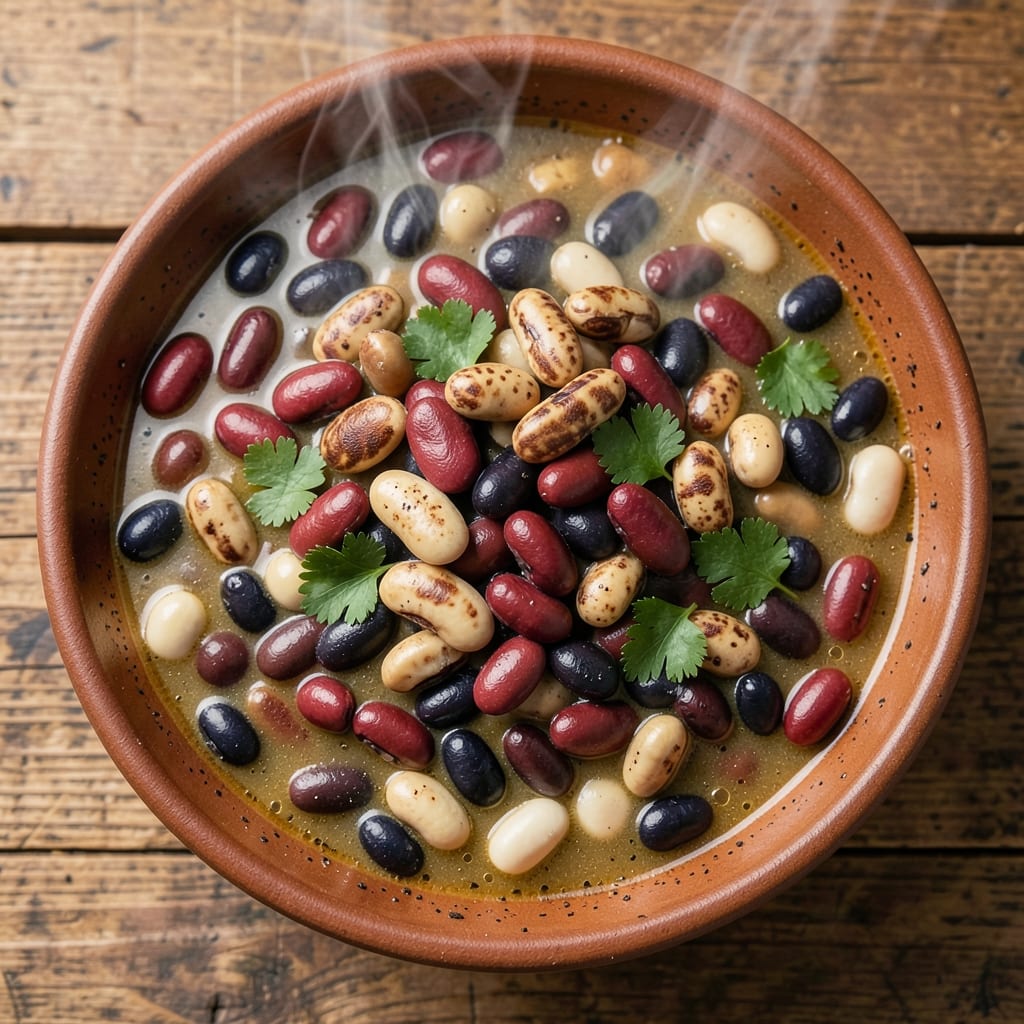
This 26 bean soup recipe transforms humble pantry staples into a soul-warming stew that tastes like a hug in a bowl. 💛 The secret lies in layering flavors through slow simmering—sautéed onions and garlic form the aromatic base, while dried beans absorb the rich broth into tender, flavorful morsels. This isn't just a soup; it's a hearty, protein-packed meal that stretches across seasons and dietary needs, from vegan to meat-infused variations.
What makes this recipe special is its versatility—no need for fancy ingredients, just a mix of dried beans (black, kidney, pinto, and more) that come together with tomatoes, broth, and herbs to create depth. The key technique? Sautéing aromatics until golden before adding liquids, which builds a flavor foundation that carries through hours of simmering. For extra richness, a splash of vinegar or smoked paprika adds complexity without effort.
By the time you're done, you'll have a thick, velvety stew with beans that melt in your mouth and a broth so flavorful it deserves a second helping. The texture is perfect—creamy from the beans and tomatoes, with just enough bite from the herbs. Serve with crusty bread or cornbread to soak up every last drop, or store leftovers for up to five days, where the flavors only deepen.
This recipe adapts effortlessly: swap broth for vegetarian options, add smoked sausage for heartiness, or keep it plant-based for a satisfying meal. Whether you're feeding a crowd or meal prepping for the week, this 26 bean soup delivers comfort, nutrition, and endless possibilities in one pot.
Ingredients for 26 bean soup
Transform pantry staples into a soul-warming 26 bean soup with earthy depth and velvety texture.
| Ingredient | Amount | Notes |
|---|---|---|
| Dried Black Beans 🌱 | 1 ½ cups | Rinsed thoroughly before cooking |
| Dried Kidney Beans 🌱 | 1 ½ cups | Soaked overnight for best texture |
| Dried Pinto Beans 🌱 | 1 ½ cups | Rinsed and picked over for debris |
| Dried Navy Beans 🌱 | 1 cup | Rinsed before adding to pot |
| Dried Anasazi Beans 🌱 | ½ cup | Unique earthy flavor profile |
| Dried Great Northern Beans 🌱 | ½ cup | Buttery texture when cooked |
| Dried Chickpeas 🌱 | ½ cup | Rinsed well before cooking |
| Yellow Onions 🧅 | 2 whole | Thinly sliced for even cooking |
| Garlic Cloves 🧄 | 6 cloves | Minced for aromatic depth |
| Canned Crushed Tomatoes 🍅 | 2 cups | 28 oz can preferred |
| Vegetable Broth 💧 | 6 cups | Low-sodium preferred |
| Red Wine Vinegar 🍷 | 2 tbsp | For brightness and acidity |
| Smoked Paprika 🌶️ | 1 tbsp | For earthy depth |
| Bay Leaves 🌿 | 2 whole | Fresh preferred |
| Fresh Thyme 🌿 | ½ tsp | Or 0.25 tsp dried thyme |
| Salt 🧂 | 1 ½ tsp | Diamond Crystal preferred |
| Black Peppercorns 🌶️ | ½ tsp | Freshly cracked |
| Olive Oil 🫒 | ¼ cup | Extra-virgin for richness |
The beans are the heart of this recipe, so quality matters. Bob's Red Mill or Whole Foods bulk bins offer the best selection—look for beans that are plump and free of debris. Kidney and black beans add rich color, while pinto and navy provide texture. Anasazi beans bring that unique earthy note that elevates the soup. If you're short on time, pre-soaked beans from the canning aisle work, but overnight soaking (8+ hours) is ideal for the best texture. For the broth, Imagine or Pacific Foods brands deliver consistent flavor without excess sodium. The olive oil should be extra-virgin—California olive oil brands like Corto or Lucini offer the best balance of fruity and peppery notes.
No red wine vinegar? Apple cider vinegar works in a pinch, though it lacks the same depth. Short on smoked paprika? Regular paprika plus a pinch of cayenne mimics the smoky flavor. Fresh thyme unavailable? Dried thyme at one-third the amount suffices, but toast the dried leaves in the oil first for better flavor. The onions should caramelize beautifully—don't rush this step. For extra richness, add a splash of balsamic vinegar at the end. If you're using canned beans, drain and rinse them thoroughly to remove excess sodium. The beans will absorb the broth's flavors better when cooked from dry, but if you're in a hurry, pre-cooked canned beans (like black or kidney) can be added later to maintain texture.
This soup tastes even better the next day as flavors meld. Store in an airtight container in the fridge for up to 5 days, or freeze portions for 3 months. For freezing, cool the soup completely first to prevent ice crystals. Reheat gently on the stove, adding a splash of broth if it thickens too much. The beans soften further when reheated, creating that perfect creamy texture. To serve, garnish with fresh parsley or a drizzle of olive oil—the good stuff—and crusty bread to soak up every last spoonful. Leftovers make excellent lunches or can be repurposed into bean burgers or dips.
Why You'll Love This Recipe
- Set-and-Forget Magic: I swear by this—soak the beans overnight, dump them in a pot with broth, and walk away. Six hours later, you’ve got a rich, hearty soup that smells like home without a single stir required. (Yes, even on a Tuesday night.)
- Earthy Depth Explosion: That mix of Anasazi and navy beans? It’s where the real flavor happens—nutty, slightly smoky, with just enough sweetness from the pinto beans. Honestly, the first time I tasted it, I nearly burned my tongue from how good it was.
- Lunchbox Hero: Between us, this soup is my meal prep secret weapon. Pack it cold in jars for work lunches—it stays thick and satisfying, or reheat it for a cozy dinner. My college-aged kid takes it to class in a thermos and comes back raving.
- Pantry Goldmine: You’re using dried beans, so we’re talking budget-friendly magic here. A single batch feeds six, costs less than takeout, and keeps for days. I’ll be real: I’ve had it for breakfast (yes, with toast) and it’s still the star of my freezer rotation.
Step-by-step instructions for 26 bean soup
Transform your pantry staples into a rich, earthy stew with this method-tested approach.
👨🍳 Step 1: Prepare the Beans for Maximum Texture
Start by sorting through all the dried beans—remove any stones or debris you find. I use a large colander for this, shaking gently over the sink. The 1.5 cups dried black beans, 1.5 cups dried kidney beans, and 1.5 cups dried pinto beans should soak overnight in plenty of cold water. The remaining 1 cup dried navy beans, 0.5 cup dried Anasazi beans, 0.5 cup dried great northern beans, and 0.5 cup dried chickpeas can soak for just 4 hours—their smaller size means they don't need as long.
Drain and rinse all beans thoroughly before use. The overnight soak ensures even cooking and prevents the soup from becoming gummy. I always use fresh soaking water for each type to avoid flavor transfer between bean varieties. This preparation step is where you build the foundation for that perfect bean texture we're after.
🍳 Step 2: Develop the Flavor Base with Aromatics
Heat the 0.25 cup olive oil in a large Dutch oven over medium heat. Add the thinly sliced yellow onions and cook for 8-10 minutes until they're soft and translucent, stirring occasionally. Add the 6 minced garlic cloves and cook for another 30 seconds until fragrant—this is where the magic starts.
Stir in the 1 tablespoon smoked paprika and 0.5 teaspoon fresh thyme, letting the spices toast for 30 seconds until you can smell their deep, earthy aroma. This step creates the complex flavor profile that makes this soup so distinctive. Don't rush this—properly developed aromatics are the soul of any bean soup.
🥘 Step 3: Build the Rich Bean Foundation
Add all the drained beans to the pot along with the 2 cups canned crushed tomatoes, 6 cups vegetable broth, and 2 tablespoons red wine vinegar. The vinegar might seem like a small amount, but it brightens the entire soup. Bring everything to a gentle boil, then immediately reduce heat to low and add the 2 whole bay leaves.
Cover and simmer for 45-60 minutes, stirring occasionally to prevent sticking. The beans should be tender but still hold their shape—you want that satisfying bite. I check for doneness by tasting a bean and pressing it between my teeth. If it's still slightly firm, it needs more time. This slow cooking allows all the flavors to meld beautifully.
⏰ Step 4: Season and Perfect the Texture
Remove the bay leaves and adjust seasoning with the 1.5 teaspoons salt and 0.5 teaspoon freshly cracked black peppercorns. Taste the soup carefully—this is where you fine-tune the balance. The beans should be perfectly tender with just a hint of resistance, and the broth should coat the back of a spoon with a velvety texture.
If the soup is too thick, add ½ cup hot vegetable broth at a time until it reaches your desired consistency. I like mine rich but still spoonable. For extra depth, you can stir in a tablespoon of the soaking liquid from the beans—it contains natural enzymes that enhance flavor. Let the soup sit off heat for 10 minutes before serving to allow the flavors to settle.
🍽️ Step 5: Serve with Confidence
Ladle the soup into bowls and garnish with a drizzle of olive oil and a sprinkle of smoked paprika. The contrast of textures—creamy beans, rich broth, and crispy paprika—makes each bite satisfying. This soup tastes even better the next day as the flavors continue to develop, so make extra if you can.
Pair it with crusty bread to soak up every last drop of that flavorful broth. The combination of bean varieties creates a complex, satisfying texture that's both hearty and elegant. This is the kind of soup that makes your kitchen smell like comfort and turns simple pantry ingredients into something extraordinary.
Pro Tips For Making 26 Bean Soup
- SOAK BEANS SEPARATELY: Navy and Anasazi beans need extra love—soak them overnight in warm water (not boiling) while the others get a quick 2-hour soak in hot water. I learned this the hard way when my Anasazi beans stayed rock-hard; they’re the trickiest of the bunch and won’t soften on a whim.
- SIMMER LOW AND LONG: After the initial boil, drop the heat to a gentle simmer—think tiny bubbles, not a rolling boil. Kidney beans especially turn mushy if you rush them, and navy beans? They’ll split like overcooked pasta if you’re not careful. Patience here means creamy texture without the grit.
- SKIP THE SALT UNTIL LATER: Adding salt early hardens the beans’ skins, making them tougher to soften. Wait until the beans are tender (about 45 minutes in) before seasoning—this is non-negotiable for a soup that actually tastes good. Your future self will notice the difference.
- USE A PRESSURE COOKER FOR ANASAZI: If you’re short on time, Anasazi beans are the only ones worth pressure-cooking—15 minutes on high pressure after soaking, then finish with the others. I was skeptical until I tried it; they soften perfectly without sacrificing flavor, and the soup comes together faster.
Common mistakes when making your 26 bean soup
Skipping the Soak
Rushing and skipping the overnight soak is the fastest way to ruin your soup. Dried beans need that time to rehydrate properly, or they'll turn mushy and absorb too much liquid, creating a watery, gummy mess. I've learned this the hard way—once, I forgot to soak my beans and ended up with a soup that tasted like glue. For beans that need longer soaking (like kidney and black), never skip it. The 4-hour minimum for smaller beans is non-negotiable for texture. 💫
Ignoring the Aromatics
Dumping in beans and broth without developing the base flavors is a common mistake. The onions should caramelize until golden, and the garlic should sizzle until fragrant—this builds the flavor foundation. I once made soup where I just tossed everything in raw, and it tasted flat. Take your time with the 8-10 minutes of onion cooking and 30 seconds of garlic toasting. The spices (smoked paprika and thyme) need that quick toast too—skipping this step means missing out on the soup's soul. 🌶️
Overcrowding the Pot
Using a pot that's too small causes beans to steam instead of simmer gently. This leads to uneven cooking and a soup that's either undercooked or mushy. A 6-quart Dutch oven is ideal for this recipe—it gives the beans room to develop their texture without crowding. I've had to rescue soups where the beans were all stuck together because the pot was too small. If you're using a smaller pot, cook the beans in batches or reduce the quantity. 🥘
Underestimating Simmer Time
Pulling the soup off heat too soon is a rookie mistake. The beans need that 45-60 minutes of gentle simmering to become tender yet hold their shape. I've seen people rush this step and end up with beans that are still hard or split open too much. The key is patience—check doneness by tasting a bean. If it's still firm, keep simmering. The flavors also need time to meld during this stage. ⏰
Neglecting the Vinegar
Many recipes call for vinegar, but people often skip it or use too little. That 2 tablespoons of red wine vinegar brightens the entire soup, cutting through the richness and adding complexity. Without it, the soup can taste flat or one-dimensional. I once made a batch without vinegar and was surprised by how dull it was. Trust me—this small addition makes a big difference in flavor balance. 🍷
Over-Salting Early
Adding all the salt at the beginning can make the soup taste bland later, as the beans absorb the saltwater and dilute the flavor. Instead, wait until the end to season with the 1.5 teaspoons of salt. Taste as you go and adjust gradually. I've ruined soups by over-salting early—now I always taste before adding more. The beans should be perfectly seasoned, not salty or bland. The final adjustment is critical for that perfect balance. 🧂
Nutrition facts
Frequently asked questions
Can I use canned beans instead of dried for this recipe?
Yes, but with adjustments! Use 3 cups total canned beans (drained and rinsed) to replace the dried beans. For best texture, add them during the last 15-20 minutes of simmering to prevent mushiness. The flavor will be good, but the depth of flavor from dried beans simmering in fresh broth can't be matched.
How do I make this soup vegan?
Easy! Just swap the vegetable broth for vegan vegetable broth (like Pacific Foods or Imagine brands) and ensure your smoked paprika is vegan-certified. The existing recipe is already plant-based, so no other changes are needed unless you want to add meat—this version is perfectly satisfying as-is!
Why does my 26 bean soup taste bland?
Blandness usually comes from skipping key flavor layers. First, check your aromatics—onions should caramelize (8-10 minutes) and garlic should sizzle (30 seconds). Second, don't skip the vinegar (2 tbsp red wine vinegar)—it brightens the soup. Finally, season at the end with salt and pepper, tasting as you go. The beans need time to absorb flavors during simmering.
Can I freeze this soup?
Let the soup cool completely, then store in airtight containers for up to 3 months. For best texture, thaw overnight in the fridge before reheating. The flavors actually improve after freezing—just add a splash of broth if it thickens too much when reheated. Freeze without garnishes to preserve quality.
What beans can I substitute if I don't have all 26 types?
No problem! Use whatever dried beans you have—black, pinto, kidney, and navy beans work perfectly as the base. For variety, add lentils or split peas. The key is mixing textures: some creamy (like great northern beans) and some firm (like kidney beans). Aim for 4-5 different types minimum to keep it interesting.