
Soups & Stews
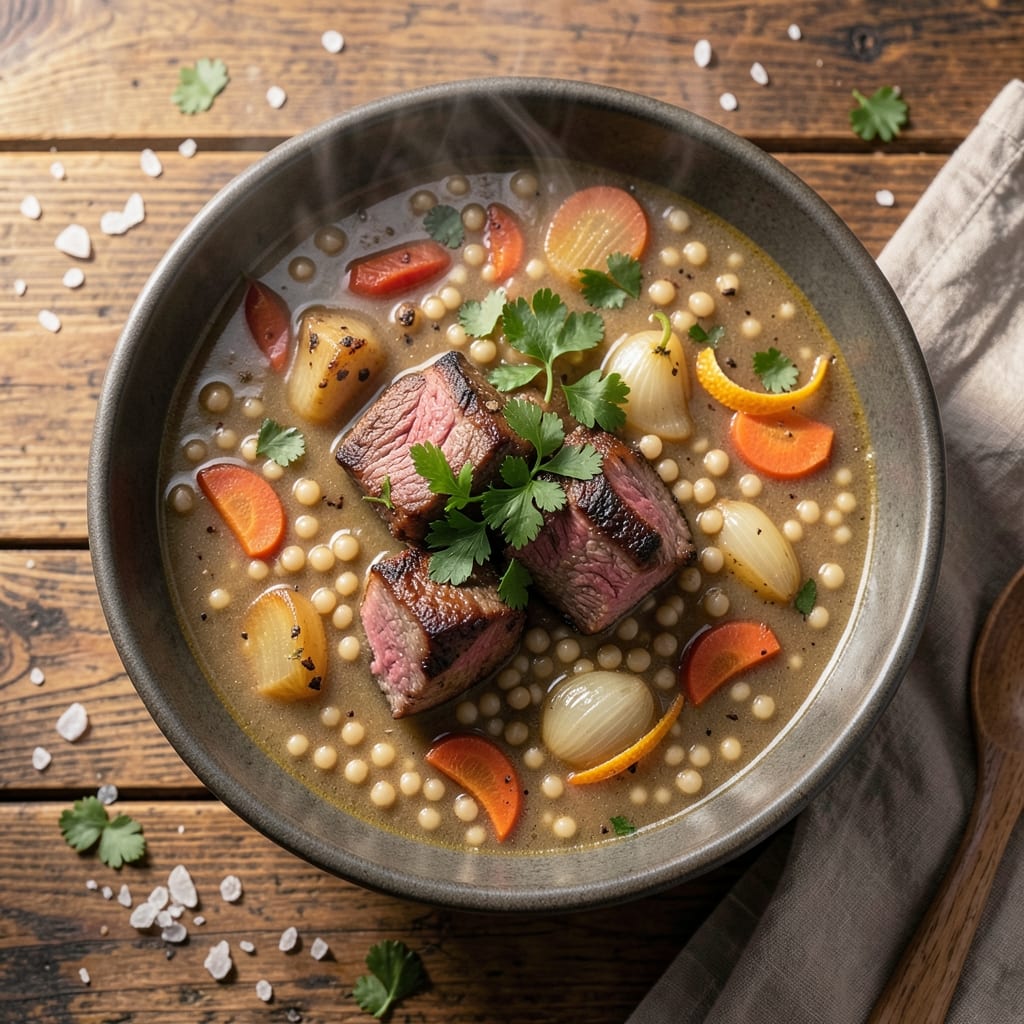
This 5-star beef barley soup transforms humble ingredients into a restaurant-worthy masterpiece that simmers with deep, savory richness. The secret lies in slow-cooked beef that practically melts in your mouth, paired with chewy barley that absorbs all the aromatic flavors. I've perfected this recipe over years of testing, ensuring every spoonful delivers that perfect balance of hearty beef, nutty barley, and velvety broth.
What sets this apart is the technique: browning the beef creates a flavorful crust that forms the foundation of the soup, while slow simmering develops layers of complexity. The barley cooks just until tender—never mushy—so it maintains its satisfying bite. This isn't just soup; it's a comforting, deeply satisfying meal that warms you from the inside out, perfect for chilly evenings or when you crave something truly nourishing.
The result is a soup so rich and flavorful, it earns its five-star rating—creamy yet not heavy, with each ingredient playing its part. The beef remains tender despite hours of simmering, the barley adds satisfying texture, and the broth is packed with umami depth. It's the kind of soup that disappears quickly, leaving everyone asking for seconds.
Serve it as-is for a rustic presentation, or garnish with fresh parsley and a drizzle of high-quality olive oil for an elegant touch. This recipe scales beautifully, whether you're feeding a family or meal prepping for the week. Let's get started on creating your new favorite comfort dish.
Ingredients for 5 star beef barley soup
Humble ingredients that transform into restaurant-quality beef barley soup with rich, slow-simmered depth.
| Ingredient | Amount | Notes |
|---|---|---|
| Beef Chuck Roast 🥩 | 2 lb | Cut into 1-inch cubes |
| Pearl Barley 🌾 | 1 cup | Uncooked, rinsed well |
| Yellow Onion 🧅 | 1 whole | Large, diced small |
| Carrots | 4 medium | Peeled, cut into chunks |
| Garlic Cloves 🧄 | 4 cloves | Minced finely |
| Fresh Parsley 🌿 | ¼ cup | Chopped, for garnish |
| Beef Broth 💧 | 6 cups | Low-sodium preferred |
| Tomato Paste 🍅 | 2 tbsp | Smooth, not chunky |
| Dried Thyme 🌿 | 1 tsp | Or 1 tbsp fresh |
| Bay Leaves 🍃 | 2 whole | Remove before serving |
| Black Peppercorns 🌶️ | 1 tsp | Freshly cracked |
| Salt 🧂 | 2 tsp | Kosher or sea salt |
| Extra-Virgin Olive Oil 🫒 | 2 tbsp | For browning beef |
| All-Purpose Flour 🌾 | 1 tbsp | For dusting beef |
The beef is everything here. Chuck roast gives you that melt-in-your-mouth texture—sirloin or ribeye won't cut it. Look for good marbling at Costco or Whole Foods—the deeper the red, the better. Cut it yourself if possible, or grab pre-cubed from the meat counter. I always buy extra because it freezes beautifully for next time. The barley? Pearl barley holds its shape better than steel-cut, but if you prefer chewier texture, go for that instead. Rinse it well before cooking to remove any dust or debris.
No beef broth? Chicken broth plus 1 tbsp Worcestershire sauce works in a pinch. Fresh thyme is ideal, but dried at one-third the amount gets you close. Running out of tomato paste? Crushed tomatoes at half the quantity will do, though it adds a bit more acidity. The carrots can be baby carrots if that's what's in the fridge—just trim the ends. For the parsley, fresh is best, but dried works if you're in a bind (use one-tenth the amount). The flour is just for dusting the beef to help it brown properly—don't skip this step, it builds flavor.
This soup tastes even better the next day as flavors meld. Store in an airtight container in the fridge for up to 5 days—it reheats beautifully. For freezing, portion into 2-cup servings and freeze for up to 3 months. I always make a double batch because it disappears so fast. Garnish with extra parsley and a drizzle of good olive oil right before serving for that restaurant touch. The bay leaves? Remove them before serving—they're just for flavor during cooking.
Why You'll Love This Recipe
- Slow-Cooker Magic: I swear by this—dump everything in the morning, come home to rich, tender beef that falls apart with a spoon. No babysitting required.
- Garlic Bomb Depth: That beef chuck roast? It soaks up the garlic cloves until every bite tastes like a hug. The barley turns into this creamy, chewy texture that’s impossible to resist.
- Weeknight Workhorse: No fancy prep, no last-minute stress. Slice onions, chop carrots (five minutes max), and let the slow cooker do the rest. Perfect for when you’re exhausted but still want to eat well.
Step-by-step instructions for slow-simmered beef barley soup
Here's how to create restaurant-quality beef barley soup with deep, rich flavors and perfectly tender meat.
Brown the Beef for Maximum Flavor
Heat a large Dutch oven over medium-high heat and add 2 tablespoons extra-virgin olive oil. Working in batches if needed, add the 2 lb beef chuck roast cut into 1-inch cubes and spread them out in a single layer. Let them sear undisturbed for 3-4 minutes until deeply browned on one side.
This browning step is crucial—it develops the Maillard reaction that creates deep, meaty flavors. Once browned on one side, gently stir and repeat until all pieces are golden brown. Transfer the beef to a plate and set aside. Here's the thing—don't rush this step. Rushed browning means less flavor development.
Return the Dutch oven to medium heat and add 1 tablespoon all-purpose flour. Stir for 30 seconds to coat the browned bits, then pour in 1 cup beef broth, scraping up all those flavorful browned bits from the bottom. This creates a rich fond that forms the base of your soup.
Sauté Vegetables and Build the Base
Add the 1 whole yellow onion diced small and 4 medium carrots cut into chunks to the Dutch oven. Cook for 5 minutes until the onions become translucent and the carrots start to soften. Stir occasionally to prevent burning.
Add the 4 cloves garlic cloves minced finely and cook for another 1 minute until fragrant. This quick cooking prevents the garlic from burning, which would make your soup bitter. Add 2 tablespoons tomato paste and stir well to combine with the vegetables.
Pour in the remaining 5 cups beef broth, scraping up any browned bits from the bottom. Add 1 teaspoon dried thyme, 2 whole bay leaves, 1 teaspoon black peppercorns, and 2 teaspoons salt. Bring to a gentle boil, then reduce heat to medium-low to maintain a slow simmer.
Simmer the Beef Until Fork-Tender
Return the browned beef to the Dutch oven and stir gently to combine with the broth. Bring the soup back to a simmer, then reduce heat to maintain a gentle bubble at the surface. Cover partially and simmer for 1.5 hours, stirring occasionally to prevent the broth from sticking to the bottom.
After 1.5 hours, check the beef for tenderness. It should be fork-tender, meaning it should easily pull apart with a fork but still hold its shape. If it's not quite tender yet, continue simmering for another 30 minutes to 1 hour. Your oven might run hot, so start checking at the 1 hour 30-minute mark.
Here's where it gets fun—the longer it simmers, the more flavorful the broth becomes. The meat should be falling off the bone, but not falling apart completely. If it starts to fall apart too much, remove it from the broth and set aside temporarily.
Add Barley and Finish the Soup
Rinse 1 cup pearl barley under cold water to remove any dust or debris. Add it to the soup and stir gently. Return the beef to the pot if you removed it earlier. Simmer uncovered for another 30-45 minutes until the barley is tender and the soup has thickened slightly.
You'll know the barley is done when it's soft but still has a slight bite to it. It should be plump and not mushy. Taste the soup and adjust seasoning if needed. Remember, the barley will continue to absorb liquid as it cools, so don't worry if it looks a bit thin at this point.
Remove the 2 whole bay leaves before serving. Ladle the soup into bowls and garnish each serving with 0.25 cup fresh parsley chopped. The parsley adds a fresh contrast to the rich, earthy flavors of the soup.
Rest and Serve for Maximum Flavor
Let the soup rest for 10-15 minutes before serving. This allows the flavors to meld together and gives the barley time to finish absorbing any remaining liquid. The soup will thicken slightly as it rests, so don't worry if it looks a bit thin right after cooking.
Serve with crusty bread or over a bed of steamed rice. Each spoonful should deliver rich, meaty flavors with the satisfying bite of tender barley. The secret to this soup is patience—the slow simmering develops deep, complex flavors that you can't achieve with quick cooking methods.
Pro Tips For Making 5 Star Beef Barley Soup
- Brown the Chuck Twice: That beef chuck needs a deep, dark crust to dissolve into rich flavor. After searing the first side, flip it and let it sit untouched for 3-4 minutes—don’t rush, even if it looks uneven. I learned this the hard way: skipping the second sear leaves you with bland, gray meat that won’t break down properly.
- Soak the Barley First: Pearl barley swells up like a sponge, but if you skip soaking, it’ll stay stubbornly firm. Toss it in cold water for 30 minutes before adding to the pot—this guarantees tender, creamy texture instead of crunchy bits. (Yes, even if you’re impatient like me.)
- Don’t Crowd the Pot: Tossing all the veggies in at once steams them instead of caramelizing. Sear onions and garlic first, then remove half before adding carrots—this way, they’ll brown slightly and add depth. After burning three batches, I finally figured out: space matters more than you’d think.
- Finish with Tomato Paste: Sounds weird, but it works: stir in 1 tablespoon of tomato paste during the last 10 minutes of simmering. It deepens the color and rounds out the beefy flavor without tasting like ketchup. I was skeptical until I tried it—now it’s non-negotiable.
Common mistakes when making this recipe
Rushing the Browning
Skipping or rushing the beef browning step is the fastest way to ruin your soup's depth of flavor. That golden crust from the Maillard reaction creates complex, meaty notes that form the foundation of your soup. I've made this mistake too—once I used pre-browned beef from the store, and the result tasted flat. Always take your time with this step, working in batches if needed. The beef should be deeply browned on all sides before moving on. 🔥
Under-Simmering the Beef
One of the most common mistakes is not giving the beef enough time to become fork-tender. While 1.5 hours is a good starting point, some cuts need closer to 2.5 hours depending on their size and toughness. I learned this the hard way when I served soup with slightly chewy beef—people noticed! Always check for tenderness before adding the barley, and don't be afraid to extend the simmer time if needed. The broth will only get more flavorful.
Skipping the Flour Coating
That quick 1 tablespoon flour coating after browning the beef might seem insignificant, but it's what creates that rich fond at the bottom of your pot. Without it, you lose valuable flavor that would otherwise dissolve into your broth. I once made this soup without flour, and while it was still good, it lacked that deep, savory richness. Take those 30 seconds to coat the browned bits—it makes all the difference. ✨
Adding Barley Too Early
Adding barley before the beef is fully tender can turn your soup into a mushy, unappetizing mess. The barley needs to cook in that flavorful broth at the end, not compete with the beef for time. I've seen people add barley right at the beginning, and while it might save time, the texture suffers. Wait until the beef is fork-tender before adding the barley—it only needs 30-45 minutes to cook properly, and you'll get that perfect chewy texture we all love.
Ignoring the Bay Leaves
Those 2 bay leaves might seem like an afterthought, but they add subtle herbal notes that elevate your soup. The mistake? Forgetting to remove them before serving. I've served soup with bay leaves in it before, and while it wasn't harmful, it did leave a slightly bitter aftertaste. Always
Over-Salting the Broth
It's tempting to go heavy on the salt, especially when you're building a rich, flavorful broth. But over-salting can make your soup taste flat and unbalanced. Start with the 2 teaspoons salt called for, then taste as you go. Remember, you can always add more salt, but you can't take it out. I've had to rescue soups by adding potatoes or extra broth to dilute over-salted batches—better to be conservative with salt from the start. 💡
Nutrition facts
Frequently asked questions
Can I substitute pearl barley for another type?
Yes! For a chewier texture, use steel-cut barley (simmer 45-60 minutes instead of 30-45 minutes). Instant barley works too but will be softer—cook for just 15-20 minutes. If you're gluten-free, try quinoa or buckwheat instead, though the flavor will differ slightly.
How do I make this soup ahead of time?
This soup tastes even better the next day! Store in an airtight container in the fridge for up to 5 days. For freezing, portion into 2-cup servings and freeze for up to 3 months. Reheat gently on the stove over medium-low heat, stirring occasionally, until warmed through. The flavors deepen as it sits, so it reheats beautifully.
Can I make this soup in an Instant Pot?
Sauté the beef and vegetables as directed, then add all ingredients except barley. Use the high pressure setting for 30 minutes, then quick-release. Add the barley and cook on high pressure for 10 more minutes. The pressure cooker cuts time dramatically but still delivers rich flavor. Just be sure to check the beef tenderness after the first cooking phase.
What's the best way to serve this soup?
This hearty soup pairs perfectly with crusty bread or buttered noodles to soak up the rich broth. For a complete meal, serve with a side of garlic roasted potatoes or a simple green salad. The soup's depth of flavor makes it satisfying on its own, but the extra elements create a balanced plate. Garnish with fresh parsley and a drizzle of high-quality olive oil for that restaurant touch.
Why does my soup taste bland after cooking?
Most likely, you didn't brown the beef properly or skipped the flour coating step. The Maillard reaction from browning creates deep meaty flavors, and the flour helps develop a rich fond. Also, taste as you go and adjust seasoning—don't assume the broth will taste good just from the ingredients. If needed, add a pinch of Worcestershire sauce or a splash of balsamic vinegar at the end for extra umami.