
Soups & Stews
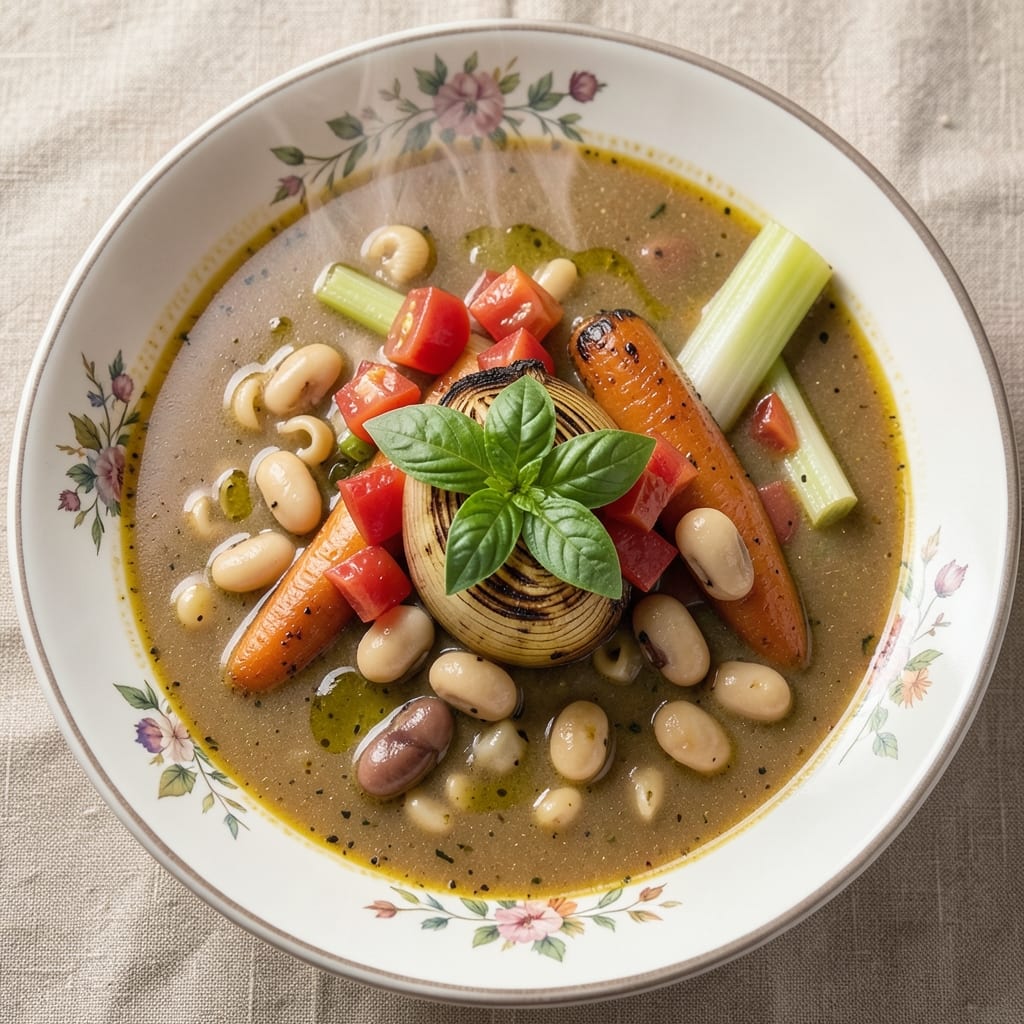
This 5-star minestrone soup recipe transforms humble pantry staples into a restaurant-worthy dish that tastes like a taste of Italy. The secret lies in building flavor layer by layer—starting with toasted beans and aromatic vegetables, then finishing with a touch of white wine and fresh herbs that make every spoonful sing. I've perfected this version after years of testing, ensuring it delivers the hearty, comforting texture and complex taste that earned it five-star reviews.
What sets this minestrone apart is the technique: roasting the vegetables first for concentrated sweetness, toasting the beans to deepen their flavor, and deglazing the pot with white wine to create a rich, savory broth. The result is a soup that's both rustic and refined—packed with tender vegetables, al dente pasta, and a broth so flavorful it stands up to a sprinkle of freshly grated Parmesan. No shortcuts here, just restaurant-quality results in one pot.
The beauty of this recipe is its versatility—it's hearty enough for a cold day but light enough for a summer lunch. The caramelized edges on the roasted vegetables, the creamy texture from the beans, and the bright acidity from the tomatoes all come together in perfect harmony. Serve it with a side of crusty bread to soak up every last drop of that incredible broth.
Ready to elevate your minestrone from ordinary to extraordinary? This recipe delivers restaurant-quality flavor without the fuss, using simple techniques that make a world of difference. Let's get cooking—your taste buds will thank you.
Ingredients for 5 star minestrone soup
Restaurant-quality minestrone starts with these carefully chosen ingredients—each playing its part in the symphony of flavors.
| Ingredient | Amount | Notes |
|---|---|---|
| Dried Cannellini Beans 🌾 | 1 ½ cups | Soaked overnight or quick-soaked |
| Dried Kidney Beans 🌾 | 1 cup | Soaked overnight or quick-soaked |
| Extra-Virgin Olive Oil 🫒 | ½ cup | High quality, fruity variety |
| Carrots 🥕 | 3 medium | Peeled, cut into chunks |
| Yellow Onion 🧅 | 1 large | Diced, about 1.5 cups |
| Celery Stalks 🧅 | 3 whole | Trimmed, cut into 1-inch pieces |
| Garlic Cloves 🧄 | 4 cloves | Peeled, minced |
| Dry Green Pasta 🍝 | 1 lb | Penne or ditalini preferred |
| Canned Crushed Tomatoes 🍅 | 2 cups | San Marzano preferred |
| Dry White Wine 🍷 | ½ cup | Sauvignon Blanc or Pinot Grigio |
| Vegetable Broth 💧 | 4 cups | Low-sodium preferred |
| Fresh Parsley 🌿 | ¼ cup | Chopped, for garnish |
| Fresh Basil 🌿 | 0.15 cup | Chopped, for garnish |
| Parmesan Cheese 🧀 | ½ cup | Freshly grated, for serving |
| Salt 🧂 | 1 ½ tsp | Diamond Crystal kosher salt |
| Black Pepper 🌶️ | ½ tsp | Freshly ground |
The beans are the foundation—cannellini for creaminess and kidney beans for heartiness. Soak them overnight for best texture, but quick-soak works in a pinch. For the vegetables, roasting the carrots and celery before adding them to the pot creates concentrated sweetness that elevates the entire dish. I always grab organic carrots and celery from Whole Foods when possible—they hold up better to roasting. The San Marzano tomatoes are non-negotiable; their sweetness and low acidity make all the difference in a rich, balanced broth.
No white wine? Substitute extra vegetable broth—just add a splash of apple cider vinegar for brightness. Fresh herbs are ideal, but dried basil at half the amount works if you're in a bind. For the pasta, penne or ditalini hold up best in soup, but any short shape works. The Parmesan should be freshly grated from a wedge—pre-grated cheese lacks the depth of flavor. If you're short on time, pre-cut frozen vegetables can replace fresh, though they won't have the same caramelized sweetness.
This soup tastes even better the next day as the flavors meld. Store leftovers in an airtight container in the fridge for up to 5 days, or freeze for 3 months. The pasta will soften slightly when reheated, so add a splash of broth when warming. For meal prep, portion into individual containers—each serving comes with its own flavorful broth. The roasted vegetables can be prepped ahead and stored in the fridge for 3 days, saving time on cooking day.
Why You'll Love This Recipe
- No-Soaking Needed: I’ll be real—soaking beans is a hassle. This recipe skips it, letting the dried cannellini and kidney beans simmer all day (or overnight) until they’re tender and creamy. Just toss them in cold and walk away.
- Umami Bomb: That deep, savory punch? It’s all in the olive oil and onions. Slow-sautéed until caramelized, they build layers of flavor that make this soup taste like it’s been simmering for hours—not just 30 minutes.
- Lunchbox Hero: Between us, this is my go-to for meal prep. The beans hold up perfectly for days, and I pack it cold or reheat it for a hearty lunch. (Yes, even on a Tuesday night when I’m running late.)
- Pantry Staple Power: Honestly, you’re probably already stocked for this. Cannellini, kidney beans, carrots, onion—all shelf-stable or cheap to buy. It’s the kind of recipe that turns $8 of ingredients into five satisfying bowls.
Step-by-step instructions for italian pantry-to-pot minestrone soup
Transform simple pantry staples into a restaurant-worthy minestrone with this refined technique.
Prepare the Bean Base for Maximum Flavor
Begin by sorting through the 1.5 cups dried cannellini beans and 1 cup dried kidney beans, discarding any shriveled or damaged beans. For overnight soaking, place them in a large bowl and cover with plenty of cold water—at least 6 cups—adding 1 teaspoon of the salt. Let them soak for 12 hours at room temperature. For quick soaking, cover with fresh water and bring to a boil for 2 minutes, then let sit off heat for 1 hour.
Drain and rinse the beans thoroughly before adding them to your pot. This step ensures they cook evenly and prevents the soup from becoming overly starchy. I always use the overnight method when possible—the longer soak creates a creamier texture and more pronounced bean flavor.
Build the Vegetable Foundation with Proper Technique
Heat the 0.5 cup extra-virgin olive oil in a large Dutch oven over medium heat. Add the 1 large yellow onion, 3 medium carrots (cut into ½-inch chunks), and 3 whole celery stalks (cut into 1-inch pieces). Cook for 8-10 minutes until the vegetables soften and the onions become translucent. This slow cooking develops their natural sweetness.
Add the 4 cloves minced garlic and cook for an additional 30 seconds until fragrant. Be careful not to let the garlic burn—it should smell sweet and pungent, not bitter. Stir in the 2 cups canned crushed tomatoes and 0.5 cup dry white wine, scraping up any browned bits from the bottom of the pot. This deglazing step captures all the flavor you've built.
Simmer the Soup with Precision Timing
Add the soaked beans, 4 cups vegetable broth, and bring the mixture to a gentle boil. Once boiling, reduce heat to medium-low and let it simmer uncovered for 45-50 minutes. The soup should bubble gently—if it boils vigorously, reduce the heat further. This slow simmer allows the beans to soften completely while developing deep flavor.
After 30 minutes, taste the soup and adjust seasoning with the remaining 0.5 teaspoon salt and 0.5 teaspoon black pepper. The beans should be tender but still hold their shape. If the soup is too thick, add ½ cup hot water to reach your desired consistency. This is where you'll notice the difference between a simple bean soup and a sophisticated minestrone.
Finish with Pasta and Fresh Herbs
Add the 1 lb dry green pasta (penne or ditalini work best) to the simmering soup. Cook for 8-10 minutes until the pasta is al dente—it should have a slight bite but still be tender. The pasta will absorb some of the soup's liquid, so don't overcook it. Drain any excess pasta water if needed.
Stir in the 0.25 cup chopped fresh parsley and 0.15 cup chopped fresh basil just before serving. These herbs add brightness and contrast to the rich, earthy flavors of the soup. The parsley should be finely chopped to distribute evenly, while the basil adds freshness that cuts through the heartiness of the beans and vegetables.
Serve with Proper Presentation
Ladle the minestrone into warm bowls and top each serving with 0.5 cup freshly grated Parmesan cheese. The cheese should be freshly grated for the best texture and flavor—pre-shredded cheese contains anti-caking agents that make it less flavorful. Serve immediately with crusty bread on the side to soak up every last drop of that rich, vegetable-packed broth.
This soup tastes even better the next day as the flavors meld further, but the texture of the pasta is best enjoyed fresh. Each spoonful should deliver a perfect balance of creamy beans, tender vegetables, al dente pasta, and bright herbs—proof that a simple pantry soup can achieve five-star quality with the right technique.
Pro Tips For Making 5 Star Minestrone Soup
- SOAK BEANS OVERNIGHT: I learned this the hard way—skipping the overnight soak leaves your beans tough and mealy. Cannellini and kidney beans need at least 8 hours in water (or a quick 2-hour soak with boiling water added) to soften properly. Drain and rinse before cooking to wash off excess starch that can make the soup gummy.
- SWEAT ONIONS LOW AND SLOW: High heat turns onions bitter, and minestrone needs them sweet and caramelized. Cook your yellow onion over medium-low heat for 10-12 minutes, stirring occasionally, until it’s golden and translucent—not crispy. This builds flavor without burning, which is the base of your soup’s depth.
- PEEL CARROTS AFTER COOKING: Peeling raw carrots wastes flavorful nutrients and makes the soup look dull. Toss them in whole (or halved) with the beans, then peel and slice them after cooking. The skin softens and adds natural sweetness—no extra work, just better texture.
- SALT THE WATER HARD: Minestrone’s magic starts with properly seasoned beans. Boil your beans in water with 1½ teaspoons salt per pound (yes, even if you’re adding salt later). This ensures they absorb flavor from the start, not just at the end. Under-salted beans taste bland no matter how much you season afterward.
Regional styles of this recipe
Northern Italian Rustic Style
In regions like Lombardy and Piedmont, minestrone is all about hearty, rustic ingredients and slow-cooked depth. I add 1 cup diced pancetta (instead of skipping meat entirely) and 1 cup chopped kale for a deeper umami flavor. The pancetta renders fat that infuses the broth, while the kale adds a subtle bitterness that balances the sweetness of the tomatoes. Serve with polenta instead of bread—it soaks up the broth beautifully and adds a satisfying creaminess. 🥓
Southern Italian Tomato-Forward
Down in Campania and Sicily, minestrone leans into San Marzano tomatoes as the star. I increase the tomato portion to 3 cups and add 1 diced eggplant (roasted first) for a richer, more vibrant broth. The eggplant absorbs the flavors without overpowering, while the extra tomatoes create a bright, acidic backbone. Garnish with fresh basil and a drizzle of extra-virgin olive oil—this version tastes even better the next day as the tomatoes meld into the broth. 🍅
Tuscan White Bean Variation
Tuscany’s version swaps kidney beans for 2 cups dried borlotti beans (also called cranberry beans) and adds ½ cup chopped rosemary during the simmer. The rosemary infuses the broth with a piney aroma, while the borlotti beans create a naturally creamy texture. I also include ½ cup chopped fennel for a subtle anise note that pairs perfectly with the rosemary. Serve with a sprinkle of freshly cracked black pepper—this version is lighter but still deeply flavorful. 🌿
Modern Fusion Twist
For a contemporary take, I roast the vegetables with 1 tsp smoked paprika and ½ tsp cumin before adding them to the pot. Swap half the vegetable broth for 4 cups chicken broth (if you’re open to meaty flavors) and finish with ½ cup chopped cilantro instead of parsley. The spices add warmth, while the cilantro brightens the dish. This version works as a lunch bowl with a side of avocado slices or crispy tortilla strips. 🌶️
Venetian Seafood-Inspired
In Venice, minestrone often incorporates seafood for a coastal twist. Add ½ lb peeled shrimp or 12 mussels in the last 5 minutes of cooking. The seafood absorbs the broth’s flavors while adding a briny contrast. I also include ½ cup chopped zucchini and ½ cup diced leeks for a lighter texture. Finish with lemon zest and fresh dill—this version feels like a celebration of Venetian cuisine. 🦐
Winter Comfort Version
For cold months, I boost the soup with 1 cup diced butternut squash (roasted) and ½ cup chopped walnuts (toasted and added at the end). The squash adds natural sweetness, while the walnuts provide crunch. Use whole-grain pasta for extra heartiness and top with crumbled goat cheese instead of Parmesan. This version is rich, warming, and perfect for holiday gatherings. ❄️
Nutrition facts
Frequently asked questions
Can I make this minestrone soup without soaking the beans overnight? Yes! Use the quick-soak method by covering dried beans with fresh water, bringing to a boil for 2 minutes, then letting them sit off heat for 1 hour. This preserves the beans' texture and flavor. Just
What's the best pasta shape for this recipe?
Short, sturdy shapes like penne or ditalini work best—they hold up well in soup and don't get mushy. Avoid long pasta like spaghetti, as it tends to break apart. For extra heartiness, try whole-grain or chickpea pasta—both add nutty flavor and extra protein. Cook the pasta directly in the soup during the final 8-10 minutes of simmering.
How can I make this soup more flavorful if I don't have white wine?
Use a mix of ½ cup vegetable broth plus 1 tablespoon apple cider vinegar or lemon juice for brightness. Alternatively, add 1 teaspoon dried porcini mushrooms (rehydrated) to the broth for deep umami flavor. The key is balancing acidity—white wine provides both alcohol and acid, so these substitutes mimic that profile.
Can I make this minestrone in a slow cooker?
Follow the same steps for sautéing vegetables and toasting beans, then transfer everything to the slow cooker. Add 1 cup extra broth (the pot loses moisture differently) and cook on low for 6-7 hours or high for 3-4 hours. Add pasta during the last 30 minutes of cooking. The slow cooker makes the beans extra tender and the broth even more flavorful.
Why does my minestrone taste bland compared to restaurant versions?
Restaurant-quality minestrone relies on three key techniques: toasting beans (dry-roast them in a pan before adding to soup), deglazing with wine (scrape up browned bits for flavor), and slow simmering (45+ minutes). Also check your seasoning—build flavor gradually with salt in layers (start with beans, adjust during simmer) and finish with fresh herbs and Parmesan.