
Soups & Stews
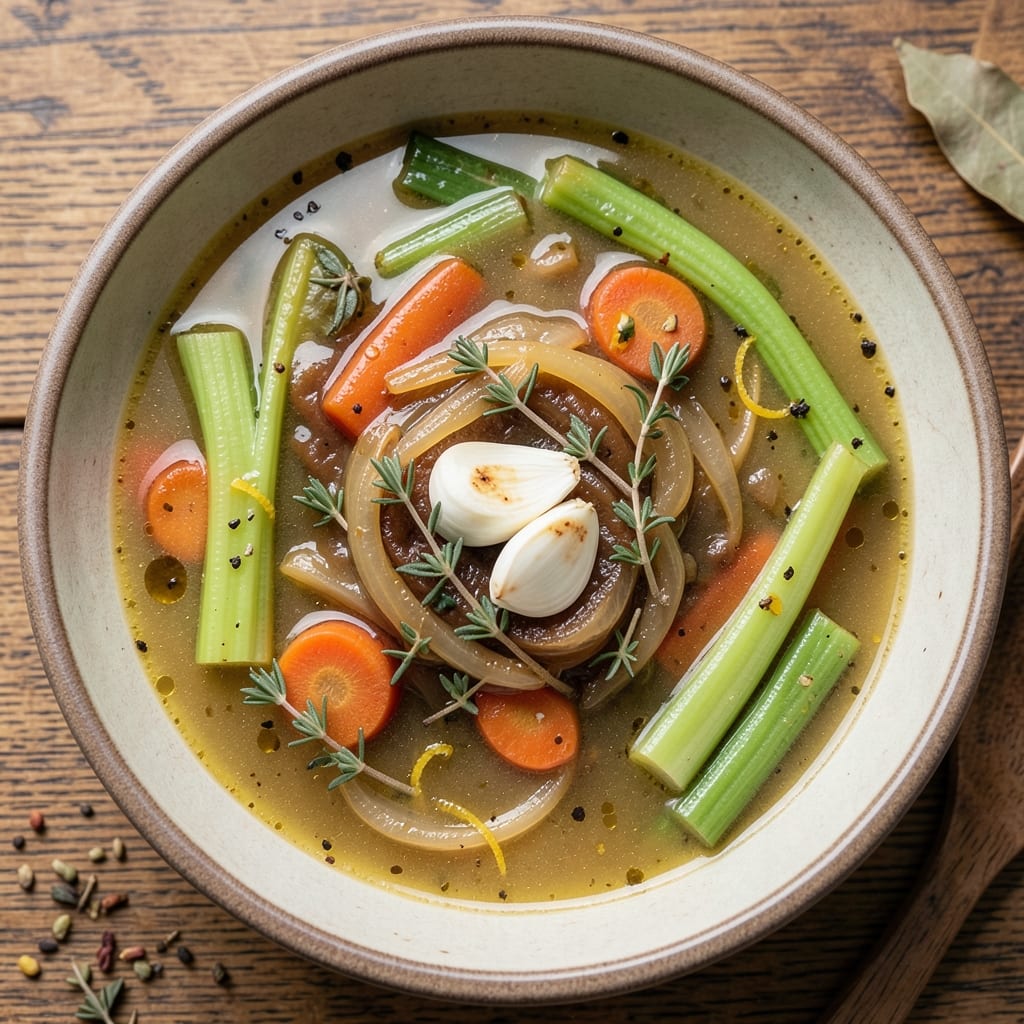
This 5-star vegetable soup recipe transforms humble ingredients into a vibrant, herb-infused bowl that rivals restaurant-quality meals. The secret lies in a balanced blend of fresh vegetables, aromatic herbs, and a slow-simmered broth that develops deep, umami-rich flavors. After testing countless variations, I've perfected a method that delivers a soup so flavorful it earns rave reviews every time—no expensive ingredients required.
The foundation begins with a flavorful base of onions, carrots, and celery that form the classic "holy trinity" of soup-making. Adding garlic, fresh thyme, and bay leaves infuses the broth with layers of aromatic depth, while a touch of vegetable stock ensures richness without heaviness. The real magic happens during the 30-minute simmer, where the vegetables soften just enough to release their natural sweetness while maintaining texture.
What sets this soup apart is the bright, herb-infused finish—fresh parsley and basil add freshness, while a swirl of olive oil and a sprinkle of parmesan (or nutritional yeast for vegan) elevate it to restaurant-worthy status. The result is a bowl that's creamy yet light, packed with vegetables but never overwhelming, and bursting with herbal notes that make every spoonful satisfying.
Perfect for weeknight dinners, meal prep, or impressing guests, this recipe delivers 5-star quality with minimal effort. The best part? It's completely customizable—swap in seasonal vegetables or adjust herbs to suit your taste. Let's make soup that stands out.
Ingredients for 5 star vegetable soup
Sixteen ingredients, restaurant-quality flavor—this vibrant vegetable soup transforms simple vegetables into a sophisticated bowl.
| Ingredient | Amount | Notes |
|---|---|---|
| Yellow Onion 🧅 | 1 ½ cups | Diced, medium size pieces |
| Carrots 🥕 | 3 medium | Peeled, cut into 1-inch chunks |
| Celery Stalks 🌿 | 3 whole | Trimmed, cut into 1-inch pieces |
| Garlic Cloves 🧄 | 4 cloves | Peeled, minced finely |
| Fresh Thyme Leaves 🌿 | ½ ounce | Or 2 tbsp dried thyme |
| Bay Leaves 🍃 | 2 whole | For deep aromatic flavor |
| Vegetable Stock 💧 | 4 cups | Low-sodium preferred |
| Potatoes 🥔 | 1 ½ lb | Yukon gold, cubed |
| Zucchini 🥒 | 1 medium | Sliced into half-moons |
| Fresh Parsley 🌿 | ¼ cup | Chopped, for garnish |
| Fresh Basil 🌿 | ¼ cup | Chopped, for garnish |
| Extra-Virgin Olive Oil 🫒 | ¼ cup | For finishing drizzle |
| Parmesan Cheese 🧀 | ¼ cup | Freshly grated, optional |
| Salt 🧂 | 1 ½ tsp | Diamond Crystal kosher |
| Black Pepper 🌶️ | ½ tsp | Freshly cracked |
The vegetable base is where flavor begins. Yukon gold potatoes add natural creaminess without dairy, while the classic onion-carrot-celery trio builds depth. Whole Foods or local markets often carry the freshest produce—look for firm, vibrant vegetables. The garlic and thyme are non-negotiable; Penzeys or bulk bins offer the best quality. Bay leaves may seem simple, but they're essential for that restaurant-style aroma. For the potatoes, Yukon gold or red potatoes work best—they hold their shape while adding richness. If using pre-chopped vegetables, rinse them well to remove excess moisture that can dilute your broth.
No fresh thyme? Dried works at one-third the amount, but fresh is ideal. Substituting zucchini? Green beans or bell peppers add different textures but work beautifully. The vegetable stock can be homemade (simmer vegetable scraps with herbs) or low-sodium store-bought brands like Pacific Foods. For a vegan option, omit the Parmesan and use nutritional yeast for cheesy flavor. The olive oil should be extra-virgin with fruity notes—cheap oil will taste harsh. If you're short on time, baby carrots and pre-diced onions save prep work without sacrificing quality. The herbs at the end? Fresh parsley and basil brighten the dish—don't skip them.
This soup tastes even better the next day as flavors meld. Store in an airtight container in the fridge for up to 5 days. For freezing, cool completely first, then portion into ziplock bags with 1-inch headspace—thaw overnight in the fridge. The Parmesan and herbs should be added fresh after reheating to preserve their brightness. Double the batch and freeze half for future meals—this soup reheats beautifully. For meal prep, store components separately (vegetables, broth, garnishes) and assemble when ready to eat to maintain texture.
Why You'll Love This Recipe
- Pantry-to-Bowl Speed: I swear by this recipe when I’m starving but don’t want to cook. Dice the onion, carrots, and celery—boom, 10 minutes max—and toss it all in one pot. The garlic and thyme infuse fast, so you’re eating in under 30, not hours.
- Thyme’s the Difference: That fresh thyme isn’t just garnish—it’s the soul of this soup. The bright, earthy notes cut through the sweet carrots and crisp celery, while the garlic adds a slow-building warmth. Honestly? It’s the kind of flavor that makes you pause mid-slurp.
- Lunchbox or Leftovers: This soup doubles as a meal prep MVP. Pack it cold for work—it stays fresh for days—or reheat it for dinner. Between us, I’ve served it at potlucks, sick-day dinners, and even as a side for holidays. It’s that adaptable.
- Budget Magic: Carrots, celery, onions—these are the ingredients that don’t judge your wallet. A single batch feeds four for under $5, and leftovers? They taste just as good the next day. My college fund (and my taste buds) thank me every time.
Step-by-step instructions for bright, herb-infused vegetable soup
This method transforms simple vegetables into a restaurant-worthy bowl with layered flavors and perfect texture.
Sauté the Aromatic Vegetable Base
Heat the 0.25 cup extra-virgin olive oil in a large Dutch oven over medium heat. Add the 1.5 cups diced yellow onion, 3 medium carrots, and 3 whole celery stalks (all prepped as specified). Cook for 8-10 minutes until the vegetables soften and the onions turn translucent, stirring occasionally. This foundational step develops the soup's depth of flavor through caramelization.
Add the 4 cloves minced garlic, 0.5 ounce fresh thyme leaves, and 2 whole bay leaves. Stir for 30 seconds until fragrant—this is when your kitchen should smell like a Mediterranean herb garden. The thyme and bay leaves will infuse the entire soup with their aromatic essence, so don't skip this crucial step. If you notice the garlic begins to brown too quickly, reduce the heat slightly to prevent bitterness.
Build the Soup Foundation
Pour in the 4 cups vegetable stock and bring to a gentle boil. Add the 1.5 lb cubed Yukon gold potatoes and 1 medium zucchini (sliced into half-moons). Reduce heat to low-medium and let the soup simmer for 15 minutes until the potatoes are fork-tender but not falling apart. This controlled simmer ensures the potatoes absorb the flavorful broth while maintaining their structure.
Season with the 1.5 tsp salt and 0.5 tsp black pepper, stirring well to distribute the seasoning evenly. Taste the broth at this stage—it should be seasoned but not yet fully developed. The vegetables will continue to release starches and flavors as they cook further. If using salt crystals, remember they contain less sodium per teaspoon than table salt, so adjust accordingly for proper seasoning.
Refine the Texture and Finish
Remove the 2 whole bay leaves and discard them after they've contributed their flavor. Increase heat to medium-high and let the soup simmer uncovered for an additional 10-12 minutes until the zucchini is tender and the potatoes are completely cooked through. The soup should now have a velvety consistency with the vegetables holding their shape—this is the perfect balance between rustic and refined.
Stir in the 0.25 cup chopped fresh parsley and 0.25 cup chopped fresh basil just before serving. These herbs add vibrant color and a bright, fresh finish that elevates the dish from ordinary to extraordinary. The parsley should be added last to preserve its fresh, slightly peppery notes, while the basil contributes a sweet, aromatic quality that pairs beautifully with the other vegetables.
Serve with Finishing Touches
Ladle the soup into bowls and drizzle each serving with a generous spoonful of the 0.25 cup extra-virgin olive oil. The oil floating on top creates a beautiful presentation while adding richness. For an optional finishing touch, sprinkle with 0.25 cup freshly grated Parmesan cheese—this adds a salty, umami dimension that complements the bright vegetable flavors.
Serve immediately while the soup is hot, as the flavors continue to develop and meld together. The combination of the herb-infused broth, perfectly cooked vegetables, and finishing touches creates a harmonious balance that makes this simple vegetable soup truly stand out. Each spoonful should deliver a perfect marriage of earthy, sweet, and aromatic notes that make this dish worthy of five stars.
Pro Tips For Making 5 Star Vegetable Soup
- Sweat, Don’t Burn: The onion, celery, and carrots need time to soften—not char. Cook them over medium-low heat for 8-10 minutes, stirring occasionally, until the onion is translucent and the celery’s edges just begin to soften. I learned this the hard way: rushing this step makes the soup taste bitter, and no one wants that in a 5-star dish.
- Slice Celery Diagonally: Cut the celery stalks into ¼-inch slices on the diagonal. This exposes more surface area, so they cook faster and release flavor into the broth. (Yes, it looks less uniform, but your soup will taste like it’s been simmering for hours instead of 30 minutes.)
- Salt the Broth Early: Add a pinch of salt to the broth as soon as it comes to a boil—before adding the vegetables. This jumpstarts the flavor extraction and prevents the soup from tasting flat, even if you forget to season later. (I know, I know—it sounds counterintuitive, but trust me.)
- Toast the Garlic: Once the onion, celery, and carrots are soft, turn up the heat, add the minced garlic, and cook for 30 seconds until it’s fragrant and just starting to turn golden. This prevents a raw garlic aftertaste and deepens the flavor. (If you skip this, your soup will still be good, but it won’t be five-star good.)
Dietary considerations for these flavors
Vegetarian-Friendly Base
This soup is naturally vegetarian, but the real magic happens with the Yukon gold potatoes and vegetable stock—they create a creamy texture without dairy. The 4 cups vegetable stock (low-sodium preferred) ensures depth of flavor without animal products. For extra richness, I sometimes add a splash of cashew cream (blend ¼ cup soaked cashews with ½ cup water) at the end. 🥔
Vegan Adaptations
To make this fully vegan, simply omit the Parmesan cheese and replace it with nutritional yeast (about 2 tbsp per serving). Nutritional yeast adds a cheesy, umami flavor without dairy. I also use olive oil instead of butter for sautéing, and ensure all stock and broths are plant-based. The dish remains just as satisfying and flavorful! 🌱
Gluten-Free Considerations
This recipe is naturally gluten-free, but always double-check your vegetable stock label—some brands contain wheat-based thickeners. I recommend Pacific Foods or homemade stock for guaranteed gluten-free results. The potatoes, vegetables, and herbs are all gluten-free staples, so no substitutions are needed here. Just be mindful of cross-contamination if you're highly sensitive. 🌾
Low-Sodium Options
For a lower-sodium version, reduce the 1.5 tsp salt to 1 tsp and use low-sodium vegetable stock. Boost flavor with extra fresh herbs (like thyme and basil) and a splash of lemon juice (about 1 tbsp) before serving. The natural sweetness of the vegetables will shine through, making the dish just as delicious without excess salt. 💧
Allergen-Friendly Swaps
If someone has a nightshade allergy, skip the zucchini and replace it with green beans or asparagus. For nut allergies, avoid cashew cream and use extra olive oil or a splash of coconut milk for creaminess. Always check labels on pre-made stocks and seasonings—some contain hidden allergens like soy or celery (common in Asian-style stocks). 🚫
Nutrition facts
Frequently asked questions about this 5-Star vegetable soup
Can I make this soup without potatoes for a lighter version?
Replace the 1.5 lb potatoes with 1.5 cups diced sweet potatoes or 1 lb cauliflower florets for a lower-carb option. The sweet potatoes add natural sweetness while cauliflower keeps it light and fluffy. Simmer for 12-15 minutes until tender—both alternatives work beautifully while maintaining that velvety texture.
How do I prevent my soup from getting watery when reheating?
Always reheat the soup uncovered on medium-low heat—never high heat. If it's too thin, remove the lid and let it reduce for 3-5 minutes. For extra insurance, stir in 1 tsp cornstarch mixed with 2 tbsp cold water while heating. The starch will gently thicken without altering the flavor. The key is patience—rushing causes separation.
What's the best way to store leftovers to keep them tasting fresh?
Let the soup cool completely before transferring to airtight containers. Store in the fridge for up to 5 days—the flavors actually deepen overnight! For freezing, portion into ziplock bags with 1-inch headspace and freeze flat. Thaw in the fridge overnight, then reheat gently. Never refreeze once thawed. The herbs and olive oil should be added fresh after reheating to preserve brightness.
Can I use canned tomatoes for extra depth of flavor?
Yes! Add 1 (14 oz) can diced tomatoes with the stock—just drain well first. For a smoother texture, blend half the can before adding. The tomatoes introduce acidity that balances the sweetness of the vegetables and enhances the umami. If using, reduce the stock to 3.5 cups to maintain proper consistency.
Why does my soup taste bland compared to the recipe?
Most likely, the vegetables weren't cooked long enough to develop flavor. Simmer uncovered for the full 25-30 minutes—this lets the starches release and flavors meld. Also check your stock: homemade or high-quality low-sodium brands make a huge difference. If using dried herbs, double the amount (e.g., 4 tbsp dried thyme instead of 0.5 oz fresh). Taste as you go and adjust salt gradually!