
Soups & Stews
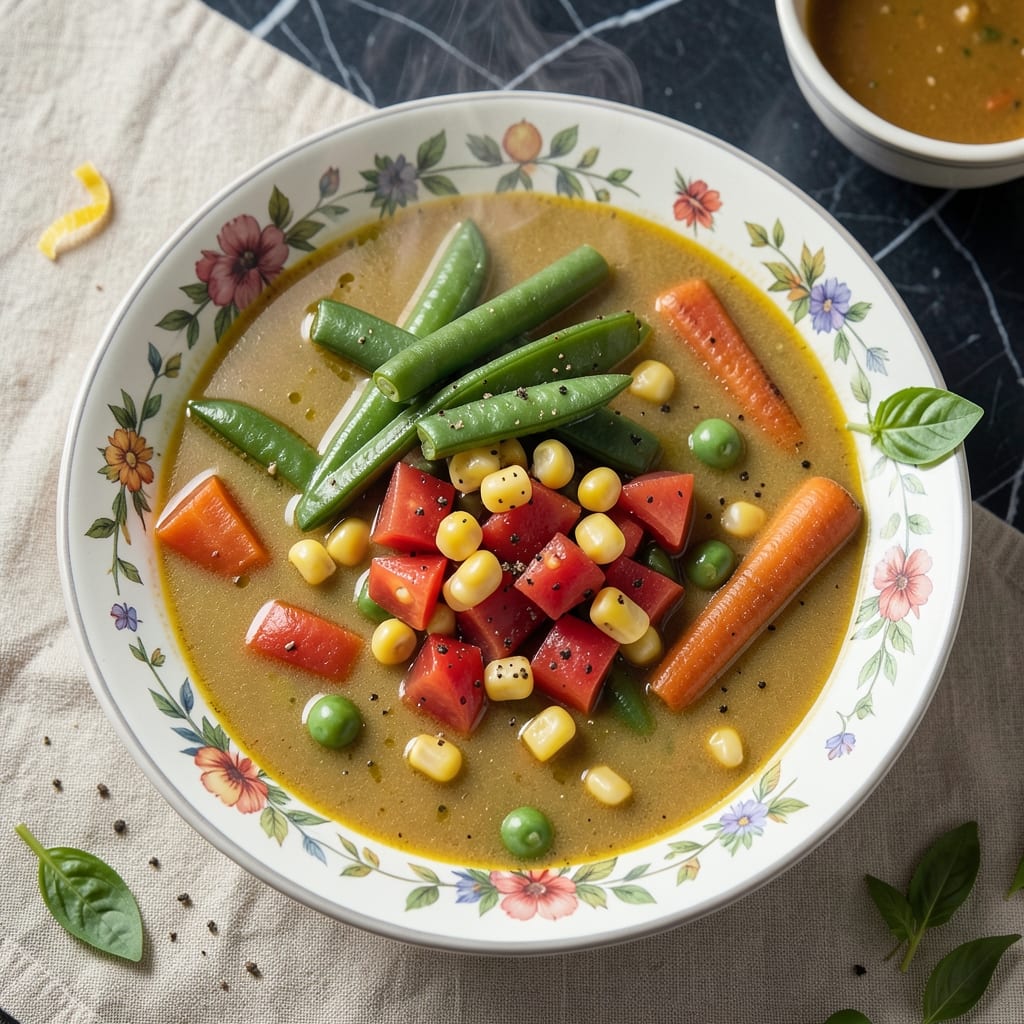
This 6-can vegetable soup recipe transforms pantry staples into a hearty, restaurant-quality meal in just 30 minutes. No fancy ingredients—just six simple cans of vegetables, aromatic spices, and a few pantry basics that come together for a soup so satisfying, you'll forget it started with cans. The secret lies in balancing textures and flavors, turning humble ingredients into something deeply comforting.
What makes this soup special is its versatility—swap any of the six cans for seasonal vegetables, add a handful of pasta or rice for extra heartiness, or stir in fresh herbs for brightness. The broth simmers down to a rich, savory base while the vegetables soften just enough to release their natural sweetness. It’s the kind of meal that feels indulgent but costs pennies to make, perfect for busy weeknights or cozy weekends.
By the time it’s done, you’ll have a steaming bowl of soup with tender vegetables, a velvety broth, and layers of warmth from the spices. The aroma alone will have everyone gathering around the table, and the first spoonful delivers on that promise of hearty, home-cooked goodness. This is the kind of recipe that turns pantry staples into a meal worth celebrating.
Serve it as-is for a light but filling lunch, or add a sprinkle of cheese and crusty bread for a more substantial dinner. The beauty of this soup is in its adaptability—it’s as simple as you want it to be, but always delivers on flavor. Let’s get cooking!
Ingredients for 6 can vegetable soup
Six simple cans plus pantry staples create a restaurant-worthy vegetable soup in minutes.
| Ingredient | Amount | Notes |
|---|---|---|
| Vegetable Broth 💧 | 4 cups | Low-sodium preferred for flavor control |
| Diced Tomatoes (Canned) 🍅 | 14 ½ oz | Fire-roasted for added depth |
| Corn Kernels (Canned) 🌽 | 15 oz | Drained well for texture |
| Green Beans (Canned) 🧅 | 14 ½ oz | Cut into bite-sized pieces |
| Carrots (Canned) 🥕 | 15 oz | Diced for even cooking |
| Peas (Canned) 🌱 | 15 oz | Fresh or frozen work too |
| Onion (Yellow) 🧅 | 1 whole | Diced finely for base flavor |
| Garlic Cloves 🧄 | 3 cloves | Minced for aromatic punch |
| Celery Stalks 🌿 | 2 whole | Diced for classic mirepoix |
| Dried Thyme 🌿 | 1 tsp | Or 1 tbsp fresh thyme leaves |
| Bay Leaves 🌿 | 2 whole | Remove before serving |
| Salt 🧂 | 1 tsp | Adjust to taste after cooking |
| Black Pepper 🌶️ | ½ tsp | Freshly ground preferred |
| Olive Oil 🫒 | 1 tbsp | For sautéing aromatics |
The vegetable broth is your flavor foundation—low-sodium versions give you more control over seasoning. Store-brand cans work perfectly for this recipe, but if you want to splurge, Pacific Foods or Imagine brands offer superior quality. For the canned vegetables, look for options with no added salt or preservatives. The fire-roasted diced tomatoes add a smoky depth that elevates the whole dish. I always keep a few cans of each vegetable on hand for quick meals—Green Giant or Del Monte are reliable choices. If you prefer fresh or frozen, that works too, but the convenience of cans makes this recipe a weeknight staple.
No vegetable broth? Chicken or vegetable bouillon cubes dissolved in hot water work in a pinch. Short on carrots? Swap for canned mushrooms or butternut squash—just adjust the cooking time slightly. The celery is non-negotiable for that classic mirepoix flavor, but if you're missing it, extra onion or leek can stand in. For the herbs, dried thyme is convenient, but fresh thyme leaves add a brighter note. If you're using frozen peas, there's no need to thaw them—they'll soften right in the broth. The key is balancing textures: tender carrots, firm green beans, and sweet corn create the perfect bite.
This soup tastes even better the next day as flavors meld together. Store in an airtight container in the fridge for up to 5 days, or freeze portions for 3 months. I like to portion it into individual containers for easy lunches. For extra heartiness, stir in cooked pasta or rice before serving. If you're serving it to kids, top with a sprinkle of grated Parmesan or shredded cheese—it disappears fast. The soup reheats beautifully; just add a splash of water or broth if it's too thick after refrigeration.
Why You'll Love This Recipe
- No-Chop Nightmare: I swear by this after a long day—just dump those six cans right into the pot. The green beans stay whole, the carrots melt into sweet ribbons, and the corn? Perfectly plump without a single kernel left to hunt. Honestly, the only prep is cracking open the cans and stirring.
- Sweet-Savory Balance: That first spoonful of warm tomatoes and carrots hits like a hug—tangy, slightly sweet, with a depth from the vegetable broth. The green beans add a bright crunch, while the corn brings a buttery pop. Between us, it’s the kind of simple soup that tastes made with love, not shortcuts.
- Meal Prep MVP: This soup doubles as lunch the next day—pack it in jars or containers, and it’s still hearty and delicious. I make a big batch on Sundays, and by Wednesday, I’m still pulling it out for a quick, no-fuss dinner. (Yes, even on a Tuesday night when takeout sounds better.)
- Pantry Goldmine: Six cans mean zero waste, zero stress, and a wallet that doesn’t scream. It’s my go-to when I’m low on fresh veggies or just want to clear out the pantry without breaking the bank. Plus, the leftovers? They’re the kind of soup that gets eaten faster than you can say “second helping.”
Step-by-step instructions for pantry vegetable soup
This soup comes together faster than you can chop an onion—just follow these simple steps.
🍳 Step 1: Sauté the Aromatic Base
Heat the 1 tablespoon olive oil in a large pot over medium heat. Add the 1 whole diced yellow onion, 2 diced celery stalks, and 3 minced garlic cloves. Cook for 5-6 minutes, stirring occasionally, until the vegetables soften and the onion becomes translucent.
Here's the thing—don't rush this step. The vegetables should release their natural sweetness and develop a golden hue. If the pan starts to dry out, add 1 tablespoon vegetable broth to prevent burning. This aromatic base forms the flavor foundation of your soup, so take your time.
👨🍳 Step 2: Add Herbs and Tomatoes
Stir in the 1 teaspoon dried thyme, 2 whole bay leaves, and 14.5 ounces diced tomatoes (with juices). Bring the mixture to a gentle simmer, then reduce heat to medium-low. Let it cook for 5 minutes, allowing the tomatoes to break down and release their rich, tangy flavors.
This is where the soup starts to come together. The tomatoes will soften and mingle with the aromatics, creating a velvety base. I like to give it a taste at this point—if it needs more depth, this is the moment to adjust seasoning before adding the remaining ingredients.
🥘 Step 3: Combine All Vegetables and Broth
Add the 4 cups vegetable broth, 15 ounces corn kernels, 14.5 ounces green beans, 15 ounces diced carrots, and 15 ounces peas. Stir well to combine, ensuring all the vegetables are evenly distributed. Bring the soup to a boil over high heat, then immediately reduce to medium-low to maintain a gentle simmer.
The reason we add everything at once is to ensure even cooking. The broth should just cover the vegetables—if it looks too thin, add ½ cup water to help the flavors meld properly. Let the soup simmer uncovered for 15 minutes, stirring occasionally, until all the vegetables are tender and the flavors have fully integrated.
⏰ Step 4: Season and Finish
Taste the soup and adjust seasoning with 1 teaspoon salt and ½ teaspoon black pepper. Remove the 2 bay leaves before serving, as they can be bitter if swallowed. If the soup needs more body, mash a few peas or carrots with a fork to thicken it slightly.
This is your final quality check. The soup should be hearty but not overly thick, with each bite delivering a perfect balance of sweet corn, tender green beans, and earthy carrots. The aroma should be rich and inviting—like a warm hug in a bowl. Serve immediately while hot, with crusty bread on the side.
Pro Tips For Making 6 Can Vegetable Soup
- Simmer, Don’t Boil: The second you dump all six cans into the pot, turn the heat to medium-low and let it bubble gently. I used to crank it up and end up with a watery, half-cooked mess—this soup needs time to marry flavors, not race to the finish line.
- Drain, Rinse, Repeat: Skip the juice from those canned veggies—especially the green beans and corn. Drain them well, give them a quick rinse under cold water, and pat dry if you’re feeling fancy. That extra starch makes the soup gloppy, and nobody wants mushy beans in their soup.
- Salt the Broth First: Taste that vegetable broth before you add anything else. If it’s bland (and most store-bought is), hit it with salt now—before the tomatoes and other veggies dilute it. You’ll thank yourself later when the soup isn’t tasting like sad, watered-down broth.
- Stir in the Tomatoes Last: Add the diced tomatoes in the final 5 minutes of cooking, not at the start. Their acidity needs to brighten the soup at the end, not get mellowed out in a long simmer. If you’re lazy, at least open them after the other veggies are warm—close enough.
Wine and beer pairings for this 6 can vegetable soup
Light White Wine
An un-oaked white wine like Sauvignon Blanc or Pinot Grigio is my go-to pairing for this bright, vegetable-forward soup. The crisp acidity and citrus notes cut through the richness of the broth while complementing the sweetness of the corn and carrots. Look for a New Zealand Sauvignon Blanc—its zesty grapefruit and herbal undertones elevate every spoonful. Serve slightly chilled to enhance the wine's refreshing qualities. 🍷
Crisp Lager Beer
A crisp, light lager like Peroni or Heineken works surprisingly well with this soup. The subtle malt sweetness balances the earthy vegetables, while the effervescence cleanses your palate between bites. For a craft option, try a Belgian witbier—its coriander and orange peel notes pair beautifully with the soup's herbal thyme. Serve at 45°F to preserve the beer's crispness. 🍺
Dry Rosé
If you prefer red but want to keep it light, a dry rosé from Provence is a fantastic choice. The delicate strawberry and floral notes harmonize with the soup's vegetables, while its acidity prevents the dish from tasting flat. I love Whispering Angel or Miraval for their bright, food-friendly profiles. A glass of rosé feels festive and pairs perfectly with a steaming bowl of soup. 🍸
Herbal Infusions
For a non-alcoholic option, try an herbal tea infusion like hibiscus or chamomile. Brew a strong cup, then add a splash of lemon juice and a pinch of honey for a refreshing contrast to the soup's savory depth. The floral notes complement the thyme in the soup, while the acidity brightens the broth. Serve warm for a cozy, comforting pairing. 🌿
Spiced Red Wine
If you prefer red wine, a light-bodied, spiced red like Pinot Noir or Beaujolais works well. The subtle fruitiness and earthy undertones mirror the soup's vegetable flavors without overpowering them. A Northern Italian Pinot Noir with its cherry and vanilla notes adds an extra layer of warmth. Decant for 15 minutes to soften the tannins and enhance aroma. 🍇
Nutrition facts
Frequently asked questions
Can I use fresh or frozen vegetables instead of cans?
Fresh or frozen vegetables work perfectly—just adjust cooking times. For example, fresh carrots and celery need 8-10 minutes of simmering after adding to the broth, while frozen peas only take 3-4 minutes. Drain excess liquid from frozen veggies to prevent a watery soup. The texture will differ slightly, but the flavor remains just as hearty.
How can I make this soup thicker or thinner?
For a thicker soup, simmer uncovered for 5-10 extra minutes to reduce the broth, or mash ½ cup peas or carrots with a fork. To thin it out, stir in ½ cup water or broth while heating. If using canned vegetables, draining them well before adding helps control consistency.
What are the best canned vegetable brands to use?
Look for low-sodium or no-salt-added options to control flavor better. Brands like Green Giant, Del Monte, or Libby's offer reliable quality. For extra richness, choose fire-roasted tomatoes or heirloom corn varieties. Always check labels for added preservatives if you're sensitive to those.
Can I make this soup in a slow cooker?
Yes! Sauté the aromatics first, then transfer everything to the slow cooker and cook on low for 4-6 hours or high for 2-3 hours. The low-and-slow method enhances flavors beautifully. Stir occasionally to prevent sticking, and add a splash of broth if needed to maintain consistency.
Why does my soup taste bland after refrigerating?
This happens when flavors separate after cooling. Reheat the soup on the stove with a splash of water or broth, then taste and adjust with extra salt, pepper, or a squeeze of lemon juice. Adding a pinch of MSG or soy sauce (just ½ teaspoon) can also boost umami depth without overpowering.