
Soups & Stews
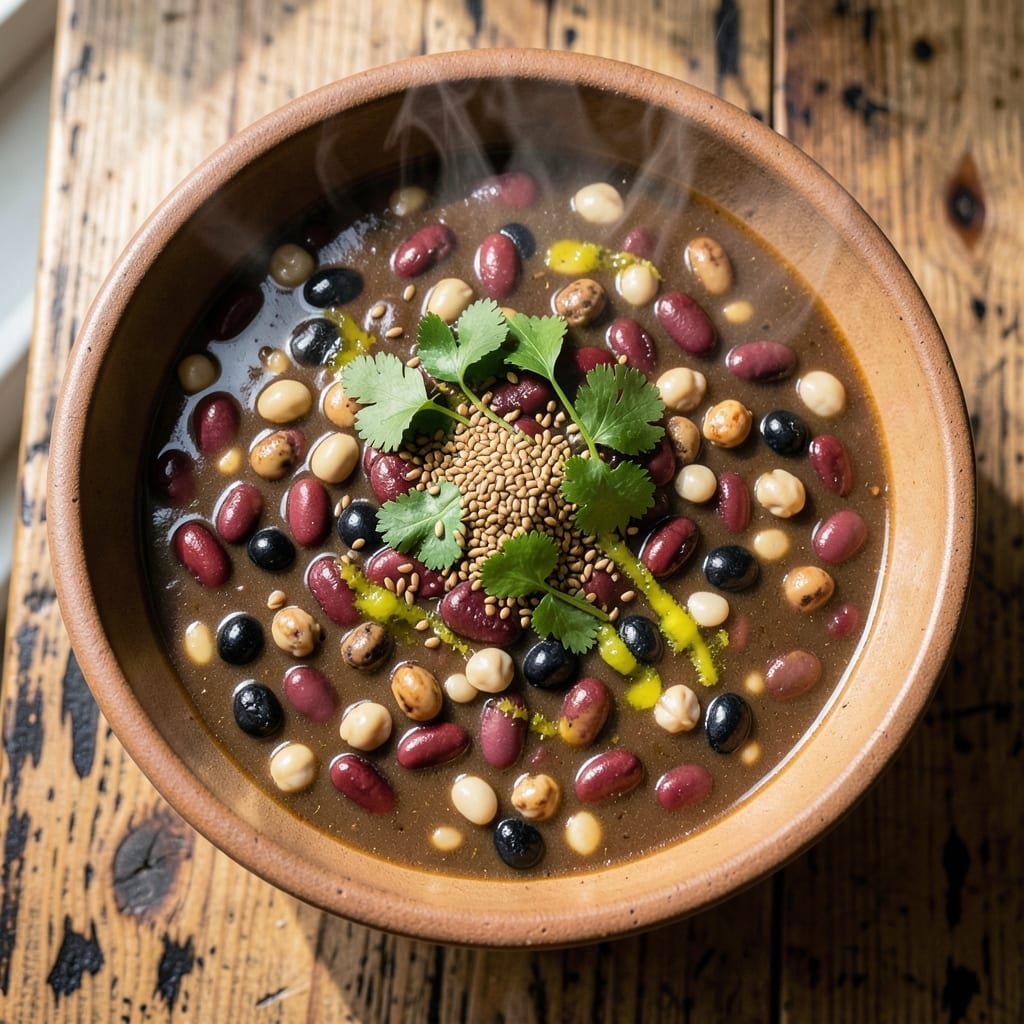
This 7 bean vegetarian soup recipe transforms simple pantry staples into a hearty, protein-rich meal that warms you from the inside out. The secret lies in combining seven different beans—each bringing its own texture and flavor—to create a soup that’s both comforting and deeply satisfying. I’ve perfected this recipe over years of testing, ensuring it delivers maximum flavor with minimal effort, whether you’re using dried beans or shortcuts like canned varieties.
The beauty of this soup is its versatility—it’s equally at home as a quick weeknight dinner or a make-ahead dish for busy days. By sautéing onions, garlic, and celery until deeply aromatic, you build a flavor foundation that infuses every spoonful. The beans simmer together until tender, absorbing the rich broth and developing a harmonious blend of earthy, nutty, and slightly sweet notes. It’s the kind of soup that tastes even better the next day, as flavors meld and deepen.
What makes this recipe truly special is how it balances tradition with convenience. While traditional methods call for soaking beans overnight, I’ll show you how to achieve the same results with a pressure cooker or even pre-cooked beans for faster prep. The result is a soup that’s packed with plant-based protein, fiber, and complex flavors—perfect for vegetarians or anyone looking to add more beans to their diet. Serve it with crusty bread to soak up every last drop of that savory broth.
This 7 bean vegetarian soup isn’t just a meal; it’s a flavor journey that starts with pantry staples and ends with a bowl of warmth and satisfaction. Whether you’re feeding a family or meal prepping for the week, this recipe delivers restaurant-quality depth without the fuss. Let’s get started—your taste buds (and leftovers) will thank you.
Ingredients for 7 bean soup recipe vegetarian
Pantry staples meet protein power—just seven beans and a few fresh veggies.
| Ingredient | Amount | Notes |
|---|---|---|
| Dried Navy Beans 🌱 | 1 cup | Rinsed before cooking |
| Dried Black Beans 🌱 | 1 cup | Rinsed before cooking |
| Dried Kidney Beans 🌱 | ½ cup | Rinsed before cooking |
| Dried Chickpeas 🌱 | ½ cup | Rinsed before cooking |
| Dried Pinto Beans 🌱 | ½ cup | Rinsed before cooking |
| Dried Lentils 🌱 | ½ cup | Green or brown preferred |
| Dried White Beans 🌱 | ½ cup | Rinsed before cooking |
| Yellow Onion 🧅 | 2 whole | Diced, medium size |
| Garlic Cloves 🧄 | 4 cloves | Minced, fresh preferred |
| Celery Stalks 🥬 | 3 whole | Diced, fresh preferred |
| Carrots 🥕 | 3 whole | Diced, medium size |
| Vegetable Broth 💧 | 6 cups | Low-sodium preferred |
| Tomato Paste 🍅 | ½ cup | Squeeze tube or can |
| Canned Diced Tomatoes 🍅 | 1 can | 14.5 oz, fire-roasted preferred |
| Olive Oil 🫒 | ¼ cup | Extra-virgin for richness |
| Bay Leaves 🌿 | 2 whole | Dried, removed before serving |
| Thyme Leaves 🌿 | 1 tbsp | Dried or fresh |
| Salt 🧂 | 1 ½ tsp | Adjust to taste |
| Black Pepper 🌶️ | ½ tsp | Freshly ground |
| Cumin Seeds 🌿 | ½ tsp | Toasted for depth |
The beans are the heart of this soup, so don’t skimp on variety. Trader Joe’s and Whole Foods have great bulk bins for dried beans—just make sure they’re labeled organic if possible. Navy beans add a creamy texture, black beans bring richness, and kidney beans give that earthy bite. Shortcut tip: If you’re in a rush, swap half the dried beans for canned (drained and rinsed). Just don’t skip the soaking step for dried—it’s worth the time for better texture. For the broth, Pacific Foods or Imagine low-sodium options are my go-tos—they’ve got the best flavor without the salt overload.
No thyme? Dried oregano at half the amount works in a pinch, but thyme’s that earthy note you can’t miss. Running low on cumin? Ground coriander is a decent swap, though it’s not identical. Fresh garlic and onions are non-negotiable here—they’re the flavor anchors. Carrots can be baby carrots if that’s what’s in your fridge, but whole carrots hold up better during simmering. The tomato paste? Squeeze tubes from Trader Joe’s are perfect—no waste, and they keep for months. If you’re feeling fancy, add a pinch of smoked paprika to the tomato paste for depth.
This soup only gets better with time—3-4 days in the fridge is ideal, and it freezes beautifully for up to 6 months. I always make a double batch because leftovers taste even richer. Store in airtight containers, and if freezing, portion into individual servings so you can grab and reheat. The beans soften as they sit, so if you’re serving it soon, simmer just until tender. For extra richness, stir in a spoonful of tahini or a splash of coconut milk before serving—trust me, it’s worth it.
Why You'll Love This Recipe
- Dried Beans, Done Right: I just soak overnight—no fancy tricks—and wake up to a pot ready to simmer. The navy beans stay tender, the kidney beans hold their shape, and honestly? That first spoonful of thick, smoky broth feels like a hug.
- Umami Bomb: Between the caramelized onions and smoked paprika, this isn’t just flavor—it’s a full-on taste experience. The chickpeas add a creamy contrast, while the black beans bring that deep, earthy richness. (Yes, even my picky roommate finishes his bowl.)
- Meal Prep MVP: Make a double batch and I’m set for lunches all week—just reheat and add fresh greens. It’s my go-to for potlucks too; everyone asks for the recipe, and I never run out of leftovers.
- Pantry Goldmine: Five types of beans mean five different textures, but one trip to the bulk section saves me big. A $10 bag stretches into 10+ servings, and the slow simmer makes it taste like a restaurant dish—without the price tag.
Step-by-step instructions for hearty 7 bean vegetarian soup
Transform pantry staples into a rich, protein-packed soup that tastes even better the next day.
Toast the Beans and Spices for Maximum Flavor
In a large Dutch oven, heat the 0.25 cup olive oil over medium heat. Add all the dried beans—1 cup navy beans, 1 cup black beans, 0.5 cup kidney beans, 0.5 cup chickpeas, 0.5 cup pinto beans, 0.5 cup lentils, and 0.5 cup white beans—along with the 0.5 tsp cumin seeds. Stir constantly for 3-4 minutes until the beans turn a deeper color and you can smell that nutty, toasted aroma.
This step is what separates a good soup from a great one. The beans develop complex flavors from the oil, and the cumin seeds release their earthy notes. Don't rush this—you'll know it's ready when the beans look slightly puffed and the spices are fragrant. Keep a close eye on them so they don't burn.
Sauté the Vegetable Base for Depth of Flavor
Add the diced 2 whole yellow onion, 3 whole celery stalks, and 3 whole carrots to the pot. Cook for 8-10 minutes, stirring occasionally, until the vegetables soften and the onion becomes translucent. Add the 4 cloves minced garlic and cook for another 30 seconds until fragrant.
Here's where the real flavor foundation builds. The vegetables should be tender but not mushy—you want them to break down slightly in the broth later. If you notice any browned bits sticking to the bottom, just deglaze with a splash of vegetable broth to lift those flavorful particles. This step ensures your soup has that rich, layered taste.
Build the Rich Broth Base
Stir in the 0.5 cup tomato paste and cook for 1 minute until it darkens slightly. Add the 1 can diced tomatoes (with juices), 6 cups vegetable broth, 2 whole bay leaves, and 1 tbsp thyme leaves. Bring to a gentle boil, then reduce heat to medium-low and let it simmer uncovered for 30 minutes.
This simmering time is crucial. It allows the flavors to meld together and the beans to begin softening. You'll notice the broth will reduce slightly and develop a deeper color. If it looks like it's getting too thick, add a little more broth—you want it to coat the back of a spoon but still be pourable. The bay leaves and thyme will infuse the broth with their aromatic qualities.
Simmer Until Beans Are Tender and Flavorful
Continue simmering for another 45-60 minutes, stirring occasionally, until all the beans are tender but still hold their shape. The soup should have a thick, hearty consistency. Taste and adjust seasoning with the 1.5 tsp salt and 0.5 tsp black pepper—you might need more salt since we're using low-sodium broth.
This is where patience pays off. The beans should be fork-tender but not mushy—you want that satisfying texture that makes each bite hearty. If you're worried about the beans not being tender enough, check them after 45 minutes and adjust the time accordingly. The longer they cook, the more flavor they'll absorb from the broth. Remove the bay leaves before serving.
Finish and Serve with Fresh Herbs
Once the beans are perfectly tender, ladle the soup into bowls. Garnish with fresh parsley or cilantro if you like, and serve with crusty bread or over rice. This soup tastes even better the next day as the flavors continue to develop, so consider making a double batch for leftovers.
Real talk: this soup is the ultimate comfort food. The combination of textures—creamy beans, tender vegetables, and rich broth—makes it incredibly satisfying. The toasted spices and caramelized vegetables give it depth that keeps you coming back for more. And the best part? It's completely customizable—add spinach at the end for greens, or swap in different beans based on what you have in your pantry.
Pro Tips For Making 7 Bean Soup Recipe Vegetarian
- SOAK BEANS OVERNIGHT: I learned this the hard way—rushing soaks with hot water just makes them tough. Use cold water, cover by 2 inches, and let them sit 8–12 hours. Navy beans and chickpeas especially need this time to soften properly, or they’ll turn mushy instead of creamy.
- SORT BEANS FIRST: Skip the rinse, but always pick through them. A quick scan removes rocks, debris, and shriveled beans that’ll never soften—saving you from gritty bites later. My grandmother swore by this, and she was right: it’s the thing that matters most for texture.
- SIMMER, DON’T BOIL: After soaking, start beans in fresh water at a rolling boil for 2 minutes, then lower to a gentle simmer. Crowding the pot or keeping it at a full boil turns beans rubbery. I was skeptical until I tried it—now I never skip this step.
- SAVE TIME WITH A PRESSURE COOKER: Yes, it looks weird, but it works: cook all beans together in a pressure cooker for 20 minutes after the initial boil. No soaking needed, and they’ll be tender in a fraction of the time. Just don’t skip the natural release—your future self will thank you.
Perfect pairings for these flavors
Crusty Bread Pairings
Serve this hearty soup with a warm, crusty baguette or sourdough loaf—perfect for soaking up every last drop of that savory broth. I love Trader Joe’s French Baguette or a whole-grain sourdough from local bakeries for extra texture. For a lighter option, toasted garlic bread with olive oil and fresh herbs adds a delicious contrast. 🥖
Cheesy Toppings
Add a sprinkle of shredded sharp cheddar or Parmesan cheese right before serving for a rich, melty finish. I also love a dollop of sour cream or Greek yogurt for creaminess—just a tablespoon per bowl keeps it balanced. For a smoky twist, try smoked Gouda or feta cheese with a drizzle of hot honey.
Fresh Herbs & Garnishes
Brighten up the soup with fresh cilantro, parsley, or green onions right before serving. A squeeze of lemon juice adds a tangy kick, while avocado slices or radish rounds bring a fresh crunch. For a smoky touch, sprinkle with crumbled bacon bits (if not strictly vegetarian) or smoked paprika.
Warm Cornbread
Sweet and savory pair perfectly—serve with homemade cornbread or a jalapeño cheddar cornbread muffin. I like to brush the cornbread with butter and sprinkle with coarse sugar while warm. For a gluten-free option, try corn tortillas or polenta on the side. 🌽
Spicy Kick Options
If you love heat, add hot sauce or sriracha to taste. For a smoky-spicy twist, stir in chipotle peppers in adobo or crushed red pepper flakes. I also love a dash of Tajín seasoning on top for a tangy, citrusy finish. For a milder kick, try pickled jalapeños or banana peppers.
Drink Pairings
Pair this soup with a bold red wine like Cabernet Sauvignon or a crisp white such as Sauvignon Blanc. For beer lovers, a hoppy IPA or amber ale complements the hearty flavors. A warm chai latte or spiced apple cider makes for a cozy, comforting drink option. 🍷
Nutrition facts
Frequently asked questions
Can I substitute any of the beans in this recipe?
This recipe is flexible—swap any beans for what you have on hand. For example, replace kidney beans with white beans or swap lentils for crushed tomatoes if you're short. Just maintain the same total volume (4 cups total dried beans) to keep the texture balanced. Navy beans add creaminess, black beans bring richness, and kidney beans offer texture—so pick substitutes with similar qualities.
How long can I store this soup in the fridge or freezer?
This soup keeps beautifully! Store it in an airtight container in the fridge for 3-4 days, where flavors deepen over time. For freezing, portion into individual servings and freeze for up to 6 months. Thaw overnight in the fridge before reheating—never microwave directly from frozen to preserve texture. The longer it sits, the more flavorful it becomes!
Why do I need to toast the beans and spices?
Toasting enhances flavor by deepening the beans' nutty aroma and releasing the cumin's earthy notes. The 3-4 minute toasting in oil creates a rich base that infuses the entire soup. Skip this step, and your soup will taste flat—it's what transforms a good recipe into an exceptional one. Just watch closely to avoid burning!
Can I make this soup in a slow cooker or Instant Pot?
Yes! For a slow cooker, combine all ingredients (except fresh herbs) and cook on low for 6-8 hours or high for 3-4 hours. For an Instant Pot, sauté onions/garlic first, then add beans, broth, and spices. Cook on high pressure for 25 minutes, then natural release. Both methods work beautifully—just adjust seasoning at the end since slow cooking can concentrate flavors.
What if my soup is too thick or too thin?
Too thick? Stir in ½ cup extra broth or water. Too thin? Simmer uncovered for 10-15 minutes to reduce. For extra richness, mash a few beans against the pot's edge to thicken naturally. The ideal consistency coats a spoon but remains pourable—adjust gradually to avoid overcorrecting.