
Soups & Stews
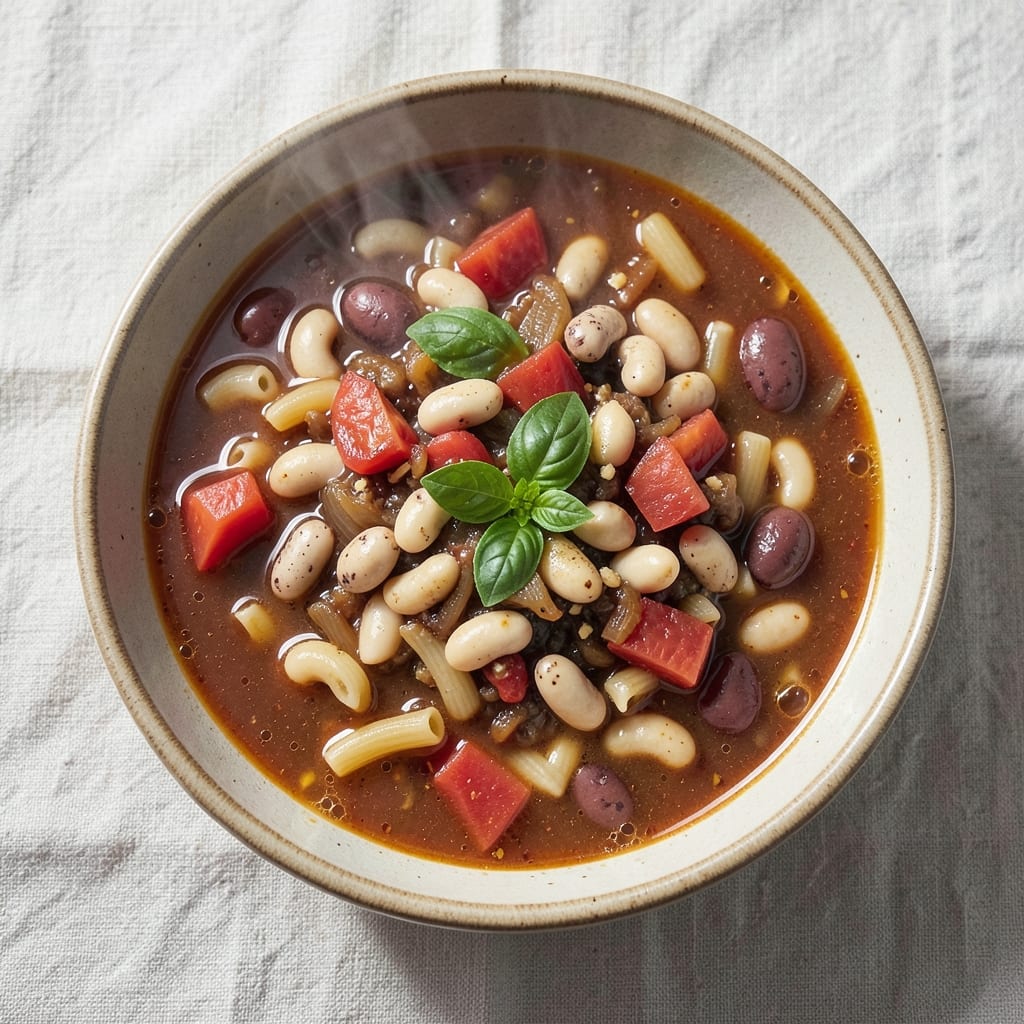
This 7-can minestrone soup recipe transforms pantry staples into a hearty, restaurant-worthy meal in under an hour—no fresh vegetables required. The beauty lies in its simplicity: canned beans, tomatoes, and broth form the base, while pasta and herbs add texture and depth. I developed this version during a particularly busy week when fresh produce wasn’t an option, and it became a staple in my rotation for its foolproof reliability and satisfying flavors.
The secret to great minestrone isn’t fancy techniques—it’s balancing textures and flavors. Sautéing garlic and onions first builds a rich foundation, while adding diced tomatoes and broth creates a savory, slightly tangy broth. The canned beans (white, kidney, and chickpeas) provide protein and heartiness, and small pasta shapes like ditalini or elbow macaroni cook perfectly in the simmering liquid. A handful of spinach at the end adds freshness without complicating the process.
What you’ll end up with is a hearty, vegetable-packed soup that’s creamy from the beans and tomatoes, with a satisfying bite from the pasta. The aroma alone—garlicky, herby, and tomato-rich—will fill your kitchen and signal comfort on a chilly day. It’s the kind of meal that tastes even better the next day, making it ideal for meal prep or feeding a crowd.
Best of all, this recipe is vegetarian-friendly by default but easily customizable. Add cooked sausage or shredded chicken for a meat version, or swap in canned lentils for extra protein. Serve with crusty bread or a sprinkle of grated Parmesan for the full experience. Let’s get cooking!
Ingredients for 7 can soup recipe minestrone
Seven cans, one pot, restaurant-worthy flavors without fresh produce—this is pantry magic.
| Ingredient | Amount | Notes |
|---|---|---|
| Ditalini Pasta 🍝 | 1 ½ cups | Uncooked, small tubes preferred |
| Diced Tomatoes (46 oz can) 🍅 | 1 can | San Marzano preferred for sweetness |
| Tomato Paste (6 oz can) 🍅 | 1 can | Squeeze tube works too |
| Vegetable Broth (32 oz can) 💧 | 1 can | Low-sodium preferred |
| White Beans (15 oz can) 🌿 | 1 can | Cannellini or great northern |
| Kidney Beans (15 oz can) 🌿 | 1 can | Drained and rinsed |
| Chickpeas (15 oz can) 🌿 | 1 can | Drained and rinsed |
| Garlic Cloves 🧄 | 4 cloves | Minced for depth of flavor |
| Yellow Onion 🧅 | 1 whole | Diced, medium size |
| Dried Basil 🌿 | 1 tbsp | Or 0.25 cup fresh |
| Dried Oregano 🌿 | 1 tsp | Mexican oregano preferred |
| Bay Leaves 🌿 | 2 whole | Removed before serving |
| Fresh Spinach (5 oz bag) 🌱 | 1 bag | Chopped, added at end |
| Olive Oil 🫒 | ¼ cup | Extra-virgin for richness |
| Salt 🧂 | 1 tsp | Kosher or sea salt |
| Black Pepper 🌶️ | ½ tsp | Freshly ground preferred |
The canned tomatoes and beans are the stars here, so San Marzano diced tomatoes and high-quality canned beans make all the difference. Trader Joe's and Whole Foods carry excellent brands, but don't overlook the store brands—they're often just as good. For the beans, I prefer cannellini white beans and kidney beans for their creamy texture and heartiness, but any canned beans will work. The vegetable broth should be low-sodium to avoid over-salting the soup. If you're using dried beans, soak them overnight and cook separately—this recipe is built for convenience, not labor. The pasta? Ditalini or elbow macaroni are ideal—they hold up well during cooking and add that satisfying bite.
No ditalini? Any small pasta shape works—even penne or farfalle. Fresh spinach unavailable? Frozen chopped spinach (thawed and drained) is a perfect swap. Want more depth? Add a pinch of red pepper flakes or a splash of red wine when sautéing the garlic. The tomato paste is non-negotiable—it thickens the soup beautifully. If you're using a squeeze tube, measure by weight (about 6 oz) or eyeball it. The dried herbs can be swapped for fresh at a 1:3 ratio (1 tbsp dried = 0.25 cup fresh), but don't skip them—they're what makes this taste homemade. For extra richness, stir in a spoonful of nutritional yeast at the end, especially if you're serving with bread.
This soup tastes even better the next day—honestly, I make a double batch just so I have leftovers. Store in an airtight container in the fridge for up to 5 days, or freeze for 3 months. The flavors meld beautifully overnight, so don't hesitate to make extra. For freezing, portion into individual containers so you can grab just what you need. Reheat gently on the stove with a splash of broth or water to restore the creamy texture. The spinach wilts fast, so add it last—just a few minutes before serving. And if you're serving with bread, toast it first—crusty sourdough or a good baguette turns this into a full meal.
Why You'll Love This Recipe
- Pantry Magic: I swear by this recipe when I’ve got nothing but cans and a pot. Ditalini pasta and those big cans of tomatoes? They turn into something hearty without a single fresh ingredient—proof you don’t need a garden to eat well.
- Tomato-Paste Secret: That 6-oz can of tomato paste isn’t just filler—it’s the flavor multiplier. Stir it into the broth first, let it bloom for 2 minutes, and suddenly you’ve got depth. My picky-eater husband actually asks for seconds now.
- Lunchbox Hero: Between us, this is my weeknight lifesaver. I make a double batch on Sundays, and by Wednesday, I’m serving it cold in jars with crusty bread—no reheating required. My kids pack it like it’s gourmet.
- Budget Bulk: Five dollars’ worth of cans stretches to feed four for two meals. White beans add protein, the broth keeps it rich, and the ditalini soaks up every last bit. Honestly, I’d call it frugal if it weren’t so good.
Step-by-step instructions for 7-Can minestrone soup
This hearty vegetarian soup comes together faster than you'd think with pantry staples.
Sauté Aromatics Until Fragrant
Heat the 0.25 cup olive oil in a large Dutch oven over medium heat. Add the 1 whole yellow onion and 4 cloves garlic cloves (minced) and cook for 5-6 minutes until the onion becomes translucent and the garlic releases its aroma. You'll know it's ready when the garlic just begins to turn golden—don't let it brown or it'll turn bitter.
Here's the thing—this initial cooking step builds the flavor foundation. If you rush it, the soup will taste flat. I like to stir occasionally and watch for that perfect moment when the garlic starts to perfume the kitchen. That's when you're ready for the next ingredient.
Build the Tomato Base
Add the 1 can tomato paste and stir vigorously to break it up completely. Cook for 1 minute until it darkens slightly. Then pour in the 1 can diced tomatoes (with juices) and the 1 can vegetable broth. Bring the mixture to a gentle boil over medium-high heat, then reduce to medium-low heat and let it simmer uncovered for 10 minutes.
This simmering time allows the tomato flavors to meld and develop depth. You'll notice the mixture thicken slightly as the liquid reduces. This is where the soup starts to transform from a simple tomato base into something more complex and flavorful. Don't walk away—you want to keep an eye on it to prevent boiling over.
Add Beans and Seasonings
Stir in the 1 can white beans, 1 can kidney beans, 1 can chickpeas (all drained and rinsed), 1 tbsp dried basil, 1 tsp dried oregano, and the 2 whole bay leaves. Add the 1 tsp salt and 0.5 tsp black pepper, then return to a gentle simmer. Let it cook uncovered for 15 minutes to allow all the flavors to meld together.
This is where the soup really starts to come together. The beans will absorb some of the liquid, and you'll see those beautiful herbs infusing the broth. The bay leaves will add a subtle earthy note that disappears when you remove them later. Keep stirring occasionally to prevent the beans from sticking to the bottom.
Finish with Pasta and Spinach
Add the 1.5 cups ditalini pasta and cook for 8-10 minutes or until the pasta is al dente. In the last 2 minutes of cooking, stir in the 1 bag fresh spinach (chopped) until just wilted. Remove and discard the bay leaves before serving.
The pasta should be tender but still have a slight bite—this ensures it holds up well in the soup. The spinach wilts quickly, so add it toward the end to maintain its vibrant color and texture. I like to taste the soup at this stage to adjust seasoning if needed. The flavors should be balanced with a good mix of tomato, herb, and bean notes.
Serve Warm with Crusty Bread
Ladle the minestrone into bowls and serve immediately. The soup should be thick but still spoonable, with visible chunks of pasta, beans, and spinach throughout. Each bite should deliver a perfect balance of hearty beans, tender pasta, and fresh spinach in a rich tomato broth.
This soup tastes even better the next day as the flavors continue to develop. I always make extra to have for lunch the following day. The combination of textures—creamy beans, chewy pasta, and tender spinach—makes this a truly satisfying meal that's perfect for chilly days or quick weeknight dinners.
Pro Tips For Making 7 Can Soup Recipe Minestrone
- Bloom the Tomato Paste: I learned this the hard way—just tossing that 6 oz can of tomato paste straight in with the broth? It’ll clump like a sad, lumpy brick. Instead, whisk it into ¼ cup of cold water or broth first, then stir it into the pot while the liquid’s already simmering. Let it cook for 2 minutes before adding the diced tomatoes, or you’ll end up with a soup that tastes like it’s hiding a secret ball of paste.
- Rinse the White Beans: That 15 oz can of white beans comes packed in saltwater—way saltier than your broth. Drain them, then rinse under cold water for 10 seconds to cut the saltiness. I know it’s an extra step, but skipping it means your soup will taste like a science experiment gone wrong. Trust me, the flavor balance is worth the 10 seconds.
- Add Pasta Last, Stir Fast: Ditalini’s tiny, so it cooks in minutes—but if you dump it in with everything else, it’ll turn to mush before the beans and tomatoes are done. Instead, cook the beans, tomatoes, and broth for 10 minutes first, then add the pasta and stir like you’re trying to win a race. Check the package time (usually 8-10 minutes), but taste-test at 7 minutes—it’s easier to add more pasta than fix gluey noodles.
- Toast the Ditalini First: This isn’t the prettiest method, but it’s the tastiest: Before adding the pasta to the soup, dry it in a skillet over medium heat for 2-3 minutes until it’s lightly golden. The nutty flavor cuts through the canned-tomato heaviness, and it won’t turn to mush as easily. (Yes, even if you’re impatient like me—just set a timer.)
Troubleshooting your 7 can soup recipe minestrone
Mushy Pasta Fix
If your pasta turns out mushy, it’s likely overcooked in the soup’s liquid. To prevent this, always cook pasta in a separate pot with plenty of salted water until al dente (about 1 minute less than package instructions). Then drain and add directly to the soup for the final 2 minutes of cooking. This ensures it absorbs flavor without losing texture. 🍲
Watery Soup Solution
A watery minestrone usually means too much liquid was added or the beans released excess moisture. To thicken, simmer uncovered for 10-15 extra minutes to reduce the broth. If still too thin, stir in 1 tbsp tomato paste or 1 cup cooked rice to absorb excess liquid. For future batches, reduce broth by ¼ cup or add an extra 1.5 cups pasta (it absorbs liquid beautifully).
Preventing Burnt Tomato Paste
Tomato paste burns easily if left unattended. After adding it, stir constantly for the first 1-2 minutes until it darkens slightly. If it sticks to the pot, add a splash of broth or water to deglaze. For extra insurance, cook the paste in a separate small pot first, then stir it into the soup after the aromatics are sautéed. This two-step method keeps flavors balanced and prevents burning. 🔥
Spinach Overcooking
Spinach wilts instantly when added to hot soup. To avoid a slimy texture, chop it finely and stir it in only in the last 2 minutes of cooking. If using frozen spinach, thaw and drain it first, then add it to the soup 1 minute before serving—this keeps it vibrant and prevents mushiness. A quick taste test helps: spinach should be tender but still bright green.
Dull Flavor Rescue
If your soup tastes flat, it likely needs more acidity or depth. Brighten it with 1 tbsp lemon juice or 1 tsp red wine vinegar, or boost umami with ½ tsp soy sauce or 1 tsp Worcestershire sauce. For extra richness, stir in 1 tbsp olive oil or a pinch of nutritional yeast (especially if serving vegetarian). A pinch of red pepper flakes can also wake up the flavors without overpowering.
Bean Texture Issues
If canned beans are too firm, simmer them in the soup for an extra 10 minutes uncovered. For mushy beans, drain and rinse them thoroughly before adding to the soup. If using dried beans, soak them overnight and cook separately until tender before mixing in. For a creamier texture, mash ½ of the white beans lightly with a fork before adding them to the pot. This adds natural thickness without altering the soup’s structure. 💡
Nutrition facts
Frequently asked questions
Can I substitute fresh vegetables for the canned ingredients?
While this recipe is designed for pantry convenience, you can easily swap in fresh veggies like zucchini, carrots, or celery. Just dice them small and add them with the beans during the 15-minute simmer to prevent mushiness. Fresh tomatoes work too—simmer them with the broth for 10 minutes to soften before adding other ingredients.
How do I make this minestrone meatier without using meat?
For a heartier texture without meat, add 1 can lentils (drained) or ½ cup cooked quinoa to the beans. You can also stir in ½ cup crumbled feta cheese at the end for richness, or top with toasted breadcrumbs for extra bite. The beans already provide plenty of protein, but these additions create satisfying depth.
What's the best way to reheat leftovers?
Reheat gently on the stove over medium-low heat, stirring occasionally and adding a splash of broth or water if the soup thickens too much. For microwave reheating, cover and heat in 1-minute intervals until hot. Never reheat beyond 165°F—this keeps the spinach vibrant and prevents a slimy texture. Stir well before serving to redistribute any settled ingredients.
Can I make this soup in a slow cooker or Instant Pot?
Yes! For a slow cooker, sauté the aromatics first, then combine everything (except spinach) and cook on low for 4-5 hours or high for 2-3 hours. For an Instant Pot, sauté aromatics, then add all ingredients (except spinach) and pressure cook for 8 minutes on high. Quick release, stir in spinach, and adjust seasoning. The Instant Pot version finishes faster but may need extra broth to reach desired consistency.
Why does my minestrone taste too salty?
Store-bought broth and canned beans often contain hidden salt. To fix it, dilute with ½ cup water or extra broth, or stir in 1 cup cooked pasta (it absorbs excess salt). For prevention, use low-sodium broth and rinse canned beans thoroughly. If the soup is still too salty, add a potato or carrot while reheating—it absorbs salt while cooking.