
Soups & Stews
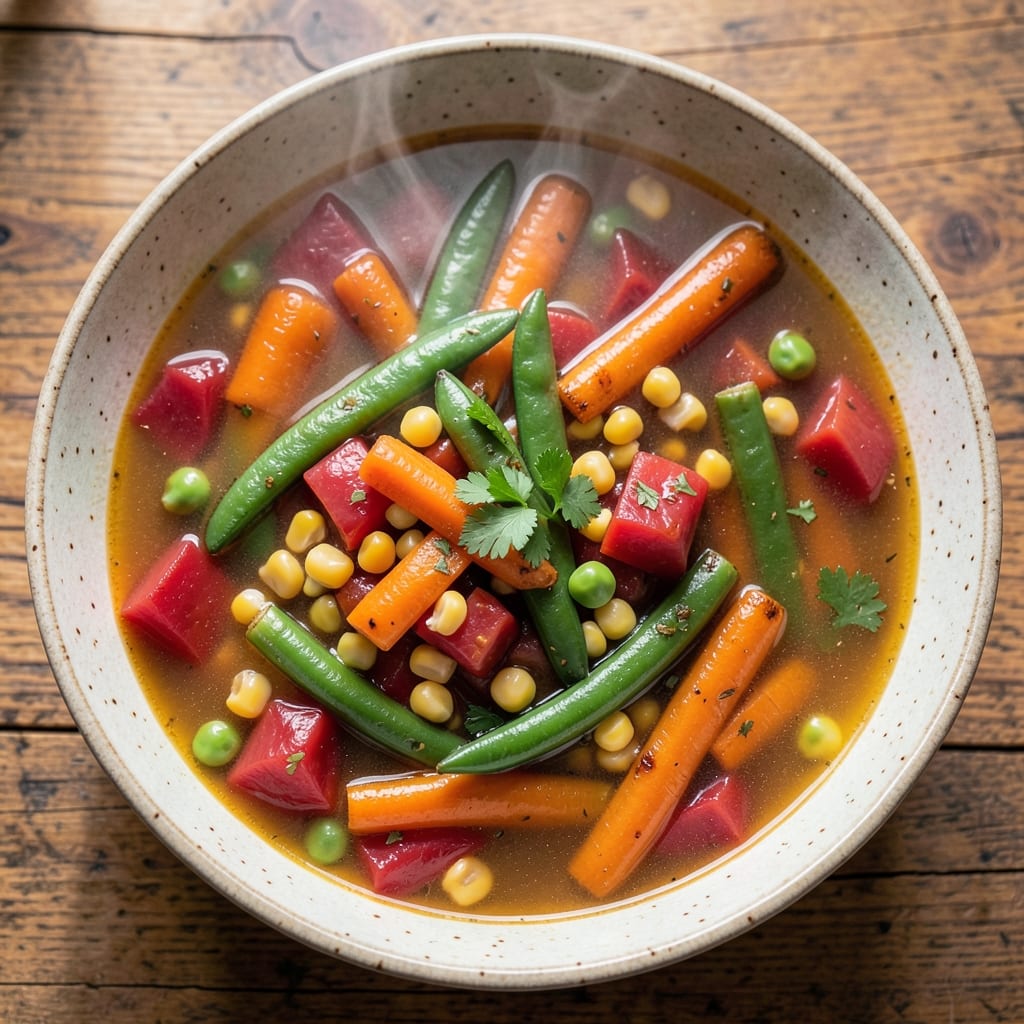
This 7-can vegetable soup recipe transforms pantry staples into a deeply satisfying meal with just one pot and minimal effort. The beauty lies in its simplicity—no fancy ingredients, no complicated techniques, just layers of flavor built from canned vegetables, broth, and a few pantry essentials. I developed this recipe during a particularly busy week when I needed comfort food that required zero prep and even less cleanup.
The magic happens when you combine seven different canned vegetables—think carrots, green beans, corn, and tomatoes—with aromatic spices and a touch of acidity from lemon juice. The result is a hearty, well-balanced soup that’s rich in texture and flavor, with tender vegetables and a broth that’s just thick enough to coat a spoon. This recipe is also entirely adaptable, making it perfect for vegetarians or anyone looking to stretch their grocery budget.
What you’ll end up with is a soup that’s warm, comforting, and packed with the kind of homey flavors that make weeknight dinners feel special. The vegetables retain their natural sweetness while absorbing the savory notes of the broth, creating a harmonious blend that’s both satisfying and nourishing. It’s the kind of meal that tastes like you’ve been simmering for hours, even though it only takes 30 minutes to come together.
Serve it as-is for a light but filling meal, or add a slice of crusty bread and a sprinkle of fresh herbs for extra depth. The best part? Leftovers reheat beautifully, making it an ideal make-ahead option for busy days. Let’s get started—your pantry is about to become your soup kitchen.
Ingredients for 7 can vegetable soup
Seven cans, one pot, and a pantry full of possibilities waiting to simmer.
| Ingredient | Amount | Notes |
|---|---|---|
| Vegetable Broth 💧 | 4 cups | Low-sodium preferred |
| Diced Tomatoes (14.5 oz can) 🍅 | 1 can | San Marzano if available |
| Carrots (14.5 oz can) 🥕 | 1 can | No salt added variety |
| Green Beans (14.5 oz can) 🌱 | 1 can | Cut or French-cut preferred |
| Sweet Corn (15 oz can) 🌽 | 1 can | Drained for texture |
| Peas (15 oz can) 🌿 | 1 can | Sweet or garden peas |
| Mushrooms (8 oz can) 🍄 | 1 can | Sliced, no salt added |
| Celery (14.5 oz can) 🧅 | 1 can | Diced, no salt added |
| Onion (14.5 oz can) 🧅 | 1 can | Diced, no salt added |
| Lemon Juice 🍋 | 1 tbsp | Freshly squeezed |
| Dried Thyme 🌿 | ½ tsp | Or 1 tsp fresh thyme |
| Garlic Powder 🧄 | ½ tsp | Fresh minced works too |
| Salt 🧂 | ½ tsp | Adjust to taste |
| Black Pepper 🌶️ | ¼ tsp | Freshly ground preferred |
| Olive Oil 🫒 | 1 tbsp | For richness |
Canned vegetables are the MVP here, so skip the salt-added versions—you'll control the seasoning. Trader Joe's and Costco have great no-salt-added options, but any store's budget brand works too. Look for cans with vibrant colors—dull or dented cans mean the veggies have lost their freshness. The mushrooms and celery add that extra umami punch, so don't skip them. For the broth, Swanson or Pacific Foods low-sodium options are my go-tos—they're widely available and keep well. If you're feeling fancy, a splash of vegetable bouillon paste instead of plain broth adds another layer of depth.
No canned corn? Frozen works perfectly—just thaw and drain it. No peas? Green beans or lima beans hold up just as well. Running low on thyme? Dried oregano at half the amount gives a similar earthy note. The lemon juice is key for brightness—bottled works in a pinch, but fresh is always better. For the garlic, if you're using fresh, 1 clove minced equals 1/4 tsp powder. And if you've got fresh herbs like parsley or dill, toss a handful in at the end for extra freshness.
This soup tastes even better the next day as flavors meld. Keeps in the fridge for 5-6 days in an airtight container, or freeze portions for up to 3 months. I always make a double batch—one for dinner, one for lunches. The veggies hold their texture beautifully when reheated, so it's perfect for meal prep. For serving, grab some crusty bread or crackers—the soup's hearty enough to stand on its own, but a little crunch never hurts.
Why You'll Love This Recipe
- No Chopping Needed: The cans do all the work—just dump, stir, and simmer. I’ll be real: some nights, I open those cans while my toddler "helps" (read: makes a mess), and we’ve got soup ready before bedtime.
- Sweet-Savory Balance: That sweet corn and tangy tomatoes? They play off the carrots’ natural sweetness like a well-rehearsed jazz trio. Honestly, the first time I tasted it, I thought, "Wait, this is actually good?"—and then I made it three times that week.
- Lunchbox Hero: Cold or warm, this soup travels like a champ. I pack it in thermoses for work or stash jars in the fridge for school lunches—my kids eat the corn first, but they still clear their bowls. (Yes, even on a Tuesday.)
- Pantry Magic: Seven cans mean minimal grocery trips and maximum leftovers. Between us, I’ve fed a houseful of guests with this—just double the batch—and still have enough for tomorrow’s dinner. Budget-friendly? More like pantry genius.
Step-by-step instructions for 7-Can vegetable soup
This hearty soup comes together faster than you'd think—just open cans and simmer.
Warm the Olive Oil and Aromatics
Heat the 1 tablespoon olive oil in a large pot over medium heat until shimmering but not smoking. This is where the flavor magic starts—don't rush this step. Add the 1 can diced tomatoes, 1 can onions, 1 can celery, and 1 can mushrooms all at once.
Stir everything together and let it cook for 5 minutes until the onions soften and the mushrooms release their moisture. You'll notice the aromas intensifying—that's when you know you're on the right track. This initial cooking step builds the soup's foundation.
Add Remaining Vegetables and Seasonings
Pour in the 4 cups vegetable broth and bring the mixture to a gentle boil. Add the 1 can carrots, 1 can green beans, 1 can sweet corn, and 1 can peas. Stir well to distribute all the vegetables evenly throughout the broth.
Reduce heat to medium-low and sprinkle in the 0.5 teaspoon dried thyme, 0.5 teaspoon garlic powder, 0.5 teaspoon salt, and 0.25 teaspoon black pepper. Give everything another good stir so the seasonings dissolve into the broth. The soup should look vibrant and inviting at this point.
Simmer Until Vegetables Are Tender
Let the soup simmer uncovered for 15-20 minutes, stirring occasionally. You're looking for the vegetables to soften just enough to become tender but still retain their distinct textures—carrots should be fork-tender, green beans slightly softened but still crisp, and corn kernels plump.
Here's the thing—don't let it boil vigorously. A gentle simmer prevents the vegetables from turning mushy. If the soup reduces too much and looks thick, you can add a splash of water or more broth to reach your desired consistency. The lemon juice will brighten everything up later, so save that for the final step.
Finish with Lemon Juice and Adjust Seasoning
After the vegetables are tender, remove the pot from heat and stir in the 1 tablespoon lemon juice. This final touch adds a bright, fresh contrast to the hearty vegetables. Give the soup a taste and adjust the seasoning if needed—you might need a pinch more salt or pepper depending on your taste preferences.
Let the soup sit off the heat for 5 minutes to allow all the flavors to meld together. The lemon juice will infuse throughout, creating that perfect balance of savory and tangy. This resting period also helps the vegetables absorb any remaining broth, making each spoonful even more flavorful.
Serve Warm with Crusty Bread
Ladle the soup into bowls and serve immediately while it's hot. The aroma alone will make your kitchen feel like a cozy home. This soup is perfect for chilly days or whenever you need a comforting meal that comes together in minutes.
For extra richness, you can top each serving with a drizzle of olive oil or a sprinkle of fresh parsley. The contrast of textures and flavors makes every bite satisfying. And the best part? This recipe makes 6 generous servings, so you'll have leftovers for another delicious meal.
Pro Tips For Making 7 Can Vegetable Soup
- DRAIN AND RINSE BEANS: The green beans and corn cans come packed with thick, salty brine that’ll turn your soup into a flavorless swamp if you ignore it. Dump them into a colander, give them a quick cold-water rinse, and shake off the excess—this cuts the salt load by half and keeps the texture crisp instead of mushy.
- CRUSH TOMATO CAN SLIGHTLY: That 14.5 oz can of diced tomatoes? Give it a few sharp smacks with the flat of a knife or the bottom of a glass before opening. You’re not pureeing—just breaking up the chunks so they distribute evenly and melt into the broth instead of floating like random tomato islands.
- SIMMER NOT BOIL: This isn’t pasta water—you’re not racing for al dente. Let the soup bubble gently at a low simmer (tiny bubbles, occasional swirls) for 10–15 minutes after combining. Boiling turns the carrots to mush and makes the green beans soggy; low heat keeps everything intact and lets flavors marry properly.
- SALT THE BROTH FIRST: Don’t wait until the end to season. Taste the vegetable broth as soon as it hits the pot—canned broth is often bland or overly salty. Adjust with salt (or a pinch of sugar if it’s bitter) before adding the rest of the ingredients. This ensures every canned veggie absorbs balanced flavor, not just whatever’s left in the broth.
Troubleshooting great 7 can vegetable soup
Mushy Vegetables
If your vegetables turn mushy after simmering, it’s likely because the soup boiled too vigorously or didn’t cook long enough on low heat. To fix this, always use medium-low heat and keep the soup uncovered to prevent steam buildup. If it happens, drain some broth through a fine-mesh strainer, then return the vegetables to the pot with fresh broth. Simmer for just 5-10 more minutes—this keeps them tender without losing texture. 🌱
Broth Too Thin
A watery soup often means the broth wasn’t reduced enough or too much liquid was added. If this happens, remove the pot from heat and let it cool slightly. Stir in 1 tablespoon cornstarch mixed with 2 tablespoons cold water, then simmer for 3-5 minutes until thickened. For a smoother texture, blend a ladle of soup and stir it back in. If you prefer chunkier soup, reduce the broth on its own in a separate pan first, then mix it back in. 💧
Overly Salty
Since we’re using no-salt-added vegetables, this usually isn’t an issue—but if your broth is too salty, dilute it by adding ½ cup water or vegetable broth per bowl. For a quicker fix, stir in 1 small diced potato or 2 tablespoons uncooked rice and simmer for 10 minutes—they’ll absorb excess salt as they cook. If the soup is already served, a dollop of Greek yogurt or sour cream can help balance the flavor. 🧂
Lacking Flavor Depth
If your soup tastes flat, it might need more umami or acidity. Boost umami by adding 1 teaspoon soy sauce or ½ teaspoon fish sauce (for non-vegetarian versions) or stir in 1 tablespoon tomato paste for richness. For brightness, add 1 extra tablespoon lemon juice or a pinch of smoked paprika. If the vegetables taste bland, try roasting them briefly before adding to the pot—this caramelizes their natural sugars and intensifies flavor. 🍋
Uneven Heating
If some parts of the soup are hotter than others, it’s likely because the pot isn’t distributing heat evenly. Use a heavy-bottomed pot (like a Le Creuset Dutch oven) to prevent hot spots. Stir the soup occasionally to circulate heat, and avoid placing the pot on the hottest burner. If using a stovetop, try medium-low heat instead of high to ensure even cooking. For electric stoves, check for a warmer back burner and adjust accordingly. 🔥
Vegetables Too Crunchy
If your vegetables aren’t tender enough, they likely need more time on the heat. Simmer uncovered for an additional 5-10 minutes, stirring occasionally. For tougher veggies like carrots or green beans, add ½ cup water to the pot and cover with a lid to steam them gently. If you’re short on time, blitz the soup with an immersion blender for a smoother, more cohesive texture. 🥕
Nutrition facts
Frequently asked questions
Can I use fresh vegetables instead of canned ones?
Swap any canned vegetable for its fresh counterpart, but adjust cooking times. Fresh veggies like carrots, celery, and onions will need 10-15 minutes of simmering to soften properly. For peas and corn, add them only in the last 5 minutes to preserve texture. Just be sure to chop everything into similar sizes for even cooking.
How can I make this soup vegetarian or vegan?
This recipe is already vegetarian-friendly, but for vegan version, simply replace the olive oil with vegetable oil or nut-based oil. Ensure your vegetable broth is vegan (check labels for chicken fat). All other ingredients are naturally vegan. For extra protein, stir in 1 can white beans or 1 cup cooked lentils.
Can I prepare this soup in an Instant Pot or pressure cooker?
Yes! Use the sauté function for 3 minutes to warm the oil and aromatics, then add all ingredients (except lemon juice) and cook on high pressure for 5 minutes. Quick-release the pressure, stir in lemon juice, and let sit for 5 minutes before serving. The pressure cooker cuts time to just 15 minutes total!
What are some good toppings or sides for this soup?
Try these pairings: Crusty bread or garlic toast soaks up the broth beautifully. For freshness, add chopped parsley, dill, or basil. A drizzle of hot sauce, sour cream, or grated Parmesan adds richness. For extra heartiness, serve with cornbread muffins or cheesy grits.
How do I store and reheat leftovers?
Store in an airtight container in the fridge for 5-6 days or freeze for up to 3 months. To reheat, warm on the stovetop over medium-low heat until bubbling, stirring occasionally. For microwave reheating, cover and heat in 1-minute intervals, stirring between each, until hot. Add a splash of water or broth if needed to restore texture.