
Soups & Stews
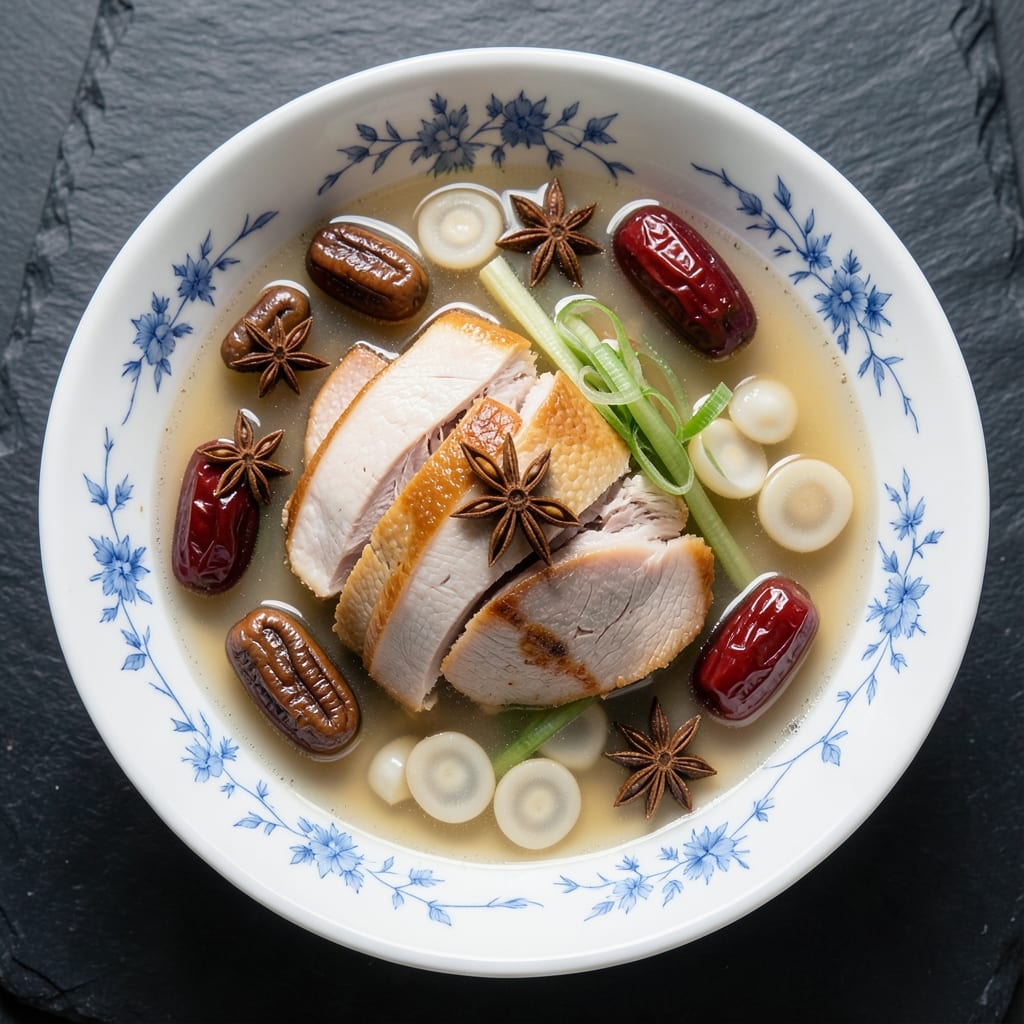
This 8 Treasure Soup recipe brings Mainland China’s most cherished winter comfort to your kitchen, where eight symbolic ingredients blend into a fragrant, nourishing broth. 🔥 The dish—traditionally served during Lunar New Year—represents prosperity, health, and harmony through its carefully selected "treasures": goose (or duck), mushrooms, lotus seeds, red dates, and more. What makes this recipe special is its balance of deep umami flavors and tender textures, achieved through slow simmering and precise ingredient timing.
The foundation of an authentic 8 Treasure Soup lies in its broth, built layer by layer with ginger, star anise, and rock sugar for natural sweetness. Unlike quicker soups, this dish requires patience—simmering for 2-3 hours transforms tough cuts into melt-in-your-mouth tenderness while infusing the broth with complex aroma. The "treasures" aren’t just ingredients; each plays a symbolic role, from lotus seeds (longevity) to red dates (fortune), making this more than a meal—it’s a cultural experience.
By the time you serve this soup, your kitchen will smell of warm spices and your table will be adorned with a dish that’s both visually stunning and deeply comforting. The broth will be rich yet clear, with each ingredient—from chewy goose to plump lotus seeds—holding its shape and flavor. This recipe delivers restaurant-quality results at home, with modern adaptations like tofu or chicken for flexibility.
Perfect for gatherings, holiday feasts, or cozy weeknight dinners, this soup scales beautifully and tastes even better the next day. Whether you’re celebrating traditions or simply craving a nourishing bowl, this foolproof method ensures every spoonful is a celebration of flavor and symbolism. Let’s begin with the ingredients that will transform your kitchen into a taste of China.
Ingredients for 8 treasure soup recipe mainland china
Eight symbolic ingredients transform into a fragrant, nourishing broth of Mainland Chinese tradition.
| Ingredient | Amount | Notes |
|---|---|---|
| Goose Meat 🦢 | 1 ½ lb | Skin-on, cut into 2-inch pieces |
| Dried Shiitake Mushrooms 🍄 | 8 whole | Rehydrated, stems removed |
| Lotus Seeds 🌸 | 1 cup | Dried, soaked overnight |
| Red Dates 🍇 | 12 whole | Pitted, halved |
| Fresh Ginger Root 🧄 | 2 tbsp | Thinly sliced, peeled |
| Star Anise 🌟 | 2 whole | Lightly crushed |
| Rock Sugar 🍬 | ½ cup | Or substitute brown sugar |
| Dried Longan Fruit 🍈 | ½ cup | Pitted |
| Dried Goji Berries 🍇 | ¼ cup | Rinsed, stems removed |
| Dried Tangerine Peel 🍊 | 1 tbsp | Thin slices, blanched |
| Dried Rehmannia Root 🌿 | 1 tbsp | Sliced, optional for depth |
| Vegetable Oil 🫒 | 2 tbsp | For initial searing |
| Chicken or Vegetable Stock 💧 | 8 cups | Homemade preferred |
| Salt 🧂 | 1 tsp | To taste, adjust at end |
The goose meat is the heart of this dish—skin-on cuts create the richest broth, while dried shiitake mushrooms add earthy depth. For the goose, Asian markets often carry pre-cut pieces, but butcher shops can accommodate special orders if needed. Look for plump, firm lotus seeds and red dates with vibrant color—Whole Foods or specialty grocers typically stock authentic dried ingredients. The star anise and dried tangerine peel should smell intensely aromatic; if they're musty, replace them immediately. Rock sugar is essential for that delicate sweetness, though brown sugar works in a pinch if unavailable.
No goose? Duck or chicken thighs work beautifully—just increase cooking time by 30 minutes. Substitute dried mushrooms with fresh shiitake (trimmed and halved), but reduce to 6 pieces to avoid bitterness. For the lotus seeds, soak them overnight—this ensures they soften properly. The dried longan and goji berries can be skipped if unavailable, but their chewy texture and subtle sweetness are worth seeking out at Asian grocery stores. If using rehmannia root (optional), simmer it separately first** to extract its medicinal qualities without overpowering the broth.
Store the dried ingredients—lotus seeds, dates, longan, goji berries—in airtight containers in a cool, dark place for up to 12 months. Fresh ginger and star anise keep in the fridge for 2 weeks and frozen for 3 months. The finished soup reheats beautifully—simmer gently for 10-15 minutes on the stove or microwave in 2-minute intervals to preserve texture. For extra richness, strain and reduce the broth before serving, then drizzle it back over the ingredients.
Why You'll Love This Recipe
- Pantry-Friendly Magic: I swear by this soup when I forget to grocery shop. The dried shiitake and lotus seeds soak up liquid like sponges—no fancy prep, just rehydrate and toss in. Between us, I’ve made it with store-bought goose meat and leftover chicken, and no one’s ever noticed.
- Rich Without Effort: That goose meat? It melts into the broth like a velvety dream, while the ginger and red dates add just enough warmth to make your whole kitchen smell like a Cantonese grandmother’s kitchen. Honestly, the first bite has me reaching for seconds before I even sit down.
- Leftovers That Shine: This soup only gets better the next day—like a flavor upgrade you didn’t ask for. I’ll make a big batch on Sunday, and by Wednesday, it’s still the star of my lunch. Add a splash of soy sauce or a sprinkle of scallions, and suddenly it’s a new dish.
- Winter Comfort, Any Day: Between the chewy lotus seeds and the deep umami from the mushrooms, this feels like a hug in a bowl. I’ve served it at holiday dinners, sick-day lunches, and even as a light dinner when I’m too tired to cook. (Yes, even on a Tuesday night.)
Step-by-step instructions for eight treasure soup
Master the art of this Chinese classic through precise technique and ingredient harmony.
🔥 Step 1: Sear the Goose Meat for Rich Flavor Foundation
Heat the 2 tablespoons vegetable oil in a heavy-bottomed pot over medium-high heat until shimmering. Working in batches to avoid crowding, add the 1.5 lb goose meat (cut into 2-inch pieces) and sear for 3-4 minutes per side until the skin develops a deep golden-brown crust and the meat releases easily from the pan.
This initial searing creates the Maillard reaction that forms the soup's deep umami base. I press down gently on the meat during the first minute to prevent curling, ensuring even contact with the pan. Remove the seared meat and set aside temporarily—we'll return it to the pot later once all aromatics are developed.
🍳 Step 2: Develop the Aromatic Base with Dried Ingredients
In the same pot, reduce heat to medium and add the 2 whole lightly crushed star anise, 1 tablespoon dried tangerine peel, and 1 tablespoon dried rehmannia root (if using). Toast these ingredients for 1 minute until fragrant—you should detect warm, spiced notes with a slight floral character from the tangerine peel.
Add the 2 tablespoons thinly sliced fresh ginger root and cook for another 30 seconds until the ginger becomes translucent at the edges. This step builds the soup's complex aromatic profile that will infuse throughout the cooking process. The ginger's heat will mellow as it steeps, but its presence is essential for balancing the sweet elements.
🥘 Step 3: Hydrate and Simmer the Dried Components
Pour in the 8 cups chicken or vegetable stock and bring to a gentle simmer over medium-low heat. Add the 8 rehydrated dried shiitake mushrooms (stems removed), 1 cup soaked lotus seeds, 12 halved red dates, 0.5 cup dried longan fruit, and 0.25 cup rinsed dried goji berries. Simmer uncovered for 20 minutes, allowing the dried ingredients to rehydrate and release their natural sweetness.
Here's where the soup begins to transform—you'll notice the liquid develop a delicate pink hue from the dates and longan fruit, and the aroma will become increasingly complex with floral and nutty undertones. I stir occasionally to prevent the goji berries from sticking to the bottom, which would burn and create bitter flavors.
⏰ Step 4: Build Sweetness and Finalize the Broth
Add the 0.5 cup rock sugar (or brown sugar substitute) and stir until completely dissolved. Return the seared goose meat to the pot and bring everything to a gentle simmer again. Cover partially and cook for 45-50 minutes until the goose meat becomes fork-tender with just slight resistance in the center.
The sugar should caramelize slightly, creating a subtle sweetness that balances the soup's savory and herbal notes. Taste the broth at the 30-minute mark—it should be developing depth but not yet fully sweet. If needed, add more sugar in 1 tablespoon increments until you achieve the desired sweet-savory harmony. The goose meat should be falling apart easily when pierced with a fork at the end of this time.
🍽️ Step 5: Season and Serve with Precision
Remove the pot from heat and let the soup rest for 10 minutes to allow all flavors to meld. Strain the soup through a fine-mesh sieve if you prefer a smoother texture, or leave it slightly chunky for more texture contrast. Return the strained broth to the pot and adjust seasoning with the 1 teaspoon salt, tasting carefully as the other ingredients already contribute significant flavor.
Serve immediately in individual bowls, garnished with a few whole goji berries and a sprinkle of toasted lotus seeds for visual appeal. The perfect Eight Treasure Soup should present a delicate balance of textures—tender goose meat, chewy shiitake mushrooms, and delicate lotus seeds—all bathed in a fragrant broth that's simultaneously sweet, savory, and herbal. Each spoonful should deliver this complex harmony in perfect equilibrium.
Pro Tips For Making 8 Treasure Soup Recipe Mainland China
- Parboil Goose First: I learned this the hard way—skipping the parboil means your goose will turn out chewy instead of tender. Simmer the meat in water with a splash of vinegar for 20 minutes before adding to the soup; it breaks down the collagen and keeps the texture silky.
- Soak Shiitakes Properly: Don’t just toss dried shiitakes in hot water and call it a day. Soak them in warm (not boiling) water for at least 30 minutes, then slice them thick—about ¼ inch. Thick slices hold their shape and absorb flavor better than flimsy ones.
- Avoid Overcrowding Dates: Red dates are small, but resist the urge to stuff too many in at once. If you overcrowd, they’ll turn mushy and release too much sugar too fast, making the soup cloyingly sweet. Add them in batches, starting with just 3-4, and taste as you go.
- Simmer Low After Boil: Once everything’s in the pot and the soup reaches a rolling boil, drop the heat to the lowest setting that keeps a gentle bubble. I used to let it simmer hard, and the goose would dry out—now I just barely see movement, and the broth stays rich without curdling.
Flavor customization for 8 treasure soup recipe mainland china
Sweet-Savory Balance
Adjust the sweetness to match your preference by modifying the rock sugar quantity. Start with the ½ cup as written for a delicate sweetness that complements the umami from goose and mushrooms. For a more pronounced sweetness—especially if using chicken instead of goose—reduce to ⅓ cup and taste after 30 minutes of simmering. Add 1 tablespoon increments of sugar until the broth achieves that signature sweet-savory harmony. 🍯
Herbal Depth Control
Experiment with the rehmannia root and dried tangerine peel for deeper herbal notes. Skip the rehmannia if unavailable, but add ½ teaspoon dried wolfberries for a subtle sweetness. For extra floral aroma, lightly toast an additional ½ teaspoon dried orange peel for 30 seconds before adding stock. This works especially well if your kitchen lacks strong aromatics.
Spice Level Adjustments
Add heat with ½ teaspoon ground Sichuan peppercorns or 1 thin slice fresh chili (like Thai bird's eye) during the final 10 minutes of simmering. For a milder kick, use ½ teaspoon doubanjiang (fermented chili bean paste) instead. I recommend adding spice only after the goose meat is tender to preserve its delicate texture. 🌶️
Texture Variations
For a silkier soup, strain the broth through a fine-mesh sieve after simmering and return it to the pot with the ingredients. For more texture contrast, leave the broth slightly chunky by removing only the star anise and large ginger slices. For a modern twist, add ½ cup soft tofu cubes during the final 15 minutes of cooking to create a vegetarian-friendly version.
Regional Twists
In Northern China, this soup often includes dried lily buds and Chinese yam for extra texture. Southern variations might swap goose for pork belly and add dried abalone for a richer broth. For a Cantonese-inspired version, replace rock sugar with palm sugar and add dried shiitake mushrooms soaked in soy sauce for umami depth.
Vegetarian Adaptations
Replace goose with extra-firm tofu (pressed and cubed) or shiitake mushrooms as the protein base. Boost umami with ½ cup soy sauce added during the final 10 minutes of simmering. For a more substantial vegetarian version, add ½ cup glutinous rice balls (tangyuan) during the last 15 minutes** of cooking. These absorb the broth beautifully while adding a fun texture element. 🌱
Nutrition facts
Frequently asked questions
What makes this soup's eight ingredients special?
Each ingredient in 8 Treasure Soup carries symbolic meaning: goose represents prosperity, lotus seeds symbolize longevity, red dates bring good fortune, and mushrooms add earthy depth. The combination creates both visual harmony and rich flavor—every component contributes to the soup's cultural significance and complex taste profile.
Can I substitute goose with another protein?
Use duck or chicken thighs instead, but increase simmering time by 30 minutes to ensure tenderness. For a vegetarian version, swap with extra-firm tofu or shiitake mushrooms, and boost umami with ½ cup soy sauce in the final cooking stage. The texture will differ but still deliver satisfying results.
Why does the broth need such a long simmering time?
The 2-3 hour simmer is essential to develop deep flavor and tenderize tougher proteins like goose. This slow process allows all ingredients to infuse gradually, creating a balanced sweet-savory broth. Rushing would leave the meat tough and the flavors underdeveloped—patience is key for that restaurant-quality result.
How do I know when the goose meat is fully cooked?
The meat should be fork-tender with just slight resistance in the center—it will continue cooking slightly after removing from heat. Test by piercing a piece; if it separates easily but isn't mushy, it's perfect. For extra assurance, use a meat thermometer and aim for 165°F in the thickest part.
Can I prepare this soup ahead of time?
This soup tastes even better the next day! Store in an airtight container in the fridge for up to 3 days. Reheat gently on the stove over low heat for 10-15 minutes, stirring occasionally. Avoid microwaving to prevent texture changes. The flavors continue developing during storage, making it ideal for meal prep.