
Soups & Stews
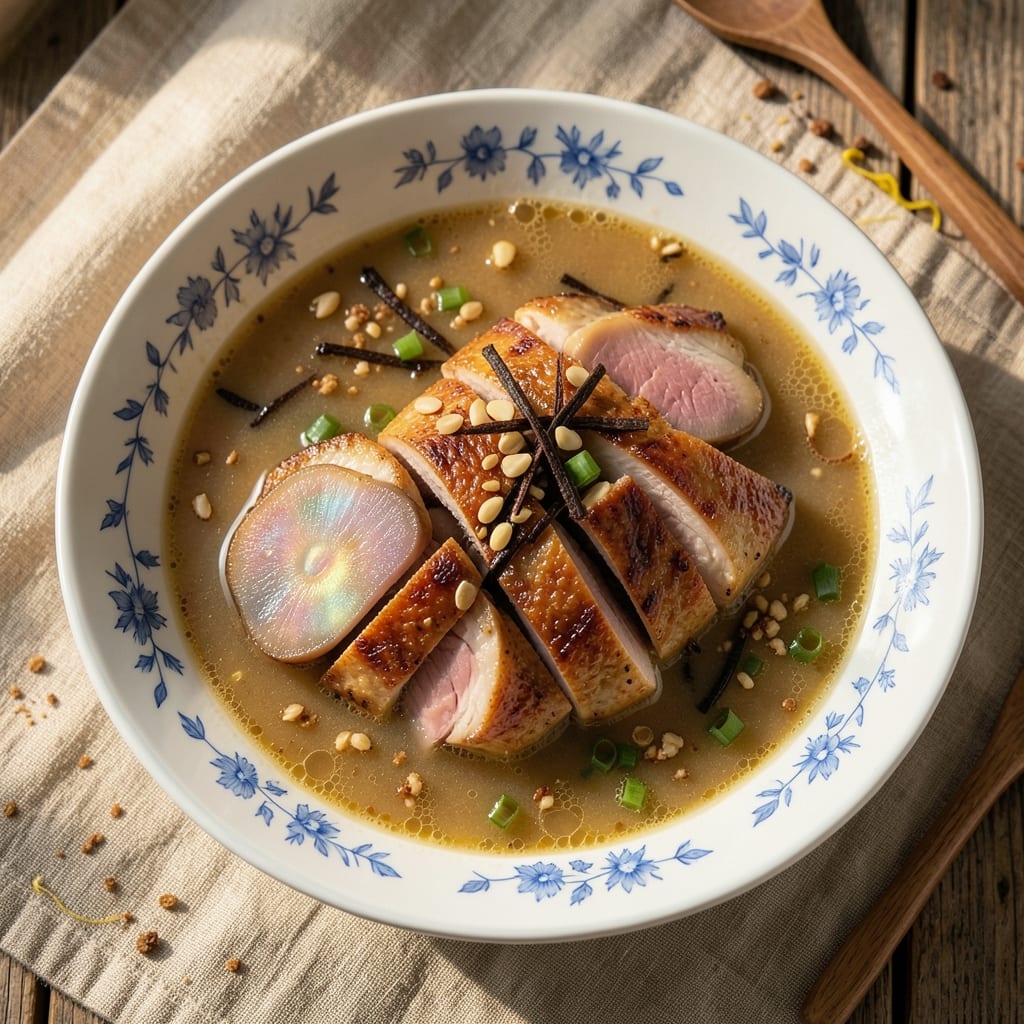
Abalone chicken soup transforms a simple pot into a symphony of briny sea and aromatic herbs—where tender chicken and delicate abalone melt into a velvety broth that feels like a hug in a bowl. This recipe balances the ocean's richness with warm, earthy spices, creating a dish that's both comforting and sophisticated. The key lies in slow-cooked abalone that stays tender yet firm, paired with chicken that absorbs the broth's deep flavors without falling apart.
What sets this soup apart is the layered approach: a robust broth built from chicken stock and seaweed, a delicate abalone that's gently poached to preserve its natural sweetness, and a finishing touch of fresh herbs that brighten every spoonful. The result is a harmonious blend where each ingredient sings its own part while supporting the whole—a perfect balance of textures from the silky abalone to the tender chicken and the silky broth.
This isn't just soup; it's a restaurant-quality experience you can recreate at home with careful technique and patience. The abalone's natural sweetness pairs beautifully with the umami depth of the broth, while the herbs add a fresh contrast that keeps the flavors vibrant. Whether you're serving it as a centerpiece for a dinner party or a cozy weeknight meal, this soup delivers both elegance and comfort.
Ready in about 1 hour 15 minutes, it's a dish that rewards your effort with every bite—rich, satisfying, and full of layers you won't find in store-bought versions. The secret is letting the flavors develop slowly, allowing the abalone to release its natural sweetness while the chicken absorbs the aromatic broth. Here's how to make it.
Ingredients for abalone chicken soup
Abalone and chicken bring oceanic richness to this velvety soup, where tender meat meets delicate sea flavors.
| Ingredient | Amount | Notes |
|---|---|---|
| Chicken Thighs 🍗 | 1 ½ lb | Bone-in, skin-on for flavor |
| Fresh Abalone 🐚 | 6 oz | Cleaned, dried, sliced thinly |
| Chicken Stock 🥫 | 6 cups | Homemade or high-quality store-bought |
| Dried Kombu Seaweed 🌿 | 1 piece | Cut into strips for umami depth |
| Shallots 🧅 | 2 whole | Minced finely for sweetness |
| Garlic Cloves 🧄 | 4 cloves | Peeled and smashed for aroma |
| Ginger Root 🌿 | 1 tbsp | Freshly grated, not powdered |
| Dried Shiitake Mushrooms 🍄 | 4 whole | Rehydrated in warm water |
| Sesame Oil 🫒 | 1 tbsp | Toasted for nutty aroma |
| Soy Sauce 🍶 | 2 tbsp | Light or all-purpose preferred |
| Rice Wine 🍷 | ½ cup | Dry, like Shaoxing wine |
| Fresh Cilantro 🌿 | ¼ cup | Chopped, for garnish |
| Fresh Thyme 🌿 | ¼ cup | Leaves only, for brightness |
| Green Onions 🧅 | 3 whole | Sliced thinly for garnish |
| Olive Oil 🫒 | 2 tbsp | For initial searing |
Abalone is the star here, so quality matters. Look for fresh, plump abalone at Asian markets—they often have it pre-sliced, which saves time. If buying whole, ask the fishmonger to slice it thinly for even cooking. Chicken thighs are better than breasts—they stay juicier during the long simmer. Trader Joe's or Whole Foods usually carry good-quality dried kombu and shiitake mushrooms, which add that deep umami without overpowering. Fresh ginger and garlic are non-negotiable; powdered versions just don't cut it for this dish.
No fresh abalone? Scallops or clams work in a pinch, though the texture won't be identical. Running out of rice wine? Dry sherry or white wine will do, but add a splash of sugar to balance. The kombu seaweed is key for that oceanic depth—don't skip it. For the mushrooms, soak them in warm water for 20 minutes, then use the soaking liquid in the broth. The cilantro and thyme should be fresh if possible, but dried works at half the amount if you're in a bind. Just remember: fresh herbs make all the difference in that final bright finish.
This soup tastes even better the next day as flavors meld. Store leftovers in the fridge for up to 3 days, or freeze for 2 months. I like to portion it into containers so it's ready for quick lunches. The abalone and chicken can be prepped ahead—they just need a quick simmer when you're ready to serve. Garnish with fresh herbs right before eating to keep everything vibrant. And trust me, the extra 15 minutes of simmering is worth it for that restaurant-quality texture.
Why You'll Love This Recipe
- No-Fuss Simmer: This soup practically cooks itself—just sear the chicken thighs until golden, toss in the abalone and kombu, then let the stock work its magic. I’m talking set-it-and-forget-it while you handle the rest of dinner (or, let’s be real, scroll through your phone).
- Umami Bomb: That kombu seaweed? It turns the broth into liquid gold—deep, briny, and impossibly rich without a single drop of soy sauce. The abalone melts into the stock like butter, while the shallots add a sweet, caramelized punch that makes every spoonful sing.
- Weeknight to Weekend: I’ve served this to tired parents at a PTA meeting and to my in-laws at Thanksgiving—same recipe, zero judgment. The rich flavors hold up for crowds, and the leftovers? Even better the next day, if you can resist eating the whole pot.
- Budget Luxury: Abalone might sound fancy, but a single piece stretches across two servings, and the kombu adds oceanic depth for pennies. Chicken thighs are forgiving, the stock is cheap to make in bulk, and you’ll feel like you’re dining out without the markup. (Yes, even on a Tuesday night.)
Step-by-step instructions for abalone chicken soup
This briny, herb-infused soup delivers deep umami and comforting warmth in every spoonful.
Sear the Chicken Thighs for Rich Flavor
Heat the 2 tablespoons olive oil in a large pot over medium-high heat until shimmering. Pat the 1.5 pounds chicken thighs dry with paper towels, then season generously with salt and pepper. Working in batches to avoid crowding, sear the chicken skin-side down for 4-5 minutes until golden brown and crispy. Flip and cook another 3-4 minutes until the internal temperature reaches 165°F. Remove the chicken and set aside on a plate.
Here's the thing—searing the chicken first builds incredible depth of flavor. The crispy skin adds texture, while the rendered fat infuses the broth. Don't rush this step; you want that golden crust. If the pan gets too crowded, reduce heat slightly to prevent steaming instead of browning.
Build the Umami-Packed Broth Base
In the same pot (no need to wipe it clean—those browned bits are flavor gold), add the 2 whole shallots and 4 cloves garlic cloves. Cook for 2 minutes until fragrant. Stir in the 1 tablespoon grated ginger root and the 1 piece dried kombu seaweed cut into strips. Pour in the 6 cups chicken stock and bring to a gentle boil.
The kombu seaweed is where the magic happens—it dissolves completely while adding that briny, oceanic depth that pairs perfectly with abalone. Reduce heat to medium-low and let the broth simmer for 10 minutes to meld flavors. This is when the aromatics release their full potential into the liquid foundation of your soup.
Rehydrate and Incorporate Mushrooms
While the broth simmers, prepare the 4 whole dried shiitake mushrooms. Place them in a bowl and cover with hot water from the broth. Let them soak for 20 minutes until pliable. Drain, reserving the soaking liquid, then slice the mushrooms. Add them to the simmering broth along with the 0.5 cup rice wine and 2 tablespoons soy sauce. Return to a gentle simmer for 5 minutes.
Here's where the texture contrast comes into play—the chewy shiitakes add body while the rice wine brightens the broth. If the broth reduces too much, add a splash of the reserved mushroom soaking liquid. The soy sauce should be stirred in now to distribute evenly, but don't let it boil vigorously or it may develop a harsh taste.
Add the Abalone and Finish the Soup
Return the seared chicken thighs to the pot. Increase heat to medium-high and bring to a boil. Reduce heat to medium-low and simmer for 15-20 minutes until chicken is fork-tender. Using tongs, carefully remove the chicken and shred the meat, discarding skin and bones. Return the shredded chicken to the pot.
Add the 6 ounces fresh abalone, sliced thinly. The abalone will cook quickly—simmer for just 3-4 minutes until opaque and tender. Here's the critical moment: stir in the 1 tablespoon toasted sesame oil and adjust seasoning with additional soy sauce if needed. The abalone should be plump and slightly translucent, not rubbery.
Garnish and Serve with Fresh Herbs
Ladle the hot soup into bowls. Garnish each serving with 0.25 cup chopped fresh cilantro, 0.25 cup fresh thyme leaves, and 3 whole sliced green onions. Drizzle with an extra touch of sesame oil if desired. The herbs should be added just before serving to preserve their bright, fresh flavors that contrast beautifully with the rich broth.
This soup is all about balance—salty abalone, savory chicken, umami kombu, and fresh herbs. Serve immediately while the abalone is still warm and tender. The aromatics will fill your kitchen with that perfect combination of briny sea and comforting herb notes that makes this soup so special.
Pro Tips For Making Abalone Chicken Soup
- Simmer Kombu First: Toss that dried kombu into the stock before adding chicken or abalone—it’ll steep for 10 minutes and infuse the broth with deep umami. I used to add it later, and the flavor was always half as rich. Let it bloom like tea, then remove it before serving (it’s edible but can be chewy if overcooked).
- Blanch Chicken Twice: Parboil the chicken thighs for 3 minutes, drain, then shock them in ice water. This stops cooking and keeps them from turning rubbery when they re-enter the simmering soup. I learned this the hard way after serving tough, overdone chicken—now my soup always delivers tender, juicy bites.
- Score Abalone Thinly: Use a sharp knife to make shallow cuts (about 1/8-inch deep) all over the abalone’s flesh before cooking. This lets the stock penetrate faster and prevents it from curling up like a stubborn child. Fresh abalone should be firm but slightly springy—if it smells fishy, soak it in milk for 10 minutes first.
- Shallots, Not Onions: Shallots add sweetness without overpowering the abalone’s briny depth—use 2-3 minced, sautéed in oil until translucent. Onions will make the soup taste like a side dish, not the star. Sauté them low and slow, or they’ll burn before the soup even hits the pot. (Yes, I’ve done that too.)
Essential equipment for this dish
Large Pot Essentials
A 6-8 quart heavy-bottomed pot is non-negotiable for this recipe. I recommend a stainless steel Dutch oven like the All-Clad D5—it distributes heat evenly and prevents hot spots that can overcook delicate abalone. If you're on a budget, the Cuisinart MultiClad Pro offers excellent performance at a lower price. The deep sides help contain splashes when adding abalone, and the tight-fitting lid traps steam for even cooking. 🌡️
Precision Thermometer
An instant-read meat thermometer is your best friend for perfect abalone and chicken. I use the Thermoworks ThermoPop—it's affordable, accurate to ±1°F, and has a backlight for easy reading. Insert the probe into the thickest part of the chicken thigh to check for 165°F, and monitor the abalone's doneness by its visual opacity (no need for a thermometer here). The Thermoworks Smoke is another great option if you want Bluetooth connectivity.
Seafood Tongs
Use long-handled seafood tongs (like OXO Good Grips) to handle the abalone without piercing its delicate slices. The 360-degree rotation makes it easy to position pieces perfectly in the broth. Avoid metal utensils—they can damage the abalone's texture. If you don't have tongs, use a slotted spoon with a wide bowl as a backup, but handle the abalone gently to prevent breaking.
Fine-Mesh Strainer
A fine-mesh strainer (I prefer OXO Good Grips) is essential for rehydrating shiitake mushrooms and straining any solids from the kombu-infused broth if needed. The 3-inch diameter is ideal for most home kitchens. For the mushroom soaking liquid, strain it through the fine mesh to remove any grit while keeping the flavorful liquid. This step ensures your broth stays silky smooth.
Microplane for Ginger
A high-quality microplane (like Bar-Kays) is crucial for freshly grating the 1 tablespoon ginger—it creates fine, even particles that dissolve perfectly into the broth. Pre-grated ginger from a jar lacks the freshness and potency needed for this recipe. The Bar-Kays also works well for shallots and garlic if you prefer to grate them instead of mincing. Freshly grated aromatics make all the difference in depth of flavor. 🌿
Sesame Oil Toaster
Toasting sesame oil enhances its nutty aroma, but a lightweight toaster isn't ideal—it can burn easily. Instead, use a small saucepan on low heat and add 1 tablespoon sesame oil. Heat for 30 seconds until fragrant but not smoking, then remove from heat. Immediately stir it into the soup to preserve its freshness. A toaster oven set to 200°F works too, but monitor closely to avoid burning. Never heat sesame oil on high!
Nutrition facts
Frequently asked questions
Can I substitute abalone with another seafood in this recipe?
Yes! If fresh abalone is unavailable, try scallops or clams for a similar briny flavor. Scallops should be seared first (2 minutes per side) before adding to the broth, while clams should be steamed open first. For texture, use 6 ounces total—adjust cooking time to 2-3 minutes for quick-cooking seafood like these.
Why does the recipe call for bone-in chicken thighs?
Bone-in thighs stay juicier during the long simmer and add incredible depth to the broth. The bones release collagen that thickens the soup naturally, while the skin creates a crispy contrast. If using boneless thighs, increase simmering time by 5 minutes to prevent dryness.
How can I make this soup gluten-free?
Use a gluten-free tamari instead of soy sauce and ensure your chicken stock is certified gluten-free. The kombu seaweed and rice wine are naturally gluten-free, so no other substitutions are needed. Always check labels on rice wine—some brands use wheat-based additives.
What's the best way to reheat leftovers?
Reheat gently on the stovetop over low heat for 5-7 minutes, stirring occasionally. Avoid microwaving—it can make the abalone rubbery. For best texture, reheat only what you'll eat immediately, as the abalone loses tenderness when reheated multiple times.
Can I prepare this soup ahead of time?
Prep all ingredients up to Step 3 (mushrooms added), then refrigerate the broth mixture for up to 24 hours. When ready to serve, simply add the chicken and abalone, simmering for the full time. The flavors actually improve overnight—just adjust seasoning before serving.