
Soups & Stews
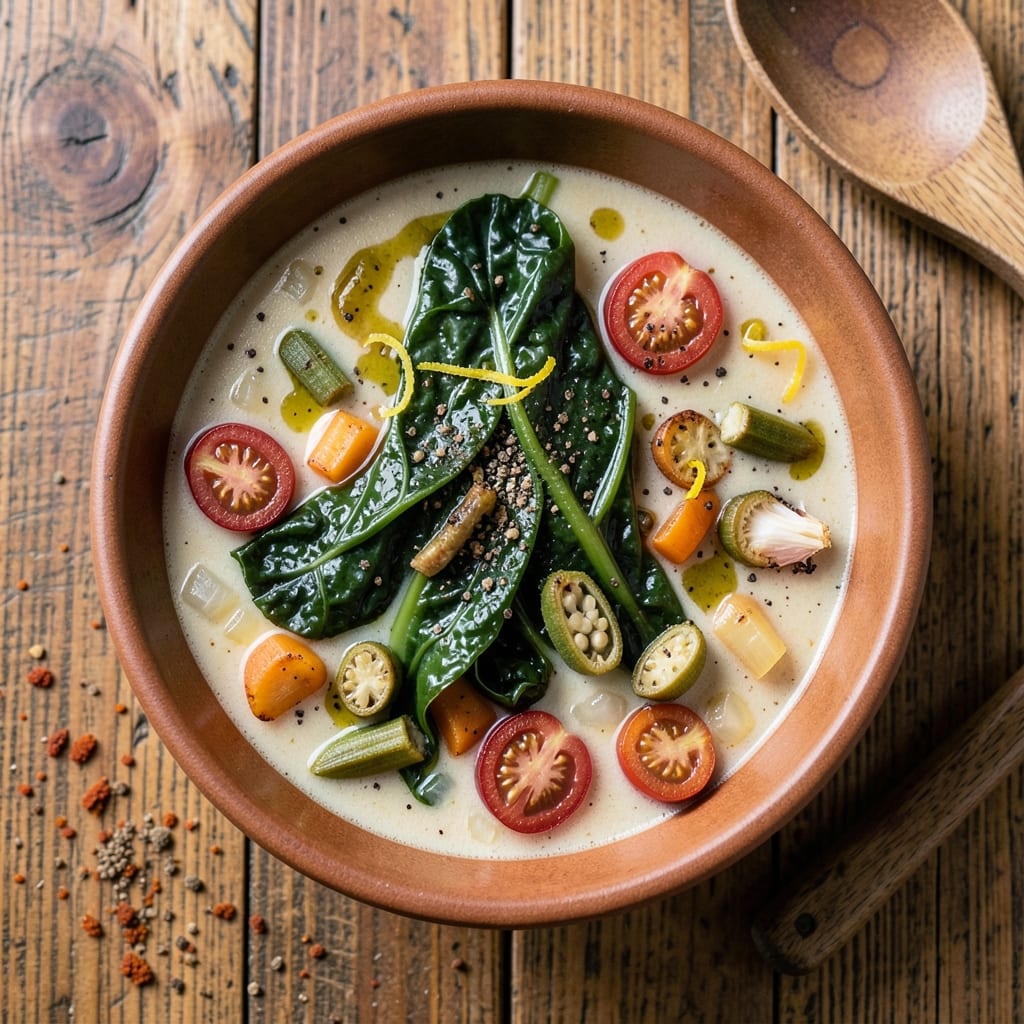
This African American vegetable soup recipe brings generations of soulful tradition to your kitchen, where collard greens, okra, and tomatoes create a rich, hearty broth that tells a story. The secret lies in slow-simmered flavors that develop over time, transforming simple ingredients into something deeply comforting. What makes this dish special is its ability to adapt—whether you're feeding a family or meal prepping for the week, each spoonful carries the warmth of home-cooked meals from decades past.
The beauty of this recipe is its approachability. You don’t need fancy techniques—just a large pot, patience, and a willingness to let the vegetables meld together naturally. The collard greens soften into tender, flavorful bites, the okra adds a satisfying texture, and the tomatoes provide a bright, tangy depth that balances everything. It’s the kind of soup that improves with time, as the flavors deepen and the aromas fill your home with an inviting warmth.
What you’ll end up with is a bowl of soup that’s as nourishing as it is delicious—packed with vegetables, rich in tradition, and perfect for any occasion. The broth is savory and slightly smoky, the greens are tender yet still hold their shape, and the okra contributes a subtle, satisfying bite. This isn’t just a recipe; it’s a taste of heritage, a dish that connects you to the roots of African American cuisine while fitting seamlessly into modern life.
Serve it with crusty bread or over rice, and you’ve got a meal that’s both hearty and soul-satisfying. Here’s how to bring this timeless classic to your table, step by step.
Ingredients for african american vegetable soup
Six cups of broth, a pound of greens, and the soul of tradition in every spoonful.
| Ingredient | Amount | Notes |
|---|---|---|
| Collard Greens 🥬 | 1 ½ lb | Fresh, stems removed, chopped |
| Okra 🌽 | 1 lb | Fresh, trimmed, sliced |
| Tomatoes 🍅 | 4 medium | Ripe, chopped (or 2 cups diced) |
| Carrots 🥕 | 3 medium | Peeled, sliced into rounds |
| Yellow Onion 🧅 | 1 whole | Diced, medium size |
| Garlic Cloves 🧄 | 4 cloves | Minced, fresh preferred |
| Celery Stalks 🥬 | 3 whole | Chopped, medium size |
| Vegetable Broth 💧 | 6 cups | Low-sodium preferred |
| Smoked Paprika 🌶️ | 1 tbsp | For smoky depth |
| Dried Thyme 🌿 | 1 tsp | Or 1 tbsp fresh |
| Bay Leaves 🌿 | 2 whole | Remove before serving |
| Salt 🧂 | 1 ½ tsp | Adjust to taste |
| Black Pepper 🌶️ | ½ tsp | Freshly ground |
| Olive Oil 🫒 | 2 tbsp | For sautéing |
| Hot Sauce 🌶️ | 1 tbsp | Optional, for serving |
Collard greens are the heart of this soup—look for vibrant, deep green leaves at the store, not wilted ones. Trader Joe's and local farmers markets usually have the freshest, but the regular grocery store works too. Okra can be tricky to find outside the South, but Asian markets or Latin grocery stores often stock it. If you can't find fresh okra, frozen works just as well—no need to thaw first. The tomatoes? Heirloom or vine-ripened make the broth sing, but regular grocery store tomatoes will still taste amazing. For the broth, I always grab low-sodium vegetable broth—it keeps the soup from tasting bland.
No collard greens? Kale or spinach in a pinch, but they'll cook down faster. Skipping okra? Zucchini or green beans add a nice texture. The tomatoes can be canned (just drain well) if fresh aren't available. For the broth, homemade is best, but store-bought in a pinch works too—just check the sodium. The smoked paprika is non-negotiable for that classic flavor, but if you're out, a pinch of liquid smoke gets you close. Fresh thyme is ideal, but dried works at one-third the amount. The bay leaves? Don't skip them—they add depth that nothing else can.
This soup tastes even better the next day—make a double batch and freeze half. Store leftovers in the fridge for 4-5 days or freeze for up to 3 months. I always portion mine into containers so lunches are ready to grab. The okra gets softer after freezing, which some people love—it makes the soup extra creamy. For serving, I like to keep the hot sauce on the side so everyone can adjust the heat to their taste. The broth? Save any extra—it makes a great base for other soups.
Why You'll Love This Recipe
- One-Pot Wonder: I swear by this recipe because it’s literally one pot—no chopping chaos, no extra pans. Just toss in the collards, okra, and carrots (even the pre-cut ones work), let it simmer, and walk away. The onions caramelize right in the broth, so you’re left with that deep, sweet base without extra effort.
- Okra Magic: Between us, I was skeptical about okra until I tried it in this soup. The way it thickens the broth just enough—no weird slime, just a rich, velvety texture—while the tomatoes add that bright tang. It’s the kind of flavor that makes you go back for seconds without even thinking.
- Weeknight to Potluck: This soup is my go-to for everything: tired Tuesday nights (ready in 30 minutes), Sunday family dinners (feeds six without stress), or even potlucks (it’s hearty enough to stand alone). Add a side of cornbread or a sprinkle of hot sauce, and it’s suddenly a full meal—no fuss.
- Budget Hero: Honestly, this recipe is my wallet’s best friend. Collards and okra stretch for days, carrots and onions are cheap staples, and tomatoes? You can use whatever’s on sale. I’ve made this soup for a week straight with leftovers that taste just as good reheated—proof it’s both kind to your bank account and your taste buds.
Step-by-step instructions for African American vegetable soup
This rich, flavorful soup brings together collard greens, okra, and tomatoes in a hearty broth.
Sauté the Aromatic Vegetables
Heat the 2 tablespoons olive oil in a large Dutch oven or soup pot over medium heat. Add the diced yellow onion, chopped celery stalks, and sliced carrots. Cook for 5-7 minutes, stirring occasionally, until the vegetables begin to soften and the onion becomes translucent.
Next, add the 4 minced garlic cloves and cook for another 30 seconds until fragrant. This foundational step builds the flavor base—don't rush it. The vegetables should release their natural juices and develop a slightly caramelized color. If they start to brown too quickly, reduce the heat slightly to prevent burning.
Add Spices and Hearty Greens
Stir in the 1 tablespoon smoked paprika, 1 teaspoon dried thyme, 1.5 teaspoons salt, and 0.5 teaspoon black pepper. Cook for 1 minute to toast the spices and release their aromas. This step deepens the smoky, earthy flavors that define this dish.
Add the 1.5 pounds chopped collard greens and 1 pound sliced okra. Stir well to coat the greens with the spices and olive oil. Cook for 3-4 minutes, stirring occasionally, until the collard greens begin to wilt and the okra starts to soften slightly. The greens should release their bitterness as they cook, transforming into a tender, flavorful component of the soup.
Simmer with Tomatoes and Broth
Pour in the 6 cups vegetable broth and add the 4 chopped tomatoes. Bring the mixture to a gentle boil, then reduce the heat to low and let it simmer uncovered for 30-40 minutes. Stir occasionally to prevent the soup from sticking to the bottom of the pot.
During this time, the flavors will meld together beautifully. The collard greens will soften further, the okra will become tender, and the tomatoes will break down into a rich, slightly sweet sauce. You'll know the soup is ready when the collard greens are fork-tender and the okra slices are soft but still hold their shape.
Season and Finish
Remove the 2 whole bay leaves from the soup. Taste and adjust the seasoning if needed—add more salt or a splash of hot sauce if you prefer a spicier kick. The soup should be rich, slightly smoky, and well-balanced in flavor.
Let the soup sit for 5-10 minutes off the heat before serving. This resting time allows the flavors to fully develop and the soup to thicken slightly. Serve warm, and enjoy the hearty, comforting taste of this classic African American vegetable soup.
Pro Tips For Making African American Vegetable Soup
- SOFTEN OKRA FIRST: Toss sliced okra in cold water for 10 minutes before adding to the pot—this keeps it from turning slimy and gummy. I learned this the hard way after making soup that looked like glue.
- SAUTÉ ONIONS LOW: Cook onions slow and sweet for 8-10 minutes until they’re golden, not brown. Rushing this turns your soup bitter, and nobody wants that sad, burnt-onion flavor.
- CHOP COLLARDS SMALL: Cut collard greens into ½-inch pieces—they’ll cook faster and blend into the broth instead of sitting like stubborn leaves. Big chunks mean half-cooked greens at the bottom.
- ADD TOMATOES LAST: Stir in tomatoes only after everything else has simmered 20 minutes—they’ll break down into a rich sauce instead of turning mushy. This keeps their flavor bright, not watery.
Serving suggestions for this african american vegetable soup
Bread Pairings
Serve this soulful soup with crusty cornbread—its slight sweetness and crumbly texture contrast beautifully with the smoky broth. I love using a stone-ground cornmeal mix like Bob’s Red Mill for that authentic Southern touch. For a lighter option, warm sourdough bread or Italian breadsticks work perfectly, especially if you drizzle them with olive oil and sprinkle with flaky sea salt before serving. 🥖
Rice or Grits
For a heartier meal, pair the soup with steamed white rice or creamy stone-ground grits. The grits should be cooked in chicken or vegetable broth with a pinch of salt and a pat of butter—just 2 tablespoons per serving—until they reach a creamy consistency. The grits add a comforting, slightly chewy texture that balances the soup’s tender vegetables. I often serve them on the side with a sprinkle of crispy fried onions for extra crunch.
Protein Additions
Boost the meal with smoked turkey leg or crispy fried chicken, both staples in African American cuisine. I like to shred rotisserie chicken (about ½ cup per bowl) and stir it into the soup just before serving for extra protein. For a vegetarian option, crumbled feta cheese or toasted walnuts add a satisfying bite. The key is to keep the additions simple so the soup’s flavors remain the star.
Garnishes That Elevate
Finish each bowl with freshly cracked black pepper, a drizzle of hot honey (mix 1 tablespoon honey with ½ teaspoon cayenne), or a sprinkle of crumbled bacon. I also love adding chopped green onions or cilantro for a bright, fresh contrast. These garnishes not only enhance the presentation but also let you customize the heat and texture to your taste.
Drink Pairings
Complement the soup with a bold Southern sweet tea—sweetened with 2 tablespoons sugar per cup and served over ice. For a non-alcoholic option, sparkling water with a slice of lemon cuts through the richness. If you’re serving alcohol, a light red wine like Pinot Noir or a hoppy IPA pairs surprisingly well with the smoky, savory flavors. The bitterness in the beer balances the soup’s richness beautifully. 🍷
Nutrition facts
Frequently asked questions
Can I substitute collard greens with another vegetable?
While collard greens give this soup its signature flavor, you can swap them for kale, spinach, or even turnip greens. Just note that kale and spinach will cook faster—add them in the last 10 minutes of simmering to avoid mushiness. For a heartier option, try mustard greens or swiss chard, but they may need slightly longer cooking.
Why does my soup taste bitter?
Bitterness often comes from overcooked greens or underseasoned broth. To fix it, add a pinch more salt or a splash of lemon juice (just ½ teaspoon) to brighten flavors. For future batches, reduce simmering time by 5-10 minutes—greens should be tender but still hold their shape. The smoked paprika can also contribute bitterness if used in excess, so stick to 1 tablespoon.
How can I make this soup vegetarian-friendly?
This recipe is already vegetarian, but you can boost its heartiness with plant-based proteins like crumbled tofu or lentils (add ½ cup cooked at the end). For extra richness, stir in 1 tablespoon nutritional yeast or top with avocado slices. The broth’s depth comes from vegetables, so no meat substitutes are strictly necessary—just adjust seasoning to taste!
Can I use canned tomatoes instead of fresh?
Yes! Canned tomatoes work perfectly—just drain them well to avoid a watery soup. Use 1 (14.5 oz) can diced tomatoes (about 1.5 cups) and add them with the broth. For extra flavor, sprinkle in ½ teaspoon sugar to balance any acidity. The soup’s texture will be slightly thicker, but the taste remains rich and satisfying.
What’s the best way to reheat leftovers?
Reheat gently on the stove over low heat with a splash of water or broth to prevent drying out. Stir occasionally and add more liquid if needed. For microwave reheating, cover with a damp paper towel and heat in 30-second intervals, stirring between each. The soup tastes even better the next day—its flavors deepen as the greens and okra meld further!