
Soups & Stews
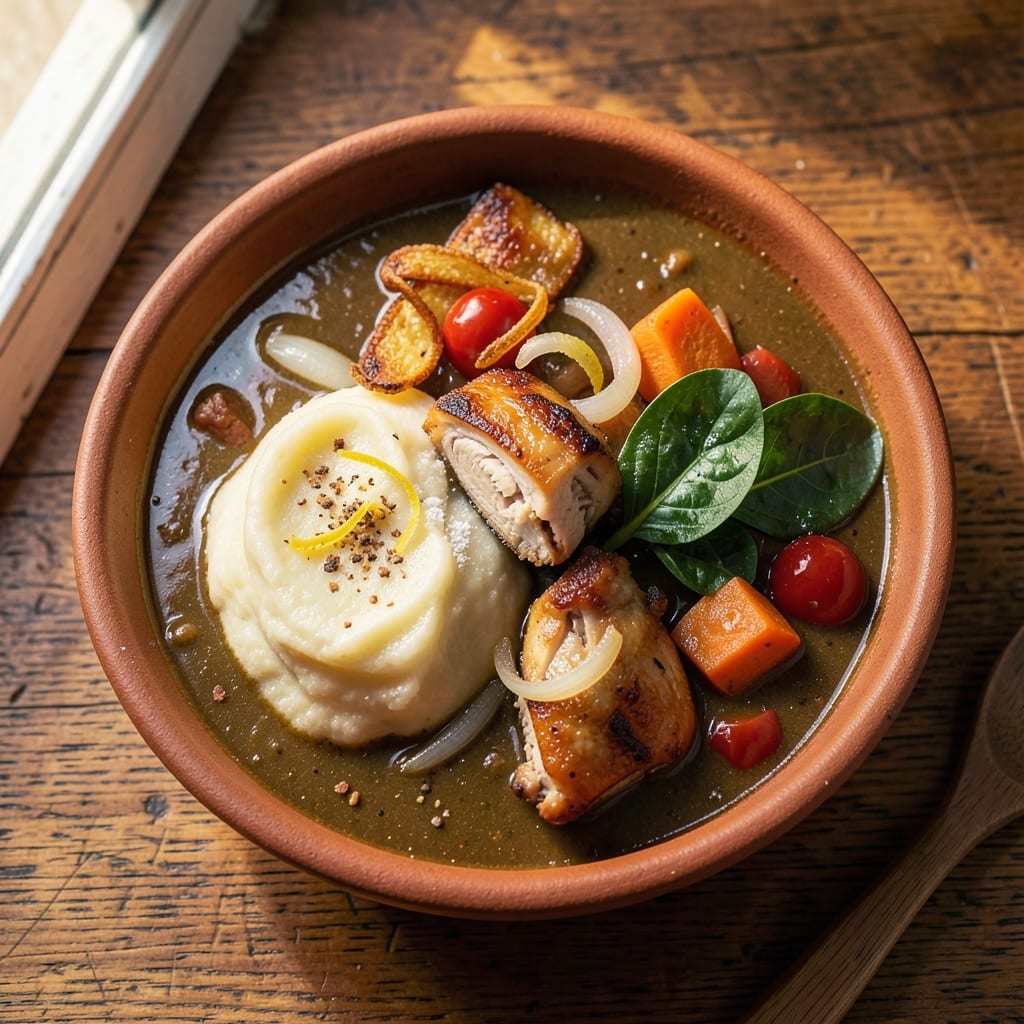
The rich, nutty flavors of African Egusi Soup paired with the smooth, doughy texture of Fufu create a meal that feels like a warm embrace. This traditional West African dish transforms humble ingredients into a hearty, comforting experience that's perfect for family gatherings or special occasions. The secret lies in slow-cooking the soup with tender meat and vegetables, while the Fufu dough achieves its signature melt-in-your-mouth consistency through careful pounding and shaping.
What makes this recipe truly special is the balance of textures and flavors—earthy egusi seeds blended into a velvety broth, perfectly tender protein, and Fufu that dissolves on your tongue. The process might seem intimidating at first, but with the right techniques, you'll achieve restaurant-quality results at home. Every spoonful delivers layers of umami from the ground melon seeds, while the Fufu provides a satisfying contrast that makes this dish unforgettable.
This complete dish recipe delivers on its promise of authenticity, using traditional methods to create a meal that's both comforting and impressive. The egusi soup simmers for hours, developing deep, complex flavors, while the Fufu dough requires patience and technique to achieve its signature smooth texture. Together, they create a dining experience that transports you to West African tables, where this combination is a staple.
Whether you're serving this for a celebration or simply craving a taste of home, this recipe ensures a perfect balance of flavors and textures. The soup's rich broth pairs beautifully with the Fufu's neutral, doughy texture, creating a meal that's as satisfying as it is delicious. Let's get started on this traditional favorite that's sure to become a regular in your recipe rotation.
Ingredients for african egusi soup and fufu
Earthy egusi seeds, tender chicken thighs, and doughy Fufu—this West African classic needs just 15 ingredients.
| Ingredient | Amount | Notes |
|---|---|---|
| Ground Egusi Seeds (Melon Seeds) 🌱 | 1 cup | Toasted lightly for enhanced flavor |
| Chicken Thighs, Bone-In 🍗 | 2 lb | Skin-on for extra richness |
| Fresh Leafy Greens (Spinach or Bitterleaf) 🌿 | 2 cups | Chopped, stems removed |
| Sweet Potatoes | 2 medium | Peeled, cubed (about 2 cups) |
| White Onions 🧅 | 2 whole | Chopped, medium dice |
| Fresh Tomatoes 🍅 | 4 whole | Ripe, quartered (or 1 cup canned) |
| Garlic Cloves 🧄 | 6 cloves | Minced, aromatic |
| Scotch Bonnet Peppers 🌶️ | 1 whole | Seeds removed, minced (adjust for heat) |
| Fresh Ginger Root 🌿 | 1 inch | Thinly sliced, peeled |
| Vegetable Oil 🫒 | ½ cup | For frying Fufu dough |
| Green Plantains 🍌 | 2 whole | Peeled, boiled until tender |
| Cassava Flour 🌾 | 2 cups | For Fufu dough base |
| Salt 🧂 | 1 ½ tsp | Kosher or sea salt |
| Ground Black Pepper 🌶️ | ½ tsp | Freshly cracked |
| Fish Stock (or Vegetable Stock) 🐟 | 3 cups | For rich flavor base |
The egusi seeds are the heart of this soup—look for them in African markets or specialty stores like African World Foods or Kaladi Foods. Toast them lightly in a dry pan for about 2 minutes to bring out their nutty flavor before grinding. Chicken thighs stay juicier than breasts during the long simmer, and skin-on adds extra richness. For the greens, bitterleaf is traditional but spinach works in a pinch. If using canned tomatoes, San Marzano is ideal for sweetness without acidity. The scotch bonnet peppers? Handle with care—they're spicy but worth it for that signature heat.
No egusi seeds? Ground melon seeds from a Latin market work in a bind, though texture will differ slightly. Swap chicken for beef or fish—just adjust cooking time. Fresh ginger and garlic are non-negotiable here; dried just won't cut it. For the Fufu dough, cassava flour is key—Bob's Red Mill carries it online if local stores don't. Plantains must be green (firm to touch) for the dough's signature texture. No plantains? Extra cassava flour plus a splash of water stretches the dough, though it'll be less tender. The stock matters too—fish stock adds depth, but vegetable stock works if you're avoiding seafood.
This soup tastes even better the next day as flavors meld. Store in the fridge for 4-5 days or freeze portions for 3 months. For Fufu, make dough fresh—it won't reheat well. The dough keeps in the fridge for 2 days wrapped tightly in plastic. Pro tip: Double the dough recipe if you're serving a crowd—Fufu disappears fast! Leftovers? Repurpose into fried Fufu balls for a crispy snack.
Why You'll Love This Recipe
- No-Fuss Starter: I swear by this—just brown the chicken, toss in the onions, and let the egusi seeds do all the work. No fancy techniques, no constant stirring. The soup thickens itself while you prep the fufu.
- Earthy, Nutty Magic: That toasted egusi smell? Unbeatable. The seeds add a deep, almost peanut-like richness that pairs perfectly with the chicken’s savory bite and the bitter tang of fresh leafy greens. Honestly, it’s the kind of flavor that makes you want to eat it straight from the pot.
- Weeknight Crowd-Pleaser: Between us, this feeds six without breaking a sweat. Double the batch on Sundays—leftovers reheat beautifully, and the fufu stays soft even after a day. My roommates still ask for seconds, even after three helpings.
- Budget Meal That Wins: Chicken thighs and sweet potatoes stretch into a full meal, and egusi seeds cost pennies per serving. I’ll be real: it’s the kind of dish that makes grocery day feel like a victory, especially when you’re feeding a hungry house.
Step-by-step instructions for African egusi soup and Fufu
Here's how to create a rich, hearty egusi soup paired with tender fufu dumplings—each bite delivers perfect texture and flavor.
Prepare the Chicken and Aromatics
Pat the 2 lb chicken thighs dry with paper towels and season generously with 1.5 tsp salt and 0.5 tsp ground black pepper. Heat a large pot over medium-high heat and add 0.5 cup vegetable oil. Once shimmering, add the chicken and cook for 8-10 minutes until the skin is golden brown and crispy. Remove the chicken and set aside.
In the same pot, add 2 whole chopped white onions and cook for 5 minutes until softened. Add 6 minced garlic cloves, 1 minced Scotch bonnet pepper (remove seeds for less heat), and 1 thinly sliced inch of ginger root. Stir for 2 minutes until fragrant—this aromatic base forms the soul of your soup.
Build the Soup Base
Add 4 quartered fresh tomatoes to the pot and cook for 5 minutes until they break down and release juices. Pour in 3 cups fish stock and bring to a gentle boil. Return the chicken to the pot, skin-side up, and simmer for 30 minutes until the meat is tender and easily pulls away from the bone.
Remove the chicken from the pot and shred the meat, discarding skin and bones. Return the shredded chicken to the pot. In a separate bowl, combine 1 cup ground egusi seeds with 1 cup of the soup liquid to create a smooth paste. Slowly whisk this paste into the simmering soup to prevent lumps. Stir in 2 cups chopped fresh leafy greens and 2 cubed sweet potatoes. Simmer for 15-20 minutes until the sweet potatoes are tender and the soup thickens slightly.
Prepare the Fufu Dumplings
Peel and boil the 2 whole green plantains in salted water for 15 minutes until tender. Drain and mash them into a smooth paste using a potato masher or fork. In a separate bowl, mix the mashed plantains with 2 cups cassava flour and 1 tsp salt until you form a smooth, dough-like consistency. The mixture should be thick enough to hold its shape when squeezed.
Bring a pot of water to a gentle boil. Using a spoon or your hands, drop small portions of the fufu dough into the boiling water. The dough will rise to the surface and form round, smooth dumplings. Cook for 5-7 minutes until the fufu is firm and no longer sticky. Remove with a slotted spoon and set aside.
Serve Together
Ladle the rich, thick egusi soup into serving bowls, ensuring each portion is filled with tender chicken, sweet potatoes, and leafy greens. Place 2-3 fufu dumplings in each bowl. The contrast of the smooth, stretchy fufu against the hearty, textured soup is what makes this dish truly special.
Serve immediately while the soup is hot and the fufu is still warm. The perfect pairing of the nutty, earthy egusi soup with the soft, doughy fufu creates a satisfying and balanced meal that's sure to impress.
Pro Tips For Making African Egusi Soup And Fufu
- Toast Your Egusi: Heat the ground egusi seeds in a dry pan for 2-3 minutes before adding to the pot—this removes the raw taste and prevents that bitter afternote. I learned this the hard way after serving soup that tasted like a seed factory.
- Parboil Sweet Potatoes: Cut the sweet potatoes into chunks and boil them for 5 minutes before adding to the soup—this keeps them from turning mushy and ensures they cook through without falling apart. Skip this, and you’ll end up with a watery mess of starch.
- Brown the Chicken First: Don’t just toss raw chicken into the pot—sear the thighs skin-side down in a hot pot until golden before adding broth or water. The crust locks in flavor, and you’ll taste the difference when the soup simmers.
- Use Onion Water: Save the water from soaking chopped onions (about ½ cup) and add it to the soup later—it deepens the color and adds a subtle sweetness without extra prep. Sounds weird, but it works: the soup will look richer and taste more complex.
Troubleshooting perfect results
Lumpy Egusi Soup
If your egusi paste clumps when whisked into the soup, don't panic—this happens when the seeds aren't ground fine enough. First, remove the pot from heat and let the soup cool slightly. Then, use an immersion blender to smooth out the texture. If you don't have one, carefully mash the lumps with a wooden spoon or fork. For future batches, grind the egusi seeds into a superfine powder using a high-powered blender or food processor. 🌱
Fufu Too Sticky
When your Fufu dough feels too wet and sticky, it's usually because the plantains weren't mashed enough or you added too much cassava flour. Fix it by kneading the dough vigorously for 5-7 minutes—this develops gluten and tightens the texture. If it's still sticky, add 1-2 tablespoons of cassava flour at a time until it holds its shape. Pro tip: Use a clean, damp cloth to prevent sticking while kneading. 💪
Chicken Overcooked
Bone-in chicken thighs can dry out if simmered too long. To prevent this, remove the chicken after 25 minutes of simmering, shred it, and return it to the pot just before adding the egusi paste. This ensures the meat stays moist while the soup develops its rich flavor. For extra tenderness, add 1 bay leaf to the broth during cooking. ✨
Fufu Breaks Apart
If your Fufu dumplings fall apart when cooking, the dough was likely underworked or didn't rest long enough. Knead the dough for an additional 3-5 minutes to strengthen the structure. Let it rest for 10 minutes before shaping—this allows the flour to fully hydrate. When dropping into boiling water, use warm water (not cold) to help the dough set more quickly. 💫
Soup Too Thin
A watery soup often means the egusi paste wasn't cooked long enough to thicken. Simmer the soup uncovered for an extra 10-15 minutes to reduce the liquid. If it's still too thin, mix 1 tablespoon of cassava flour with cold water to create a slurry, then whisk it into the soup. For a richer texture, reduce the stock by ½ cup next time. 🔥
Fufu Doesn't Rise
If your Fufu dumplings sink instead of floating, the dough wasn't properly kneaded or lacks enough starch. Ensure your dough is smooth and elastic before dropping it into the water. Add 1 extra tablespoon of cassava flour if needed. For better buoyancy, use salted water (like pasta water) when cooking the dumplings. 🌟
Nutrition facts
Frequently asked questions about African egusi soup and Fufu
Can I make this recipe without green plantains for the Fufu?
Yes! If you can't find green plantains, substitute with 2 cups peeled and boiled cassava or 1 cup peeled and boiled yams mashed into the dough. For extra stretchiness, add ½ cup warm water to the dough mixture. The texture will be slightly different but still delicious.
How do I store leftovers?
Store the egusi soup in an airtight container in the fridge for 4-5 days or freeze for 3 months. The Fufu doesn't reheat well, so make it fresh—but you can freeze small portions of dough for 1 month, then cook from frozen. Reheat soup gently on the stove, adding a splash of water if too thick.
What's the best way to grind egusi seeds?
Use a high-powered blender or food processor for the smoothest paste. For best flavor, toast the seeds in a dry pan for 2 minutes first. If your blender struggles, grind them in batches with 1-2 tablespoons of warm water to help the process. Never use a coffee grinder—it won't create the fine, velvety texture needed.
Can I substitute chicken with another protein?
Try beef stew meat (simmer for 1.5 hours), smoked fish (add at the end), or shrimp (cook for 5 minutes after adding greens). For tofu, use firm tofu and add it 10 minutes before serving. Adjust cooking times based on the protein's density.
Why does my Fufu turn out gummy?
Gummy Fufu usually means the dough was overworked or didn't rest long enough. Knead just until smooth (5-7 minutes), then let it rest 10 minutes before shaping. If still sticky, add 1 tablespoon cassava flour at a time. For extra firmness, use warm water (not hot) when cooking the dumplings.