
Soups & Stews
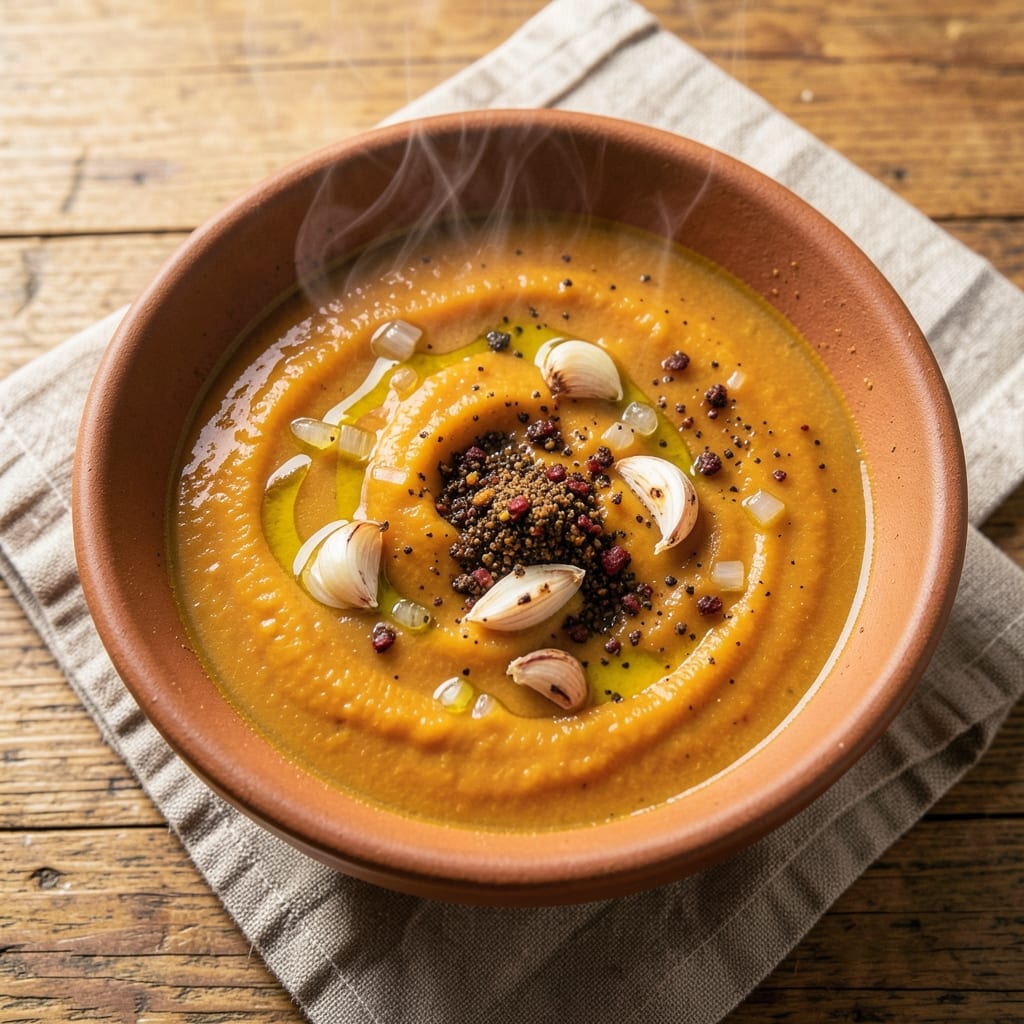
This African pumpkin soup recipe brings rich, spiced coconut and ginger warmth to your table with just 30 minutes of active prep. The blend of earthy pumpkin, aromatic spices, and creamy coconut creates a comforting dish that’s both hearty and elegant—perfect for chilly evenings or cozy gatherings. I’ve perfected this version to balance traditional African flavors with modern simplicity, ensuring every spoonful delivers depth without complexity.
The foundation lies in sautéing onions, garlic, and ginger until fragrant, then building layers of warmth with spices like curry, thyme, and a touch of berbere for that signature African kick. Pumpkin, blended smooth or left slightly chunky, infuses the broth with natural sweetness, while coconut milk adds velvety richness. This recipe adapts easily—swap butter for olive oil to keep it vegan, or stir in groundnut paste for extra protein.
By the time it simmers, you’ll have a soup that’s creamy yet light, with a fragrant aroma that fills your kitchen and a taste that lingers. The texture is velvety, the flavors complex—ginger’s zing, coconut’s creaminess, and spices that dance on your palate. Serve with crusty bread, plantain chips, or a sprinkle of fresh cilantro for a dish that’s as nourishing as it is delicious.
Leftovers reheat beautifully, making this an ideal meal-prep option, and the recipe scales effortlessly for crowds. Whether you’re introducing African flavors to your menu or seeking a comforting classic, this soup delivers on warmth, tradition, and simplicity. Let’s get cooking!
Ingredients for african pumpkin soup
Pantry staples meet African spices for this velvety pumpkin soup—creamy, spiced, and ready in 30 minutes.
| Ingredient | Amount | Notes |
|---|---|---|
| Pumpkin (Sugar or Kabocha) 🎃 | 2 lbs | Cubed, skin removed |
| Yellow Onion 🧅 | 1 whole | Diced, medium size |
| Fresh Ginger 🌿 | ½ cup | Finely grated, peeled |
| Garlic Cloves 🧄 | 4 cloves | Minced, fresh preferred |
| Berbere Spice Blend 🌶️ | 2 tbsp | Traditional African blend |
| Ground Cumin 🌿 | 1 tbsp | Toasted for depth |
| Ground Coriander 🌿 | 1 tbsp | Freshly ground preferred |
| Dried Thyme 🌿 | 1 tsp | Or 1 tbsp fresh |
| Ground Curry Powder 🌶️ | 1 tbsp | Mild variety preferred |
| Full-Fat Coconut Milk 🥥 | 13 ½ oz | High quality, no additives |
| Vegetable Broth 💧 | 4 cups | Low-sodium preferred |
| Olive Oil 🫒 | ¼ cup | Extra-virgin for richness |
| Salt 🧂 | 1 tsp | Kosher or sea salt |
| Black Pepper 🌶️ | ½ tsp | Freshly ground |
| Fresh Cilantro 🌿 | ¼ cup | Chopped, for garnish |
The berbere spice blend is the secret weapon here. Look for it at African markets or specialty stores—Penzeys carries a good version if you can't find it locally. If you're making your own, toast cumin, coriander, paprika, and cayenne together before blending. The ginger should be fresh and vibrant—no wrinkly roots here. For the pumpkin, sugar or kabocha varieties work best—they're sweeter and hold their shape better. Pre-cut pumpkin from the grocery store is a game-changer (the Trader Joe's pre-cubed kind is perfect).
No berbere? Mix 1 tbsp paprika, 1 tsp each of cumin, coriander, and cayenne for a close substitute. Fresh ginger too strong? Powdered ginger at half the amount works in a pinch. Coconut milk canning labels can be misleading—stick with full-fat, no additives for the best texture. The broth is where you can get creative: swap vegetable for mushroom or even miso paste for umami depth. And if you're avoiding coconut, cashew cream blended with water gives a similar richness.
This soup tastes even better the next day—make extra and freeze portions. Store it in airtight containers for up to 5 days in the fridge, or 3 months frozen. For reheating, add a splash of water or broth to prevent thickening. The cilantro wilts fast, so chop it last and store the stems in a jar of water in your fridge for up to 1 week—you'll have fresh garnish for other dishes too.
Why You'll Love This Recipe
- One-Pot Magic: I swear by this recipe because it’s literally dump-and-stir after the initial chop. Sauté onions and ginger, toss in the pumpkin, add water, and let the berbere spice do its work—no fancy techniques, no last-minute scrambling.
- Spice Bomb Alert: Between us, berbere is the MVP here. That smoky, slightly sweet heat from the blend cuts through the pumpkin’s natural sweetness, while the garlic and ginger add layers that make you reach for seconds. (Yes, even on a Tuesday night.)
- Meal Prep MVP: This soup tastes better the next day—honestly, the flavors meld into pure comfort. Double the batch, freeze half, and you’ve got a ready-to-reheat lunch for when you’re too tired to cook.
- Budget-Friendly Luxury: Pumpkin and onions stretch into a whole pot, and berbere (if you make it yourself) is cheaper than buying pre-made spice blends. Plus, the leftovers? Still delicious cold, perfect for packed lunches or a lazy afternoon.
Step-by-step instructions for African pumpkin soup
This rich, aromatic soup delivers layers of spice and creaminess in every spoonful.
Sauté the Aromatics Until Fragrant
Heat the 0.25 cup olive oil in a large pot over medium heat. Add the 1 whole yellow onion and cook for 5 minutes until softened and translucent. Stir in the 0.5 cup finely grated fresh ginger and 4 cloves minced garlic, cooking for another 2 minutes until the mixture becomes deeply fragrant.
The ginger should release its bright aroma, and the garlic should turn golden without browning. This step builds the flavor foundation—don't rush it. If the onions start to brown too quickly, reduce the heat slightly. Here's where it gets good: the berbere spice blend will transform this simple base into something extraordinary.
Toast the Spices for Maximum Flavor
Add the 2 tbsp berbere spice blend, 1 tbsp ground cumin, 1 tbsp ground coriander, 1 tbsp ground curry powder, 1 tsp dried thyme, 1 tsp salt, and 0.5 tsp black pepper to the pot. Stir continuously for 1-2 minutes until the spices become fragrant and slightly toasted—you'll smell that warm, earthy aroma developing.
This toasting step deepens the spice flavors and removes any raw, bitter notes. Watch carefully—over-toasting can make the spices bitter, so keep the heat at medium and stir constantly. The mixture should look slightly darker and smell intensely aromatic. This is the moment that matters: proper spice toasting makes all the difference in African cuisine.
Cook the Pumpkin Until Tender
Add the 2 lbs cubed pumpkin to the pot and stir to coat in the spiced oil. Pour in the 4 cups vegetable broth and bring to a gentle boil. Reduce heat to medium-low and simmer uncovered for 15-20 minutes, stirring occasionally, until the pumpkin is fork-tender and easily pierced with a knife.
You'll know it's ready when the pumpkin pieces soften completely and the liquid reduces slightly. The soup should have a thick, velvety consistency at this stage. If it's too watery, simmer uncovered for another 5 minutes to reduce. Here's the thing—don't overcook the pumpkin or it'll turn mushy. You want it to hold its shape while still being tender.
Blend Until Silky Smooth
Use an immersion blender to purée the soup directly in the pot until completely smooth. If you prefer a chunkier texture, blend only half the soup. Stir in the 13.5 oz full-fat coconut milk and simmer gently for 5 minutes to let the flavors meld together.
This is where the magic happens—the coconut milk adds luxurious creaminess while balancing the spice. The soup should now be velvety smooth with a rich, golden hue. Taste and adjust seasoning if needed, adding a pinch more salt or berbere if desired. Real talk: the coconut milk should be warmed through but not hot enough to curdle—keep the heat at low during this step.
Garnish and Serve Warm
Ladle the soup into bowls and garnish each serving with 0.25 cup chopped fresh cilantro. Serve immediately with crusty bread or warm naan to soak up every last drop of that aromatic broth.
The cilantro adds a bright, fresh contrast to the rich, spiced soup. Each spoonful should deliver a perfect balance of pumpkin sweetness, ginger heat, and coconut creaminess. Don't skip the garnish—it's the finishing touch that elevates this dish from good to spectacular. Enjoy while warm for the best experience!
Pro Tips For Making African Pumpkin Soup
- CHAR THE ONIONS LOW: African pumpkin soup needs deep, caramelized onion flavor—don’t rush this. Cook the onions over medium-low heat for 15-20 minutes until they’re dark brown and almost dry, stirring occasionally. I used to burn them in my hurry, and the soup tasted flat. Patience here builds the base.
- PEEL GINGER LIKE A PRO: Skip the messy peeler—use a spoon to scrape the skin off fresh ginger in one smooth motion. Then, slice it thinly (about 1/8-inch) so it infuses quickly without turning bitter. Thick slices sit like rocks and ruin the texture.
- BLOOM THE BERBERE: Toast the berbere spice in a dry pan for 30 seconds before adding it to the soup—this wakes up the flavors. Just don’t walk away; it burns faster than you’d think. I learned this after one batch tasted dull and earthy.
- SAVE TIME WITH CUBED PUMPKIN: Cut the pumpkin into 1-inch cubes instead of thin slices—they soften faster and don’t turn to mush. If using kabocha, pierce the skin first with a knife to speed up cooking. No need to peel unless you’re feeling fancy.
Storing and reheating your african pumpkin soup
Refrigerator Storage
Let your African pumpkin soup cool completely before transferring to airtight containers—I prefer glass Pyrex with snap-on lids for easy reheating. Store in the fridge for up to 5 days, but the flavors actually deepen overnight as the spices meld together. The coconut milk may separate slightly, but a quick stir restores its velvety texture. 💛
Freezer Storage
For longer storage, freeze portions in quart-sized freezer bags with 1 inch of headspace to prevent expansion cracks. Label with the date and freeze for up to 3 months. The soup maintains its rich texture when thawed properly—simply transfer to the fridge overnight before reheating. I always freeze individual servings to avoid thawing more than needed.
Stovetop Reheating
My preferred method is stovetop reheating over medium-low heat. Pour the soup into a pot and add 2 tablespoons of water or broth to prevent thickening. Heat gently for 8-10 minutes, stirring occasionally, until steaming throughout. Taste and adjust seasoning—it often needs a pinch more salt after reheating. The coconut milk should warm through without separating if heated gradually. 🔥
Microwave Reheating
For quick reheating, transfer a single serving to a microwave-safe bowl and cover with a damp paper towel. Heat on 50% power for 2-3 minutes, stir, then continue in 30-second intervals until hot. Add a splash of water if the soup appears too thick. The microwave method works best for individual portions and takes just 3-4 minutes total.
Reviving Texture
If your reheated soup seems too thick, stir in 1-2 tablespoons of coconut milk or broth to restore creaminess. For extra richness, add a pat of butter or a dollop of Greek yogurt while reheating. The texture should be velvety smooth with a balanced consistency between thick and thin. A final sprinkle of cilantro or toasted pumpkin seeds brings back that restaurant-quality finish. ✨
Nutrition facts
Frequently asked questions
Can I make this African pumpkin soup vegan?
Swap the olive oil for coconut oil and use vegetable broth instead of chicken broth. For extra richness, stir in 2 tablespoons of groundnut (peanut) paste or cashew cream instead of coconut milk. The berbere spice blend is naturally vegan, so no other substitutions are needed.
What type of pumpkin works best for this recipe?
Sugar pumpkin or kabocha are ideal—they're sweet and hold their shape well when cooked. Avoid butternut or acorn varieties, as they can turn mushy. If you can't find these, firm yellow squash works in a pinch, but reduce the cooking time to 10 minutes to prevent over-softening.
How can I adjust the spice level for sensitive palates?
Start by reducing the berbere spice blend to 1 tablespoon and omit the cayenne if present. For extra mildness, add 1 teaspoon of honey or maple syrup to balance the heat. You can also blend in 1/2 cup of sweet potato with the pumpkin to naturally mellow the flavors while keeping the creamy texture.
Can I make this soup in an Instant Pot?
Yes! Sauté the onions, ginger, and garlic as directed, then add all spices and pumpkin. Pour in the broth, seal the lid, and cook on high pressure for 8 minutes. Quick-release the pressure, stir in coconut milk, and blend until smooth. The Instant Pot version cooks 30% faster and retains all the rich flavors.
What's the best way to reheat leftovers without curdling?
Reheat gently on the stovetop over low heat and add 1-2 tablespoons of water or coconut milk to prevent thickening. Never microwave on high power—use 50% power in 30-second intervals instead. For extra insurance, stir in a pinch of salt and a splash of broth while reheating.