
Soups & Stews
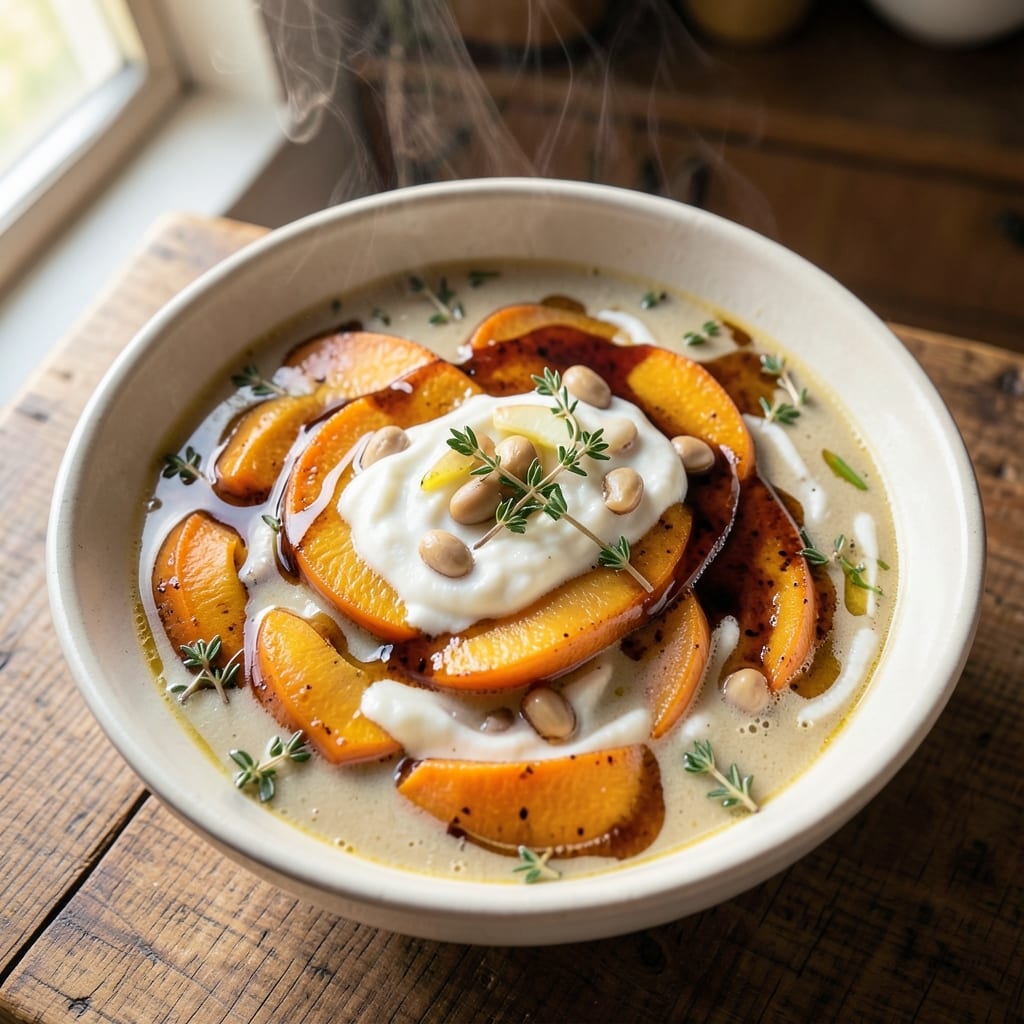
This African yam soup recipe brings the rich, earthy flavors of West Africa to your kitchen with a vegetarian twist that's just as satisfying as the traditional version. The secret lies in slow-simmered yams, aromatic locust beans (or substitute with smoked paprika), and leafy greens that transform a simple soup into a hearty, spiced masterpiece. I developed this recipe after years of perfecting the balance between sweet yams and bold West African spices—now you can recreate that same depth at home.
The foundation of this soup starts with properly peeled and chopped yams, which simmer until tender while absorbing the flavors of ginger, garlic, and thyme. A blend of palm oil (or vegetable oil) and locust beans creates that signature umami-rich broth that's the soul of West African cooking. The leafy greens—spinach or collards work beautifully—add freshness and nutrition without overpowering the earthy yams.
By the time you're done, you'll have a creamy, spiced soup with perfectly tender yams, vibrant greens, and a broth that's rich yet balanced. The aroma alone will transport you to a bustling West African market, while the texture offers just the right contrast between silky yams and tender greens. This is comfort food at its finest—warm, nourishing, and packed with flavor.
Perfect for cool evenings or as a meal-prep staple, this soup keeps well for up to 5 days in the fridge. Garnish with fresh peppers or cilantro for a pop of color and brightness. Let's get cooking!
Ingredients for african yam soup
Six hearty ingredients transform into a soul-warming African yam soup with deep spice and vibrant greens.
| Ingredient | Amount | Notes |
|---|---|---|
| Yams 🍠 | 3 lb | Peeled, cubed into 1-inch pieces |
| Locust Beans (Irwo) 🌿 | ½ cup | Dried, soaked overnight (or smoked paprika) |
| Palm Oil 🫒 | ¼ cup | Vegetable oil substitute if unavailable |
| Fresh Ginger 🌿 | 2 tbsp | Grated, fresh preferred |
| Garlic Cloves 🧄 | 6 cloves | Minced, fresh or jarred |
| Fresh Thyme 🌿 | 1 tbsp | Dried works at 1/3 amount |
| Onion 🧅 | 1 whole | Medium, diced |
| Fresh Spinach 🌱 | 4 cups | Or collard greens, chopped |
| Vegetable Stock 💧 | 4 cups | Low-sodium preferred |
| Tomato Paste 🍅 | 1 tbsp | Squeeze tube or canned |
| Salt 🧂 | 1 ½ tsp | Adjust to taste |
| Black Pepper 🌶️ | ½ tsp | Freshly ground |
| Scotch Bonnet Peppers 🌶️ | 1 whole | Seeded, chopped (optional for heat) |
| Cilantro 🌿 | ¼ cup | Fresh, chopped (for garnish) |
Locust beans are the soul of this soup—West African markets sell them dried, but smoked paprika works in a pinch. If using locust beans, soak them overnight to soften; they should be tender but not mushy. Trader Joe's sometimes carries them in the international aisle, but African grocery stores are the best bet. Palm oil gives that signature rich color—vegetable oil lacks the depth but still works. For the yams, orange-fleshed varieties are ideal, but regular yams or sweet potatoes will do. The ginger and garlic? Fresh is best, but jarred works if you're in a hurry.
No locust beans? Smoked paprika plus a pinch of cayenne mimics the smoky depth. Fresh thyme is ideal, but dried thyme at one-third the amount works too. Spinach wilts fast, so chop it just before adding to the pot. The tomato paste can be skipped if you prefer a cleaner broth, but it adds a nice tang. For extra richness, stir in 1 tbsp of peanut butter at the end—trust me on this. The scotch bonnet peppers are optional but add that signature West African heat; jalapeños work if you can't find them.
This soup tastes even better the next day as flavors meld. Store in an airtight container in the fridge for up to 5 days. Freeze portions for 3 months by spooning into freezer bags. The greens will soften further when reheated, so add fresh spinach when serving. Garnish with cilantro and a drizzle of palm oil for that restaurant-quality finish. Leftovers reheat beautifully—just add a splash of water or stock if it thickens too much.
Why You'll Love This Recipe
- One-Pot Magic: I swear by this recipe—just chop, simmer, and walk away. The yams soften while the locust beans soak up flavor, and that palm oil? It turns the whole thing into a rich, velvety hug in one pot.
- Ginger-Garlic Bomb: Between us, the fresh ginger and garlic cloves are chef’s kiss—they cut through the earthiness of the yams and make every spoonful sing. Honestly, the aroma alone has me reaching for seconds.
- Weeknight to Party: This soup is my go-to for lazy Mondays and Sunday gatherings. Add a side of jollof rice for a feast, or serve it with crusty bread for a cozy weeknight—it’s that adaptable.
- Budget-Friendly Powerhouse: Locust beans and yams stretch this into a full meal for less than $10. The leftovers? Even better the next day—just reheat and enjoy that deeper, richer taste. My wallet and taste buds thank me.
Step-by-step instructions for African yam soup
Let's create a hearty, flavorful African yam soup with rich spices and vibrant leafy greens.
Prepare the Locust Beans and Soak
Start by rinsing the 0.5 cup Locust Beans (Irwo) thoroughly under cold water to remove any debris. Place them in a bowl and cover with plenty of water—at least 4 cups—to soak overnight. This long soak is essential; it softens the beans and reduces their bitterness, transforming them into a creamy, nutty base for the soup.
If you're short on time, you can substitute the soaked locust beans with 1 teaspoon smoked paprika—it won't be identical, but it'll add a similar earthy depth. The next morning, drain the soaked beans and set them aside for cooking. Don't skip this step—proper soaking makes all the difference in the final texture and flavor of your soup.
Sauté Aromatics and Build the Base
Heat the 0.25 cup Palm Oil (or vegetable oil substitute) in a large pot over medium heat. Add the diced 1 whole Onion and cook for 5 minutes until softened and translucent. Stir in the minced 6 cloves Garlic Cloves and cook for another 1 minute until fragrant—this is where the foundation of your soup's flavor begins to develop.
Next, add the grated 2 tbsp Fresh Ginger and 1 tbsp Fresh Thyme, stirring constantly for 2 minutes until the ginger becomes aromatic and the thyme releases its earthy notes. Here's the thing—don't rush this step. The ginger and thyme need time to bloom and infuse the oil with their flavors. If you smell the thyme releasing its scent, you're on the right track.
Cook the Yam and Locust Beans
Add the drained 0.5 cup Locust Beans (Irwo) and the cubed 3 lb Yams to the pot. Pour in the 4 cups Vegetable Stock and bring everything to a boil over high heat. Once boiling, reduce the heat to medium-low and let it simmer uncovered for 45 minutes, stirring occasionally. The yams should become tender, and the locust beans should soften and begin to break down.
After 45 minutes, check the yams for tenderness by piercing a cube with a fork. They should slide in easily with minimal resistance. If they're not quite soft enough, continue simmering for another 10-15 minutes. The locust beans should be mushy and creamy, contributing to the soup's velvety texture. If the soup reduces too much and becomes too thick, add a splash of water or stock to reach your desired consistency.
Add Spinach and Finish the Soup
Stir in the 1 tbsp Tomato Paste and cook for 1 minute to deepen the soup's color and flavor. Add the chopped 1 whole Scotch Bonnet Peppers (remove seeds if you prefer less heat) and cook for another 1 minute, stirring to distribute the heat evenly. Now, it's time to add the 4 cups Fresh Spinach—start with half and stir until wilted before adding the rest. This ensures the spinach cooks evenly and doesn't clump together.
Season the soup with 1.5 tsp Salt and 0.5 tsp Black Pepper, tasting as you go. Adjust the salt to your preference—remember, the locust beans and yams might already contribute some natural saltiness. Let the soup simmer for an additional 5 minutes to allow all the flavors to meld together. The soup should be rich, earthy, and vibrant with the colors of the spinach and spices.
Serve Warm with Fresh Cilantro
Ladle the soup into bowls and garnish each serving with 0.25 cup chopped Cilantro. The cilantro adds a bright, fresh contrast to the earthy, spiced flavors of the soup. Serve immediately while warm—this soup tastes best fresh out of the pot, when the flavors are at their peak and the spinach is still vibrant.
For an extra touch, you can serve the soup with a side of crusty bread or a sprinkle of extra black pepper. The combination of the creamy locust beans, tender yams, and fresh spinach makes this a deeply satisfying dish, perfect for sharing with family or friends. Enjoy your homemade African yam soup!
Pro Tips For Making African Yam Soup
- SOAK IRWO TWICE: I learned this the hard way—skipping the second soak leaves your locust beans tough as shoe leather. After boiling them for 30 minutes, drain and rinse again in fresh water for 10 minutes. The extra step cuts bitterness and makes them tender enough to mash properly with your yams.
- PEEL YAMS AFTER SOFTENING: Peeling raw yams is a nightmare—you’ll end up with bruised fingers and uneven chunks. Boil them whole until fork-tender (about 20 minutes), then peel while warm. The skins slip off cleanly, and you avoid the mess of peeling before cooking.
- LOW-SIMMER THE PALM OIL: Palm oil burns faster than you’d think, and scorched oil turns your soup bitter. Once you’ve fried your ginger and garlic, reduce the heat to low and let the oil infuse gently for 5 minutes. This keeps the rich flavor without turning your soup into a smoky disaster.
- MASH YAMS WHILE HOT: Cold yams turn gluey when mashed—trust me, I’ve ruined batches by waiting. As soon as they’re tender, drain them and mash while still piping hot, mixing in a splash of the cooking water as needed. The heat keeps the texture smooth and creamy, not pasty.
Storing and reheating this african yam soup
Refrigerator Storage
Let your African yam soup cool to room temperature before transferring it to airtight containers—I use glass Pyrex bowls with tight-sealing lids. Store in the refrigerator at 40°F or below for up to 5 days. The flavors actually deepen overnight as the locust beans and spices meld together beautifully. Just be sure to leave about ½ inch of headspace to prevent spills when reheating. 💫
Freezer Storage Tips
For longer storage, portion the soup into freezer-safe containers or heavy-duty plastic bags, leaving 1 inch of headspace for expansion. Freeze for up to 3 months—the yams and locust beans hold their texture remarkably well when thawed properly. I recommend freezing in 1-cup portions for easy single servings later. Label containers with the date to track freshness.
Stovetop Reheating
This is my preferred method because it preserves the soup's velvety texture. Transfer portions to a saucepan over medium-low heat, adding 2-3 tablespoons of water or vegetable stock to prevent sticking. Heat gently for 8-10 minutes, stirring occasionally, until reaching 165°F internal temperature. The spinach will soften further—just add fresh greens when serving. 🔥
Microwave Method
For quick reheating, transfer a single serving to a microwave-safe bowl and cover loosely with a microwave-safe lid. Heat on medium power (50%) for 3-4 minutes, stirring halfway through. If the soup seems too thick, add a splash of water or stock. The microwave can make the spinach slightly mushy, so I always garnish with extra cilantro and a drizzle of palm oil after reheating.
Garnish Refresh
After reheating, always garnish with fresh ingredients to brighten the dish. Sprinkle with chopped cilantro, a pinch of black pepper, and a drizzle of palm oil (or vegetable oil) for that restaurant-quality finish. The fresh herbs and oil elevate the soup's flavors, making it taste almost as good as when you first made it. Trust me, this step makes all the difference! ✨
Meal Prep Strategy
Double the recipe and freeze half for future meals—this soup reheats beautifully for busy weeknights. I like to prep two large batches on weekends: one for immediate serving and one for freezing. The key is to cool the soup quickly in an ice bath before storing to maintain its rich texture. This approach saves time and ensures you always have a comforting meal ready. 💡
Nutrition facts
Frequently asked questions
What's the best way to peel yams for this recipe?
Use a vegetable peeler or sharp knife to remove the tough, dark skin in one continuous strip. For extra safety, microwave the whole yam for 3-5 minutes first—the heat softens the skin, making it easier to peel. Always wear gloves if you're sensitive to yam sap, which can irritate skin.
Can I make this soup without locust beans?
Yes! For the closest substitute, blend 1 tbsp smoked paprika with 1 tsp cayenne and ½ tsp ground nutmeg. This mimics the earthy, slightly bitter depth of locust beans. Alternatively, use ½ cup cooked white beans (like cannellini) for a creamier texture, but the flavor won't be identical.
How do I adjust the spice level for kids?
Remove the seeds and membranes from the scotch bonnet pepper before chopping, then use only ½ of the pepper. For milder heat, substitute with 1 tsp mild paprika instead. Always serve kids' portions first so they can enjoy the soup without the spice!
Why did my soup turn out too thick?
This usually happens when simmering too long or using too many locust beans. Thin with ½ cup warm vegetable stock or water, stirring constantly. For future batches, check the yams after 40 minutes—they should be tender but not mushy. If using extra locust beans, reduce simmering time by 5-10 minutes.
What are good sides to serve with this soup?
Try jollof rice for a West African pairing, or simple garlic bread to soak up the rich broth. For a complete meal, add a simple green salad with lime dressing to balance the soup's earthiness. The contrast of textures and temperatures makes it even more satisfying!