
Soups & Stews
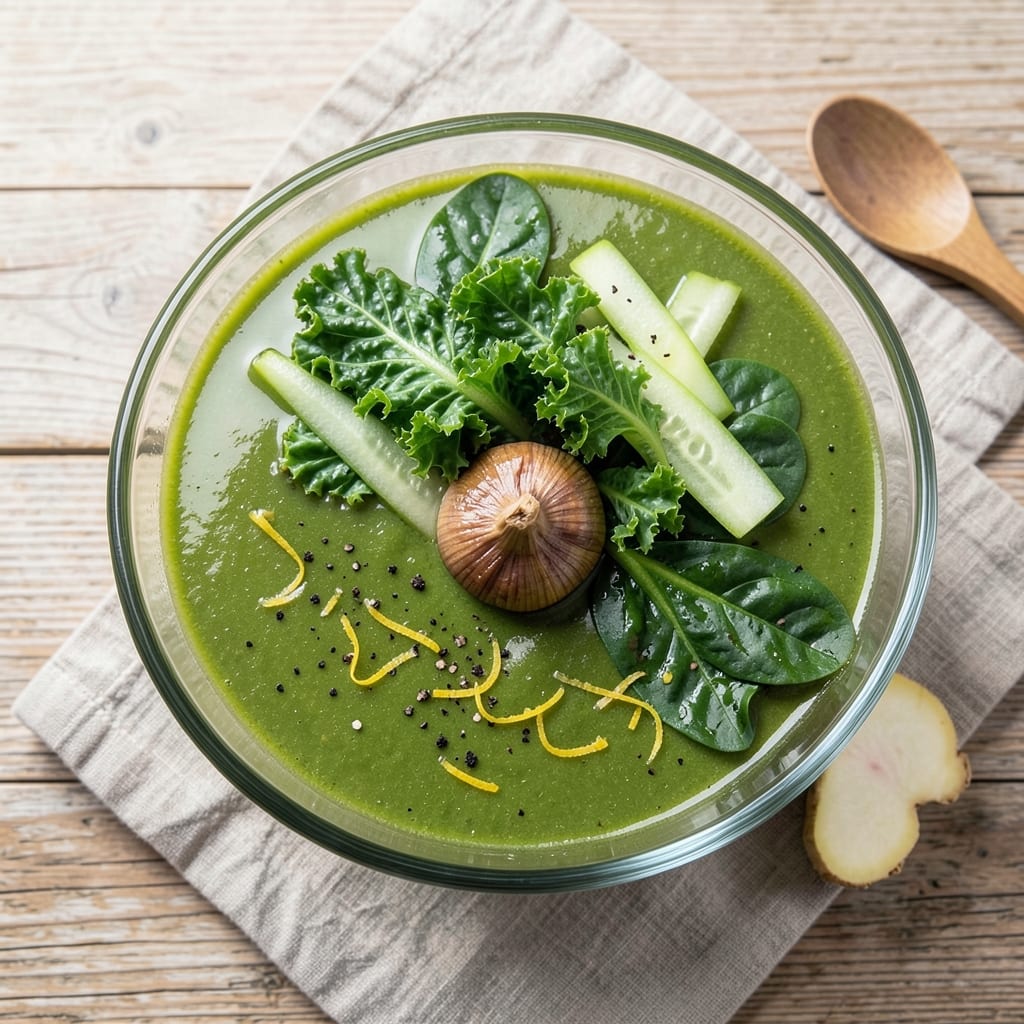
This alkaline vegetable soup delivers a vibrant, gut-friendly blend of leafy greens and bright citrus—perfect for balancing pH levels naturally. 💛 The secret lies in alkaline-friendly ingredients like kale, cucumber, and lemon, which work together to create a nourishing broth packed with minerals. Unlike processed alkaline drinks, this soup provides whole-food nutrition without artificial additives.
What sets this recipe apart is its simplicity: no baking soda required, just fresh vegetables simmered with garlic, ginger, and a touch of turmeric for anti-inflammatory benefits. The lemon zest adds a refreshing tang that enhances digestion while maintaining the soup’s alkaline properties. Research suggests plant-based alkaline diets may support bone health and reduce acid reflux, making this a smart addition to any wellness routine.
By the time you finish blending the ingredients, you’ll have a velvety, mineral-rich soup that’s both comforting and nutrient-dense. The texture is smooth yet hearty, with just enough chunkiness to satisfy. Serve it warm for a soothing meal or chilled as a refreshing summer dish—either way, your body will thank you.
Best of all, this recipe scales effortlessly for meal prep, so you can enjoy its benefits all week. The ingredients are budget-friendly and widely available, making it an accessible choice for anyone looking to boost their alkaline intake without compromise. Let’s get cooking!
Ingredients for alkaline vegetable soup
Fresh greens, bright citrus, and mineral-rich broth make this alkaline soup effortlessly nourishing.
| Ingredient | Amount | Notes |
|---|---|---|
| Fresh Kale Leaves 🌿 | 2 cups | Chopped, stems removed |
| Cucumber 🥒 | 1 medium | Peeled, seeded, chopped |
| Fresh Spinach 🌱 | 1 cup | Packed, loosely chopped |
| Fresh Lemon 🍋 | 1 whole | Zest and juice only |
| Garlic Cloves 🧄 | 3 cloves | Peeled, minced |
| Fresh Ginger Root 🌿 | 1 inch | Peeled, grated |
| Turmeric Powder 🌶️ | ½ tsp | Freshly ground preferred |
| Carrots 🥕 | 2 medium | Peeled, chopped |
| Celery Stalks 🥬 | 2 whole | Chopped, leafy parts removed |
| Coconut Water 🥥 | 1 cup | Unsweetened, for broth |
| Extra-Virgin Olive Oil 🫒 | 2 tbsp | Cold-pressed, fruity |
| Sea Salt 🧂 | ½ tsp | Fine grain preferred |
| Black Pepper 🌶️ | ¼ tsp | Freshly ground |
| Fresh Cilantro 🌿 | ¼ cup | Chopped, for garnish |
The kale and spinach are the alkaline stars here—look for vibrant, deep green leaves at the grocery store, not wilted or yellowing. Whole Foods or local farmers markets usually carry the freshest cuts, but the regular produce section works too. Kale stems are tough, so remove them before chopping. For ginger, young, plump roots (about 1 inch) work best—older, woody ginger loses its zing. The turmeric? Freshly ground has more potency, but the powdered kind is fine if you're in a pinch. Coconut water isn't just for drinking—it adds natural electrolytes to the broth without overpowering.
No fresh ginger? Substitute 0.25 tsp ground ginger, but you'll lose some of that bright kick. Swap cucumber for zucchini or yellow squash if you're out—just peel it first. The cilantro is optional, but it adds a fresh finish. Trader Joe's has great organic bundles, or grab it from the Latin market section. For extra alkalinity, add 1/4 cup fresh parsley—it's a powerhouse for mineral content. The carrots can be baby carrots if that's what you've got, but regular ones work too. No coconut water? Vegetable broth keeps it vegan and still hydrating.
This soup tastes even better the next day—4-5 days in the fridge, sealed tightly. Freeze portions for up to 3 months by pouring into ice cube trays, then transferring to a bag. The lemon zest keeps for about 1 week in the fridge if you store it in an airtight container. I like to double the batch and freeze half—lunches sorted for the week. Reheat gently on the stove or microwave until just warm. The texture gets creamier as it sits, which is why it's even more satisfying the second day.
Why You'll Love This Recipe
- No-Chop Nights: I swear by this on days when I’m too tired to even think about knives. Just tear the kale and spinach—no fancy prep, no peeling cucumbers (skin on, trust me). The lemon’s bright zing cuts through everything, so you don’t even notice if the garlic’s a little uneven.
- Zesty Green Magic: That first sip of lemon-infused broth with crisp cucumber and earthy kale? It’s like summer in a bowl. The garlic adds warmth without overpowering, and the spinach wilts just enough to soak up all the flavor—no bitterness, just pure, tangy goodness.
- Lunchbox Hero: Pack this cold or at room temp, and it’s still fresh hours later. My kids grab it for school lunches, and coworkers raid my fridge at work—no reheating needed. The cucumber stays crisp, and the lemon keeps it from getting bland, even after sitting overnight.
- Budget Brightener: Kale, spinach, and cucumbers are the kind of veggies that stretch a dollar far. A single lemon and a head of garlic make the whole thing sing without breaking the bank. Plus, leftovers taste just as good the next day—no sad, wilted soup here.
Step-by-step instructions for alkaline vegetable soup
Here's how to create a vibrant, gut-friendly soup that balances acidity with bright citrus and anti-inflammatory spices.
🍳 Step 1: Sauté Aromatics for Flavor Foundation
Heat the 2 tablespoons extra-virgin olive oil in a large pot over medium heat until shimmering. Add the 3 minced garlic cloves and 1 inch peeled, grated ginger root, cooking for 2-3 minutes until fragrant but not browned. Here's the thing—ginger burns fast, so keep your eye on the pot and stir occasionally.
Next, add the 0.5 teaspoon turmeric powder and stir for 30 seconds until it dissolves completely into the oil. This creates the alkaline base of your soup, giving it both color and anti-inflammatory properties. The turmeric will infuse the entire broth with its earthy warmth, so don't skip this step.
🥘 Step 2: Build the Alkaline Broth
Increase heat to medium-high and add the chopped 2 medium carrots and 2 chopped celery stalks. Cook for 5 minutes, stirring occasionally, until the vegetables begin to soften. Pour in the 1 cup coconut water and bring to a gentle boil, then immediately reduce heat to medium-low.
Add the 2 cups chopped kale leaves and 1 cup loosely chopped spinach, stirring to submerge everything in the broth. Let it simmer for 10 minutes until the kale becomes tender but still vibrant green. The spinach will wilt quickly, so add it toward the end of this cooking time to preserve its nutrients and bright color.
🍋 Step 3: Finish with Acidic Brightness
Remove the pot from heat and stir in the zest and juice of 1 whole lemon. This is where the magic happens—the citrus cuts through the earthy vegetables, creating that perfect alkaline-acid balance. Add the 0.5 teaspoon sea salt and 0.25 teaspoon black pepper, tasting as you go. You want the flavors to be vibrant but not overwhelming.
Return the soup to a gentle simmer for 3 more minutes to let the lemon flavors meld. The soup should now have a beautiful green hue with bright pops of color from the turmeric and lemon. If it's too thick, add ¼ cup water to reach your preferred consistency.
🌿 Step 4: Garnish and Serve Fresh
Ladle the soup into bowls and immediately top with 0.25 cup chopped fresh cilantro. The cilantro adds a fresh, herbal note that complements the alkaline properties of the soup. Serve warm, as the flavors continue to develop slightly as it cools.
This soup is designed to be light yet nourishing—perfect for supporting gut health while delivering vibrant flavors. The alkaline ingredients help balance the body's pH, while the lemon zest keeps things bright and invigorating. Enjoy it as a meal or use it as a base for other alkaline dishes!
Pro Tips For Making Alkaline Vegetable Soup
- BLEND GARLIC LAST: I learned this the hard way—adding raw garlic cloves to the broth first makes the soup bitter. Instead, sauté minced garlic in olive oil for 30 seconds until fragrant, then stir it into the simmering soup. The heat releases its sweetness without overpowering the alkaline balance.
- WILT SPINACH SEPARATELY: Tossing spinach into the boiling soup turns it mushy. Instead, blanch it for 10 seconds in a separate pot of boiling water, then shock it in ice water. Drain and add just before serving—it’ll stay vibrant and tender, not sad and limp.
- SALT THE BROTH LATE: Alkaline soups rely on fresh flavors, and salting too early dulls the lemon and garlic. Wait until the soup is fully simmered and all ingredients are added, then taste and adjust. I used to add salt early, and the brightness always felt muted afterward.
- PEEL CUCUMBER THINLY: Skimping on cucumber prep means a watery, bland soup. Use a vegetable peeler to remove just the waxy outer layer—leave the crisp, flavorful flesh intact. This keeps the soup refreshing without turning it into a cucumber smoothie. (Yes, I’ve made that mistake.)
Creative variations of alkaline vegetable soup
Summer Citrus Twist
Swap the lemon for 1 orange (zest and juice) and add ½ cup diced mango at the end for a tropical alkaline boost. The natural sweetness balances the earthy greens beautifully. I like to use ripe but firm mangoes from Whole Foods—their organic selection has perfect flavor. Garnish with toasted coconut flakes for extra texture and a subtle sweetness that enhances the alkaline properties. 🌴
Winter Root Addition
For colder months, add 1 small sweet potato (peeled and diced) with the carrots and celery. The natural sweetness pairs perfectly with the turmeric and ginger. I also include ½ cup chopped Brussels sprouts (tough stems removed) for a peppery bite. Simmer the sweet potato for 15 minutes until tender—it adds a creamy texture without dairy. The extra fiber supports digestion while maintaining alkalinity. ❄️
Protein-Packed Boost
Make this soup heartier by adding 1 cup cooked quinoa or ½ cup white beans (rinsed well). Both options add plant-based protein without altering the alkaline balance. For quinoa, cook it separately and stir it in during the final 3 minutes of simmering. White beans blend seamlessly into the texture, making it feel more substantial. I prefer Trader Joe’s organic white beans for their consistent quality. 💪
Spicy Kick Option
For those who love heat, add ½ teaspoon cayenne pepper with the turmeric or 1 sliced jalapeño (seeds removed) during the final simmer. The capsaicin in chili peppers has a mild alkalizing effect, and the heat cuts through the richness of the coconut water beautifully. I like to serve this version with avocado slices on top for a cooling contrast. Use Penzeys brand for high-quality cayenne if you’re experimenting with spice levels. 🌶️
Dairy-Free Creaminess
For a velvety texture without dairy, blend ½ cup silken tofu or ¼ cup cashew butter into the finished soup. Both options add creaminess while keeping it vegan and alkaline-friendly. Silken tofu blends smoothly, while cashew butter adds a rich, nutty depth. I recommend So Delicious brand silken tofu for its neutral taste. Blend until smooth, then stir back into the pot for 2-3 minutes to heat through. 🥥
Meal Prep Adaptations
Double the batch and freeze portions for easy alkaline meals all week. Store in glass mason jars (up to 3 months) or silicone ice cube trays for single servings. When reheating, add 1-2 tablespoons water to prevent thickening. The lemon zest can be prepped ahead—just store it in an airtight container in the fridge for up to 7 days. I freeze the soup in quart-sized portions for quick lunches—just thaw overnight in the fridge. 📅
Nutrition facts
Frequently asked questions
What makes this soup alkaline-friendly?
The alkaline properties come from the high mineral content in leafy greens like kale and spinach, plus the citrus from lemon zest. The coconut water adds electrolytes naturally, while turmeric and ginger provide anti-inflammatory benefits that support pH balance. Unlike acidic ingredients, these vegetables help neutralize acid in the body when consumed regularly.
Can I use baking soda to make it more alkaline?
No, avoid baking soda—it’s not safe for consumption in cooking. The alkalinity in this soup comes from whole foods, not chemical additives. Baking soda can alter flavors and may cause digestive discomfort. Stick to fresh vegetables, citrus, and herbs for natural alkalinity without risks.
How do I adjust the texture if it's too thick?
Simply add ¼ cup coconut water or water and stir well. For a creamier texture, blend half the soup until smooth, then mix it back in. The soup should be light but cohesive—adjust gradually to avoid dilution. If using coconut water, the natural sweetness enhances the flavor while keeping it alkaline.
Is this soup safe for kids?
Yes, but introduce it gradually. The lemon zest and ginger might be too intense for some children, so you can reduce those amounts by half. Serve warm and monitor their reaction. The greens and carrots provide essential nutrients, making it a great starter for picky eaters who enjoy mild flavors.
Can I make this soup ahead of time?
Store it in an airtight container in the fridge for 4-5 days or freeze for 3 months. The flavors actually improve overnight as the ingredients meld. When reheating, add a splash of water to prevent thickening. The lemon zest can be prepped separately and added fresh when serving.