
Soups & Stews
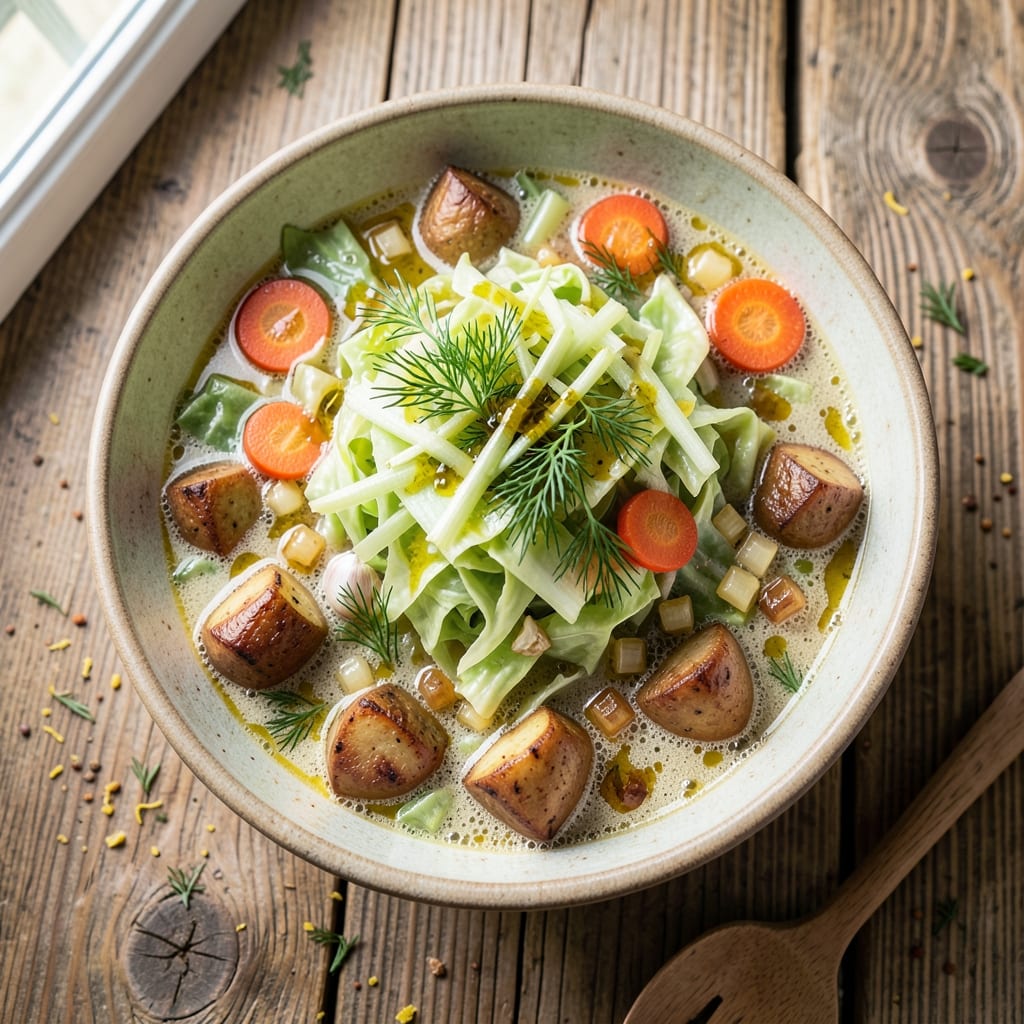
This all-you-can-eat cabbage soup recipe is the ultimate comfort food that actually feels light—packed with potatoes, hearty veggies, and just enough flavor to keep you coming back for seconds. 💛 The secret? A rich vegetable broth base that transforms simple ingredients into a soul-warming bowl that feels indulgent but won’t weigh you down. I developed this version after realizing how easy it is to make a vegetarian soup that’s filling enough to satisfy even the biggest appetites.
The magic happens with a mix of starchy potatoes and fiber-rich cabbage, which work together to create a satisfying texture without the heaviness of cream or meat. You’ll simmer everything in a flavorful broth infused with garlic, carrots, and celery—classic aromatics that build depth without overpowering the natural taste of the vegetables. The best part? This recipe scales effortlessly, so you can easily double or triple it for a crowd.
By the time you’re done, you’ll have a steaming bowl of soup with tender potatoes, perfectly wilted cabbage, and a broth so flavorful you’ll want to drink it straight from the pot. It’s the kind of meal that warms you up from the inside out while keeping things light and nutritious. Plus, it’s naturally vegetarian and can easily be made vegan with a few simple swaps.
Serve it with crusty bread for dipping or a sprinkle of fresh herbs for brightness. Here’s how to make it—simple, hearty, and impossible to resist.
Ingredients for all you can eat cabbage soup
Simple veggie staples that transform into a hearty, filling soup everyone will love.
| Ingredient | Amount | Notes |
|---|---|---|
| Yellow Onion 🧅 | 1 whole | Diced, medium size preferred |
| Carrots 🥕 | 4 medium | Peeled, chopped into chunks |
| Celery Stalks 🧅 | 3 whole | Chopped, leafy parts trimmed |
| Garlic Cloves 🧄 | 4 cloves | Minced for aromatic depth |
| Russet Potatoes 🥔 | 3 lb | Peeled, cubed into 1-inch pieces |
| Green Cabbage 🥬 | 1 small | Cored, shredded or chopped |
| Vegetable Broth 💧 | 6 cups | Low-sodium preferred |
| Tomato Paste 🍅 | ½ cup | Squeeze tube or canned |
| Dried Thyme 🌿 | 1 tsp | Or 1 tbsp fresh thyme |
| Bay Leaves 🌿 | 2 whole | Removed before serving |
| Black Peppercorns 🌶️ | ½ tsp | Freshly cracked preferred |
| Salt 🧂 | 1 ½ tsp | Kosher or sea salt |
| Fresh Parsley 🌿 | ¼ cup | Chopped for garnish |
| Olive Oil 🫒 | 2 tbsp | Extra-virgin for richness |
| Lemon Juice 🍋 | 1 tbsp | Freshly squeezed |
The potatoes and cabbage are your secret weapons here—Russet potatoes break down perfectly while green cabbage keeps things light and fibrous. I always grab organic potatoes from Trader Joe's since they're less waxy, but regular store-brand works too. For cabbage, look for heads that feel heavy for their size—lightweight means it's past its prime. The vegetable broth is non-negotiable for flavor; Imagine or Pacific Foods brands are my go-tos, but homemade is even better. Don't skip the tomato paste—it adds that deep, umami richness without making the soup taste heavy.
No vegetable broth? Water plus bouillon cubes works in a pinch, but add an extra pinch of salt. Short on thyme? Oregano at half the amount gives a similar vibe. The lemon juice brightens everything up—skip it if you prefer a neutral taste. For extra heartiness, toss in some white beans or lentils. The parsley is totally optional but adds that fresh finish—dried parsley works at one-third the amount. If you're making this vegan, just ensure your broth is plant-based and swap any dairy-based ingredients (though this recipe is already dairy-free).
This soup tastes even better the next day—leftovers keep for 5 days in the fridge. For freezing, portion into containers and it reheats beautifully. I always make a double batch because it disappears fast. Store the broth separately if you're not using it all at once—freezes for 3 months. The potatoes will get mushy if you overcook, so keep an eye on them. For serving, I like to add a sprinkle of red pepper flakes for those who want heat.
Why You'll Love This Recipe
- One-Pot Magic: I swear by this recipe because it’s all in one pot—no chopping boards to clean, no extra dishes. Just dice the onion, carrots, celery, and potatoes while the garlic sizzles, then toss it all in with the cabbage and broth. Twenty minutes later, you’re done. (Yes, even on a Tuesday night.)
- Garlic-Carrot Crunch: That first spoonful of soup? Chef’s kiss. The garlic cloves caramelize just enough to give a deep, toasty punch, while the carrots stay tender-crisp—like a hug for your taste buds. The potatoes add a creamy backbone, but the real star is how everything melts together without losing its edge.
- Meal Prep MVP: Between us, this is my go-to for lunches all week. The flavors actually improve after a day in the fridge—more depth, more richness. I portion it into jars with a sprinkle of fresh herbs on top, and suddenly I’ve got five easy, satisfying meals ready to grab. (No sad desk lunches here.)
- Budget-Friendly Feast: A head of cabbage, a bag of potatoes, and a few onions stretch into eight servings for next to nothing. Honestly, I’ve fed my whole family plus a neighbor for under $10. It’s the kind of recipe that makes you feel like you’re hosting a dinner party without breaking the bank—or your grocery budget.
Step-by-step instructions for all-you-can-eat cabbage soup
Here's how to create a hearty, potato-packed cabbage soup that's light yet satisfying enough to eat bowl after bowl.
🍳 Step 1: Sauté the Vegetable Base
Heat the 2 tbsp olive oil in a large Dutch oven or soup pot over medium heat. Add the diced yellow onion, chopped carrots, and chopped celery stalks. Cook for 8-10 minutes until the vegetables soften and the onion becomes translucent.
Here's the thing—don't rush this step. You want the vegetables to release their natural juices and develop some color before adding the potatoes. Stir occasionally to prevent burning. When the mixture smells sweet and earthy, you're ready for the next step.
🍳 Step 2: Add Potatoes and Aromatics
Push the sautéed vegetables to one side of the pot and add the 2 tbsp olive oil to the empty space. Once the oil shimmers, add the minced garlic cloves and cook for 30 seconds until fragrant—don't let it brown or it'll turn bitter.
Add the 1-inch cubed russet potatoes to the pot and stir to combine with the other vegetables. Pour in the 6 cups vegetable broth and bring everything to a gentle boil. Reduce heat to medium-low and let it simmer for 15 minutes until the potatoes begin to soften.
🥘 Step 3: Build Flavor with Tomato and Herbs
Stir in the 0.5 cup tomato paste, 1 tsp dried thyme, 2 whole bay leaves, 0.5 tsp cracked black peppercorns, and 1.5 tsp salt. Let the soup simmer for another 10 minutes to allow the flavors to meld together. You should notice the soup developing a rich, savory aroma.
This is where the magic happens. The tomato paste adds depth, while the herbs and spices create layers of flavor. If you're using fresh thyme instead, add it now along with the other aromatics. The bay leaves will infuse the broth with their piney notes, so don't forget to remove them before serving.
🥘 Step 4: Add Cabbage and Finish Cooking
Tear the small green cabbage into chunks and add it to the pot. Stir well to distribute the cabbage throughout the soup. Return to a simmer and cook for 20-25 minutes until the potatoes are fork-tender and the cabbage is tender but still holds its shape.
I know it seems like a long time, but this ensures the potatoes break down just enough to thicken the soup naturally. The cabbage should be soft enough to eat easily but still retain some texture. Taste the soup and adjust seasoning if needed—you might need a little more salt or pepper to balance the flavors.
🍽️ Step 5: Finish with Lemon and Garnish
Remove the pot from heat and stir in the 1 tbsp lemon juice. This brightens up the soup and cuts through the richness of the potatoes. Let the soup sit for 5 minutes to allow the flavors to meld together.
Before serving, remove the bay leaves and stir in the 0.25 cup chopped fresh parsley. Ladle the soup into bowls and serve immediately. The lemon juice will make each spoonful taste fresh and vibrant. Real talk: this soup tastes even better the next day as the flavors continue to develop, so make extra if you can!
Pro Tips For Making All You Can Eat Cabbage Soup
- CHAR THE ONIONS: Don’t just diced them—cut the yellow onion into ¼-inch half-moons and cook them in a dry pot over medium-high heat for 8-10 minutes until the edges turn golden. This caramelizes the sugars before adding liquid, giving the soup depth without extra fat. (Yes, even if you’re impatient like me.)
- PEEL POTATOES AFTER BOILING: Toss whole Russet potatoes into the boiling soup unpeeled, then remove them after 15 minutes to cool slightly. The skins slip off effortlessly, and you avoid the mess of peeling 10 potatoes upfront. Plus, the skins add texture—just scrape them off with a spoon.
- SWAP CELERY FOR STALKS: Skip the celery leaves—they turn bitter and clump. Use only the stalks, sliced into ¼-inch rounds, and add them with the carrots. This keeps the soup clean and prevents that weird, slimy texture that ruins the broth.
- SIMMER POTATOES UNTIL FORK-TENDER: Potatoes in soup should break apart easily but still hold shape—test with a fork after 20 minutes. Overcooking turns them to mush, which makes the soup gluey. If they’re done early, remove them and add back later. (I learned this the hard way with a lumpy batch.)
Make-ahead tips for this recipe
Broth Prep Ahead
Make your vegetable broth the night before—it’s the flavor foundation! Simmer 6 cups of chopped veggies (carrots, celery, onion) with 4 garlic cloves and 2 bay leaves in 8 cups water for 30 minutes. Strain and store in the fridge for up to 5 days or freeze for 3 months. I always double this batch because it disappears fast. 💧
Chop Everything First
Prep all your veggies—onion, carrots, celery, potatoes, cabbage—before you start cooking. Store them in airtight containers in the fridge for up to 3 days. This saves time and keeps your prep organized. I use glass containers with snap-on lids for easy storage. Pro tip: Keep the cabbage separate until you’re ready to cook it to prevent wilting. 🥬
Slow Cooker Option
For hands-off prep, dump everything into a 6-quart slow cooker after sautéing the veggies. Cook on LOW for 6-7 hours or HIGH for 3-4 hours. The slow cooker keeps the potatoes creamy and the cabbage tender without constant stirring. Perfect for busy days—just add the lemon juice and parsley at the end. 🔥
Freezer-Friendly Leftovers
Portion cooled soup into freezer-safe containers, leaving 1 inch headspace for expansion. Label with the date—it keeps for 3 months. To reheat, thaw overnight in the fridge, then warm on the stovetop over medium-low heat with 2 tbsp water to prevent drying. I always freeze extra broth separately for future soups. ❄️
Double the Batch
This recipe scales perfectly—just double all ingredients and use a large stockpot or Dutch oven. Simmer times may increase slightly, but the extra effort is worth it for leftovers. I’ve made 12 servings at once and frozen half for later. Store in quart-sized containers for easy reheating. Trust me, you’ll want seconds! 🍲
Garnish Prep
Chop fresh parsley and store it in a small airtight container with a damp paper towel to keep it fresh. Store in the fridge for up to 5 days. If using dried parsley, measure it out ahead of time—1 tbsp dried = ¼ cup fresh. Keep lemon juice in a small squeeze bottle in the fridge for quick access when finishing the soup. ✨
Nutrition facts
Frequently asked questions
Can I make this cabbage soup vegan?
This recipe is already vegetarian and can be easily made vegan by using a plant-based vegetable broth (like Imagine or Pacific Foods vegan options). Just ensure your broth doesn't contain any meat-based ingredients. The recipe naturally includes no dairy or animal products, so no other swaps are needed.
How do I make this soup spicier?
Add ½ to 1 teaspoon of red pepper flakes when sautéing the vegetables, or stir in 1 chopped fresh chili pepper (like jalapeño or serrano) with the garlic. For heat lovers, add a pinch of cayenne pepper along with the black peppercorns. Adjust to taste—you can always add more later!
Can I use frozen cabbage instead of fresh?
Yes, but thaw and drain it first to avoid watering down the soup. Use 12 ounces of frozen chopped cabbage (about the same volume as fresh) and add it during the last 10 minutes of cooking. Frozen cabbage works well but may release more moisture, so reduce the broth by ½ cup if needed.
Why did my potatoes turn mushy?
Overcooking is the most common cause. Potatoes release starch when cooked too long, making them gummy. Keep an eye on them—they're done when fork-tender but still holding shape (about 20-25 minutes total simmering time). If they're already mushy, try adding 1 tablespoon of cornstarch mixed with water to thicken the broth.
What can I add to make it more filling?
For extra heartiness, stir in 1 can of white beans or lentils (drained and rinsed) with the cabbage, or add ½ cup of cooked quinoa or brown rice at the end. You could also fold in ½ cup of shredded chicken or tofu for protein. The soup will still be light but much more satisfying!