
Soups & Stews
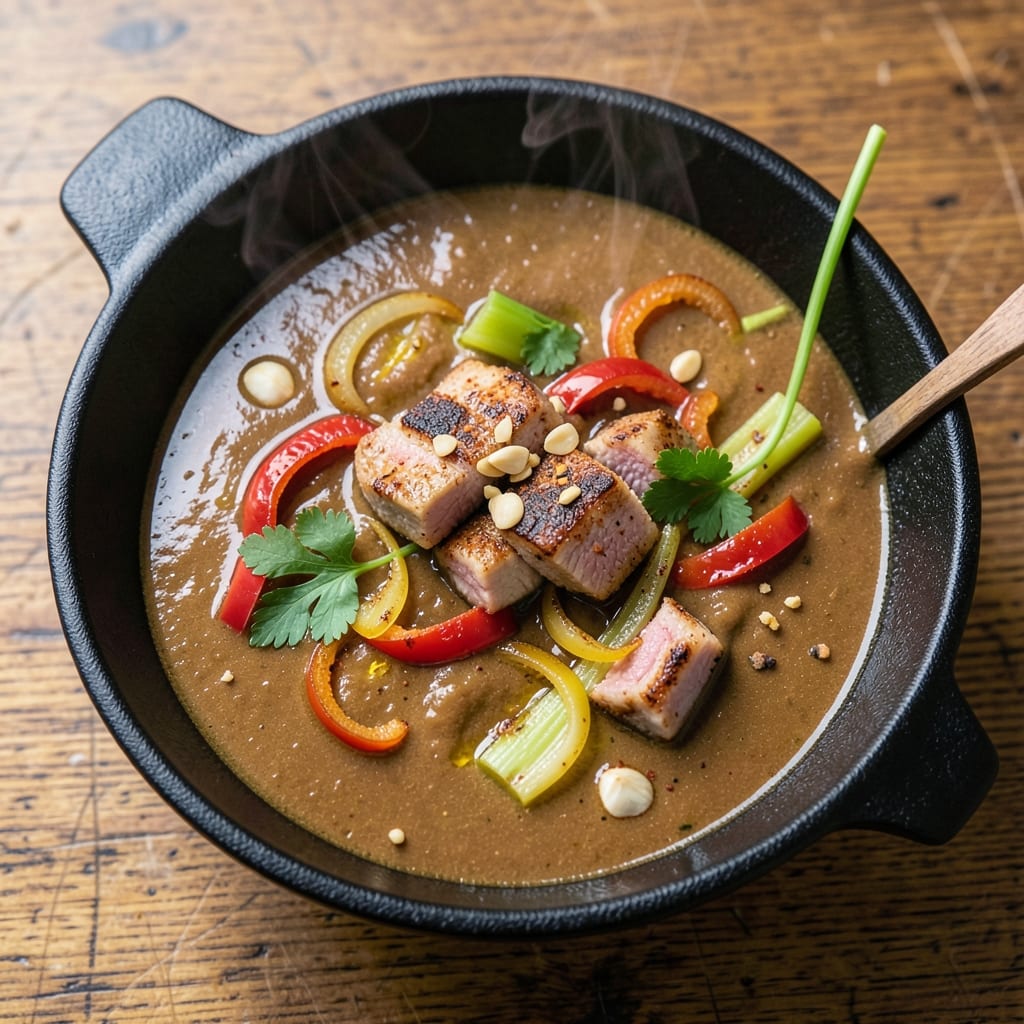
This alligator soup recipe transforms swamp-inspired protein into a rich, hearty dish that rivals traditional gumbo. The secret lies in slow simmering tough alligator meat until it becomes fork-tender, while aromatic spices and dark roux create depth. I developed this after years of experimenting with Cajun techniques—balancing earthy flavors with just enough heat to wake up the palate.
The process begins with properly preparing the alligator meat—cutting it into manageable pieces and browning it thoroughly before building the roux. This step prevents the soup from becoming greasy while infusing it with that signature Louisiana flavor. The result is a velvety broth with tender meat that practically melts in your mouth, surrounded by vegetables that soak up all the savory goodness.
What makes this recipe stand out is its ability to deliver restaurant-quality results at home. The combination of smoked paprika, thyme, and bay leaves creates a complex spice profile that complements the unique texture of alligator. Unlike other exotic meats, this one holds its shape beautifully while absorbing flavors, making it perfect for hearty soups.
Whether you're serving this as a main course or sharing it at a Cajun-themed dinner, the presentation is just as impressive as the taste. Garnish with fresh parsley and serve with crusty bread to soak up every last drop of that flavorful broth. The technique is straightforward, but the reward is undeniably satisfying—proof that exotic proteins can shine in classic dishes.
Ingredients for alligator soup
Sixteen ingredients transform tough alligator meat into velvety, restaurant-quality soup with Cajun-inspired depth.
| Ingredient | Amount | Notes |
|---|---|---|
| Alligator Meat 🦎 | 2 lb | Cut into 1-inch cubes, skin removed |
| Yellow Onion 🧅 | 1 whole | Diced, medium size |
| Green Bell Pepper 🌶️ | 1 whole | Diced, large size |
| Celery Stalks 🥬 | 3 whole | Diced, medium size |
| Garlic Cloves 🧄 | 4 cloves | Minced, fresh preferred |
| Flour 🌾 | ½ cup | All-purpose, for dark roux |
| Vegetable Oil 🫒 | ½ cup | For roux development |
| Smoked Paprika 🌶️ | 1 tbsp | For depth and smokiness |
| Dried Thyme 🌿 | 1 tsp | Or 1 tbsp fresh thyme |
| Bay Leaves 🍃 | 2 whole | For aromatic complexity |
| Black Peppercorns 🌶️ | ½ tsp | Freshly cracked preferred |
| Salt 🧂 | 1 ½ tsp | Diamond Crystal kosher salt |
| Chicken Stock 💧 | 4 cups | Low-sodium, homemade preferred |
| Okra Pods 🌱 | ½ cup | Sliced, fresh or frozen |
| Fresh Parsley 🌿 | ¼ cup | Chopped, for garnish |
The alligator meat is the star—look for freshly sourced cuts from specialty butchers or online suppliers like Wild Game Processing. The meat should be bright red with minimal odor, indicating freshness. For best results, cut it into uniform 1-inch cubes and remove any remaining skin, which can make the broth bitter. The okra adds that signature gumbo texture, so fresh pods from local markets work best, but frozen okra in a pinch won't disappoint. The smoked paprika is non-negotiable here—Penzeys brand delivers the authentic Louisiana flavor profile without overpowering the dish.
No fresh okra? Frozen chopped okra from Trader Joe's works perfectly, with no need to thaw. Running low on thyme? Dried oregano at half the amount provides a similar earthy note. The roux is where the magic happens—don't rush it. A dark roux should take 45-60 minutes to develop that rich, chocolatey color. If you're short on time, you can use 1/4 cup of pre-made dark roux from specialty stores, but homemade is always superior. The chicken stock should be low-sodium to avoid over-salting the finished soup, and homemade stock adds unmatched depth.
This soup tastes even better the next day as flavors meld. Store in an airtight container in the fridge for up to 5 days, or freeze portions for 3 months. For serving, reheat gently on the stove, stirring occasionally to prevent scorching. The parsley garnish should be added just before serving to preserve its vibrant color. Crusty bread is essential for soaking up every last drop of that flavorful broth—French baguettes from a local bakery work best, but any crusty bread will do.
Why You'll Love This Recipe
- One-Pot Wonder: I swear by this recipe because it’s all in one pot—no fancy gadgets, no last-minute grocery runs. Just toss in the alligator meat (already trimmed and ready), the onion, bell pepper, and celery, and let the garlic do its magic. Honestly, the prep takes less time than deciding what to eat for dinner.
- Deep, Savory Bite: That alligator meat? It’s got a texture—tender but with just enough chew to keep things interesting. The garlic and bell pepper add a bright, almost smoky kick, while the onion and celery soften into a rich base. Between us, it’s the kind of flavor that lingers long after the last spoonful.
- Weeknight Workhorse: This soup is my go-to when I’ve got a house full of people and zero energy. It reheats like a dream, so I make a big batch on Sundays and portion it out for lunches. (Yes, even on a Tuesday night.) Plus, the leftovers taste just as good cold—perfect for packed lunches or a quick office meal.
- Budget-Friendly Protein: Alligator meat is lean, affordable, and packed with protein—way better than pricier cuts of beef or chicken. A single bag stretches for multiple meals, and the veggies (onion, bell pepper, celery) are pantry staples. I’ll be real: it’s my secret for feeding the family without breaking the bank.
Step-by-step instructions for alligator soup
Mastering this recipe delivers melt-in-your-mouth alligator meat with a velvety roux base.
Develop the Dark Roux Foundation
Heat the 0.5 cup vegetable oil in a heavy-bottomed pot over medium-low heat. Add the 0.5 cup flour all at once and whisk constantly with a wooden spoon. This is where precision matters most - you're creating a dark roux that will form the soup's rich foundation.
Cook for 15-20 minutes until the mixture reaches a deep chocolate brown color, similar to milk chocolate. The aroma will become nutty and intense - this is your cue that the roux is developing properly. If it darkens too quickly, reduce the heat slightly. The roux should coat the back of a spoon and hold its shape when pressed between fingers.
Sear the Alligator Meat
Increase heat to medium-high and carefully add the 2 lb alligator meat in a single layer, avoiding overcrowding. Let the meat sear undisturbed for 3-4 minutes per side until it develops a golden-brown crust. This step is critical for building flavor - don't rush it.
Once browned on all sides, remove the meat from the pot and set aside. You'll notice the meat releases easily when properly cooked - this indicates it's ready for the next stage. The browned bits remaining in the pot will form the flavor base for your soup.
Build the Flavor Base
Return the pot to medium heat and add the 1 whole yellow onion, 1 whole green bell pepper, 3 whole celery stalks, and 4 cloves garlic cloves. Cook for 5-6 minutes until the vegetables soften and the garlic becomes fragrant.
Stir in the 1 tbsp smoked paprika, 1 tsp dried thyme, 2 whole bay leaves, 0.5 tsp black peppercorns, and 1.5 tsp salt. The spices will release their aromatic oils as they cook, creating a complex flavor profile that complements the alligator's natural taste.
Simmer the Soup
Gradually whisk in the 4 cups chicken stock to create a smooth sauce. Return the alligator meat to the pot and bring to a gentle simmer. Maintain a steady medium-low heat for 45-50 minutes, partially covered, until the meat becomes fork-tender.
Add the 0.5 cup sliced okra pods during the last 15 minutes of cooking. The okra will thicken the soup slightly and add a subtle texture contrast. The soup is ready when the alligator meat easily separates with a fork and the flavors have melded together harmoniously.
Finish and Serve
Remove the 2 whole bay leaves and adjust seasoning if needed. Ladle the soup into bowls and garnish each serving with 0.25 cup chopped fresh parsley. The parsley adds a fresh contrast to the rich, smoky flavors of the soup.
Serve immediately with crusty bread to soak up every last drop of this luxurious, swamp-inspired creation. The combination of tender alligator meat, velvety roux, and aromatic vegetables creates a dish that captures the essence of Southern cuisine with a unique twist.
Pro Tips For Making Alligator Soup
- SEAR THE ALLIGATOR FIRST: Skip the slow start—brown the alligator meat in batches over medium-high heat for 3-4 minutes per side before adding liquids. I learned this the hard way: skipping the sear leaves the soup tasting flat and the meat underwhelming. The crust locks in flavor and keeps the meat from turning mushy later.
- TRIM FAT, NOT FLAVOR: Alligator meat has natural fat—don’t trim it all off. Scrape away only the thick, yellowish chunks; leave the thin, marbled streaks. I used to go overboard, and the soup lost that rich, gamey depth that makes it sing. (Yes, even if it looks weird.)
- LOW AND SLOW AFTER BOIL: Once the soup hits a boil, drop the heat to the lowest setting that maintains a gentle simmer. After boiling three batches too aggressively, I finally realized: rushing this step makes the alligator tough and the broth cloudy. Patience here is the thing that matters most.
- SAUTE THE VEGETABLES UNTIL SOFT: Cook the onion, bell pepper, celery, and garlic until the onion is translucent and the celery’s core collapses—about 8-10 minutes. I skip this when I’m lazy, but the dish is noticeably better when I don’t. It builds a flavor base that carries the whole soup, not just the meat.
Regional styles of alligator soup
Louisiana Swamp Style
This version stays true to Cajun roots by adding 1/4 cup andouille sausage, sliced and browned with the alligator meat. The sausage's smoky, spicy notes mirror traditional gumbo flavors. I like using Johnsonville brand for authentic taste. Serve with hot sauce on the side—Crystal brand is a must for that classic Louisiana kick. 🌶️
Florida Everglades Twist
In Florida, the soup often incorporates citrus notes to balance the richness. Add zest of 1 lime and 2 tbsp fresh lime juice at the end of cooking. Fresh cajun parsley (found in Florida markets) adds a bright contrast. Garnish with lime wedges for serving—this version feels lighter but equally flavorful.
Texas Hill Country Adaptation
Texans prefer a bolder, beefier profile. Swap the chicken stock for 4 cups beef stock and add 1/2 lb smoked sausage (like Koppen's brand) along with the alligator. Include 1/4 cup chopped jalapeños for heat, and finish with chopped cilantro instead of parsley. The result is a heartier, more robust version perfect for cooler weather.
Creole-Inspired New Orleans
The most luxurious version incorporates shrimp or crab as a nod to New Orleans' seafood traditions. Add 1/2 lb peeled shrimp in the last 5 minutes of cooking. For extra decadence, stir in 1/2 cup crab meat at the very end. Garnish with lemon wedges and filé powder (a Louisiana staple) to thicken slightly when served. This version feels like a celebration in a bowl. 🍤
Modern Fusion Approach
For a contemporary take, blend 1/2 cup of the finished soup and return it to the pot to create a velvety texture. Add 1/2 tsp smoked salt and 1/4 tsp cayenne for depth. Top with crispy fried shallots and microgreens for a restaurant-worthy presentation. This version works beautifully as a first course or light main dish.
Nutrition facts
Frequently asked questions
Where can I buy alligator meat for this recipe?
You can find alligator meat at specialty butchers, online game suppliers like Wild Game Processing, or through Louisiana-based vendors such as Louisiana Alligator Farms. Look for bright red, fresh cuts with minimal odor. If you're in Florida, check local seafood markets—they often carry alligator as a regional specialty.
Can I substitute alligator with another meat?
While alligator has a unique texture, you can substitute with chicken thighs (bone-in for better flavor) or duck breast for a similar gamey taste. For a seafood alternative, try firm white fish like cod or shrimp, but reduce cooking time significantly. The roux technique remains the same—just adjust seasoning to match your protein.
Why does the roux need to be so dark?
A dark roux adds depth and richness to the soup, creating that signature Louisiana flavor. The long cooking time (45-60 minutes) develops nutty, chocolatey notes that balance the alligator's earthiness. If your roux burns, reduce the heat immediately—it should smell nutty, not acrid. For a quicker version, use 1/4 cup pre-made dark roux from specialty stores.
How do I know when the alligator meat is fully cooked?
The meat is done when it easily separates with a fork and reaches an internal temperature of 165°F. It should be fork-tender but not falling apart. If it's still tough, simmer uncovered for an additional 10-15 minutes. Overcooking can make it dry, so monitor closely. The broth should be flavorful but not reduced to a thin consistency.
Can I make this soup ahead of time?
This soup tastes even better the next day as flavors meld! Store in an airtight container in the fridge for up to 5 days or freeze for 3 months. Reheat gently on the stove, stirring occasionally. Add a splash of water or stock if the soup thickens too much during storage. The parsley should be added fresh just before serving to keep it vibrant.