
Soups & Stews
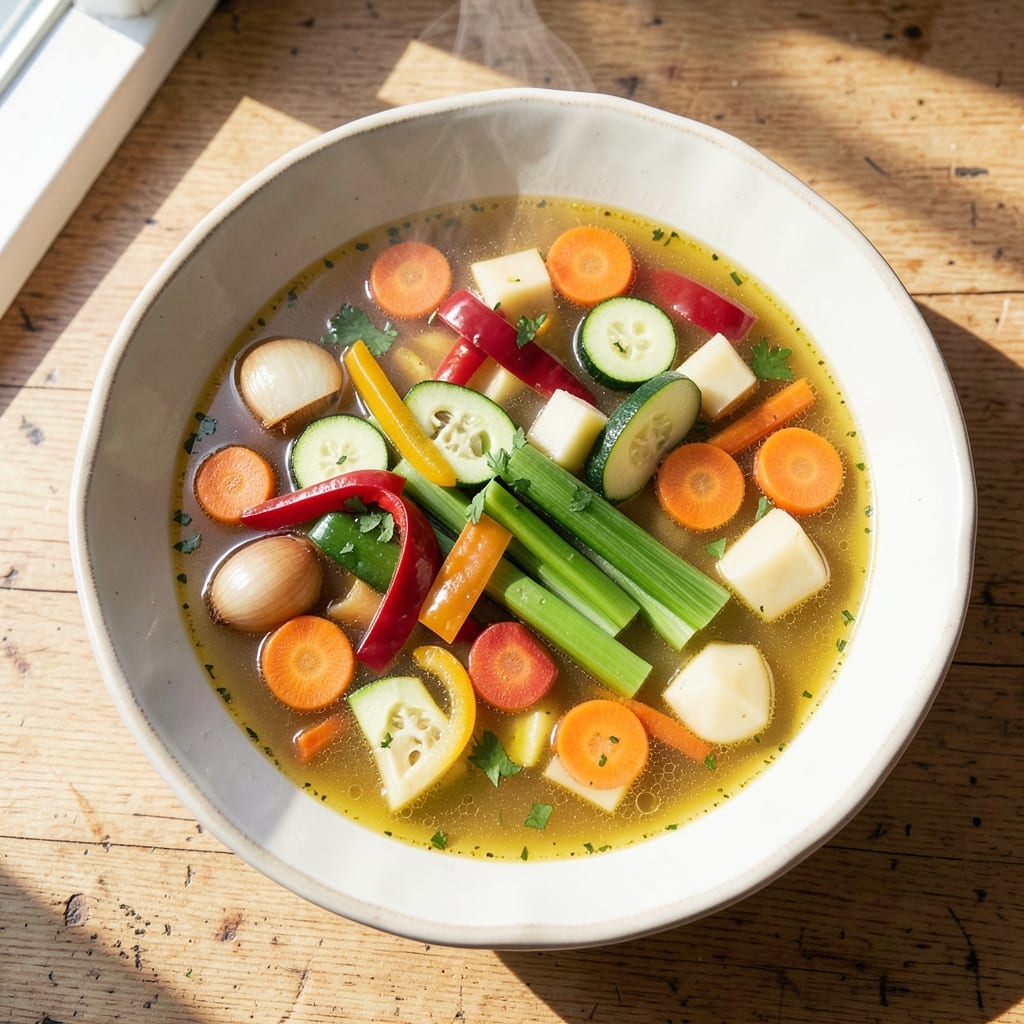
This alphabet vegetable soup transforms a simple meal into a playful, educational experience that makes healthy eating fun for kids—and adults too. 💛 The secret lies in carefully selecting vegetables that spell out letters when arranged, turning dinner into a game where every spoonful delivers both nutrition and a little learning. Whether you're serving picky eaters or looking for a creative way to sneak in veggies, this recipe delivers a flavorful, cohesive broth packed with familiar and unexpected ingredients.
The beauty of this soup is its flexibility—you can stick to the classic alphabet approach or mix in seasonal favorites while keeping the theme intact. Each vegetable is prepped to maintain its texture and flavor, ensuring the soup remains balanced and delicious. Simmering times are carefully timed so nothing turns mushy, and the broth is rich enough to stand on its own while still letting the vegetables shine. Garnishes like fresh herbs or a drizzle of olive oil add an extra layer of appeal, making it feel special without extra effort.
What you’ll end up with is a vibrant, aromatic soup that’s as visually engaging as it is tasty. The alphabet theme turns mealtime into an adventure, while the flavors—savory, slightly sweet, and perfectly seasoned—keep everyone coming back for more. It’s the kind of dish that turns a routine dinner into a memorable experience, proving that healthy eating can be both fun and foolproof.
Perfect for family dinners, school lunches, or potlucks, this soup scales easily and reheats beautifully. Let’s get started—your alphabet adventure awaits!
Ingredients for alphabet vegetable soup
Playful veggies plus pantry staples—turning dinner into alphabet fun for kids and adults alike.
| Ingredient | Amount | Notes |
|---|---|---|
| Yellow Onions 🧅 | 1 whole | Diced for base flavor |
| Carrots 🥕 | 3 medium | Peeled and chopped into sticks |
| Celery Stalks 🧅 | 3 whole | Chopped, for classic trio |
| Zucchini 🥒 | 2 medium | Sliced into half-moons |
| Potatoes 🥔 | 1 lb | Diced small for tenderness |
| Green Bell Peppers 🌶️ | 1 whole | Diced for crunch and color |
| Roma Tomatoes 🍅 | 3 medium | Crushed for depth of flavor |
| Sweet Potatoes 🍠 | 1 medium | Cubed for natural sweetness |
| Spinach Leaves 🌿 | 2 cups | Chopped for last-minute wilt |
| Mushrooms 🍄 | ½ lb | Sliced for umami boost |
| Vegetable Broth 💧 | 4 cups | Low-sodium preferred |
| Extra-Virgin Olive Oil 🫒 | 2 tbsp | For sautéing vegetables |
| Garlic Cloves 🧄 | 3 cloves | Minced for aromatic punch |
| Fresh Thyme Leaves 🌿 | 1 tbsp | Or 1 tsp dried thyme |
| Bay Leaves 🌿 | 2 whole | Removed before serving |
| Salt 🧂 | 1 ½ tsp | Adjust to taste |
| Black Pepper 🌶️ | ½ tsp | Freshly ground preferred |
| Fresh Parsley 🌿 | ¼ cup | Chopped for garnish |
The vegetables are the stars here, so grab what's fresh at your local market—Trader Joe's or Whole Foods have great organic options. For the alphabet theme, I always pick sweet potatoes (S) and spinach (S) for easy letter shapes. Baby carrots work perfectly for the C in carrots, and Roma tomatoes are ideal for O. If you're short on time, frozen chopped veggies (like mushrooms or bell peppers) save prep work without sacrificing flavor. Just make sure to thaw and drain them first—no one wants soggy soup. The key is balancing textures: keep the carrots and potatoes firm while letting the spinach wilt at the end.
No sweet potatoes? Regular potatoes plus a pinch of cinnamon mimics the sweetness. Short on spinach? Kale or Swiss chard works too—just chop finely. The vegetable broth can be homemade (simmer veggie scraps with herbs) or store-bought, but low-sodium is a must. For the alphabet theme, you can swap in other veggies like cauliflower (C), eggplant (E), or peas (P)—just adjust cooking times so nothing turns mushy. The thyme and bay leaves add depth, but if you're missing either, Italian seasoning at half the amount bridges the gap. And for the olive oil, avocado oil works too—just don't overheat it.
This soup tastes even better the next day—honestly, the flavors meld into something magical. Store leftovers in the fridge for 4-5 days or freeze for 3 months. I like to portion it into containers with a little extra broth on top to prevent freezing. For serving, the alphabet arrangement makes it fun: arrange veggies in a bowl to spell out words or letters before ladling in the soup. Garnish with fresh parsley and a drizzle of olive oil right before serving—that's the secret to restaurant-quality presentation. Kids love getting involved with the setup, so let them help arrange the veggies!
Why You'll Love This Recipe
- No Chopping Chaos: I swear, this soup only needs those five veggies—onions, carrots, celery, zucchini, and potatoes—all cut into big chunks. That’s it. Even my toddler could do it (and sometimes does), so it’s genuinely the most hands-off veggie prep I’ve ever managed.
- Savory Depth Surprise: The onions caramelize just enough to give it that warm, almost sweet base, while the celery adds this subtle earthy kick. Throw in a bouquet garni (or even just a bay leaf and thyme) and suddenly, it’s not just soup—it’s good soup. The potatoes soak up all the flavor like little flavor sponges.
- Lunchbox Hero: Between us, this soup is my go-to for meal prep because it reheats like a dream. Pack it cold in jars for lunches, or warm it up for dinner—it’s equally solid either way. I’ll be real: my kids actually ask for leftovers, and that’s saying something.
- Budget-Friendly Staple: You’re using pantry basics here—no specialty items, no fancy swaps. A single onion, a few carrots, and whatever celery’s lurking in your crisper will make this work. Plus, it stretches across three meals easy, so it’s my wallet’s favorite soup by far. No guilt, just good eats.
Step-by-step instructions for alphabet vegetable soup
Create a vibrant, nutritious soup that sneaks in veggies kids will actually eat.
🍳 Step 1: Sauté the Vegetable Base
Heat the 2 tablespoons extra-virgin olive oil in a large pot over medium heat. Add the diced yellow onions, chopped celery stalks, and chopped carrots. Cook for 5 minutes until the onions become translucent and the celery softens slightly.
Add the minced garlic cloves and cook for 30 seconds until fragrant. Here's the thing—don't let the garlic burn, or it'll turn bitter. Stir constantly and keep the heat at medium. This aromatic base is the foundation of your soup's flavor, so take your time with this step.
🍳 Step 2: Cook the Hearty Vegetables
Add the diced potatoes, cubed sweet potatoes, diced green bell peppers, and sliced zucchini to the pot. Stir everything together and cook for 5 minutes to let the vegetables begin to soften and release their flavors.
Next, add the crushed roma tomatoes, fresh thyme leaves, and bay leaves. Pour in the 4 cups vegetable broth and bring the mixture to a gentle boil. Once boiling, reduce the heat to low-medium and let it simmer uncovered for 15 minutes. You'll know it's ready when the potatoes are fork-tender and the flavors have melded beautifully.
🍳 Step 3: Add Mushrooms and Season
Add the sliced mushrooms to the pot and cook for an additional 5 minutes. Mushrooms absorb flavors like sponges, so this step ensures they'll be packed with all the delicious aromas from the other vegetables. Stir occasionally to prevent them from sticking to the bottom of the pot.
Season the soup with 1.5 teaspoons salt and 0.5 teaspoon black pepper. Taste and adjust the seasoning if needed. The soup should be well-seasoned but not overly salty. Remember, you can always add more salt later, but you can't take it out. Let the soup simmer for another 5 minutes to allow the flavors to fully develop.
🥘 Step 4: Finish with Spinach and Fresh Parsley
Stir in the chopped spinach leaves and cook for 2 minutes until just wilted. This is the moment that matters: the spinach should be tender but still vibrant green. Overcooking will turn it mushy and lose its nutritional benefits.
Remove the bay leaves from the soup as they're not meant to be eaten. Stir in the chopped fresh parsley and let the soup simmer for another 2 minutes to incorporate the parsley's fresh flavor. Turn off the heat and let the soup rest for 5 minutes to allow the flavors to meld together.
🍽️ Step 5: Serve Warm and Enjoy
Ladle the soup into bowls and serve warm. The vibrant colors of the vegetables will make it look as appealing as it tastes. If you're serving kids, you can even call it "Alphabet Soup" and have them find the different vegetables in each spoonful.
This soup is perfect for meal prep too—it tastes even better the next day as the flavors continue to meld. Store leftovers in an airtight container in the refrigerator for up to 4 days. Don't skip the parsley garnish; it adds a pop of color and freshness that makes the soup look even more inviting.
Pro Tips For Making Alphabet Vegetable Soup
- SWAP ZUCCHINI LAST: Add zucchini in the final 10 minutes—it cooks faster than you’d think and turns mushy if you let it sit too long. I learned this the hard way when my soup went from fresh to sad in one simmer.
- CHOP ONIONS UNIFORM: Cut yellow onions into ¼-inch slices instead of rough chunks—they’ll soften evenly without disappearing into the broth. Uneven pieces mean some will be raw while others turn to mush.
- SALT THE POTATOES: Toss diced potatoes with a pinch of salt before adding them to the pot—it jumpstarts flavor and prevents bland spots. Skip this, and you’ll end up tasting the broth more than the veggies.
- USE A LID FOR POTATOES: Cover potatoes with broth halfway through cooking to speed up softening, then uncover to let other veggies caramelize. I used to ignore this, and my potatoes always felt undercooked.
Storing and reheating this dish
Refrigerator Storage
Let your alphabet vegetable soup cool completely before transferring to airtight containers—I swear by glass Pyrex containers with snap-on lids. Store it in the fridge at 40°F or below for up to 4-5 days. The flavors actually deepen overnight as the vegetables continue to meld together. Honestly, the second day is when this soup truly shines! 💛
Freezer Prep Tips
For long-term storage, portion the soup into freezer-safe containers or quart-sized freezer bags, leaving 1 inch of headspace for expansion. Freeze for up to 3 months—I like to label each container with the date. Thaw overnight in the fridge before reheating for best texture. Never microwave straight from frozen, or the spinach will turn mushy.
Stovetop Reheating
This is my preferred method because it preserves texture perfectly. Transfer soup to a pot and heat over medium-low heat for 10-15 minutes, stirring occasionally. Add ¼ cup water or broth if the soup looks too thick. Taste and adjust seasoning—it often needs a pinch of salt after reheating. Keep the heat low to prevent scorching those delicate veggies. ✨
Microwave Method
For quick meals, microwave individual portions covered with a damp paper towel on 70% power for 2-3 minutes, stirring halfway. If the soup seems dry, add a splash of broth or water. Avoid high power settings—they can turn the spinach into a sad, mushy mess. This method works best for one-serving portions.
Garnish Before Serving
Always add fresh parsley and a drizzle of extra-virgin olive oil right before serving—this keeps the soup looking vibrant and adds that restaurant-quality finish. For extra flair, arrange the vegetables in bowls to spell out letters or words before ladling in the soup. Kids love this interactive touch! 🌟
Reheating Leftovers
If you've stored the soup in the fridge, let it sit at room temperature for 10-15 minutes before reheating. This helps distribute heat evenly and prevents temperature shocks. For best results, reheat gently on the stovetop—it's worth the extra time to keep those veggies perfect. And remember, never reheat soup to above 165°F to maintain food safety.
Nutrition facts
Frequently asked questions
Can I make this alphabet vegetable soup without sweet potatoes?
Swap sweet potatoes for regular potatoes and add ½ teaspoon cinnamon to mimic sweetness. For extra alphabet fun, try cubed cauliflower (C) or eggplant (E) instead—they add great texture and can be arranged creatively in bowls. Just adjust cooking times so they stay firm.
How do I arrange the vegetables to spell letters?
Use the veggies' natural shapes! Carrots make great C's when sliced lengthwise, bell peppers can form O's, and spinach leaves work for S's. Arrange them in bowls before ladling soup over, or let kids help create patterns. For extra flair, use a spoon to draw letters in the broth before serving.
What if I don't have fresh herbs like thyme or parsley?
No problem! Use ½ teaspoon dried thyme (reduce by half) or Italian seasoning instead. For parsley, try chopped cilantro or basil as garnish—they add freshness too. If you're missing herbs entirely, a pinch of garlic powder or onion powder can help bridge the flavor gap.
Can I make this soup spicier for adults?
Definitely! Add ½ teaspoon red pepper flakes when sautéing the base or a pinch of cayenne pepper to the broth. For a smoky kick, stir in ½ teaspoon smoked paprika with the mushrooms. Always taste first—you can adjust heat, but you can't take it out!
Why does my alphabet soup turn out watery?
This usually happens if you overcook the vegetables or use too much broth. Try reducing the broth to 3 cups and simmering uncovered for 10 minutes at the end to thicken. For extra body, stir in 1 tablespoon cornstarch mixed with 2 tablespoons water and simmer for 2 minutes—just don't overdo it!