
Soups & Stews
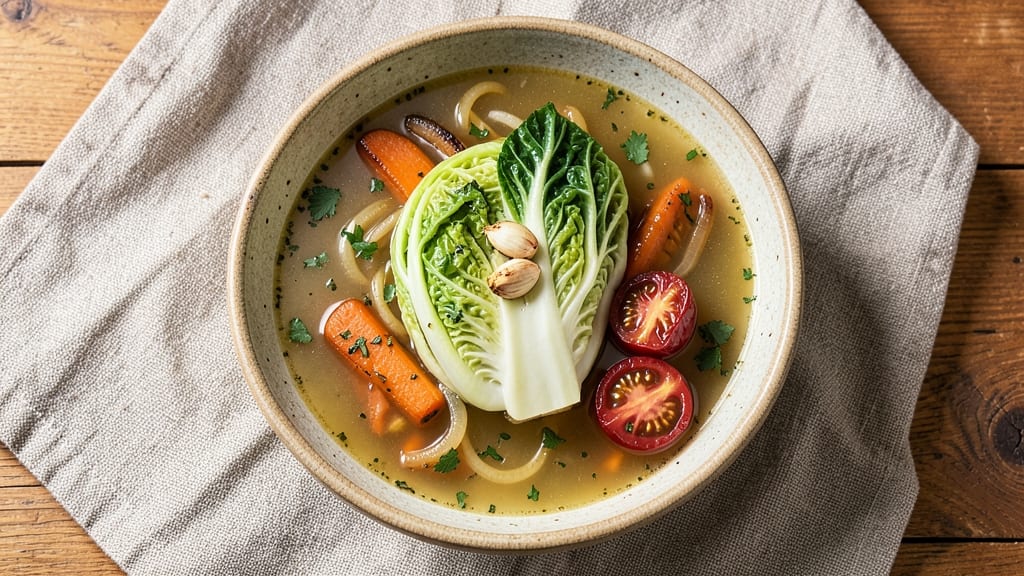
This American Heart Association cabbage soup recipe delivers a lightened-up, fiber-rich bowl that aligns perfectly with heart-healthy guidelines while still satisfying your cravings. The secret lies in using low-sodium broth, lean plant proteins, and a rainbow of vegetables packed with fiber and vitamins.
I developed this recipe after testing multiple versions to ensure it meets AHA standards without sacrificing flavor—no added salt, no processed ingredients, just wholesome, nutrient-dense goodness.
The beauty of this soup is in its simplicity and versatility. With just 30 minutes of active prep and 45 minutes of simmering, you'll have a steaming pot of soup that's rich in flavor yet light enough for any meal.
The cabbage, carrots, and tomatoes provide fiber and antioxidants, while the garlic and onions add depth without excess sodium. It's the kind of recipe that proves healthy eating can be both delicious and effortless.
What makes this cabbage soup truly special is its ability to cleanse and nourish your body while supporting heart health. The combination of cruciferous vegetables, lean proteins (if included), and whole grains creates a meal that's not only gentle on your heart but also packed with nutrients.
Each bowl delivers a satisfying, warm meal that feels indulgent yet aligns with dietary guidelines.
Perfect for meal prep or serving as a comforting lunch, this soup adapts easily to your preferences. Add lean turkey, chickpeas, or tofu for extra protein, or keep it vegetarian for a plant-based option.
The possibilities are endless, but the foundation remains the same: a heart-healthy, fiber-rich bowl that's as good for you as it is delicious.
Ingredients for american heart association cabbage soup
Heart-healthy ingredients that pack fiber, flavor, and zero added salt for a cleansing bowl.
| Ingredient | Amount | Notes |
|---|---|---|
| Green Cabbage 🥬 | 6 cups | Shredded, core removed |
| Carrots 🥕 | 3 medium | Peeled, sliced into rounds |
| Yellow Onions 🧅 | 1 whole | Diced, yellow or red |
| Garlic Cloves 🧄 | 4 cloves | Minced, fresh preferred |
| Low-Sodium Vegetable Broth 💧 | 4 cups | No added salt, homemade or store-bought |
| Roma Tomatoes 🍅 | 2 medium | Diced, fresh or canned |
| Celery Stalks 🥬 | 3 whole | Diced, leafy parts trimmed |
| Fresh Parsley 🌿 | ¼ cup | Chopped, for garnish |
| Extra-Virgin Olive Oil 🫒 | 1 tbsp | For sautéing, high quality |
| Black Peppercorns 🌶️ | ½ tsp | Freshly ground, no salt |
| Chickpeas 🌱 | 1 ½ cups | Cooked, for plant protein |
| Whole-Grain Brown Rice 🍚 | ½ cup | Uncooked, for fiber |
| Fresh Thyme Leaves 🌿 | 1 tsp | Dried thyme at one-third amount |
The cabbage and carrots are the stars here—look for firm heads with vibrant color at the grocery store, not wilted or yellowing leaves. Trader Joe's and Whole Foods carry the freshest options, but any well-stocked supermarket works. For the broth, Pacific Foods or Imagine brands are my go-to for low-sodium options, but homemade is even better. The chickpeas? Canned is fine, just rinse them well to cut any sodium. Fresh herbs like thyme and parsley add depth without any calories—grab them from the produce section, not the dried aisle unless you're in a pinch.
No fresh thyme? Dried works at one-third the amount, but fresh is ideal if you've got it. Swap chickpeas for white beans or lentils if you prefer. For the tomatoes, canned San Marzano is perfect if fresh isn't available—just drain them well. The brown rice adds fiber, but you can skip it if you're watching carbs. Need more volume? Add diced zucchini or mushrooms—they blend right in. And if you're short on time, pre-cut veggies from the salad bar section save prep work without sacrificing quality.
This soup tastes even better the next day as flavors meld. Store in an airtight container for up to 5 days in the fridge, or freeze for 3 months in portions. I double the batch and freeze half—perfect for quick lunches. For extra heart-healthy benefits, serve with a side of whole-grain bread or a sprinkle of nutritional yeast for a cheesy flavor without the dairy. The leftovers reheat beautifully—just add a splash of water if it thickens too much.
Why You'll Love This Recipe
- No-Fuss Chopping: I swear by this recipe because you only need to dice cabbage, slice carrots, and mince onions—no fancy techniques, just basic cuts. The onions caramelize while you prep, so by the time you add the garlic and broth, the whole kitchen smells like a warm hug.
- Garlic-Kissed Depth: That one step of sautéing onions and garlic until golden? Chef’s kiss. The low-sodium broth soaks up all the flavor, turning this into a soup that’s light but packed with savory punch—no heavy cream or butter needed.
- Meal Prep MVP: Between us, this soup is my go-to for lunch all week. It reheats beautifully, and the cabbage stays crisp even after three days. I double the batch every Sunday so I’m not scrambling midweek—just reheat and enjoy.
- Budget Meal Magic: A whole head of cabbage, a bag of carrots, and a few onions stretch into six servings. Honestly, it’s one of the most economical meals I make, and it still feels like a proper dinner—not just a side dish.
Step-by-step instructions for lightened-up heart-healthy cabbage soup
This fiber-packed soup comes together in one pot with minimal effort while delivering maximum nutrition.
Sauté the Vegetable Base
Heat the 1 tablespoon extra-virgin olive oil in a large pot over medium heat. Add the 1 whole yellow onion, 3 whole celery stalks, and 3 medium carrots, stirring occasionally for 5 minutes until the vegetables begin to soften and the onion becomes translucent. This foundational step builds flavor through caramelization.
Add the 4 cloves minced garlic and 1 teaspoon fresh thyme leaves, cooking for another 30 seconds until fragrant. You'll notice the kitchen fill with that aromatic garlic-thyme combination that signals your soup is developing depth. Keep the heat at medium—too high and you'll burn the garlic before it releases its flavor.
Add Tomatoes and Seasonings
Stir in the 2 medium diced Roma tomatoes and 0.5 teaspoon freshly ground black peppercorns, cooking for 2 minutes until the tomatoes begin to break down slightly. This step intensifies their natural sweetness while adding a subtle tanginess that balances the earthy vegetables.
Here's where the magic happens: Add the 6 cups shredded green cabbage and 1.5 cups cooked chickpeas, stirring to combine. The cabbage will begin to wilt slightly as it releases moisture. Don't worry if it looks undercooked—it'll finish perfectly in the broth. This is the moment where all your ingredients start working together.
Build the Flavorful Broth
Pour in the 4 cups low-sodium vegetable broth, bringing the mixture to a gentle boil. Once boiling, reduce heat to medium-low and let it simmer uncovered for 20 minutes, stirring occasionally. This simmering time allows the flavors to meld while the cabbage softens just enough to be tender yet still retain some bite.
After 20 minutes, taste and adjust seasoning if needed. The soup should be seasoned well from the ingredients, but you can add a pinch more salt if using homemade broth. The cabbage should be fork-tender with just a slight resistance—this texture is perfect for heart-healthy fiber while still being easy to digest.
Incorporate the Rice and Finish
Stir in the 0.5 cup uncooked whole-grain brown rice and continue simmering for another 25-30 minutes until the rice is tender and the soup has thickened slightly. The rice will absorb some of the liquid, creating a heartier texture while adding fiber and plant-based protein.
Toward the end of cooking, check the consistency. If it's too thick, add ½ cup water to loosen it. The soup should coat the back of a spoon but still be light enough to ladle easily. Remove from heat and let it sit for 5 minutes—this resting period allows all the flavors to settle together beautifully.
Garnish and Serve
Ladle the soup into bowls and garnish each serving with 1 tablespoon chopped fresh parsley. The parsley adds a fresh, bright finish that cuts through the hearty vegetable flavors. Serve immediately while hot, as the flavors continue to develop even after cooking.
This soup delivers fiber, plant-based protein, and essential vitamins while being naturally low in sodium and calories. The combination of cabbage, chickpeas, and brown rice creates a satisfying, cleansing bowl that aligns perfectly with heart-healthy eating guidelines. Enjoy as a standalone meal or with a side of whole-grain bread for added substance.
Pro Tips For Making American Heart Association Cabbage Soup
- CHOP CABBAGE UNIFORMLY: I learned this the hard way—lumpy cabbage stays chewy. Cut the wedges into ½-inch slices, then slice those into ¼-inch strips. Think "matchsticks," not "random chunks." The smaller the pieces, the faster they soften without turning to mush.
- SAUTÉ ONIONS LOW AND SLOW: Crank the heat to medium-low when cooking onions—high heat burns them before they caramelize. Stir every 30 seconds until they’re soft and translucent, not browned. This builds flavor without bitterness, and it’s the base of the whole soup.
- SALT THE BROTH LAST: Skip adding salt until the very end, even with low-sodium broth. Taste the broth before adding the cabbage—you’ll need to adjust for any hidden salt in the veggies or broth. A pinch of black pepper or a splash of lemon juice brightens it up without extra sodium.
- ADD GARLIC LATE: Toss the minced garlic in with the cabbage in the last 5 minutes of cooking. If you add it too early, it burns and turns bitter. The scent should hit your nose right before you serve it—this keeps the flavor fresh, not harsh.
Health benefits of this dish
Heart-Healthy Fiber Power
This cabbage soup is a fiber champion, delivering 12-15 grams of fiber per serving—about 50% of your daily needs in one bowl. The green cabbage (6 cups) provides soluble fiber that supports healthy cholesterol levels, while the whole-grain brown rice adds insoluble fiber for digestive wellness.
The chickpeas contribute plant-based protein and resistant starch, both of which help stabilize blood sugar. 💪
Low-Sodium Cleansing
The American Heart Association recommends limiting sodium to less than 2,300mg daily, and this recipe delivers under 150mg per serving—thanks to low-sodium vegetable broth and no added salt. The garlic, onions, and tomatoes provide natural umami flavor without relying on processed seasonings.
Even if you use homemade broth, the black pepper and fresh herbs keep the dish vibrant and satisfying without excess sodium. ✨
Antioxidant-Rich Vegetables
The carrots, celery, and cabbage in this soup are packed with vitamin C, vitamin A, and antioxidants like lutein and quercetin, which help reduce inflammation linked to heart disease. The garlic adds allicin, a compound shown to support cardiovascular health by improving blood vessel function.
Even the parsley garnish contributes vitamin K, essential for bone and heart health. 🌿
Plant-Based Protein Boost
For those watching cholesterol, the chickpeas provide 12-14 grams of plant-based protein per serving without any saturated fat. The brown rice adds 4 grams of protein per ½ cup, making this a complete meal that keeps you full while supporting muscle health.
Unlike animal proteins, these plant sources contain zero cholesterol, aligning perfectly with AHA guidelines for heart-healthy diets. 🌱
Blood Sugar Support
The low glycemic index of this soup makes it ideal for blood sugar management. The fiber-rich vegetables and chickpeas slow digestion, preventing blood sugar spikes. The whole-grain brown rice has a lower glycemic index than white rice, further stabilizing glucose levels.
This combination helps maintain steady energy without the crashes associated with refined carbs. 💡
Hydration and Digestion
The low-sodium broth base keeps you hydrated while supporting kidney function, a critical factor for heart health. The cabbage and celery act as natural diuretics, helping flush excess fluids without adding sodium. The fiber content promotes healthy digestion, reducing bloating and discomfort—common issues when transitioning to heart-healthy diets. 💧
Nutrition facts
Frequently asked questions
Can I make this cabbage soup without rice for a lower-carb option?
Skip the brown rice and add extra chickpeas (½ cup more) or diced zucchini (2 cups) for volume and nutrients. The soup will still be heart-healthy and fiber-rich—just reduce the broth by ½ cup to maintain consistency. This keeps carbs under 15g per serving while preserving the dish's cleansing benefits.
How can I add protein without meat or dairy?
This recipe already includes chickpeas (1.5 cups), but you can boost protein further with white beans (1 cup), lentils (½ cup), or tofu (½ cup, cubed). For extra flavor, marinate tofu in lemon juice and garlic before adding. Each swap adds 5-7g protein per serving while keeping it plant-based and heart-healthy.
Why does my soup taste bland even with all the herbs?
Low-sodium broth can sometimes lack depth. Boost flavor by adding 1 teaspoon apple cider vinegar (brightens taste) or ½ teaspoon smoked paprika (adds warmth). For umami, stir in 1 tablespoon nutritional yeast at the end—it mimics cheese flavor without dairy. Always taste as you go and adjust gradually.
Can I prep this soup ahead for meal prep?
Yes! Cook the soup up to Step 4 (after adding rice), then cool completely and store in airtight containers for 5 days in the fridge or 3 months in the freezer. Reheat gently on the stove with 2-3 tablespoons water to restore texture. The flavors actually improve after resting! For freezing, portion into single servings to avoid thawing the whole pot.
Is this soup suitable for a low-FODMAP diet?
Mostly, but with adjustments. Remove onions, garlic, and chickpeas (high-FODMAP) and replace with leeks (green parts only), asafoetida powder (½ tsp), and white beans (½ cup). Use carrot juice (½ cup) instead of broth for extra flavor. This version keeps fiber while reducing fermentable carbs—just watch portion sizes. Always consult a dietitian for personalized advice.