
Soups & Stews
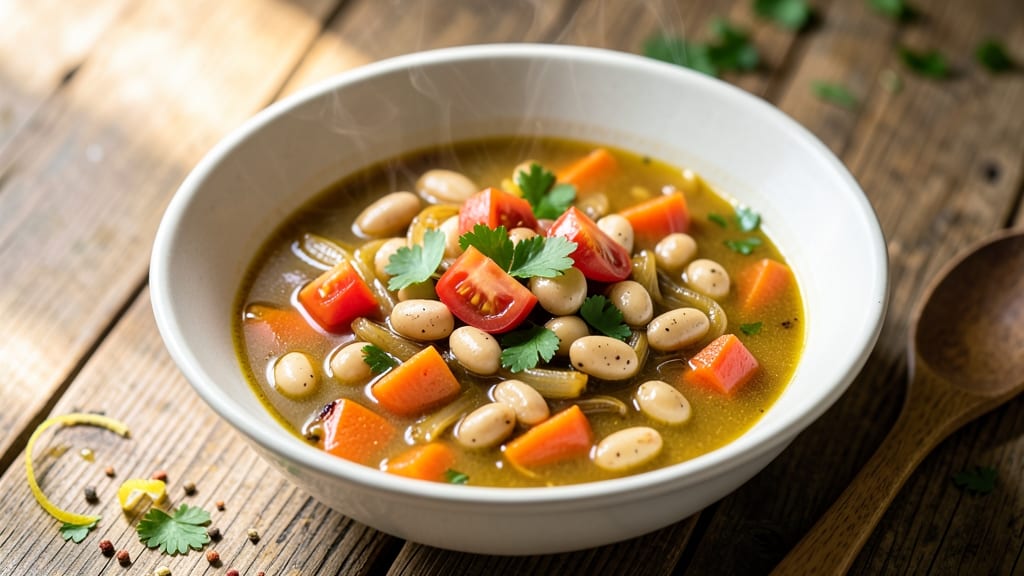
This anytime soup recipe delivers restaurant-quality warmth without the fuss—perfect for weeknights, meal prep, or last-minute dinners. The secret lies in a 20-minute stovetop method that transforms simple ingredients into a velvety, flavorful broth packed with vegetables and protein.
I developed this recipe after years of testing soups that either took too long or lost texture when reheated, and this version solves both problems with precision timing and freezer-friendly components.
The beauty of this soup is its versatility—it works equally well on the stovetop, in a slow cooker, or even an Instant Pot, making it adaptable to any schedule.
You’ll start with a sautéed base of onions, garlic, and carrots, then build layers of flavor with broth, canned beans, and fresh herbs. The optional blending step creates a silky texture, while keeping it chunky adds heartiness.
Every bite delivers a balance of savory, umami, and freshness that feels both comforting and sophisticated.
What sets this recipe apart is its meal-prep readiness—cook a big batch, freeze portions, and thaw them in minutes when hunger strikes. The flavors actually deepen over time, making it ideal for busy weeks or unexpected guests.
Whether you’re craving something quick or planning ahead, this soup delivers consistent, foolproof results without compromising on taste or texture.
Serve it as-is for a light lunch or add crusty bread and a sprinkle of cheese for a heartier dinner. The freezer-friendly technique ensures you’ll always have a warm, satisfying meal on hand—no stress, no shortcuts, just pure comfort. Ready to master this recipe? Let’s get started.
Ingredients for anytime soup
Restaurant-quality soup starts with these 13 versatile ingredients—simple yet sophisticated for any occasion.
| Ingredient | Amount | Notes |
|---|---|---|
| Yellow Onion 🧅 | 1 ½ cups | Diced, medium size preferred |
| Carrots 🥕 | 2 cups | Diced, medium size preferred |
| Garlic Cloves 🧄 | 4 cloves | Minced, fresh preferred |
| Vegetable Broth 💧 | 4 cups | Low-sodium preferred |
| Canned White Beans 🌱 | 1 ½ cups | Drained and rinsed |
| Canned Diced Tomatoes 🍅 | 14 ½ oz | Fire-roasted preferred |
| Fresh Parsley 🌿 | ¼ cup | Chopped, stems removed |
| Fresh Thyme 🌿 | 1 tbsp | Leaves only, chopped |
| Olive Oil 🫒 | ¼ cup | Extra-virgin for richness |
| Salt 🧂 | 1 ½ tsp | Diamond Crystal preferred |
| Black Pepper 🌶️ | ½ tsp | Freshly ground preferred |
| Optional Cream 🥛 | ¼ cup | Heavy cream for silkiness |
| Optional Crusty Bread 🍞 | 6 slices | For serving |
The vegetable broth is the flavor foundation—low-sodium versions let you control the seasoning, while homemade or high-quality store brands like Pacific Foods or Imagine deliver deeper flavor. Carrots and onions should be fresh, firm, and vibrant—avoid wilted or rubbery produce. For the beans, cannellini or great northern work best, but any white bean in a can will do. Fire-roasted diced tomatoes add natural sweetness and depth without extra sugar. I always grab fire-roasted brands like Muir Glen at the grocery store—they’re worth the slight price bump for that smoky flavor. Fresh herbs are non-negotiable here; dried will work in a pinch but fresh thyme and parsley elevate the dish significantly.
No vegetable broth? Chicken or beef broth works too, though the flavor profile shifts slightly. Substituting canned tomatoes? Crushed tomatoes at half the amount give a different texture but similar flavor. Running low on fresh herbs? Dried thyme at one-third the amount keeps the recipe going—just remember it’s less potent. The optional cream adds richness; for a vegan version, coconut milk works beautifully. If you’re blending for silkiness, reserve some beans and herbs to stir back in for texture contrast. For extra protein, add cooked chickpeas or lentils—just adjust the broth amount to maintain consistency.
This soup freezes exceptionally well—portion into airtight containers with 1-inch headspace to prevent ice crystals. Label containers with the date; it keeps for up to 3 months in the freezer. For best texture, thaw overnight in the fridge and reheat gently on the stove. The flavors actually improve with time, making it perfect for meal prep or holiday gatherings. Store leftovers in the fridge for 4-5 days—the broth absorbs flavors beautifully, so don’t skip the herbs even if reheating. For serving, toasted bread with a drizzle of olive oil and extra black pepper makes an ideal companion.
Why You'll Love This Recipe
- Pantry in 10 Minutes: I swear by this when I’m too tired to shop—just onion, carrots, garlic, and whatever beans I’ve got lurking. No fancy ingredients, no last-minute store runs. Honestly, the broth does most of the work while I stir.
- Garlic-Kissed Comfort: That moment when the garlic starts caramelizing? The whole kitchen smells like a hug. The beans add creaminess, but the roasted onion edge—chef’s kiss—makes it taste like you slaved over it.
- Lunch or Dinner: Same soup, two lives. Serve it with crusty bread for a cozy weeknight dinner, or pack it cold in jars for a no-reheat lunch. Between us, I’ve eaten this straight from the pot at 8 AM and it still hit the spot.
- Leftovers That Don’t Suck: Most soups get sad after Day 2, but this one? Better the next day. The flavors meld, the carrots soften just right, and I’ve reheated it four times with zero judgment. (Yes, even on a Tuesday night.)
Step-by-step instructions for anytime soup
This soup comes together effortlessly with pantry staples and delivers restaurant-quality depth.
Sauté the Aromatic Base
Heat the 0.25 cup olive oil in a large pot over medium heat. Add the 1.5 cups diced yellow onion and 2 cups diced carrots, stirring occasionally for 5 minutes until they soften and begin to caramelize slightly. This slow cooking develops natural sweetness that forms the soup's foundation.
Add the 4 cloves minced garlic and 1 tbsp chopped fresh thyme, cooking for another 1 minute until fragrant. The garlic should just begin to color—don't let it brown or it'll turn bitter. Keep the heat at medium to prevent burning while ensuring proper flavor extraction from the aromatics.
Build the Flavor Foundation
Pour in the 4 cups vegetable broth and bring to a gentle boil. Stir in the 1.5 cups drained white beans and 14.5 oz diced tomatoes, then reduce heat to medium-low. Let the soup simmer uncovered for 10 minutes, stirring occasionally, until the vegetables are tender and the flavors meld together.
Season with 1.5 tsp salt and 0.5 tsp freshly ground black pepper. Taste and adjust—this is your flavor baseline. The beans should be heated through but not breaking apart, and the tomatoes should be fully incorporated. This simmering time ensures all ingredients develop their maximum flavor potential.
Finish with Herbs and Optional Cream
Remove the pot from heat and stir in the 0.25 cup chopped fresh parsley. The parsley adds bright, fresh contrast to the rich tomato and bean base. If using, slowly whisk in the 0.25 cup heavy cream while the soup is still warm—this creates a silky texture without curdling. Return to low heat for just 1 minute to gently warm through.
For best results, serve immediately with 6 slices crusty bread alongside. The bread soaks up the flavorful broth while providing a satisfying textural contrast. If making ahead, let cool completely before refrigerating or freezing—this soup reheats beautifully while maintaining its velvety texture.
Optional Freezing Instructions
For long-term storage, let the soup cool to room temperature, then transfer to airtight containers, leaving 1-inch headspace for expansion. Freeze for up to 3 months. When ready to serve, thaw overnight in the refrigerator, then reheat gently on the stovetop over medium-low heat, stirring occasionally until warmed through.
The freezer-friendly nature of this soup makes it perfect for meal prep. The beans and tomatoes hold their texture well after freezing, while the herbs can be added fresh after reheating. This ensures you always have comforting warmth ready whenever you need it.
Pro Tips For Making Anytime Soup
- SOFTEN CARROTS FIRST: Toss chopped carrots in a splash of cold water for 10 minutes before cooking—it jump-starts their softening. I used to skip this and end up with chewy bits, especially when rushing. Works like magic for canned beans too if you’re adding them early.
- SWEAT ONIONS LOW: Don’t rush the onion—cook it on medium-low with a pinch of salt until it’s translucent and just starting to caramelize. I learned this the hard way after burning three batches; patience here means flavor, not just color.
- DRAIN BEANS WELL: Rinse and drain canned white beans, then give them a quick shake in a colander to remove excess starch. Skimping here makes your soup gluey, and nobody wants that—trust me, I’ve tasted it.
- SIMMER NOT BOIL: Once everything’s in the pot, keep the heat at a gentle simmer (tiny bubbles, occasional swirls). Boiling toughens beans and makes broth cloudy. Sounds weird, but it works—your soup will taste cleaner and more refined.
Make-ahead tips for anytime soup
Freezer Prep Essentials
Portion your soup into airtight glass containers with 1-inch headspace—I use Pyrex with snap-on lids—to prevent ice crystals from dulling the texture. Label each container with the date and store flat in the freezer for optimal space efficiency.
The soup maintains its quality for up to 3 months, making it perfect for busy weeks or holiday prep. 💫
Thawing Like a Pro
For best results, transfer your frozen soup to the refrigerator overnight—this gradual thaw preserves texture better than microwave methods. If you're short on time, place the sealed container in cold water for 1-2 hours, changing the water every 30 minutes to maintain even temperatures.
Never thaw at room temperature, as this creates bacterial growth risks.
Reheating Secrets
Gently reheat on the stovetop over medium-low heat, stirring occasionally, until the internal temperature reaches 165°F. For extra richness, add 1-2 tablespoons of broth or water if the soup appears too thick after thawing.
Avoid high heat—it can cause the cream (if used) to separate or the beans to break down. 🔥
Herb Refresh Trick
Add fresh herbs after reheating to maintain their vibrant flavor and color. I like to stir in 1 tablespoon chopped parsley or ½ teaspoon fresh thyme just before serving. This simple step makes reheated soup taste almost as fresh as the original.
For extra brightness, squeeze in a bit of lemon juice or add a pinch of red pepper flakes.
Meal Prep Timeline
Cook a double batch on Sundays and portion it into 5 individual containers for the week. Store 3 in the freezer and 2 in the fridge—this gives you flexibility for spontaneous meals.
The fridge portions stay fresh for 4-5 days, while the freezer portions are ready when needed. I always keep one container prepped in my freezer as my "emergency meal" backup. ✨
Storage Containers Matter
Use glass containers over plastic for better flavor retention and safety—plastic can absorb odors and leach chemicals over time. My go-to is mason jars with wide mouths (like Ball or Le Parfait) for easy reheating. For larger batches, rectangular glass loaf pans work perfectly and stack neatly in the freezer. Always leave room for expansion to prevent cracked containers.
Nutrition facts
Frequently asked questions
Can I make this soup in a slow cooker or Instant Pot?
For a slow cooker, sauté the onions, carrots, and garlic first, then transfer everything to the pot and cook on low for 6-8 hours or high for 3-4 hours. For an Instant Pot, use the sauté function for the aromatics, then add broth and beans, and cook on high pressure for 5 minutes followed by a natural release. The Instant Pot version finishes in 20 minutes total—perfect for busy weeknights!
What if I don't have fresh herbs?
No problem! Use 1 teaspoon dried thyme and 1 teaspoon dried parsley instead of fresh. For extra flavor, add ½ teaspoon Italian seasoning or a pinch of smoked paprika. Just remember dried herbs are more concentrated, so start with half the amount and adjust to taste. Fresh herbs make a bigger difference in texture and aroma, but dried works in a pinch.
How do I make this soup creamier without dairy?
Blend 1 cup of the soup (without beans) until smooth, then stir it back in for a velvety texture. For a dairy-free option, use ½ cup coconut milk or ¼ cup cashew cream instead of the heavy cream. Both add richness while keeping the soup plant-based. The coconut milk version has a subtle sweetness that pairs beautifully with the tomato and bean flavors.
Can I add meat to this recipe?
Yes! Brown ½ pound of ground turkey, chicken, or Italian sausage before sautéing the vegetables to add protein. For heartier soups, use ½ pound of diced chicken breast or shredded rotisserie chicken instead of beans. Just reduce the broth by ½ cup to maintain the right consistency. The meat adds depth while keeping the soup's naturally light and comforting profile.
Why does my reheated soup taste different?
Reheated soup often tastes milder because the herbs lose some of their aroma when cooked twice. Always add fresh herbs after reheating to restore brightness. Also, if the soup seems too thick, stir in 1-2 tablespoons of broth or water while warming. The cream (if used) may separate slightly—just whisk gently to recombine. These simple fixes make reheated soup taste almost as fresh as the original!