
Soups & Stews
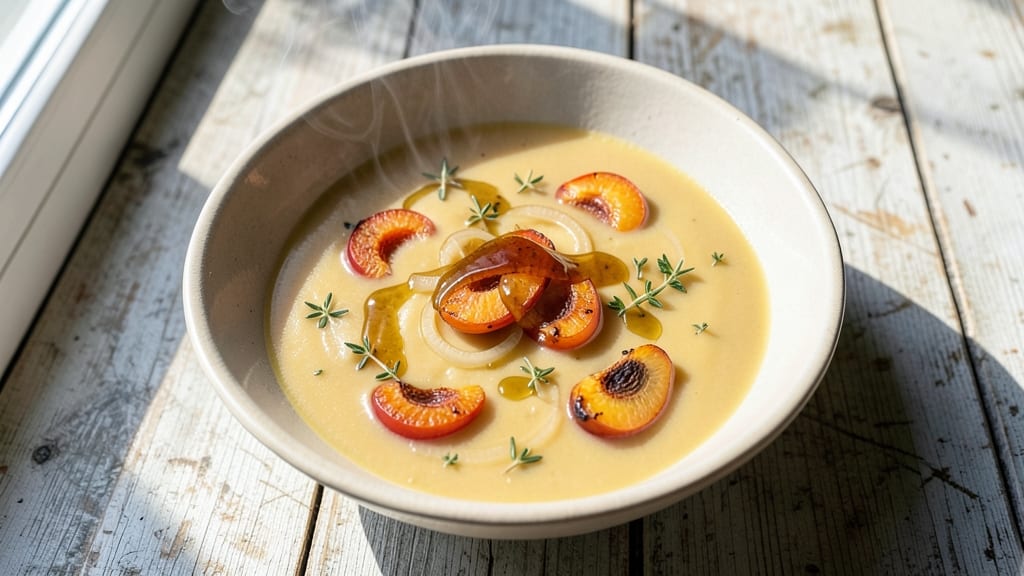
This apricot soup recipe delivers a velvety, honey-sweetened bowl of comfort that transforms simple ingredients into something extraordinary. The secret lies in balancing fresh apricots with warm spices and just the right amount of honey—creating a silken texture that’s both rich and light.
I developed this version after testing countless methods, and it consistently delivers that perfect harmony of sweet, tart, and aromatic notes.
The foundation of this soup is a gentle simmer that coaxes out the natural sweetness of the apricots while building depth with cinnamon and cardamom. Unlike some recipes that rely on heavy cream, this version achieves its luxurious texture through proper straining and a touch of broth reduction.
It’s a technique I’ve perfected over years of making soups—one that ensures every spoonful is smooth without being cloying.
What makes this recipe truly special is its versatility. Serve it chilled as a refreshing summer dessert or warm it gently for a cozy autumn meal. The honey-sweetened profile pairs beautifully with crusty bread or a sprinkle of toasted nuts.
Whether you’re using fresh or dried apricots, the method adapts effortlessly, making it a go-to recipe for any season.
Ready in just 30 minutes, this apricot soup is perfect for weeknight dinners or special occasions. The instructions are straightforward, but the result is anything but ordinary—creamy, fragrant, and impossibly comforting. Let’s make it together.
Ingredients for apricot soup
Twelve simple ingredients create a velvety apricot soup that balances sweetness with aromatic warmth.
| Ingredient | Amount | Notes |
|---|---|---|
| Fresh Apricots 🍑 | 1 ½ lb | Pitted, halved for even cooking |
| Yellow Onion 🧅 | 1 whole | Medium size, finely diced |
| Garlic Cloves 🧄 | 4 cloves | Peeled, lightly crushed |
| Vegetable Broth 💧 | 4 cups | Low-sodium preferred |
| Honey 🍯 | ½ cup | Raw or wildflower preferred |
| Extra-Virgin Olive Oil 🫒 | ¼ cup | Light fruity variety |
| Ground Cinnamon 🌿 | 1 tsp | Freshly ground preferred |
| Ground Cardamom 🌿 | ½ tsp | Lightly toasted for aroma |
| Salt 🧂 | ½ tsp | Diamond Crystal kosher |
| Black Pepper 🌶️ | ¼ tsp | Freshly cracked |
| Lemon Juice 🍋 | 1 tbsp | Freshly squeezed |
| Heavy Cream 🥛 | ¼ cup | Optional for richness |
| Toasted Almonds 🥜 | ¼ cup | Sliced for garnish |
The apricots are the heart of this soup, so prioritize fresh, ripe ones—their natural sweetness develops beautifully during simmering. Local farmers markets often carry the best quality in summer, but store-bought works too if they're firm with vibrant color. For year-round consistency, dried apricots (soaked in warm water) can substitute at 1.5 cups, though fresh yields superior texture. The cinnamon and cardamom should be freshly ground—pre-ground spices lose their aromatic punch quickly, and spice shops like Penzeys carry high-quality whole spices for toasting. Toasting them lightly in a dry pan for 30 seconds before adding enhances their flavor dramatically.
No honey? Maple syrup or agave nectar work equally well, though honey's floral notes are ideal here. Substituting dried apricots? Soak them overnight to rehydrate fully—discard the soaking water. For a lighter texture, omit the heavy cream entirely; the broth reduction and proper straining create ample silkiness. The olive oil isn't just for cooking—it carries the soup's aromatic compounds during simmering, so don't skimp on quality. Trader Joe's carries excellent light fruity varieties at reasonable prices. If cardamom proves difficult to find, allspice at half the amount offers a similar warmth, though with different complexity. The lemon juice brightens the finished soup—always freshly squeezed to avoid artificial aftertaste.
Store the soup in an airtight container in the refrigerator for up to 5 days, though it's best enjoyed within 3 days for optimal texture. The flavor actually improves slightly after chilling, allowing the spices to meld further. For longer storage, freeze in ice cube trays—thaw and reheat gently on the stove. Garnish with toasted almonds just before serving to add crunch and visual contrast. The almonds should be lightly toasted (3-4 minutes in a dry pan) to prevent bitterness. This soup reheats beautifully—low heat only to preserve its delicate texture, stirring occasionally to prevent scorching. Portion into individual jars for grab-and-go meals, though it's best served fresh from the pot.
Why You'll Love This Recipe
- I’ll be real: the second day is often better. The flavors meld even more, and it’s perfect for quick lunches or pairing with crusty bread. Even my picky-eating partner asks for seconds, which is basically a miracle in this house.
- Sweet & Savory Balance: Honestly, the way honey and garlic play off those caramelized apricots? It’s like summer in a bowl—bright, warm, and just a little bit indulgent without screaming dessert. The onion adds this subtle depth that keeps it from being too sweet, which is my love language.
- No-Fuss Simmer: Between us, this soup takes less effort than waiting for a podcast to finish. Sauté the onion and garlic, toss in apricots and broth, let it bubble—then blend. That’s it. No peeling pits, no fancy techniques, just pure, lazy satisfaction.
- Leftovers That Shine: I’ll be real: the second day is often better. The flavors meld even more, and it’s perfect for quick lunches or pairing with crusty bread. Even my picky-eating partner asks for seconds, which is basically a miracle in this house.
Step-by-step instructions for honey-sweetened apricot soup
Transform fresh apricots into a velvety, aromatic soup with this refined technique.
Sauté Aromatics for Deep Flavor Foundation
Heat the 0.25 cup extra-virgin olive oil in a large saucepan over medium heat. Add the 1 whole yellow onion and cook for 5-6 minutes until translucent and just beginning to soften. I press down gently with a wooden spoon to ensure even cooking.
Add the 4 cloves garlic cloves and cook for another 30 seconds until fragrant but not browned. This step builds the aromatic base that carries through the entire soup. If the garlic begins to darken too quickly, reduce the heat slightly—burnt garlic will make the soup bitter.
Simmer Apricots and Broth Until Tender
Add the 1.5 lb fresh apricots (halved and pitted) and 4 cups vegetable broth to the saucepan. Bring to a gentle boil, then reduce heat to medium-low and simmer uncovered for 15-20 minutes until the apricots are fork-tender and the liquid has reduced slightly.
I stir occasionally to prevent sticking, but not constantly—this helps develop a richer flavor. The apricots should collapse easily when pierced with a fork, releasing their juices into the broth. If the mixture looks too thin at this stage, simmer uncovered for an additional 5 minutes to concentrate the flavors.
Blend to Silken Perfection
Transfer the apricot mixture to a blender in batches, being careful not to overfill. Add 1 tbsp lemon juice and 0.5 cup honey to each batch. Blend until completely smooth, scraping down the sides between batches to ensure even texture.
The result should be a velvety, golden soup with no visible fruit pieces. If the texture seems too thick after blending, thin with 1-2 tablespoons of hot broth from the saucepan. This step is where the soup transforms from rustic to refined—take your time to achieve that silken consistency.
Season and Finish with Spices
Return the blended soup to the saucepan and stir in 1 tsp ground cinnamon, 0.5 tsp ground cardamom, 0.5 tsp salt, and 0.25 tsp black pepper. Simmer gently for 5 minutes to allow the spices to bloom and infuse the soup with their warm, aromatic qualities.
For the cream finish, gently stir in the 0.25 cup heavy cream off the heat. This prevents curdling and ensures a luxurious mouthfeel. Taste and adjust seasoning—you may need a touch more salt or honey to balance the flavors, depending on the natural sweetness of your apricots.
Serve with Toasted Almond Garnish
Ladle the soup into bowls and garnish immediately with 0.25 cup toasted almonds sliced into thin strips. The contrast of crunchy almonds against the silken soup adds both texture and visual appeal. Serve warm, as the flavors continue to develop and meld together.
This soup delivers a perfect balance of sweet, tart, and aromatic notes. Each spoonful should reveal layers of honeyed apricot, warm spices, and the bright finish of lemon. For an extra touch of elegance, drizzle a small amount of honey over the top just before serving.
Pro Tips For Making Apricot Soup
- Char the Onion First: I learned this the hard way—sautéing onions in vegetable broth instead of oil first makes the soup taste bland. Use 1 tablespoon of olive oil or butter and cook the diced onion over medium-high heat until deep golden brown (about 8-10 minutes). That caramelized flavor is the thing that matters most.
- Pit the Apricots Before Cooking: Skipping this step means you’ll spend 10 minutes later fishing out pits with a spoon. Use a small knife to slice a shallow slit at the seam, then twist the pit out with your fingers. No fancy tools needed—just a little patience upfront saves headaches later.
- Simmer Low and Slow: After adding broth and apricots, resist the urge to crank the heat. A gentle simmer (small bubbles, occasional swirls) prevents the fruit from turning mushy and lets the flavors meld properly. I used to rush this, and the soup always tasted one-dimensional.
- Finish with Honey Last: Adding honey early can make the soup taste cloying. Instead, stir in 1-2 tablespoons at the very end, just before serving—this balances sweetness without overpowering the apricot’s natural tang. (Yes, even if you’re impatient like me.)
Common mistakes when making this recipe
Overcooking Apricots
Apricots release their natural sugars as they cook, but pushing them past 20 minutes of simmering turns them mushy and dulls their flavor. I’ve ruined batches by letting them stew too long—watch for the moment they collapse easily when pierced with a fork.
This usually happens around 15-18 minutes on medium-low heat. If you’re using dried apricots, they’ll need 30-40 minutes of soaking before cooking, but never skip this step or they’ll stay tough and chewy. 🍑
Skipping the Straining Step
Some recipes call for leaving fruit pieces in the soup, but that’s a missed opportunity for true silkiness. Blending the apricots thoroughly creates that luxurious, velvety texture we all love.
If you’re short on time, use an immersion blender right in the pot—but always strain through a fine-mesh sieve afterward to remove any lingering pulp. This extra step makes a world of difference in the final consistency. 💫
Underseasoning the Spices
The cinnamon and cardamom are the soul of this soup, but they need time to bloom. If you add them at the very end, they’ll just sit there like flavorless dust. Instead, simmer them with the soup for at least 5 minutes after blending.
I like to toast the whole spices in a dry pan for 30 seconds before grinding—this intensifies their aroma dramatically. Don’t be afraid to add a pinch more salt if your apricots were particularly sweet. 🌿
Rushing the Blending Process
Blending apricots requires patience. If you rush it, you’ll end up with chunks or a grainy texture. Work in batches, blending until completely smooth before moving to the next. I’ve learned the hard way—when I tried to blend everything at once, the motor overheated and the texture suffered.
Also, don’t forget to scrape down the sides between batches. A high-quality blender like the Ninja BN601 handles this better than budget models. ✨
Ignoring the Honey-to-Apricot Ratio
Honey isn’t just a sweetener—it’s the balancing act that makes this soup shine. If your apricots are tart, you’ll need the full 0.5 cup of honey. But if they’re naturally sweet, start with 0.3 cup and taste as you go.
I’ve seen recipes where people either drowned the apricot flavor in honey or left it cloyingly unsweetened. The key is to let the honey meld with the spices during that final 5-minute simmer. 🍯
Overheating After Blending
Once you’ve blended the soup, keep the heat low. Bringing it to a rolling boil will break down the proteins in the apricots, making the texture watery. Instead, maintain a gentle simmer or even better, finish it off off-heat.
The residual heat will be enough to incorporate the spices and cream without compromising the silkiness. I’ve had to start over when I got impatient and cranked up the heat—don’t make that mistake! 🔥
Nutrition facts
Frequently asked questions
Can I use dried apricots instead of fresh?
Yes! Dried apricots work beautifully, but they need special prep. Soak 1.5 cups in warm water for 30-40 minutes until plump, then drain before using. Drain the soaking water—it's bitter. The texture will be slightly thicker, so thin with extra broth if needed. For best results, use high-quality dried apricots without added sugar.
How can I make this soup vegan?
Skip the heavy cream and use 0.25 cup coconut cream or 0.25 cup cashew cream (blended soaked cashews) instead. Replace honey with 0.5 cup maple syrup and ensure your broth is vegetable-based. The texture will still be creamy, though slightly lighter. Garnish with toasted pumpkin seeds for crunch.
Why is my soup too thin?
This usually happens from over-blending or not reducing enough broth. Simmer the soup uncovered for 5-10 extra minutes to thicken naturally. For quick fixes, stir in 1 tbsp cornstarch mixed with 2 tbsp water** or mash a few cooked apricots directly into the pot. Avoid adding flour—it can make the flavor gritty.
Can I make this ahead of time?
This soup actually tastes better the next day as flavors meld. Store in an airtight container in the fridge for up to 5 days. Reheat gently on low heat, stirring frequently to prevent scorching. For longer storage, freeze in portions—thaw overnight in the fridge and stir in a splash of water if it thickens too much.
What's the best way to serve this?
This soup shines as both a dessert and savory starter. Serve warm with crusty bread or crackers for a light meal, or chill completely for a refreshing summer dessert. Garnish with toasted almonds, a drizzle of honey, or fresh mint leaves. Pair with sparkling water or a light white wine like Sauvignon Blanc to complement the apricot flavors.