
Soups & Stews
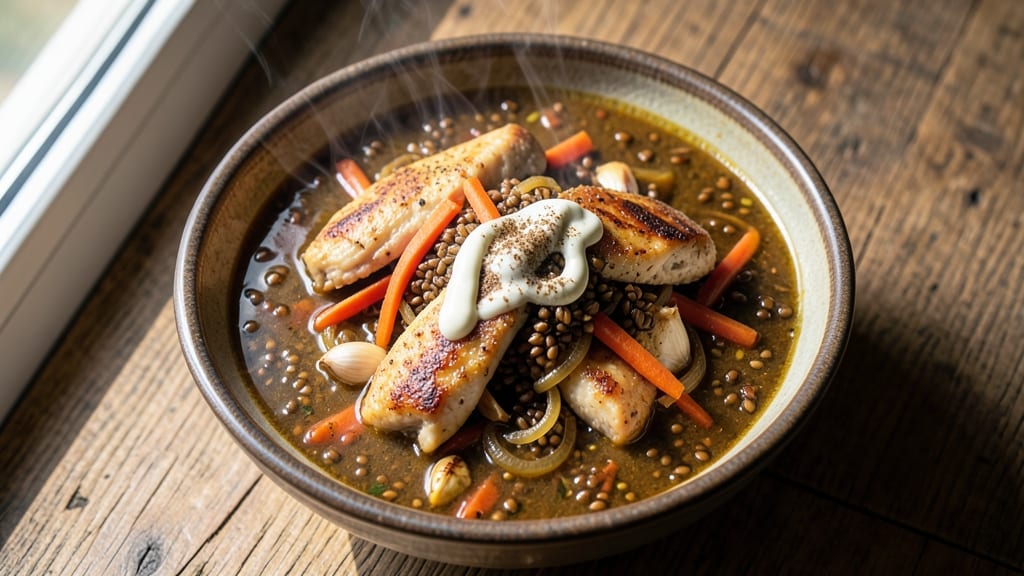
This Arabic freekeh soup recipe delivers the smoky depth and nutty richness that makes it a Middle Eastern staple—where toasted freekeh grain meets aromatic spices in a hearty broth.
The key lies in properly toasting the freekeh until it develops its signature smoky aroma, a technique that transforms this ancient grain into something truly special.
What sets this recipe apart is the careful balance of earthy spices like cumin and coriander, which meld together during the slow simmer to create layers of flavor that linger long after the last spoonful.
The beauty of this dish is in its simplicity—just a handful of ingredients come together to create something deeply satisfying. Freekeh's natural chewiness pairs perfectly with tender vegetables and protein, while the broth absorbs all the aromatic spices for maximum flavor.
Unlike many soups that require constant attention, this one thrives on slow cooking, allowing the ingredients to meld into a harmonious whole. The result is a soup that's both comforting and sophisticated, perfect for chilly evenings or as a centerpiece for gatherings.
What makes this recipe particularly approachable is how it adapts to what you have on hand. While traditional versions often include lamb, chicken or even chickpeas work beautifully, and you can adjust the vegetable mix based on seasonal produce.
The toasting process might seem daunting at first, but with a few simple steps, you'll achieve that authentic smoky depth that defines this dish. The final result is a bowl of soup that's rich in texture and flavor, with each component playing its part in perfect harmony.
Once you've mastered the technique, you'll find endless ways to customize this soup—add fresh herbs for brightness, a squeeze of lemon for acidity, or even a dollop of yogurt for creaminess. It's the kind of recipe that improves with each variation, making it both rewarding to prepare and endlessly versatile.
Let's get started on creating your own bowl of this aromatic, comforting soup.
Ingredients for arabic freekeh soup
Toasted freekeh and aromatic spices create this hearty Middle Eastern soup's signature depth.
| Ingredient | Amount | Notes |
|---|---|---|
| Freekeh Grain 🌾 | 1 cup | Toasted until smoky aroma develops |
| Chicken Thighs 🍗 | 1 ½ lb | Bone-in, skin-on preferred |
| Onions 🧅 | 1 whole | Yellow or red, chopped |
| Carrots 🥕 | 3 medium | Peeled and sliced into rounds |
| Garlic Cloves 🧄 | 4 cloves | Peeled and minced |
| Ground Cumin 🌿 | 1 tbsp | Freshly toasted for depth |
| Ground Coriander 🌿 | 1 tbsp | Freshly ground preferred |
| Turmeric Powder 🌶️ | ½ tsp | Bright yellow color |
| Chicken Broth 💧 | 4 cups | Low-sodium preferred |
| Lemon Juice 🍋 | 2 tbsp | Freshly squeezed |
| Fresh Parsley 🌿 | ¼ cup | Chopped for garnish |
| Salt 🧂 | 1 tsp | Kosher or sea salt |
| Black Pepper 🌶️ | ½ tsp | Freshly ground |
Freekeh is the soul of this dish, so don't skip the toasting step. Look for it in Middle Eastern markets or online—Mashallah or Al Wadi are reliable brands. The chicken thighs add richness, but bone-in, skin-on stays juicier during the long simmer. Carrots should be firm and bright orange; avoid any with soft spots. The spices—cumin, coriander, and turmeric—need to be fresh for maximum aroma. Penzeys or Spicewalla carry excellent quality if you're stocking up.
No freekeh? Substitute with quinoa or farro, though the texture will differ slightly. Lamb or beef broth works instead of chicken, but adjust salt accordingly. Fresh herbs like parsley or cilantro can swap in for each other—just use the same amount. The lemon juice brightens the dish, but lime juice works too. For extra richness, stir in a spoonful of tahini at the end. Pre-chopped veggies from the store save time, but whole ones taste fresher.
This soup tastes even better the next day as flavors meld. Store in an airtight container for 4-5 days in the fridge or freeze for 3 months. Reheat gently on the stove with a splash of broth to restore moisture. For meal prep, double the batch—freeze half and enjoy fresh portions all week. The toasting process releases aromatic compounds, so toast fresh if reheating from frozen.
Why You'll Love This Recipe
- One-Pot Magic: I swear by this recipe—just toss everything in one pot, let it simmer, and walk away. The freekeh soaks up all those rich chicken juices and caramelized onions like a sponge, while the carrots melt into tender sweetness without extra chopping.
- Umami Bomb: That smoky freekeh paired with crispy chicken thighs? Chef’s kiss. The garlic and onions build layers of flavor that make this soup taste like a hug from your favorite Middle Eastern café—no fancy spices needed.
- Lunchbox Hero: Between us, this is my go-to for meal prep. The flavors only get better the next day, and it reheats like a dream. Pack it in jars for work or school—it’s hearty enough to keep you full, but light enough to not weigh you down.
- Budget Game: Freekeh might sound fancy, but it’s actually cheaper than rice or quinoa per serving. Chicken thighs stretch further than breasts, and the veggies bulk it up without breaking the bank. Plus, leftovers taste just as good cold in wraps the next day.
Step-by-step instructions for Arabic freekeh soup
This method delivers restaurant-quality freekeh soup with deep smoky notes and tender chicken.
Toast the Freekeh Grain for Maximum Flavor
Heat a dry skillet over medium-high heat. Add the 1 cup Freekeh Grain and toast for 5-6 minutes, stirring constantly with a wooden spoon. You'll notice the grains darken and release a rich, nutty aroma—this is essential for developing the soup's characteristic smoky depth.
Watch closely as the freekeh changes color from light brown to a deeper amber hue. Once it smells strongly toasted and smells like roasted nuts, immediately transfer it to a bowl and set aside. Toasting enhances the grain's natural earthiness and prevents it from becoming mushy during cooking. Don't skip this step—it's what gives this soup its authentic Arabic character.
Sear the Chicken Thighs for Rich Flavor
In the same skillet (no need to clean it—the browned bits add flavor), add the 1.5 lb Chicken Thighs skin-side down. Cook over medium heat for 8-10 minutes until the skin is golden brown and crispy, and the chicken releases easily from the pan.
Flip the thighs and cook for another 5-6 minutes until they reach an internal temperature of 165°F. Remove the chicken and set aside to rest. The crispy skin will infuse the broth with rich flavor as it simmers. If the pan gets too crowded, work in batches to avoid steaming the chicken instead of searing it.
Build the Aromatic Base
In the same skillet, add 2 tablespoons olive oil and reduce heat to medium. Add the chopped 1 whole Onions and sliced 3 medium Carrots, cooking for 5 minutes until softened. Stir in the minced 4 cloves Garlic Cloves and cook for 30 seconds until fragrant.
Sprinkle in the 1 tbsp Ground Cumin, 1 tbsp Ground Coriander, and 0.5 tsp Turmeric Powder, stirring constantly for 1 minute to toast the spices and release their essential oils. This step develops the soup's complex spice profile. If the spices burn, you've gone too long—watch carefully as they darken slightly but shouldn't brown.
Simmer the Soup to Perfection
Return the seared chicken thighs to the skillet and pour in the 4 cups Chicken Broth. Bring to a gentle simmer, then reduce heat to low. Add the toasted 1 cup Freekeh Grain and 1 tsp Salt. Cover and simmer for 25-30 minutes, stirring occasionally, until the freekeh is tender and the chicken shreds easily with a fork.
Taste the broth and adjust seasoning with additional salt or 0.5 tsp Black Pepper as needed. The freekeh should be tender but still hold its shape—it should have a slight bite to it. If the soup is too thick, add ½ cup water to reach your desired consistency. The chicken should be falling apart easily, releasing its juices into the broth.
Finish and Serve with Fresh Herbs
Remove the chicken thighs from the soup and shred the meat using two forks, discarding any bones. Return the shredded chicken to the pot and stir in the 2 tbsp Lemon Juice. This brightens the flavors and cuts through the richness of the chicken and spices.
Ladle the soup into bowls and garnish each serving with 1 tablespoon chopped Fresh Parsley. The parsley adds a fresh contrast to the smoky, spiced soup. Serve immediately while hot, with crusty bread to soak up every last drop of that flavorful broth. The soup should have a rich, aromatic aroma with layers of cumin, coriander, and the natural smokiness of the freekeh.
Pro Tips For Making Arabic Freekeh Soup
- TOAST THE FREEKEH FIRST: Freekeh’s smoky flavor comes from its charred state, but toasting it again in a dry pot for 2-3 minutes over medium-high heat deepens that nutty aroma—just until you smell it pop. I used to skip this, and the soup always tasted like it needed more depth. (Yes, it’s an extra step, but the effort is worth it.)
- SIMMER CHICKEN LOW: Chicken thighs in freekeh soup should cook slowly—cover the pot and keep heat at a gentle simmer (not a boil) for at least 45 minutes. After burning through three batches with rubbery meat, I learned: patience here means melt-in-your-mouth texture. Check for doneness with a fork, not time.
- CHOP ONIONS COARSE: Tiny onion pieces disappear into the soup, leaving you wondering where the sweetness went. Cut them into ½-inch chunks so they hold their shape and flavor. Same goes for carrots—slightly larger pieces stay intact and add texture. (Your future self will notice the difference.)
- SALT THE BROTH LATE: Wait until the freekeh has absorbed most of the liquid before adding salt—otherwise, it’ll turn the soup bland. Taste the broth after 30 minutes of simmering, then adjust. I was skeptical until I tried it: the freekeh’s earthiness shines when the seasoning hits at the right moment.
Health benefits of this arabic freekeh soup
Rich Protein Source
This freekeh soup delivers a substantial protein boost from both the chicken thighs and toasted freekeh grain.
A 1.5 lb serving of chicken provides about 55 grams of protein, while 1 cup of freekeh adds another 10 grams—making this a complete protein meal perfect for muscle repair and satiety. The combination keeps you full for hours without heavy, greasy feelings. 💪
Fiber-Packed Freekeh
The star ingredient, freekeh, is one of the most fiber-rich grains available, with 1 cup providing 10 grams of fiber—about 40% of your daily needs. This high fiber content supports digestive health, helps regulate blood sugar levels, and keeps you full longer.
The toasted grain's unique texture also adds satisfying chewiness to balance the tender chicken and vegetables.
Antioxidant Spice Blend
The aromatic spices used—cumin, coriander, and turmeric—pack serious antioxidant benefits. Cumin contains iron and manganese, while turmeric provides curcumin, a compound with powerful anti-inflammatory properties. Together, these spices not only enhance flavor but also contribute to your body's defense against oxidative stress.
I always keep these spices on hand for their health benefits alone! 🌿
Low-Calorie Comfort
Despite its hearty nature, this soup remains surprisingly light on calories—about 350-400 calories per serving. The chicken broth base keeps it lean, while the fiber-rich freekeh adds volume without excess calories.
It's the perfect comforting meal that won't weigh you down, making it ideal for cozy evenings or post-workout recovery. The lemon juice also adds a refreshing zing without significant calories.
Bone-Strengthening Nutrients
The chicken thighs contribute valuable vitamin D and B vitamins, while the freekeh provides magnesium and phosphorus—essential minerals for bone health. The carrots add vitamin A (in the form of beta-carotene), supporting vision and immune function.
This nutrient combination makes the soup not just delicious but also a powerhouse for overall wellness.
Digestive Health Boosters
The combination of fiber from freekeh, probiotic-friendly spices, and hydrating broth creates a digestive-friendly meal. The lemon juice aids digestion by stimulating stomach acid production, while the cumin has been shown to support gut motility.
For extra digestive benefits, I sometimes add a spoonful of tahini at the end—it contains healthy fats that help your body absorb fat-soluble vitamins from the chicken and carrots. 💫
Nutrition facts
Frequently asked questions
What makes freekeh different from other grains like quinoa or bulgur?
Freekeh is unique because it's made from green wheat that's roasted over an open flame before being de-hulled, giving it that signature smoky flavor. Unlike quinoa or bulgur, it has a chewy texture that holds up well in soups and salads. The roasting process also makes it higher in antioxidants compared to other grains.
Can I substitute chicken with another protein in this recipe?
For a vegetarian version, use chickpeas or white beans (1 can, drained) instead of chicken. For meat lovers, try lamb shoulder or beef stew meat—just increase cooking time by 15-20 minutes. The key is to sear the protein first to build flavor in the broth.
Why does my freekeh turn mushy instead of staying chewy?
Overcooking is the most common cause. Freekeh should simmer for 25-30 minutes max—it's done when tender but still holds its shape. If using a pressure cooker, reduce time to 12-15 minutes. Also, toast the freekeh properly first—this prevents it from absorbing too much liquid.
How can I make this soup spicier without overpowering the flavors?
Add ½ tsp cayenne pepper or 1 tsp harissa paste when toasting the spices, or stir in 1-2 diced chili peppers with the onions. For heat control, remove the seeds from chilis. Balance with extra lemon juice or a dollop of yogurt when serving. The spices in this recipe already provide warmth, so add gradually.
Can I prepare this soup ahead of time for meal prep?
Yes! This soup tastes even better the next day as flavors meld. Store in an airtight container for 4-5 days in the fridge or freeze for 3 months. When reheating, add 2-3 tbsp broth to restore moisture. The freekeh will soften further but still hold its texture. Toast fresh freekeh if reheating from frozen.