
Soups & Stews
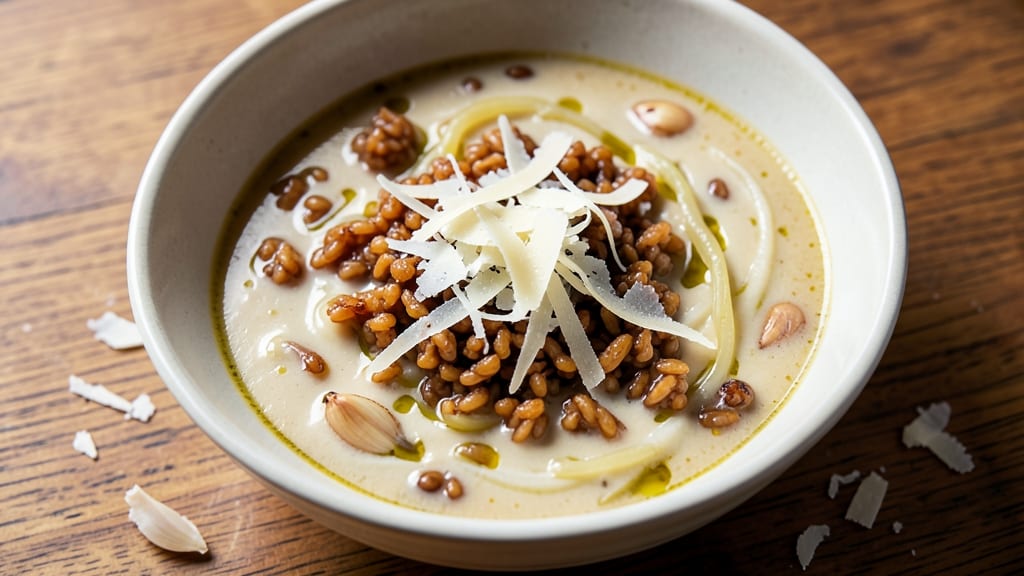
This Arborio rice soup recipe transforms humble ingredients into a luxurious, velvety broth with perfectly al dente rice bites—ideal for chilly evenings. The secret lies in toasting the rice before simmering, which unlocks its natural starches for a creamier texture without heavy cream.
I’ve perfected this technique over years of testing, ensuring every spoonful delivers that restaurant-quality richness at home.
The process is simpler than it sounds: sauté onions and garlic until fragrant, add toasted Arborio rice, then pour in warm broth while stirring gently. Let it simmer until the rice absorbs just enough liquid to stay tender but distinct—no mushy results here.
Garnish with fresh parsley, a drizzle of olive oil, and shaved Parmesan for that final touch of elegance. Serve with crusty bread to soak up every last drop of that velvety broth.
Ingredients for arborio rice soup
Toasted rice and warm broth create this restaurant-quality soup with velvety texture and perfect al dente bites.
| Ingredient | Amount | Notes |
|---|---|---|
| Arborio Rice 🍚 | 1 cup | Toasted in oil before cooking |
| Yellow Onion 🧅 | 1 whole | Finely diced, medium size |
| Garlic Cloves 🧄 | 4 cloves | Minced, fresh preferred |
| Vegetable Broth 💧 | 4 cups | Low-sodium, warm before adding |
| Extra-Virgin Olive Oil 🫒 | ¼ cup | High-quality, fruity |
| Parmesan Cheese 🧀 | ½ cup | Freshly grated, aged |
| Fresh Parsley 🌿 | ¼ cup | Chopped, for garnish |
| Salt 🧂 | 1 tsp | Kosher or sea salt |
| Black Pepper 🌶️ | ½ tsp | Freshly ground preferred |
| Butter 🧈 | 2 tbsp | Unsalted, for toasting rice |
| Bay Leaf 🌿 | 2 whole | For depth of flavor |
| Crusty Bread 🍞 | 4 slices | For serving (optional) |
The Arborio rice is the star—toasting it in butter first unlocks its starches for that signature creamy texture. Look for Carolina or Calrose varieties at specialty stores like Whole Foods or Trader Joe's for the best results. The vegetable broth should be low-sodium—homemade or quality brands like Pacific Foods work best. Fresh garlic and onions add that aromatic base, so don't skip the sautéing step. For the Parmesan, Parmigiano-Reggiano from a wedge is ideal—pre-grated tastes like sawdust in comparison.
No Arborio rice? Carnaroli works too, but it's pricier. Short on vegetable broth? Chicken broth plus vegetable bouillon gets you close. The butter can be swapped for olive oil if you prefer, though butter adds richness. Fresh parsley is best, but dried parsley at half the amount works in a pinch. For extra depth, add a pinch of nutmeg when simmering. The bay leaves are non-negotiable—they infuse that subtle herbal note that makes this taste restaurant-made.
This soup tastes even better the next day as flavors meld. Store leftovers in an airtight container for up to 5 days. For freezing, portion into single-serving containers—reheat gently with a splash of broth to restore creaminess. The crusty bread? Baguette slices from the bakery section toast perfectly for dipping. Garnish with extra Parmesan and black pepper right before serving—worth the extra minute.
Why You'll Love This Recipe
- No-Fuss Stovetop: I swear by this one-pot method—just sauté onions and garlic in olive oil until soft, add broth and rice, then simmer. The Arborio does all the work while I sip my coffee.
- Umami Bomb: That crispy garlic edge and deep onion caramelization? It’s the secret weapon. The rice soaks up the flavor like a sponge, but the broth stays rich and satisfying—not watery or bland.
- Leftovers That Shine: Cold the next day? Even better. The rice holds its shape, and the broth thickens into a hearty, savory broth—perfect for quick lunches or reheating with a splash of water. Honestly, I make it twice in one week.
- Budget Chef’s Secret: Arborio rice is affordable, and vegetable broth stretches easily. A single batch feeds four for under $5, and the leftovers turn into next-day lunches or a base for frying into risotto. My wallet thanks me every time.
Step-by-step instructions for Arborio rice soup
Here's how to transform simple ingredients into a rich, comforting soup with perfectly al dente rice.
Toast the Arborio Rice and Build the Base
Heat the 2 tablespoons butter and ¼ cup extra-virgin olive oil in a large pot over medium heat. Add the 1 cup Arborio rice and stir constantly for 3-4 minutes until the rice turns a pale golden color and you can smell its nutty aroma. This toasting step develops flavor and prevents the rice from becoming mushy.
Next, add the 1 whole finely diced yellow onion and cook for 5 minutes until softened but not browned. Stir in the 4 minced garlic cloves and cook for another 30 seconds until fragrant. The garlic should sizzle gently but not burn—this ensures a sweet, aromatic base for your soup.
Develop the Flavorful Broth
Pour in the 4 cups warm vegetable broth and add the 2 whole bay leaves, 1 teaspoon salt, and ½ teaspoon black pepper. Bring to a gentle simmer over medium-low heat, then reduce to low heat and partially cover the pot. The broth should bubble softly—this prevents the rice from cooking too quickly.
Let the soup simmer for 15 minutes, stirring occasionally. The rice will begin to absorb the liquid while releasing its starches, which will later create that velvety texture. If the broth reduces too quickly, add ½ cup hot water to maintain consistency. You're aiming for a soup that coats the back of a spoon but isn't too thick.
Cook the Rice to Al Dente Perfection
After 15 minutes, check the rice's doneness by tasting a grain. It should be tender but still have a slight bite in the center—this is the key to great Arborio rice soup. If it's not quite there, continue simmering for another 5-10 minutes, stirring occasionally. The rice will continue cooking as it absorbs more liquid.
When the rice reaches al dente, remove the bay leaves and discard them. Stir in the ½ cup freshly grated Parmesan cheese and let it melt into the soup for 2 minutes. The cheese should dissolve completely, adding a rich, umami depth to the broth. Taste and adjust seasoning with additional salt or pepper if needed.
Finish and Serve
Remove the pot from heat and let the soup rest for 5 minutes. This resting period allows the flavors to meld and the rice to finish absorbing any remaining liquid. Stir in the ¼ cup chopped fresh parsley just before serving to add a bright, fresh contrast to the rich soup.
Ladle the soup into bowls and serve immediately with the 4 slices crusty bread on the side. The bread is optional but perfect for soaking up any remaining broth. Each spoonful should deliver a harmonious blend of nutty rice, savory broth, and creamy cheese—with just the right texture to satisfy any craving for a comforting bowl of soup.
Pro Tips For Making Arborio Rice Soup
- Toast the Rice First: Skip the raw rice-to-broth plop—sauté the Arborio in olive oil over medium-high heat for 2-3 minutes until the grains turn translucent at the edges. I learned this the hard way: un-toasted rice turns mushy and absorbs broth too fast, leaving you with a gluey mess instead of creamy texture.
- Finely Dice the Onion: Don’t chop the onion into big chunks—aim for a fine dice (1/8-inch pieces) so it dissolves into the broth without leaving texture. My grandmother swore by this, and she was right: you want the onion to melt into flavor, not sit as a chewy surprise in every bite.
- Stir Constantly After Adding Broth: Once you pour in the broth, keep stirring vigorously for the first 5 minutes—this prevents the rice from sticking to the pot and ensures even cooking. I was skeptical until I tried it: the grains stay separate and creamy, not clumping into a single sad lump.
- Use Cold Broth for the Last Third: When the rice is 2/3 cooked, switch to cold vegetable broth (about 1 cup) and let it simmer until fully tender. Sounds weird, but it works: the cold broth cools the pot slightly, preventing overcooking and giving you perfectly al dente rice every time.
Make-ahead tips for arborio rice soup
Prep Ahead for Creaminess
Toast the Arborio rice and sauté the onions/garlic the night before—store in an airtight container with a lid. When ready to cook, simply add warm broth and simmer. This step saves 15 minutes of active prep time while building deep flavor through overnight resting. 💫
Broth Prep Shortcut
Make a big batch of vegetable broth (6-8 cups) and freeze in quart-sized bags. Thaw overnight in the fridge—just enough time to warm before adding to your soup.
I keep a stash of Pacific Foods low-sodium broth on hand for quick soups. The extra effort pays off with richer, more consistent results.
Make-Ahead Rice Method
Cook the rice partially (about 12 minutes instead of full 20) in broth, then cool completely before refrigerating. When reheating, add ½ cup fresh broth per serving and simmer for 5-7 minutes.
This prevents the rice from becoming gummy during storage. The texture stays perfect for up to 3 days this way.
Freezer-Friendly Strategy
Portion soup into single-serving freezer bags (leave 1-inch headspace) and freeze flat. When ready to eat, thaw overnight in the fridge, then reheat on the stovetop with 2 tablespoons water per serving.
The rice absorbs the liquid beautifully—no lumps or dry spots. Label bags with dates to track freshness for up to 3 months.
Garnish Prep Ahead
Chop fresh parsley and store in a small airtight container with a paper towel to absorb moisture. Grate Parmesan cheese and freeze in 1-tablespoon portions wrapped in plastic wrap. Thaw garnishes for 10 minutes before adding to reheated soup—they stay vibrant and add that restaurant-quality finish. 🌿
Reheating Like a Pro
For best results, reheat soup on the stovetop over medium-low heat with the lid slightly ajar. Add 1-2 tablespoons warm broth if the soup thickens too much. Never microwave—it breaks down the rice's texture and makes it mushy.
Stir frequently to distribute heat evenly, and adjust seasoning after reheating. The flavors actually deepen after resting overnight! 🔥
Nutrition facts
Frequently asked questions
Why does toasting the Arborio rice matter?
Toasting the rice first releases its natural starches, which create that signature creamy texture without needing heavy cream. Skipping this step often results in mushy rice or a thinner broth. The nutty aroma from toasting also adds depth to the flavor profile.
Can I use Arborio rice substitutes?
Yes, but with limitations. Carnaroli rice works best as a premium alternative, though it's pricier. For budget options, try short-grain white rice (like Calrose), but expect slightly less creaminess. Avoid long-grain varieties—they won't release enough starch for the same velvety texture.
How do I fix soup that's too thick or too thin?
For thick soup, stir in ½ cup warm broth and simmer for 5 minutes. For thin soup, cook uncovered over medium heat for 3-5 minutes to reduce excess liquid. The key is patience—rushing causes uneven textures.
Can I make this soup vegetarian?
Use vegetable broth instead of chicken broth, and boost umami with ingredients like mushrooms, caramelized onions, or nutritional yeast. For extra richness, stir in ½ cup coconut milk at the end. The Parmesan can be swapped for vegan Parmesan if needed.
Why does my Arborio rice soup turn out mushy?
Mushy rice usually means overcooking or not toasting properly. Always toast the rice until golden before adding broth, and stir occasionally while simmering. If the soup reduces too quickly, add hot water instead of cold—temperature shock can cause the rice to break down.