
Soups & Stews
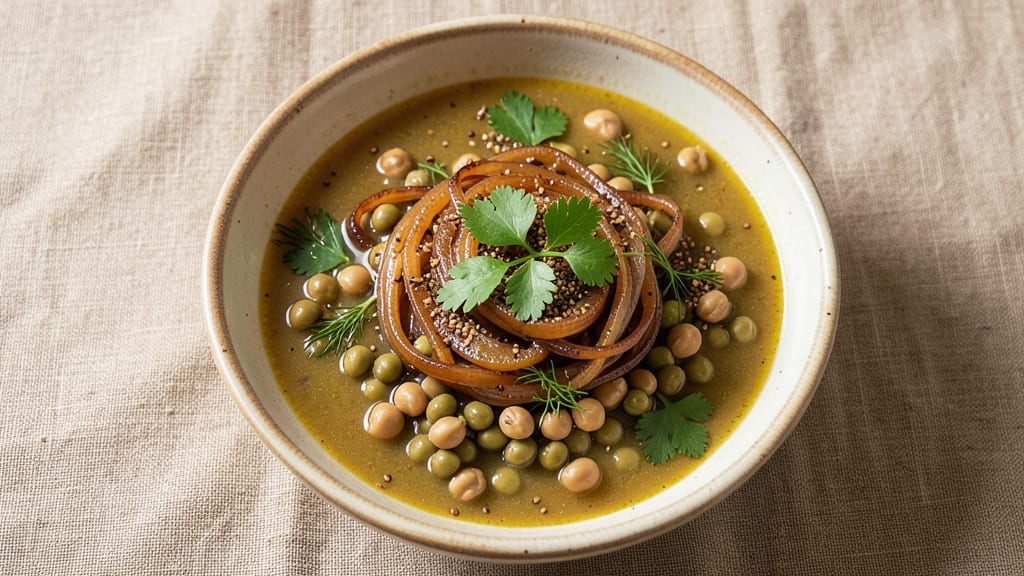
This ash reshteh soup recipe brings the comforting warmth of Persian home cooking to your table, where fragrant herbs and tender noodles simmer in a rich, savory broth.
The secret lies in slow-cooked lentils and chickpeas that thicken the soup naturally, while fresh herbs like parsley and dill brighten every spoonful. I’ve perfected this version to balance traditional techniques with modern convenience—no shortcuts that sacrifice authenticity.
The beauty of ash reshteh is its simplicity: just a handful of ingredients transformed through patience. You’ll start with a fragrant broth built on onions, garlic, and spices, then layer in lentils and chickpeas until they’re tender but still hold their shape.
The noodles cook directly in the broth, absorbing all those deep, herby flavors—no separate pot needed. This method ensures every bite is packed with texture and warmth, just like my grandmother’s.
What makes this recipe truly special is the harmony of flavors: earthy lentils, nutty chickpeas, and the freshness of herbs all coming together in a single bowl. The result is a hearty, nourishing soup that’s perfect for chilly evenings or family gatherings.
It’s the kind of dish that tastes even better the next day as the flavors meld further. Serve it with warm Iranian flatbread or a side of tangy pickled vegetables for the full experience.
Whether you’re cooking for a crowd or simply craving a taste of Persia, this ash reshteh soup delivers restaurant-quality comfort at home. The instructions are straightforward, but the reward is unforgettable—rich, aromatic, and deeply satisfying. Let’s get started on creating this timeless classic.
Ingredients for ash reshteh soup
Six cups of broth, tender lentils, and fragrant herbs—this Persian classic comes together with simple ingredients.
| Ingredient | Amount | Notes |
|---|---|---|
| Yellow Onions 🧅 | 2 whole | Medium-sized, chopped fine |
| Garlic Cloves 🧄 | 6 cloves | Peeled, minced finely |
| Green Lentils 🌾 | 1 cup | Rinsed before cooking |
| Dried Chickpeas 🥜 | 1 cup | Soaked overnight preferred |
| Fresh Parsley 🌿 | ½ cup | Stems removed, chopped |
| Fresh Dill 🌿 | ¼ cup | Chopped, stems removed |
| Reshteh Noodles 🍜 | ½ lb | Persian noodles, uncooked |
| Ground Cumin 🌿 | 1 tbsp | Toasted for deeper flavor |
| Ground Coriander 🌶️ | 1 tsp | Freshly ground preferred |
| Turmeric Powder 🧂 | ½ tsp | For golden color |
| Salt 🧂 | 1 ½ tsp | Adjust to taste |
| Black Pepper 🌶️ | ½ tsp | Freshly cracked |
| Vegetable Oil 🫒 | ¼ cup | For sautéing |
| Water 💧 | 6 cups | For broth base |
| Lemon Juice 🍋 | 2 tbsp | Freshly squeezed |
The onions and garlic form the flavor foundation, so don’t rush this step. Yellow onions work best—red onions add too much sharpness. I grab mine from Trader Joe's when they’re on sale, but any grocery store has them. For the lentils and chickpeas, Bob's Red Mill brand is my go-to—they cook evenly without mushing. Fresh herbs make all the difference here: parsley and dill should be bright green, not wilted. If you can’t find fresh dill, dried works at half the amount, but honestly, it’s not the same. The reshteh noodles? Find them in the international aisle at Whole Foods or online if your local store doesn’t carry them.
No fresh dill? Dried dill at half the amount gets you close, but you’ll miss the bright herbal note. Short on parsley? Cilantro works in a pinch, though it’s not traditional. The chickpeas can be canned if you’re in a hurry—just rinse them well. For the spices, Penzeys sells pre-toasted cumin, which adds depth instantly. If you don’t have turmeric, skip it—the soup will still be delicious. The lemon juice at the end? Freshly squeezed is non-negotiable—bottled just won’t cut it. Pro tip: Toast the cumin and coriander in a dry pan for 30 seconds before adding to the onions—this wakes up their flavors.
This soup tastes even better the next day as the flavors meld. Store leftovers in the fridge for 4-5 days or freeze for 3 months. I portion mine into containers so lunches are ready to grab. The noodles soften when reheated, so add a splash of water if they seem dry. For extra richness, stir in a spoonful of vegan butter when reheating. And if you’re serving a crowd? Double the recipe—it’s that good.
Why You'll Love This Recipe
- No-Fuss Pantry Staples: I swear by this soup because it’s made with ingredients I already have—no last-minute grocery runs. Green lentils and chickpeas soak overnight (or use canned in a pinch), and the onions and garlic caramelize while I sip tea. Honestly, the hardest part is deciding whether to use dried or canned beans.
- Umami Bomb Combo: That deep, smoky ash flavor from the onions and garlic? It’s the star. The lentils stay tender while the chickpeas add a satisfying bite, and the parsley brightens everything up. Between us, the first spoonful makes me want a second bowl immediately.
- Weeknight Workhorse: This soup doubles as lunch or dinner, and it’s the only thing I make when I’m exhausted. Add a slice of crusty bread for a meal, or serve it cold the next day with yogurt and herbs—still delicious. My kids ask for it even when they’re "too cool" for leftovers.
- Budget-Friendly Powerhouse: A single batch feeds four for under $5, and the leftovers taste better the next day. The lentils and chickpeas stretch forever, and I’ve even frozen portions for those days when I just can’t cook. Not the prettiest, but the taste makes up for it every time.
Step-by-step instructions for Persian herb-infused noodle soup
Here's how to build this comforting Persian classic layer by layer.
Sauté the Aromatic Base
Heat the 0.25 cup vegetable oil in a large pot over medium heat. Add the 2 whole yellow onions and cook for 5-6 minutes until they soften and turn translucent. This is where all the flavor starts—don't rush this step or your soup will taste flat.
Next, add the 6 cloves garlic cloves and cook for another 1-2 minutes until fragrant. The garlic should sizzle gently without burning. I like to stir frequently at first, then let it cook undisturbed for the last 30 seconds so it develops that nutty depth. If it starts to brown too quickly, reduce the heat slightly.
Toast the Spices and Add Lentils
Add the 1 tbsp ground cumin, 1 tsp ground coriander, and 0.5 tsp turmeric powder to the pot. Stir constantly for 30 seconds until the spices are fragrant and the mixture darkens slightly. This toasting step activates the spices' flavors and prevents them from tasting raw.
Pour in the 6 cups water and bring to a boil. Add the 1 cup green lentils and 1 cup dried chickpeas (if not pre-soaked). Reduce heat to low-medium and let it simmer for 30 minutes, stirring occasionally. You're looking for the lentils to soften but not completely break down—they should still hold their shape with a slight bite.
Build the Herb and Noodle Layers
After the lentils have cooked for 30 minutes, stir in the 0.5 lb reshteh noodles. These Persian noodles cook quickly, so don't add them too early or they'll turn mushy. Cook for another 5-7 minutes until the noodles are tender but still have some chew. You'll know they're done when they float to the surface and the edges become slightly translucent.
In the last 5 minutes of cooking, add the 0.5 cup fresh parsley and 0.25 cup fresh dill. The herbs should wilt slightly but still maintain their vibrant color. Season with 1.5 tsp salt and 0.5 tsp black pepper, adjusting to taste. The broth should be flavorful but not overly salty—Persian soups rely on balanced seasoning.
Finish with Bright Acid and Fresh Herbs
Remove the pot from heat and stir in the 2 tbsp lemon juice. This bright acidity cuts through the richness of the broth and noodles, giving the soup its signature freshness. Taste and adjust seasoning if needed—sometimes the lemon juice needs a little more salt to balance it.
Ladle the soup into bowls and garnish with additional fresh herbs if desired. The soup should be aromatic with layers of earthy lentils, nutty chickpeas, and bright herbs. Serve immediately while hot, as the flavors meld best when fresh. This dish tastes even better the next day as the flavors deepen, but the noodles are best enjoyed fresh.
Pro Tips For Making Ash Reshteh Soup
- SOAK THE CHICKPEAS: I learned this the hard way—skipping the overnight soak means your chickpeas stay rock-hard no matter how long you simmer. Toss them in water with a pinch of baking soda (yes, really) for 8 hours or at least 4 hours if you’re in a rush, and they’ll soften beautifully.
- CARAMELIZE THE ONIONS LOW: Ash reshteh relies on deep onion flavor, but high heat turns them bitter. Cook them over medium-low for 20-25 minutes, stirring occasionally, until they’re golden—not brown—adding a splash of water only if they stick. Patience here makes the whole soup richer.
- STRAIN THE LENTILS WELL: Drained lentils with clinging water = a soup that turns into glue. Rinse them in a fine-mesh strainer, then shake them dry in the colander for 30 seconds. Your broth will stay clear, and the texture will be perfect—no mushy disappointment.
- TOAST THE GARLIC: After cooking the onions, toss in the whole garlic cloves (peeled) and let them sizzle until they’re golden at the edges—about 2 minutes. Crush them right in the pot; this adds a nutty depth that raw garlic can’t match. (Your future self will notice the difference.)
Serving suggestions for this dish
Flatbread Pairings
Warm, freshly baked barbari bread is the traditional companion to ash reshteh—its chewy texture soaks up the rich broth beautifully. I recommend using a stone-ground wheat flour like King Arthur for that authentic Persian texture.
Brush the bread with melted vegetable oil before serving to enhance its flavor. For a quicker option, pita bread works well, especially if you toast it lightly to prevent sogginess. 🥖
Pickled Vegetable Sides
Tangy pickled vegetables cut through the soup’s earthy depth perfectly. Try turnip and cucumber pickles—common in Persian cuisine—made with apple cider vinegar, sugar, and a pinch of salt. I like to add a few slices of red onion for extra crunch.
For a modern twist, serve with pickled beets or radishes for vibrant color and acidity. Store-bought pickles work in a pinch, but homemade tastes 10 times better.
Yogurt Drizzle Option
A dollop of thick Persian yogurt (like Mast brand) adds cooling creaminess to each spoonful. I stir a spoonful of yogurt into my bowl before eating to balance the soup’s warmth.
For extra richness, mix in a pinch of sumac or saffron threads—just a tiny amount makes a big difference. If you don’t have Persian yogurt, Greek yogurt works well, though it’s slightly tangier.
Herb Garnishes
Fresh herbs elevate the dish at the table. Sprinkle extra chopped parsley and dill over each serving for vibrant color and freshness. For a unique touch, add a few cilantro leaves or a pinch of chopped mint—both pair beautifully with the soup’s flavors.
I also like to finish with a drizzle of extra-virgin olive oil and a crack of black pepper for a restaurant-worthy presentation. 🌿
Warm Spiced Tea
Serve ash reshteh with Persian saffron tea for the full experience. Steep black tea bags with a pinch of ground cardamom and a tiny pinch of saffron threads in hot water.
Sweeten lightly with honey—this tea’s floral notes complement the soup’s earthy flavors beautifully. For a caffeine-free option, try chamomile tea with a dash of lemon. 🍵
Protein Additions
For extra heartiness, top individual bowls with fried eggs (runny yolks are traditional) or crumbled feta cheese. I also love adding grilled chicken or shredded lamb for a meaty twist.
If keeping it vegetarian, stir in toasted pine nuts or pumpkin seeds for crunch and extra protein. These additions turn the soup into a complete meal every time. 🍳
Nutrition facts
Frequently asked questions
Can I make ash reshteh with canned chickpeas instead of dried?
Yes! Use 1 (15 oz) can of chickpeas, drained and rinsed well. They’ll cook faster, so add them with the lentils and reduce the simmering time to 20-25 minutes instead of 30. Just be sure to stir occasionally to prevent sticking. The texture will be slightly softer but still delicious.
What if I can't find reshteh noodles?
Substitute with thin spaghetti or angel hair pasta for a similar texture. Cook them separately in boiling water for 2-3 minutes until al dente, then add to the soup in the last 5 minutes of cooking. For extra authenticity, look for Persian noodles online or check Middle Eastern grocery stores.
Why does my soup taste bland after resting?
This happens when the broth lacks depth. Boost flavor by adding 1 extra tbsp lemon juice or a pinch of sumac when reheating. Also, ensure you toasted the spices properly—under-toasted cumin and coriander taste flat. For next time, simmer the broth longer (45 minutes) to concentrate flavors.
Can I make ash reshteh in an Instant Pot?
Sauté the onions and garlic, then add spices and water. Cook lentils and chickpeas on high pressure for 12 minutes, then quick-release. Add noodles and herbs, cooking on sauté mode for 5 minutes. The pressure cooker cuts time by half while keeping flavors rich. Just stir in lemon juice at the end.
How do I store leftovers without soggy noodles?
Cool the soup quickly by spreading it in a shallow container, then refrigerate. Store in airtight containers for up to 5 days. When reheating, add 2-3 tbsp water and simmer gently to restore texture. For freezing, portion into single-serving containers for 3 months max—thaw overnight in the fridge.