
Soups & Stews
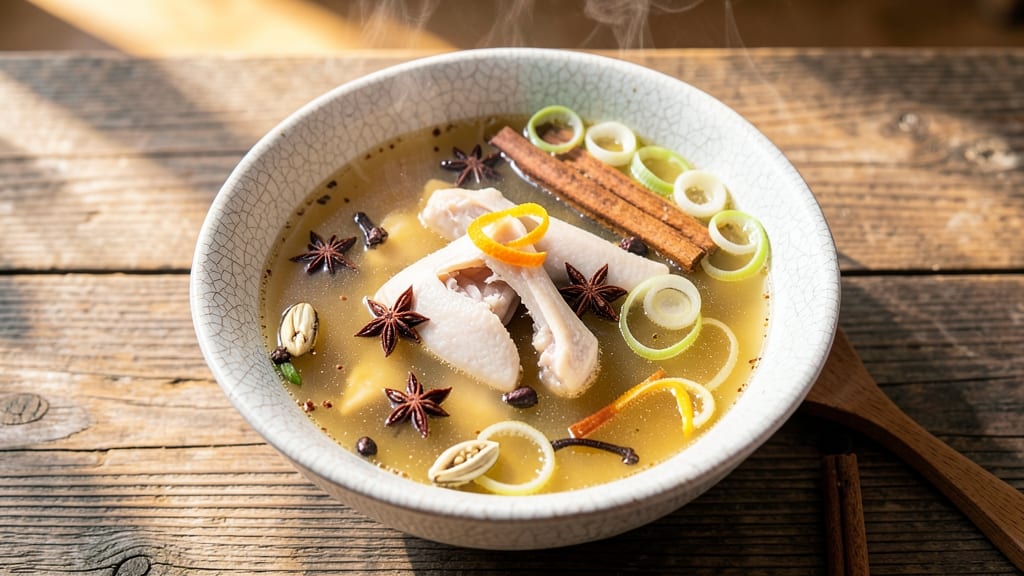
This fragrant Asian chicken stock soup recipe transforms simple ingredients into a deeply aromatic dish that balances savory, tangy, and herbal notes. The foundation lies in a rich broth simmered with chicken bones, ginger, and star anise—creating layers of warmth that linger long after the first sip.
What sets this recipe apart is the harmony of textures: silky noodles, tender vegetables, and a bright finish of lime that cuts through the richness.
The process begins with building the broth, where chicken and aromatics infuse the liquid for hours, developing a depth of flavor that's impossible to replicate with shortcuts. Once the broth is complete, it's a matter of assembling the remaining ingredients—each playing its part in creating a balanced bowl.
The result is a soup that feels both comforting and refined, perfect for chilly evenings or as a light yet satisfying meal.
What makes this recipe stand out is its versatility—adjust the vegetables based on what's in season, or add a splash of coconut milk for extra creaminess. The broth alone can be made ahead and stored, making this a practical yet impressive dish for busy weeks.
Every spoonful delivers on the promise of a restaurant-quality meal at home.
Whether you're serving a family dinner or meal prepping for the week, this soup delivers consistent, comforting results. The key lies in patience during the broth-making stage and balancing each component thoughtfully. Let's create a bowl that's as nourishing as it is delicious.
Ingredients for asian chicken stock soup
Sixteen ingredients crafting a symphony of fragrant, aromatic Asian chicken stock soup.
| Ingredient | Amount | Notes |
|---|---|---|
| Chicken Bones 🍗 | 3 lb | Raw, with meat attached preferred |
| Fresh Ginger Root 🌿 | ½ cup | Peeled, julienned or grated |
| Star Anise Pods 🌶️ | 4 whole | Whole, not ground |
| Cinnamon Sticks 🌿 | 2 whole | 2-inch pieces |
| Cardamom Pods 🌿 | 4 whole | Lightly crushed |
| Cloves 🌶️ | 6 whole | Whole, not ground |
| Onion 🧅 | 1 whole | Yellow or white, halved |
| Garlic Cloves 🧄 | 6 cloves | Whole, peeled |
| Egg Noodles 🍜 | 12 oz | Fresh or dried, silky texture |
| Baby Bok Choy 🥬 | 2 whole | Or sub with spinach or napa cabbage |
| Shiitake Mushrooms 🍄 | 8 whole | Fresh, stems removed |
| Lime 🍋 | 1 whole | Juiced, zest optional |
| Fish Sauce 🍶 | 1 tbsp | Red Boat preferred |
| Soy Sauce 🍶 | 1 tbsp | Light or dark |
| Sesame Oil 🫒 | 1 tbsp | Toasted, for finishing |
The chicken bones form the soul of this soup—look for raw, meaty bones from a trusted butcher or grocery store meat counter, as they yield the richest flavor. Whole chickens with bones work best, but chicken backs or necks are ideal if you're shopping pre-cut. Fresh ginger and aromatic spices like star anise and cardamom are non-negotiable; buy whole spices from a specialty store like Penzeys or the bulk section at Whole Foods for maximum potency. The onion and garlic should be fresh, with no signs of sprouting or discoloration—yellow onions add sweetness while white onions provide sharper depth.
No fresh ginger? Substitute with 2 tbsp ginger paste or 1 tbsp ground ginger, though texture will differ. Running short on star anise? A dash of anise extract or even a pinch of fennel seeds can mimic its licorice-like warmth. For the noodles, fresh egg noodles deliver the best texture, but dried varieties like Martini or King Noodle work in a pinch. Baby bok choy can be swapped for spinach, napa cabbage, or even watercress—whatever's in season. The mushrooms? Shiitake is ideal, but cremini or oyster mushrooms hold up well too. Fish sauce is essential for umami, but if you're avoiding it, a splash of coconut aminos works as a substitute.
Broth keeps for up to 5 days in the fridge or 3 months frozen—portion it into ice cube trays for easy use later. Fresh herbs like cilantro or Thai basil can be added post-cooking for brightness, but store them separately until ready to serve. The noodles should be cooked al dente and tossed with sesame oil just before serving to maintain their silky texture. Double the broth if you're meal prepping—it reheats beautifully and forms the base for future soups or stir-fries.
Why You'll Love This Recipe
- No-Chop Needed: I swear by this—just toss in whole ginger chunks and star anise pods. No peeling, no mincing, no mess. The bones render all the flavor on their own while you sip your coffee.
- Aroma Magic: That first whiff of simmering cinnamon and cardamom? Instant mood booster. The warm, earthy spices blend into a depth that turns ordinary chicken stock into something ridiculously comforting.
- Weeknight to Party Fix: Same base, endless twists. Use it as-is for a quick lunch, or add noodles and bok choy for dinner. Freeze half for sick days—trust me, you’ll thank yourself when you’re under the weather.
- Pantry Goldmine: Chicken bones are cheap, and those spices? They’ll last for years. This soup stretches into three meals with leftovers that taste even better the next day—proof that simple ingredients can be my secret weapon.
Step-by-step instructions for fragrant Asian chicken stock soup
Build a rich, aromatic broth foundation that transforms simple ingredients into a velvety soup experience.
Prepare the Chicken Bones and Aromatics
Rinse the 3 lb chicken bones thoroughly under cold water to remove any impurities. Place them in a large stockpot and cover with cold water by about 2 inches. Bring to a boil over high heat, then immediately reduce to a simmer and cook for 10 minutes to blanch the bones. This removes blood and surface impurities for a clearer broth.
While the bones simmer, peel and julienne the 0.5 cup fresh ginger root, then crush the 4 whole cardamom pods lightly with a mortar and pestle. Add the 4 whole star anise pods, 2 whole cinnamon sticks, 6 whole cloves, 1 halved onion (peeled), and 6 peeled garlic cloves to the pot. Skim off any foam that rises to the surface with a fine-mesh skimmer during the initial simmering.
Simmer the Broth for Deep Flavor
After blanching, reduce the heat to low and maintain a gentle simmer for 2 hours. Partially cover the pot and resist the urge to stir—this helps prevent cloudiness in the broth. The broth should develop a rich, golden color and an aromatic blend of ginger, garlic, and spices.
After 2 hours, add the julienned ginger and any remaining aromatics. Continue simmering uncovered for another 1 hour, allowing the liquid to reduce slightly and concentrate the flavors. The broth should smell deeply of ginger, garlic, and the warm spices—this is your signal that the base is developing properly.
Strain and Season the Broth
Line a fine-mesh strainer with cheesecloth or a coffee filter to create a makeshift sieve. Carefully strain the broth into a clean pot, pressing gently on the solids to extract maximum flavor without introducing sediment. Discard the solids or compost them—they've done their job.
Return the strained broth to the pot and bring it to a gentle simmer. Season with 1 tbsp fish sauce and 1 tbsp soy sauce, stirring to combine. Taste and adjust seasoning—you're aiming for a balance of umami from the fish sauce, saltiness from the soy, and the natural sweetness of the ginger and garlic. The broth should taste deeply savory with a bright, aromatic finish.
Cook the Noodles and Vegetables
While the broth simmers, prepare the 12 oz egg noodles according to package instructions until al dente—they'll finish cooking in the hot broth. Drain and set aside. In a separate pan, sauté the 8 shiitake mushrooms (stems removed) in a light coating of oil over medium-high heat for 3-4 minutes until golden brown. Set aside.
Separate the 2 baby bok choy into leaves and blanch them in boiling water for 1 minute, then shock in ice water to preserve their vibrant green color. Squeeze out excess water and set aside with the mushrooms.
Assemble and Finish the Soup
Return the broth to a simmer and add the cooked noodles, allowing them to absorb the remaining heat for 1-2 minutes. Divide the noodles among bowls, then ladle the hot broth over them. Arrange the sautéed mushrooms and blanched bok choy leaves on top of each serving.
Finish each bowl with a drizzle of 1 tbsp toasted sesame oil and the juice of 1 whole lime, cut into wedges for serving. The sesame oil adds a nutty depth, while the lime brightens the rich broth. Serve immediately with the lime wedges on the side for additional acidity as desired.
Pro Tips For Making Asian Chicken Stock Soup
- Blanch Bones First: Skip the raw chicken bones straight into the pot—I learned the hard way that blanch them for 10 minutes in boiling water first. This removes blood and impurities, so your stock stays crystal clear instead of cloudy. (Yes, it’s an extra step, but the difference is night and day.)
- Char the Spices: Toss your star anise, cinnamon sticks, and cardamom pods in a dry pan for 30 seconds until fragrant. This unlocks their flavor instead of letting them sit blandly in the broth. (I used to just drop them in raw—now I regret it every time.)
- Don’t Boil—Simmer: Keep the heat low enough that you barely see bubbles at the edges. Boiling makes the stock bitter and turns it murky. A gentle simmer for 3–4 hours extracts flavor without wrecking the stock. (Your patience will pay off.)
- Use Ginger Scraps: Save those leftover ginger roots with knobby bits—peel and slice them anyway. The fibrous ends add depth to the broth without needing fresh ginger. (I was skeptical until I tried it; now I never waste them.)
Troubleshooting this recipe
Broth Too Cloudy?
Cloudiness often means impurities or proteins haven't settled properly. After blanching bones, skim foam vigorously for 10 minutes—this removes blood and fat. For extra clarity, chill the broth overnight in the fridge, then skim off the solidified fat layer before reheating.
A cheesecloth-lined strainer also helps filter out finer particles. 🌡️
Weak Flavor Development
If your broth tastes bland, extend simmering time to 3-4 hours total. Add 1 extra cinnamon stick or 2 more star anise pods—these spices infuse slowly.
For umami depth, include 1 dried shiitake mushroom (soaked) or 1 tbsp dried kelp in the broth. Taste as you go and adjust seasoning gradually.
Noodles Turning Mushy
Overcooking noodles ruins texture. Cook them 1 minute less than package instructions, then finish in the hot broth. For extra insurance, use fresh egg noodles—they hold up better than dried. If using dried, rinse them in cold water after cooking to stop the cooking process immediately. 🍜
Vegetables Overcooked
Blanching veggies separately prevents them from turning limp. For bok choy, blanch for 1 minute max and shock in ice water. Mushrooms should only be sautéed until golden—3-4 minutes over medium-high heat. Add them to bowls right before serving to maintain crispness. Time is your friend here!
Broth Too Salty
If your broth tastes overly salty, dilute it with 1 cup hot water per bowl. For future batches, reduce soy sauce to ½ tbsp and taste before adding all.
If using fish sauce, start with ½ tbsp and adjust—it's potent! A splash of lime juice can also balance excessive saltiness beautifully. 💡
Lime Not Bright Enough
Fresh lime juice is key—use Mexican or Persian limes for maximum acidity. If your lime tastes mild, add ½ tsp lime zest per bowl. For extra brightness, finish with a pinch of salt (enhances flavor perception) or a drizzle of chili oil for heat contrast. Serve lime wedges on the side for customizable tang.
Nutrition facts
Frequently asked questions
Can I use chicken thighs instead of bones for the broth?
Yes, but the flavor will differ significantly. Chicken thighs will create a more flavorful broth than bones alone, but you'll need 4-5 bone-in thighs (about 2 lbs) to match the richness. For best results, combine both—use 2 lbs chicken bones plus 2 bone-in thighs to get that perfect balance of depth and meatiness.
How can I make this soup vegetarian?
Replace chicken bones with mushroom stems, kombu (seaweed), and vegetable scraps like onion skins and carrot peels. Use 1 tbsp soy sauce plus 1 tbsp miso paste for umami depth, and add 1 tsp smoked paprika for a meaty note. The broth will be lighter but still aromatic.
Can I make the broth ahead of time?
The broth actually tastes better when made 1-2 days ahead—the flavors meld more deeply. Store it in the fridge for up to 5 days or freeze in ice cube trays for 3 months. When reheating, bring to a simmer (don't boil) to preserve clarity. The noodles and veggies should be cooked fresh before assembling.
What if I don't have star anise or cardamom?
Don't worry—you can substitute with ½ tsp ground anise or 1 tsp fennel seeds for star anise. For cardamom, use ½ tsp ground cardamom or 1 cinnamon stick plus ¼ tsp cloves. The flavor profile will shift slightly but still deliver that warm, aromatic base. The key is balancing the spices with extra ginger or garlic if needed.
How do I prevent the noodles from getting soggy?
Cook noodles 1 minute less than package instructions, then rinse in cold water to stop cooking. Assemble bowls just before serving and keep the broth hot (not boiling) when adding. For extra insurance, use fresh egg noodles—they hold up better than dried. If prepping ahead, store noodles separately and cook fresh when ready to serve.