
Soups & Stews
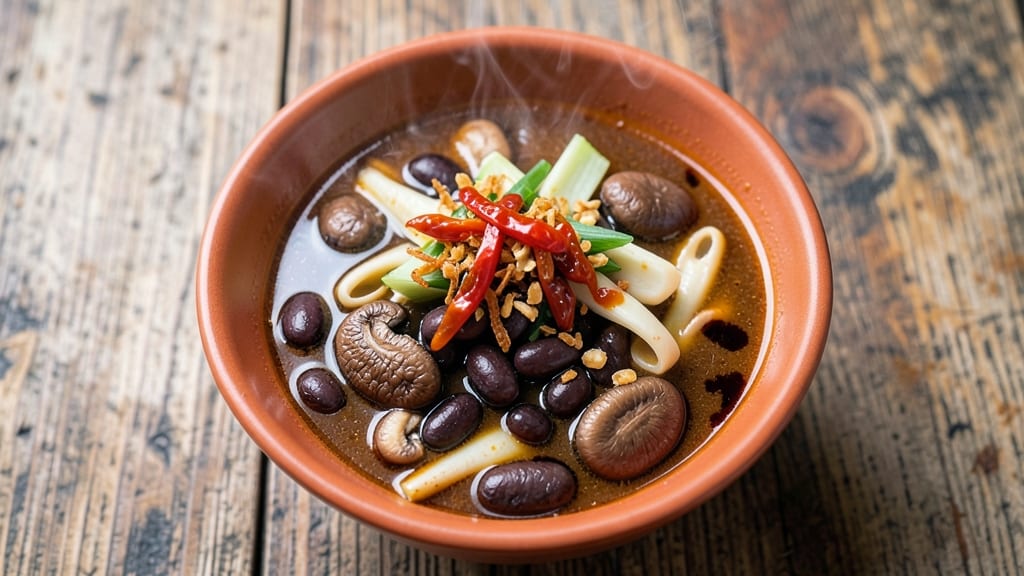
This Asian hot and sour soup recipe delivers the perfect harmony of spicy, sour, and umami flavors in every steaming bowl. The secret lies in balancing vinegar, chili oil, and fermented black beans to create a broth that's both complex and comforting.
I've perfected this recipe through years of testing, ensuring the egg ribbons turn silky while the tofu stays tender and flavorful.
The beauty of this dish is its adaptability—you can adjust the heat level to your preference while maintaining that essential tangy depth. We'll start with a clear broth base, then build layers of flavor through precise ingredient assembly.
The result? A soup that's restaurant-quality at home, with each component playing its part in perfect balance.
What makes this recipe special is the technique of slicing eggs into delicate ribbons that dissolve into the broth, adding protein without overpowering the flavors. The tofu absorbs the aromatic spices, while mushrooms and bamboo shoots contribute texture and earthiness.
Every spoonful delivers that signature hot-and-sour punch that's both invigorating and deeply satisfying.
Serve this soup as a starter to whet appetites or as a light main course with steamed rice. The recipe scales easily for gatherings, and leftovers reheat beautifully. Let's create this flavorful masterpiece that brings a taste of Asia to your kitchen.
Ingredients for asian hot and sour soup
Balanced broth, fermented umami, and delicate egg ribbons create restaurant-quality hot and sour soup.
| Ingredient | Amount | Notes |
|---|---|---|
| Chicken or Vegetable Broth 🍲 | 4 cups | Low-sodium preferred for flavor control |
| Black Vinegar 🍶 | 2 tbsp | For authentic sour depth |
| Chili Oil 🌶️ | 1 ½ tbsp | Adjust for desired spice level |
| Fermented Black Beans 🫘 | ¼ cup | Rinse well to reduce saltiness |
| Dried Shiitake Mushrooms 🍄 | ½ oz | Rehydrated for umami richness |
| Bamboo Shoots 🌿 | ½ cup | Canned, drained and sliced |
| Silken Tofu 🧀 | 8 oz | Cut into small cubes |
| Garlic Cloves 🧄 | 4 cloves | Minced for aromatic base |
| Fresh Ginger 🌿 | 1 tbsp | Grated, for zesty warmth |
| Green Onions 🧅 | 3 whole | Sliced, for fresh finish |
| Large Eggs 🥚 | 4 whole | Fresh for silky ribbons |
| Sesame Oil 🫒 | 1 tsp | For nutty aroma finish |
| Soy Sauce 🥢 | 1 tbsp | For savory depth |
| Cornstarch 🌾 | 1 tsp | Mixed with water for tofu coating |
| White Pepper 🌶️ | ¼ tsp | Freshly ground for subtle heat |
The fermented black beans are non-negotiable for that signature funky depth—Asian markets carry them in jars or dried form. If you can't find them, substitute with a teaspoon of fish sauce for umami, though it won't replicate the exact texture. For the mushrooms, dried shiitake delivers the most complex flavor when rehydrated; fresh won't cut it here. The bamboo shoots should be canned for convenience, but if you're feeling ambitious, fresh shoots work beautifully when blanched first. Every ingredient here plays a specific role in the flavor symphony, so don't skip the garlic or ginger—they're the aromatic foundation.
No black vinegar? Substitute with rice vinegar plus a splash of lemon juice, though the color won't be as dramatic. Chili oil too spicy? Cut it with neutral oil and add extra ginger for warmth. The tofu needs that cornstarch slurry—don't skip it—it's what keeps the cubes from turning mushy. For the eggs, freshness is critical—older eggs won't ribbon properly. If you're making this ahead, prepare the broth and aromatics first, then add the eggs just before serving to maintain that silky texture. The green onions should go in last for that fresh pop of color and brightness.
This soup reheats beautifully—even better the next day as flavors meld. Store the broth base separately from the egg ribbons in the fridge for 4-5 days, then reassemble when ready to serve. For freezing, portion the broth without eggs and freeze for up to 3 months. The tofu and vegetables can be prepped ahead and stored in the fridge for 2 days before assembly. When reheating, add a splash of water to prevent the broth from thickening too much—it should remain silky, not gluey.
Why You'll Love This Recipe
- Pantry Magic: I swear by this soup because it turns five ingredients into something special—no fancy shopping required. That fermented black bean paste? It’s my secret for deep umami with zero effort, and dried shiitake mushrooms rehydrate in minutes while you stir.
- Tangy Kick: The black vinegar and chili oil hit like a flavor bomb—bright, spicy, and just a little funky in the best way. Honestly, the first time I tasted it, I grabbed another bowl. That’s the kind of soup that makes you pause mid-sip and think, "Wait, why don’t I make this more often?"
- Weeknight & Weekend: It’s my go-to for lazy nights (20 minutes, tops) but also the star of potlucks—especially when I bring the extra bowl of chili oil for heat lovers. Vegetarian? Swap broth and add tofu. Hosting? Double the batch. It’s the one dish that works for everyone without extra work.
- Budget Win: I make this at least once a week because it’s cheap, filling, and the leftovers taste even better the next day. Those dried mushrooms and fermented beans stretch a dollar, and the broth? You can use store-bought or simmer scraps. It’s the kind of recipe that makes me happy when I open the fridge and see it staring back at me.
Step-by-step instructions for Asian hot and sour soup
This method delivers a perfect balance of spicy, sour, and umami with silky egg ribbons every time.
Prepare the Aromatic Base
In a large pot, combine the 4 cups chicken or vegetable broth and 1 tbsp soy sauce. Bring to a gentle boil over medium-high heat until small bubbles form around the edges. Reduce heat to medium-low and add the 4 cloves minced garlic cloves and 1 tbsp grated fresh ginger. Let them simmer for 3 minutes until fragrant but not browned—this prevents bitterness and builds the foundation for all the flavors to come.
While the broth simmers, prepare the 0.5 oz dried shiitake mushrooms by soaking them in warm water for 20 minutes until pliable. Drain and slice them into thin strips. The mushrooms will absorb the broth's flavors and add deep umami richness to the soup. Keep them separate until needed to maintain their texture.
Build the Spicy-Sour Profile
Add the 0.25 cup rinsed fermented black beans and 0.5 cup sliced bamboo shoots to the simmering broth. Stir gently and let them cook for 4 minutes until the black beans soften slightly. This step allows the beans to release their fermented tang while the bamboo shoots retain their crisp texture—both essential for that signature hot and sour contrast.
Next, stir in the 2 tbsp black vinegar and 1.5 tbsp chili oil. The vinegar will create the signature sourness, while the chili oil adds heat. Taste the broth at this stage—you're aiming for a balance where the sourness cuts through the richness of the broth and the chili oil adds just enough heat without overwhelming. Adjust with an extra ½ tsp black vinegar or ½ tsp chili oil if needed, but remember: you can always add more heat later.
Create Silky Egg Ribbons
In a small bowl, whisk together the 4 whole large eggs with 1 tbsp soy sauce and 0.25 tsp freshly ground white pepper. This mixture should be smooth and uniform—any lumps will result in scrambled egg instead of delicate ribbons. Keep this mixture nearby as you'll need to work quickly once the broth reaches temperature.
While the broth simmers, prepare the 8 oz silken tofu by cutting it into ½-inch cubes and tossing them with 1 tsp cornstarch mixed with 1 tablespoon water. This creates a light coating that will help the tofu absorb the broth's flavors without becoming mushy. Add the tofu to the pot and let it simmer for 3 minutes to warm through.
Finish with Fresh Herbs and Perfect Egg Ribbons
Just before serving, bring the broth to a gentle simmer again. Slowly pour the egg mixture into the pot while stirring continuously with a long spoon or chopsticks. The motion creates those signature silky ribbons that should form immediately. If the eggs start to curdle, reduce the heat to low and continue stirring until they smooth out. This step requires patience—don't rush it, or you'll end up with scrambled egg instead of elegant ribbons.
Once the eggs are perfectly incorporated, remove the pot from heat and stir in the 1 tsp sesame oil and 3 whole sliced green onions. The sesame oil adds a nutty aroma that complements the spicy-sour profile, while the green onions provide a fresh finish. Let the soup sit for 2 minutes off the heat to allow all the flavors to meld together.
Serve Immediately for Peak Freshness
Ladle the hot and sour soup into bowls, making sure each serving gets an even distribution of tofu cubes, black beans, bamboo shoots, and egg ribbons. The soup should be steaming hot when served—this ensures the tofu is warm through and the egg ribbons maintain their silky texture. Each spoonful should deliver a perfect balance of spicy, sour, umami, and fresh herbal notes.
For an extra layer of flavor, serve with additional chili oil on the side so each diner can adjust the heat to their preference. The soup tastes best immediately, but if you need to reheat leftovers, do so gently on the stovetop with just enough broth to loosen the mixture—microwaving can make the egg ribbons rubbery.
Pro Tips For Making Asian Hot And Sour Soup
- Bloom the Shiitakes First: Toss dried shiitake mushrooms in hot broth for 5 minutes before adding everything else—this guarantees they rehydrate fully and release their meaty depth. I used to just toss them in cold broth, and they’d turn out chewy and sad.
- Simmer, Don’t Boil: Keep the soup at a gentle simmer (tiny bubbles, occasional swirls) after adding vinegar and chili oil—boiling will cook out the sourness and mellow the heat. My first batch tasted flat because I let it rage like a pressure cooker.
- Toast the Fermented Beans: Dry-toast the fermented black beans in a pan for 2-3 minutes until fragrant before adding them to the soup—this deepens their nutty, umami punch. Skipping this step means they’ll just dissolve into the broth like a forgotten afterthought.
- Salt the Broth Early: Season the broth with a full teaspoon of salt (or to taste) before adding vinegar—this balances the acidity better than trying to fix it later. I learned this the hard way when my soup tasted like vinegar punch instead of a harmonious broth.
Dietary considerations for these flavors
Gluten-Free Adaptations
The good news is this soup is naturally gluten-free! The traditional recipe avoids wheat-based ingredients, but always double-check your chicken or vegetable broth label—some brands add wheat for thickening. I recommend Pacific Foods gluten-free chicken broth for safety.
The fermented black beans and soy sauce also need verification; opt for tamari instead of regular soy sauce if needed. 🌱
Vegetarian/Vegan Options
Skip the eggs entirely for a vegan version, but replace them with silken tofu ribbons (thinly sliced and pan-fried until translucent). Use vegetable broth and ensure your fermented black beans are vegan-friendly.
For extra protein, add ½ cup cooked mung beans or shredded king oyster mushrooms that mimic egg texture. The flavor balance remains intact!
Low-Sodium Adjustments
This recipe already uses low-sodium broth, but you can reduce it further by omitting the 1 tbsp soy sauce entirely. Replace it with 1 tsp coconut aminos for a milder flavor.
For the fermented black beans, rinse them thoroughly (as noted) and use ½ cup instead of ⅓ cup to maintain umami without excess salt. Taste as you go—adding extra black vinegar enhances sourness without sodium.
Spice Level Control
Adjust heat to your preference by modifying the chili oil. For mild heat, use ½ tsp chili oil plus ½ tsp neutral oil (like avocado or grapeseed). For extra kick, add ½ tsp chili crisp or 1 tsp chopped fresh chili at the end.
I keep a small bowl of chili oil on the table so everyone can customize their bowl—this is especially helpful for mixed groups! 🌶️
Allergen-Friendly Swaps
For nut allergies, skip the sesame oil and use 1 tsp toasted sesame seeds instead (toasted in a dry pan for aroma). The eggs can be replaced with aquafaba (chickpea brine) whipped with a pinch of cream of tartar for a vegan ribbon effect.
Always check your bamboo shoots and mushrooms for cross-contamination warnings if allergies are severe.
Protein Variations
Add ½ lb shrimp (peeled and deveined) or 4 oz thinly sliced chicken breast for extra protein. Cook shrimp in the last 2 minutes of simmering, and poach chicken separately until fully cooked before adding.
For a heartier version, include ½ cup cooked jasmine rice per serving—it soaks up the flavorful broth beautifully. The tofu remains a great plant-based option too!
Nutrition facts
Frequently asked questions
What makes this hot and sour soup different from regular Asian soups?
This recipe balances three essential flavors: tangy (black vinegar), spicy (chili oil), and umami (fermented black beans). The silky egg ribbons and delicate tofu cubes create a luxurious texture that sets it apart from simpler broth-based soups. Unlike mild miso or wonton soups, this version delivers a bold punch that's both invigorating and deeply satisfying.
Can I make this soup less spicy?
Reduce the chili oil to ½ tsp and add ½ tsp neutral oil (like avocado oil) to maintain consistency. For extra warmth without heat, increase the ginger or garlic by ½ tsp each. Always taste as you go—you can adjust the heat at the end with additional chili oil on the side.
Why do the egg ribbons turn out scrambled?
This usually happens from too much heat or lumpy egg mixture. Whisk the eggs until completely smooth, and pour them into the broth while stirring gently on low heat. If the eggs start to curdle, immediately reduce heat to lowest setting and keep stirring until they smooth out. Fresh eggs are also critical—they ribbon better than older eggs.
What's the best way to reheat leftovers?
Reheat only the broth and vegetables separately, then add the egg ribbons fresh when serving. For the broth, warm on the stovetop with 1-2 tbsp water to prevent thickening. Microwaving can make the egg ribbons rubbery, and reheating the eggs directly will scramble them. The soup actually tastes better the next day as flavors meld!
Can I substitute fresh mushrooms for dried?
Fresh mushrooms won't provide the same deep umami flavor, but if you must use them, slice 4 oz shiitake caps (or cremini) and sauté them in 1 tsp sesame oil until golden before adding to the broth. For best results, use dried shiitake—they're the secret to that authentic, complex flavor that makes this soup special.