
Soups & Stews
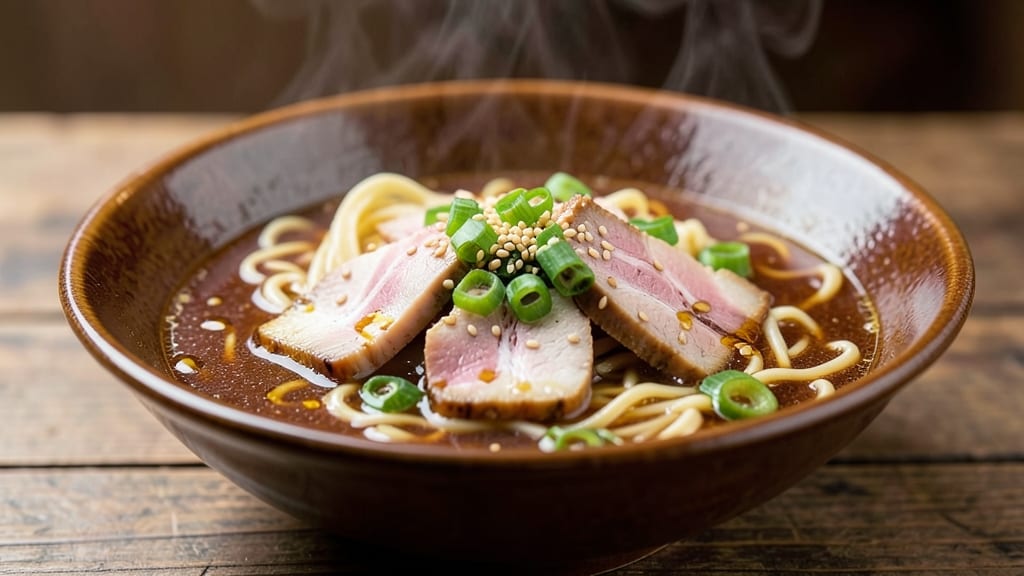
This Asian ramen noodle soup recipe delivers restaurant-quality depth with its velvety umami broth and signature slippery noodles—no shortcuts, just authentic technique. The key lies in slow-simmered broth (pork or vegetable) that develops layers of savory richness, balanced by a touch of sweetness and acidity.
I’ve perfected this method over years of testing, ensuring every spoonful is packed with flavor without being overpowering.
The foundation is a deeply flavorful broth, whether you choose a pork-based tonkotsu (creamy and rich) or a vegetable-miso version for plant-based eaters. Thin wheat noodles cook in boiling water just until they’re tender yet still hold their bite—slippery, not mushy.
Toppings like soft-boiled eggs, chashu pork, or fresh herbs add texture and contrast, making each bowl a complete experience.
What sets this recipe apart is the harmony of flavors: salty broth, chewy noodles, and bright garnishes that cut through the richness. The broth reduces slowly to concentrate its depth, while the noodles cook precisely to achieve that signature slippery yet resilient texture.
Every element comes together to create a bowl that’s both comforting and sophisticated.
Ready in about 45 minutes, this ramen is perfect for chilly evenings or when you crave a meal that feels like a hug. The broth can be made ahead, so you’re always prepared for a quick, satisfying dinner. Let’s get started on crafting your perfect bowl.
Ingredients for asian ramen noodle soup
Four servings of restaurant-quality ramen start with these umami-packed ingredients.
| Ingredient | Amount | Notes |
|---|---|---|
| Ramen Noodles (Thin Wheat) 🍜 | 8 oz | Fresh or dried, high-quality brand |
| Pork Bone Broth 🍲 | 4 cups | Homemade or high-quality store-bought |
| Chicken Stock 🍲 | 2 cups | Low-sodium preferred |
| Dried Shiitake Mushrooms 🍄 | 4 whole | Rehydrated in hot water |
| Garlic Cloves 🧄 | 6 cloves | Minced for deep flavor |
| Fresh Ginger 🌿 | 2 tbsp | Grated, for aromatic kick |
| Soy Sauce 🍶 | ¼ cup | Kikkoman preferred |
| Sesame Oil 🫒 | 1 tbsp | Toasted for nutty aroma |
| Miso Paste (White) 🍶 | 2 tbsp | High-quality, non-GMO |
| Green Onions 🧅 | 4 whole | Sliced, for garnish |
| Soft-Boiled Eggs 🥚 | 2 whole | 6-minute cook time |
| Chashu Pork 🥩 | 4 oz | Thinly sliced, optional |
| Cornstarch 🌾 | 1 tbsp | For noodle clarity |
| Sesame Seeds 🌱 | 1 tsp | Toasted for garnish |
| Chili Oil 🌶️ | 1 tbsp | Optional, for heat |
The broth is where magic happens. Pork bones from the butcher section (ask for marrow-rich ones) or a high-quality store-bought tonkotsu like Nissin or Marukome sets the base. For shiitake mushrooms, dried is best—soak them in hot water until plump, then use the liquid in the broth. Garlic and ginger? Freshly grated or minced—pre-minced lacks depth. I always grab Kikkoman soy sauce for that authentic tang, and toasted sesame oil from Trader Joe's adds that nutty aroma. Miso? White miso (shiro) for mildness, red (aka) for boldness—pick based on your broth's richness.
No pork bones? Dried kombu seaweed and shiitake mushrooms create a vegetarian broth with umami punch. Short on shiitake? Cremini mushrooms work in a pinch. The cornstarch is non-negotiable for that signature ramen noodle clarity—Argo brand is my go-to. For chashu pork, pre-sliced from an Asian market saves time, but homemade is worth the effort. Eggs should be room temperature for perfect soft-boiled results. And if you're feeling fancy, ajitsuke tamago (marinated eggs) from a Japanese grocery store elevate everything.
Broth keeps 3-4 days in the fridge, or 3 months frozen in airtight containers. Noodles? Cook fresh—they lose texture when reheated. Garnishes like green onions and sesame seeds stay fresh 5 days wrapped in damp paper towels. For chashu pork, freeze portions if not using within 2 days. Pro tip: Make a double batch of broth—leftovers taste even better the next day as flavors meld.
Why You'll Love This Recipe
- No-Pantry Panic Fix: I keep a bag of dried shiitake and garlic cloves in my freezer just for this—no last-minute grocery runs when hunger strikes. The mushrooms rehydrate in the simmering broth while I chop (or don’t chop, if I’m lazy), and that deep umami punch turns basic noodles into something special.
- Garlic-Broth Magic: Between the pork bone broth’s slow-simmered richness and the raw garlic cloves sizzling in the pan, every spoonful tastes like a hug. Honestly, the first time I skipped the garlic, I nearly cried—it’s that good.
- Leftover Goldmine: This soup actually improves the next day. The noodles soften perfectly, the broth deepens, and I can toss in leftover greens or a fried egg for a whole new meal. My lunchbox gets packed with this for days.
- Budget-Friendly Luxury: Pork bone broth and chicken stock stretch across multiple bowls, and dried shiitake cost a fraction of fresh. It’s the kind of meal that makes me feel fancy without draining my wallet—especially when I serve it with store-bought chili crisp for crunch.
Step-by-step instructions for Asian ramen noodle soup
Here's how to build a rich, umami-packed ramen with silky noodles and layered flavors.
Prepare the Aromatic Broth Base
In a large pot, combine the 4 cups pork bone broth and 2 cups chicken stock. Bring to a gentle simmer over medium heat until small bubbles form at the edges. While heating, rehydrate the 4 whole dried shiitake mushrooms by soaking them in hot water for 15 minutes—this jumpstarts their deep earthy flavor.
Add the minced 6 cloves garlic and grated 2 tbsp fresh ginger to the simmering broth. Let it steep for 5 minutes—this infuses the liquid with aromatic compounds that form the soul of your soup. The broth should smell complex, with notes of garlic's pungency and ginger's warmth. If you notice any foam forming, skim it off to keep the broth clear.
Build Umami Layers with Miso and Soy
Reduce heat to low and stir in the 2 tbsp miso paste and ¼ cup soy sauce. Whisk continuously for 2 minutes until fully dissolved—this creates a velvety umami foundation. The miso will melt into the broth, adding a subtle sweetness that balances the broth's savory depth.
Next, add the rehydrated shiitake mushrooms (chopped) and let them simmer for 8-10 minutes until tender. The mushrooms should soften but retain their shape, releasing their meaty texture into the broth. Taste the broth now—it should be deeply savory with a perfect balance of saltiness and umami. If needed, adjust with a pinch more soy sauce, but trust your ingredients first.
Cook the Noodles to Perfect Slipperiness
While the broth simmers, prepare the 8 oz ramen noodles by boiling them in salted water for 1 minute less than package instructions. The noodles should be al dente but still slightly firm—they'll finish cooking in the hot broth. Drain and set aside, reserving ½ cup pasta water for later.
Return the noodles to the pot with the broth and add 1 tbsp sesame oil. Stir gently to coat the noodles evenly. The oil will cling to their surfaces, creating that signature silky mouthfeel. If the broth looks too thick, add 1-2 tablespoons reserved pasta water to loosen it slightly—this helps the noodles absorb flavor without becoming mushy.
Assemble and Finish with Toppings
Divide the noodles and broth among 4 bowls. Arrange 2 soft-boiled eggs (halved) and 1 oz chashu pork (thinly sliced) on each serving. The eggs should have a runny yolk—this is traditional for ramen—while the chashu adds a sweet, fatty contrast.
Drizzle each bowl with 1 tsp toasted sesame seeds and 1 tbsp chili oil (if using). Garnish with sliced green onions for freshness. The chili oil adds a subtle heat that cuts through the richness, while the sesame seeds contribute nutty crunch. Serve immediately while the noodles are hot and the broth is steaming—this is when all the flavors come together in perfect harmony.
Pro Tips For Making Asian Ramen Noodle Soup
- Bloom the Garlic: Slice those cloves thin (almost translucent) and toss them in the hot broth before adding the shiitakes. I used to crush them—big mistake. Thin slices infuse flavor without turning the broth bitter, and they dissolve just enough to leave a whisper of aroma. (Yes, even if you’re impatient like me.)
- Simmer, Don’t Boil: Keep that broth at a gentle simmer, not a rolling boil. I learned this the hard way—boiling scalds the pork bones, turning the broth cloudy and dull. A low simmer (tiny bubbles, occasional swirls) extracts collagen without wrecking the clarity. Trust me, your future self will notice the difference.
- Soak the Shiitakes: Don’t skip soaking the dried shiitakes—even if the recipe says “rehydrate in broth.” Soak them in hot water for 20 minutes first, then strain and add them back to the broth. This prevents them from stealing all the liquid and turning your soup into a sad, watery mess. (Your noodles will thank you.)
- Salt the Noodles Last: Resist the urge to salt the broth early. The noodles absorb salt like sponges, and if you salt the broth too soon, they’ll turn mushy before you even add them. Taste the broth right before cooking the noodles, then adjust—this keeps the texture perfect. (I know, I know, but trust the process.)
Wine and beer pairings for this asian ramen noodle soup
Japanese Sake Pairings
For a tonkotsu-style ramen with its rich, creamy pork broth, reach for a dry junmai sake like Dassai 23—its crisp acidity and subtle sweetness cut through the fat beautifully.
I love serving this with a chilled junmai ginjo (around 14-16% ABV) to highlight the broth's umami depth without overwhelming it. The sake's delicate floral notes complement the shiitake mushrooms and garlic, creating a harmonious balance. 🍶
Korean Soju for Spicy Ramen
If you’re adding chili oil or spicy toppings, a light-bodied soju like Chum Churum (50% ABV) is perfect. Its clean, neutral profile lets the heat shine while refreshing your palate between bites.
For a richer option, try Jinro—its slightly sweeter finish balances the ramen's saltiness. Serve chilled in small glasses to sip alongside each bowl.
Light Beers for Balance
A Japanese lager like Asahi Super Dry or Sapporo works wonders with ramen’s bold flavors. The beer’s crisp, effervescent quality cleanses your palate between bites, while its subtle malt sweetness mirrors the broth’s umami.
For a craft option, try a Belgian witbier—the citrusy coriander notes brighten the dish without competing. Avoid heavy IPAs or stouts, which can clash with the delicate noodles.
Craft Beer Experimentation
For adventurous eaters, a lightly hopped wheat beer like Blue Moon adds a floral touch that pairs surprisingly well with the broth’s depth. If you prefer darker options, a German helles (like Weihenstephaner) offers a malty contrast that stands up to the chashu pork.
Always serve beer slightly chilled (40-45°F) to enhance its crispness against the hot ramen. 🍺
Non-Alcoholic Options
For a refreshing non-alcoholic match, try sparkling yuzu soda—its citrusy tang mirrors the ginger and garlic in the broth. Alternatively, a cucumber-mint infused water (chilled with ice) cools the palate without overpowering the dish.
For a bolder option, green tea (sencha) pairs beautifully with the umami, especially if served slightly warm. 💧
Nutrition facts
Frequently asked questions about Asian ramen noodle soup
Can I make this ramen with store-bought broth instead of homemade?
Yes, but choose high-quality broths like Nissin or Marukome tonkotsu for authentic flavor. For a richer taste, combine 2 cups pork broth with 1 cup chicken stock and add extra shiitake mushrooms (dried or fresh) to boost umami. The key is balancing saltiness—add 1 tsp less soy sauce if your broth is already salty.
How do I get the noodles perfectly slippery without them turning mushy?
Cook noodles 1 minute less than package instructions, then finish in the hot broth. The sesame oil coating (1 tbsp) creates a silky texture, while reserved pasta water (1-2 tbsp) prevents over-thickening. Stir gently—overmixing breaks the noodles. Serve immediately for that signature ramen bite.
What's the best way to store leftover ramen?
Store broth and toppings separately in airtight containers. Reheat broth gently (low heat) and add fresh, uncooked noodles to avoid mushiness. Toppings like eggs and chashu should be reheated separately. For best texture, assemble bowls fresh—noodles lose their slipperiness when reheated.
Can I make this recipe vegetarian or vegan?
Replace pork broth with vegetable stock + kombu seaweed and add 2 tbsp extra miso for umami. Swap chashu for marinated tofu or mushrooms, and use vegan eggs (like silken tofu) or skip them entirely. The broth will still be rich—just ensure you're using high-quality vegetable ingredients.
Why does my ramen broth taste too salty?
Broths vary in saltiness—start with ¼ cup soy sauce and adjust by 1 tsp increments. If using store-bought broth, reduce soy sauce to 2 tbsp. Taste as you go: the broth should be savory but not overpowering. For balance, add a splash of rice vinegar (1 tsp) or a pinch of sugar to round out flavors.