
Soups & Stews
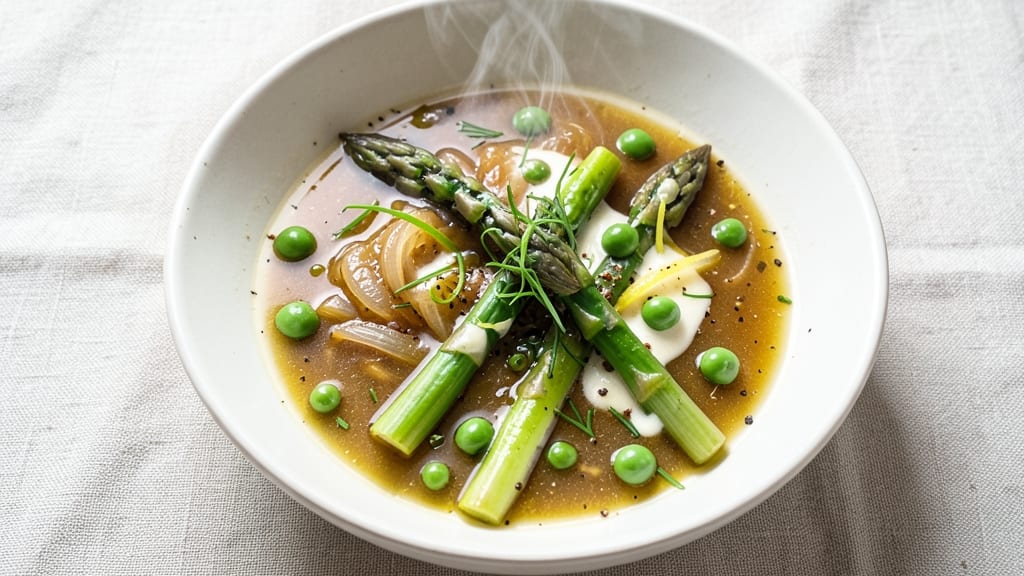
Spring's bright flavors come alive in this asparagus and pea soup recipe, where tender garden vegetables transform into a velvety, herb-infused broth that tastes like sunshine in a bowl.
The secret lies in proper sautéing—caramelizing onions and garlic until golden creates a rich foundation that balances the natural sweetness of peas and asparagus. This isn't just soup; it's a celebration of spring's first harvest, packed with vibrant green vegetables and subtle earthy notes.
What makes this recipe special is its simplicity: just 15 minutes of prep and 30 minutes of simmering deliver a restaurant-quality result without complicated techniques. The key steps—sautéing aromatics, adding vegetables in stages, and blending for a velvety texture—ensure every spoonful is perfectly balanced.
For extra richness, a splash of cream or a sprinkle of parmesan adds depth, while fresh herbs like dill or parsley bring freshness that elevates the dish.
By the time you're done, you'll have a soup that's creamy yet light, with bright asparagus and sweet peas shining through a delicate broth.
The aroma alone will make your kitchen feel like a spring garden, and the texture—smooth yet satisfying—makes it perfect for both weeknight dinners and special occasions. Serve it warm with crusty bread or a sprinkle of fresh herbs to complete the experience.
This recipe scales beautifully, so you can easily double it for gatherings or save leftovers for another day. The beauty of this soup is in its versatility—it works as a starter, a light main course, or even a comforting lunch.
Whether you're a seasoned cook or just starting out, this asparagus and pea soup delivers garden-fresh flavor with minimal effort.
Ingredients for asparagus and pea soup
Spring's garden freshness starts with these vibrant ingredients—simple yet transformative.
| Ingredient | Amount | Notes |
|---|---|---|
| Yellow Onions 🧅 | 1 whole | Diced, medium size preferred |
| Garlic Cloves 🧄 | 4 cloves | Peeled, minced fine |
| Extra-Virgin Olive Oil 🫒 | ½ cup | High quality, fruity |
| Fresh Peas 🌱 | 1 ½ cups | Shelling peas preferred |
| Asparagus Spears 🌿 | 1 lb | Trimmed, cut into 1-inch pieces |
| Vegetable Broth 💧 | 4 cups | Low-sodium preferred |
| Heavy Cream 🥛 | ½ cup | Full-fat for richness |
| Fresh Dill 🌿 | ¼ cup | Chopped, stems removed |
| Fresh Parsley 🌿 | ¼ cup | Chopped, for garnish |
| Lemon Juice 🍋 | 1 tbsp | Freshly squeezed |
| Salt 🧂 | 1 tsp | Kosher or sea salt |
| Black Pepper 🌶️ | ½ tsp | Freshly ground preferred |
| Vegetable Stock 💧 | 1 cup | For extra depth |
| Crusty Bread 🍞 | 4 slices | For serving, optional |
The onions and garlic are your flavor anchors here. Yellow onions have a sweeter bite than red, so they caramelize beautifully without overpowering. Whole Foods or Trader Joe's carry pre-diced onions in the salad bar section, which saves time. For garlic, freshly peeled cloves make all the difference—pre-minced garlic loses flavor fast. The asparagus? Bright green, firm spears are non-negotiable. Look for spears that snap easily when bent—avoid woody ends. If you're buying frozen peas, thaw them first for better texture in the soup.
No fresh dill? Dried dill at one-third the amount works in a pinch, though fresh is ideal. Substituting heavy cream? Coconut milk gives a similar richness without dairy. For extra depth, low-sodium vegetable broth is key—check labels, as some brands sneak in hidden salt. The vegetable stock can be homemade or store-bought, but avoid anything with added flavors. Lemon juice brightens everything, so freshly squeezed is best, but bottled works if you're in a rush. Need to skip the asparagus? Zucchini or green beans work beautifully in the same ratio.
This soup tastes even better the next day as flavors meld. Store in an airtight container for 4-5 days in the fridge. For freezing, portion into ice cube trays—thaw and reheat with a splash of water for creamy texture. The crusty bread? Baguettes from the bakery section toast perfectly. If you make a double batch, freeze half immediately—perfect for lazy spring lunches. Garnish with fresh herbs right before serving to keep them vibrant.
Why You'll Love This Recipe
- Spring in a Bowl: The moment those bright green peas and tender asparagus hit the pot, you’ll smell why spring feels like a celebration. No fancy techniques—just onions and garlic caramelizing in olive oil until the kitchen smells like a farmer’s market, then pureed into velvety goodness. That’s the magic: simple ingredients doing all the heavy lifting.
- Sneaky Depth: Here’s what sold me—sautéing the onions until they’re golden (not burnt, just just sweet) and crushing those garlic cloves into the oil before adding liquid. That’s the secret: the garlic infuses the olive oil, and suddenly, every spoonful has this rich, almost nutty backbone that makes it taste like you simmered it for hours.
- Lunchbox Hero: Between us, this soup is my go-to for packed lunches. (Yes, even on a Tuesday.) The asparagus holds its shape when chilled, and the peas stay bright—no mushiness. Toss it in a thermos, and you’ve got a meal that feels fancy but costs less than takeout. My daughter picks out the asparagus spears first, but still asks for seconds.
- Budget Brightener: Fresh peas and asparagus might sound fancy, but they’re cheaper than you think—especially when you use the tough ends of asparagus to make stock later. One pot feeds four for under $10, and leftovers? They taste just as good reheated the next day. Honestly, it’s the kind of recipe that makes grocery shopping feel like a win.
Step-by-step instructions for asparagus and pea soup
This bright, velvety soup captures spring's freshest flavors with minimal effort.
Sauté Onions and Garlic Until Golden
Heat the 0.5 cup extra-virgin olive oil in a large pot over medium heat. Add the diced yellow onions and cook for 5-6 minutes until softened and translucent. The onions should turn pale gold with just a hint of caramelization—this builds the soup's sweet base.
Add the 4 cloves minced garlic and cook for another 30 seconds until fragrant. Be careful not to let it brown—garlic burns quickly and turns bitter. Lower the heat slightly if needed to maintain gentle sizzling. This aromatic foundation is where all the flavors will meld beautifully.
Cook Peas and Asparagus Until Tender
Add the 1.5 cups fresh peas and 1 lb asparagus spears (cut into 1-inch pieces) to the pot. Stir well to coat in the onion-garlic mixture, then pour in the 4 cups vegetable broth. Bring to a gentle boil, then reduce heat to medium-low and simmer for 10-12 minutes until the asparagus is fork-tender and the peas are bright green.
You'll know it's ready when the asparagus pieces soften enough to pierce easily with a fork but still hold their shape. Overcooking will turn them mushy—this is the sweet spot for perfect texture. Stir occasionally to prevent sticking, especially if the broth reduces too much.
Blend Until Silky Smooth
Using an immersion blender, carefully blend the soup directly in the pot until completely smooth. Work in batches if needed to avoid splattering. For a chunkier texture, you could reserve some peas and asparagus before blending, but puréed gives that luxurious, velvety finish we're after.
If the soup seems too thick after blending, stir in the 1 cup vegetable stock to reach your desired consistency. The soup should coat the back of a spoon but still be light enough to sip easily. This is where the soup's elegance comes together—smooth, vibrant, and full of spring's essence.
Finish with Cream and Herbs
Return the pot to medium heat and stir in the 0.5 cup heavy cream. Let it warm through for 1-2 minutes—just enough to meld with the soup without curdling. Add the 1 tbsp lemon juice, 1 tsp salt, and 0.5 tsp black pepper, then taste and adjust seasoning if needed.
Remove from heat and stir in the 0.25 cup chopped fresh dill and 0.25 cup chopped fresh parsley. These herbs add a bright, fresh finish that cuts through the richness of the cream. Let the soup sit for 5 minutes to allow the flavors to fully integrate—this resting period makes all the difference in the final taste.
Serve with Crusty Bread
Ladle the soup into bowls and serve immediately with 4 slices crusty bread on the side. The bread helps soak up any remaining soup while adding a satisfying textural contrast. For extra depth, you could also garnish each serving with a drizzle of high-quality olive oil or a sprinkle of cracked black pepper.
This soup tastes best fresh from the pot, when the flavors are at their peak. The bright green color, creamy texture, and fresh herb notes make it the perfect springtime comfort dish—light enough for lunch but hearty enough for dinner.
Pro Tips For Making Asparagus And Pea Soup
- CHAR THE ONIONS LOW: I learned this the hard way—drowning onions in olive oil over high heat turns them bitter. Instead, cook them on medium-low for 8-10 minutes until deeply golden, stirring occasionally. The extra time pays off with sweet, caramelized flavor that anchors the soup.
- TRIM ASPARAGUS JUST RIGHT: Skip the whole spear if you want even cooking. Cut asparagus into 1-inch pieces—thicker ends first, then the thinner tips. This ensures everything softens at the same time without turning to mush. (Yes, even if it looks less "fancy.")
- ADD PEAS AT THE END: Tossing frozen peas in early? They’ll turn to paste. Instead, stir them in the last 2 minutes of cooking—just until heated through. Fresh peas? Blend half into the soup for creaminess, but leave the rest whole for texture. (Your future self will notice the difference.)
- BLANCH ASPARAGUS FIRST: Sounds weird, but it works: Plunge asparagus in boiling water for 30 seconds before adding to the pot. This jumpstarts softening and keeps the color bright. Drain well, or your soup will turn into a watery green mess. (I know, I know—another pot to wash.)
Regional styles of these flavors
French Spring Garden
In France, this soup becomes a velouté d’asperges et petits pois, often served as a starter at springtime brunches. The French version traditionally includes a splash of crème fraîche instead of heavy cream, giving it a lighter, tangier finish.
I love adding a pinch of fleur de sel and a few tarragon leaves for that classic French herbaceous touch. 🌸
Italian Herb-Infused
Italy transforms this into a zuppa di asparagi e piselli, where basil and mint replace dill and parsley. The Italians often finish with a drizzle of extra-virgin olive oil and a sprinkle of grated pecorino cheese for a salty, umami kick.
I’ve found that using San Marzano tomatoes> (just a few chopped) adds a subtle acidity that brightens the whole dish.
British Country Style
The British version leans into rustic comfort, often thickened with a roux> (butter and flour) for a creamier texture. They might add a splash of stout beer> to the broth for depth, and finish with crumbled watercress> or chives>.
I’ve seen pubs serve this with cheddar toasties> on the side—a hearty twist that works beautifully.
German Spring Variations
In Germany, this soup becomes a Spargel-Erbsen-Suppe>, often served with crispy bacon bits> (even in vegetarian versions, they use smoked tofu) and a dollop of sour cream>. The Germans also love adding a touch of nutmeg> and serving it with pretzel bread>.
I’ve found that adding a few blanched almonds> at the end gives it a lovely crunch.
American Southwest Twist
For a Southwestern flair, I like adding roasted corn>, diced jalapeños>, and a pinch of cumin> to the base. A splash of lime juice> replaces lemon, and I finish with cilantro> instead of parsley.
Serve it with blue corn tortilla strips> for a fun, interactive presentation. 🌶️
Scandinavian Lightness
In Scandinavia, this soup is often made with dill and chives>, and they use light cream or yogurt> to keep it lighter.
The Swedes might add a few diced potatoes> for heartiness, while the Danes often serve it with open-faced rye bread> topped with smoked salmon. I’ve found that adding a splash of aquavit> to the broth adds a lovely Scandinavian touch.
Nutrition facts
Frequently asked questions
Can I use frozen peas instead of fresh?
Frozen peas work perfectly—just thaw them first in the fridge overnight. The texture will be slightly different (less delicate) but still delicious. For best results, drain any excess water after thawing to prevent a watery soup. If using frozen, add them with the asparagus during the simmering stage.
How can I make this soup vegan?
Swap the heavy cream for coconut milk or cashew cream (blended soaked cashews + water). Use vegetable broth instead of stock, and ensure your cheese is vegan if adding any. The lemon juice and herbs keep the bright flavor profile intact. The texture will be equally creamy with these substitutions!
Why does my soup taste bland after blending?
Blending can dilute flavors—always taste before serving! Boost flavor by adding a pinch of fleur de sel or a splash of lemon juice after blending. For extra depth, sauté the onions until deeply caramelized (10-12 minutes) or add a small piece of toasted bread during simmering to enrich the broth.
Can I make this soup ahead of time?
Yes! This soup actually tastes better the next day as flavors meld. Store in an airtight container for 4-5 days in the fridge. For reheating, warm gently on the stove with a splash of water or broth to restore creaminess. Avoid microwaving—it can make the texture grainy. The fresh herbs should be added right before serving to keep their brightness.
What's the best way to serve leftovers?
Leftover soup transforms beautifully into soup shooters or mini croquettes. For shooters, pour into ramekins and chill, then serve with crusty bread. For croquettes, mix soup with breadcrumbs, shape into patties, and pan-fry until golden. Garnish with fresh herbs and a drizzle of olive oil for restaurant-quality results.