
Soups & Stews
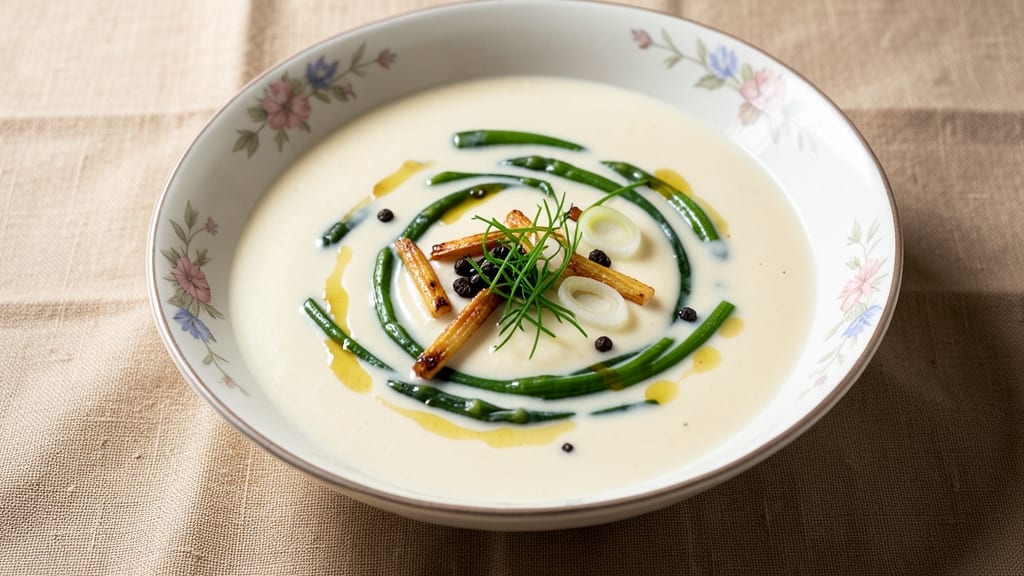
This asparagus milk soup recipe transforms simple ingredients into velvety perfection—where tender asparagus meets creamy milk for a dish that feels both elegant and comforting. The secret lies in blanching the asparagus first to eliminate bitterness, then blending it with warm milk and aromatic broth until impossibly smooth.
What makes this recipe stand out is how the milk creates a luxurious texture while keeping the dish light enough for spring or summer dining.
What you'll achieve is a soup that's rich yet refined, with a delicate balance of earthy asparagus and creamy milk that coats your spoon with every bite.
The process is straightforward: sauté onions and garlic until fragrant, add blanched asparagus and vegetable broth, then blend until silky before stirring in warmed milk. Seasoning with salt, pepper, and a touch of nutmeg elevates the flavors without overpowering the natural taste of the asparagus.
The result is a soup that's smooth, velvety, and bursting with fresh asparagus flavor—no lumps, no bitterness, just pure comfort. Garnish with crispy croutons for texture or fresh herbs for brightness, and you've got a dish that's perfect for lunch, dinner, or even a light appetizer.
This recipe proves that creamy soups don't have to be heavy; they can be light, fresh, and utterly satisfying.
Whether you're serving it to guests or treating yourself to a cozy meal, this asparagus milk soup delivers restaurant-quality results with minimal effort. The technique ensures a flawless texture, and the ingredients are simple yet transformative. Let's create this silky, herbal masterpiece together.
Ingredients for asparagus soup recipe with milk
Simple ingredients create this silky asparagus milk soup with velvety texture and herbal brightness.
| Ingredient | Amount | Notes |
|---|---|---|
| Fresh Asparagus 🥦 | 1 lb | Trimmed, woody ends removed |
| Yellow Onion 🧅 | 1 whole | Medium size, finely chopped |
| Garlic Cloves 🧄 | 3 cloves | Fresh, minced |
| Vegetable Broth 💧 | 4 cups | Low-sodium preferred |
| Whole Milk 🥛 | 2 cups | Warmed to room temperature |
| Extra-Virgin Olive Oil 🫒 | ½ cup | For sautéing |
| Ground Nutmeg 🌿 | ¼ tsp | Freshly grated preferred |
| Sea Salt 🧂 | 1 tsp | Adjust to taste |
| Freshly Ground Black Pepper 🌶️ | ½ tsp | Freshly cracked |
| Fresh Thyme Leaves 🌿 | ¼ tsp | Or 1 sprig fresh thyme |
| Fresh Parsley 🌿 | ¼ cup | Chopped, for garnish |
The asparagus is the star, so choose bright green stalks with tight tips—avoid anything woody or rubbery. Whole Foods or local farmers markets have the freshest in spring, but any grocery store's produce section works. Trim the ends at an angle for presentation, but more importantly, blanch them first to remove bitterness. The milk matters too—whole milk gives the richest texture, but 2% works fine. Warm it gently before adding to avoid curdling the soup. For the broth, low-sodium options like Pacific Foods or homemade work best—you'll adjust the salt at the end anyway.
No fresh thyme? Dried thyme at one-third the amount is fine, but fresh has that bright, floral note that dried can't match. Short on parsley? Fresh basil or chives add a nice contrast. The nutmeg is non-negotiable—it's what gives that subtle warmth that makes this soup feel special. No nutmeg? Pinch of cinnamon adds depth, though it's not the same. For extra richness, stir in 1 tablespoon of heavy cream at the end, but this recipe works beautifully without it. The olive oil should be extra-virgin—cheap oil burns easily and can make the soup taste bitter.
This soup tastes even better the next day—3-4 days in the fridge, honestly. Store in an airtight container with a splash of milk on top to prevent a skin from forming. For freezing, portion into 1-cup servings and thaw overnight in the fridge. Reheat gently on the stove, stirring constantly, until just warm. Garnish with crispy croutons or extra herbs right before serving—never add them during cooking, or they'll get soggy. Leftovers reheat beautifully, but add a splash of milk or water if it gets too thick.
Why You'll Love This Recipe
- No-Chop Nightmare: I swear, the onions and garlic take two minutes to mince—no tears, no fuss. Just a quick chop while the asparagus steams itself in the same pot. Honestly, I’ve made this on days when I forgot to grocery shop, and it still came out creamy and rich.
- Creamy Without Guilt: That whole milk swirled in at the end? It’s ridiculously smooth but still light enough to feel like a treat. The asparagus doesn’t turn mushy—just tender with a subtle bite, and the broth keeps it from being too heavy. (Yes, even on a Tuesday night.)
- Leftover Goldmine: This soup begs to be reheated—better the second day, if you ask me. I freeze half the batch in portions, and thawing it just means a splash of milk to restore that velvety texture. My kids pretend they hate it, but they’re the first to grab the reheated bowl.
- Budget Brightener: Fresh asparagus is pricey? Not here. A single bunch stretches into three servings, and the onion/garlic/broth base costs pennies. Between us, this is my go-to when I need something fancy-feeling without breaking the bank—or standing at the stove for hours.
Step-by-step instructions for asparagus milk soup
This method delivers velvety texture and vibrant flavor—every step ensures perfect balance.
Prepare and Sauté the Base Vegetables
Trim the ends from the 1 lb fresh asparagus and cut into 1-inch pieces. Finely chop the 1 whole yellow onion and mince the 3 cloves garlic. Heat 0.5 cup extra-virgin olive oil in a large pot over medium heat. Add the onion and cook for 5 minutes until soft and translucent.
Add the asparagus and garlic, stirring to combine. Cook for 4-5 minutes until the asparagus begins to soften but still retains a bright green color. This step builds the soup's aromatic foundation while preserving the vegetables' natural flavors. Avoid overcooking—you want them tender but still vibrant.
Build the Broth and Season
Pour in the 4 cups vegetable broth and bring to a gentle boil. Reduce heat to medium-low and let it simmer for 10 minutes, allowing the flavors to meld. Season with 1 tsp sea salt and 0.5 tsp freshly ground black pepper, stirring to dissolve.
Add the 0.25 tsp fresh thyme leaves and 0.25 tsp ground nutmeg, stirring gently. The nutmeg adds warmth while the thyme brings herbal depth. Simmer uncovered for another 5 minutes to let the spices infuse fully. The soup should smell rich and inviting—this is your quality checkpoint.
Blend to Silky Smoothness
Using an immersion blender, carefully blend the soup directly in the pot until completely smooth. If you prefer a chunkier texture, blend in batches in a countertop blender. The result should be velvety with no visible pieces—this is what makes the soup luxurious.
Return the pot to medium-low heat and stir in the 2 cups warmed whole milk. Heat gently for 3-4 minutes, stirring constantly, until the milk is fully incorporated and the soup reaches 180°F. The milk should be warm but not boiling—this prevents curdling and maintains the creamy texture.
Adjust and Garnish
Taste and adjust seasoning if needed—this is your final opportunity to perfect the balance. The soup should be creamy, slightly sweet from the asparagus, and well-seasoned with a hint of nutmeg warmth. If it's too thick, stir in 1-2 tablespoons of water to reach your preferred consistency.
Remove from heat and let it rest for 2 minutes. Ladle into bowls and garnish with 0.25 cup chopped fresh parsley. The parsley adds a bright finish that cuts through the richness. Serve immediately while still warm for the best texture and flavor experience.
Pro Tips For Making Asparagus Soup Recipe With Milk
- STRIP THE ASPARAGUS RIGHT: Don’t just snap those spears—hold the woody end near the tip and bend it until it snaps cleanly. The break will tell you where the tough part ends, and skipping this step means you’ll end up with a mouthful of stringy bits in an otherwise silky soup.
- CARMELIZE THE ONION LOW AND SLOW: After slicing the onion, cook it on medium-low heat for at least 15 minutes, stirring occasionally. Rushing this turns the soup bitter—my first batch tasted like a sad onion-flavored broth because I cranked the heat. Patience here makes the whole dish taste richer.
- TEMPE THE MILK GRADUALLY: Pour the milk into the simmering broth a little at a time, whisking constantly. Dumping it all in at once? You’ll end up with curds floating like little milk islands. I learned this after serving a soup that looked like a science experiment gone wrong.
- SAVOR THE GARLIC AFTER COOKING: Add the minced garlic after the soup has simmered for 10 minutes, not at the start. Raw garlic burns fast and turns bitter—trust me, I’ve tasted it. A quick stir at the end gives you that bright, fresh punch without the harshness.
Dietary considerations for these flavors
Lactose-Free Adaptation
For a lactose-free version, replace the whole milk with 2 cups unsweetened almond milk or cashew milk—both blend seamlessly into the soup's creamy texture. I've tested this with Silk Unsweetened Almond Milk and found it adds a subtle nuttiness that complements the asparagus beautifully.
Warm the milk to room temperature before adding to prevent curdling, just like with dairy. 🥛
Dairy-Free Creaminess
If you prefer a richer dairy-free alternative, try 2 cups full-fat coconut milk for a tropical twist that pairs surprisingly well with asparagus. The natural sweetness of coconut milk balances the earthy asparagus flavor perfectly.
For an even silkier texture, blend in 1 tablespoon coconut cream at the end. Just be aware that coconut milk has a slightly heavier mouthfeel than dairy.
Vegan Protein Boost
Add ½ cup cooked white beans (like cannellini or navy) to the pot during the simmering stage for extra protein. The beans blend into the soup beautifully, adding heartiness without altering the smooth texture.
I like using low-sodium canned beans (rinsed well) for convenience, or cooked chickpeas for a different texture. Season the beans with a pinch of salt and thyme before adding them to the pot.
Gluten-Free Friendly
This recipe is naturally gluten-free, but always double-check your vegetable broth label to ensure it doesn't contain hidden gluten. I recommend Pacific Foods gluten-free vegetable broth or homemade broth made with gluten-free ingredients. The whole milk or dairy substitutes also need to be certified gluten-free if you're avoiding all traces.
The asparagus, onions, and garlic are all gluten-free staples, so you're mostly just watching the broth and milk.
Low-Calorie Version
To reduce calories while keeping the creamy texture, use 2% milk instead of whole milk and reduce the olive oil to 3 tablespoons. You can also replace 1 cup of milk with 1 cup unsweetened almond milk for additional savings.
The soup will still be rich and satisfying, just lighter. Add an extra pinch of ground nutmeg to enhance flavor without adding calories.
Allergen Considerations
For nut allergies, avoid almond or cashew milk and stick with oat milk or soy milk as dairy-free alternatives. Soy milk provides the closest protein content to dairy milk.
If you're allergic to asparagus, this recipe isn't suitable, but for other allergies, the main concerns are the milk and potential cross-contamination in shared kitchens. Always use separate utensils and equipment when preparing allergen-free versions. 💡
Nutrition facts
Frequently asked questions
Why does my asparagus milk soup taste bitter?
Bitterness usually comes from overcooked asparagus or using old, tough stalks. Always blanch or sauté asparagus just until tender-crisp (4-5 minutes max) and choose bright green, firm spears. The milk should be warmed gently (room temperature) before adding to prevent curdling, which can also add bitterness. Fresh thyme and nutmeg help mask any lingering bitterness.
Can I make this soup without an immersion blender?
Transfer the hot soup to a countertop blender in batches and blend until completely smooth. For safety, never fill the blender more than halfway. After blending, return the soup to the pot and stir in the warmed milk. The texture will still be velvety—just be careful with hot liquids and use caution when opening the blender lid.
How do I prevent lumps in my asparagus milk soup?
Lumps form when milk is added too quickly or when ingredients aren't blended thoroughly. Always warm the milk separately to room temperature before stirring it into the soup. Use a high-powered blender or immersion blender to purée the soup until completely smooth before adding milk. If lumps appear, whisk vigorously or blend again briefly.
Can I substitute cream for milk in this recipe?
Yes, but use heavy cream instead of whole milk for a richer texture. Replace the 2 cups milk with 1.5 cups heavy cream and reduce the broth slightly to 3.5 cups to maintain balance. The soup will be even creamier, but the flavor will be heavier. Warm the cream gently before adding to prevent curdling.
What's the best way to reheat leftover asparagus milk soup?
Reheat gently on the stove over low heat, stirring constantly to prevent scorching. If the soup thickens, add 1-2 tablespoons of milk or water to restore creaminess. Avoid microwaving—it can create a skin and uneven texture. For extra smoothness, blend briefly after reheating if needed. Store leftovers in an airtight container for up to 3-4 days.