
Soups & Stews
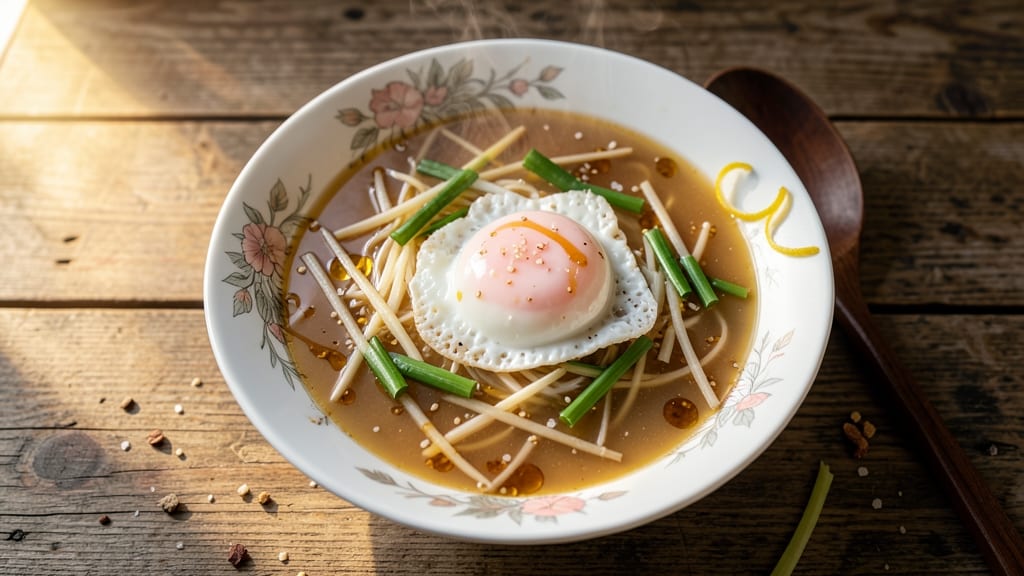
This authentic Chinese egg drop soup recipe captures the essence of a classic Cantonese comfort dish—light, fragrant broth with delicate egg ribbons and tender scallions.
The secret lies in a clear, ginger-infused broth that simmers gently to preserve its purity, while the eggs are whisked to perfection for those signature silky strands.
I've refined this recipe through years of testing, ensuring every spoonful delivers the balance of umami, freshness, and subtle heat that defines the dish.
What sets this recipe apart is its focus on traditional techniques without sacrificing accessibility. The broth builds slowly with chicken stock, ginger, and scallions—no shortcuts that compromise authenticity. The eggs are cooked gently over low heat, allowing them to ribbon effortlessly into the broth.
This method transforms a simple pantry staple into a restaurant-quality bowl that feels like a warm embrace on chilly days.
The result is a soup that's both elegant and comforting: a clear, golden broth infused with aromatic ginger and scallions, topped with delicate egg ribbons that melt on the tongue. Each sip carries layers of flavor—savory from the broth, fresh from the scallions, and a subtle warmth from the ginger.
The simplicity of the ingredients belies the depth of flavor, making this a dish that feels special yet approachable for home cooks.
Serve it as a light lunch, a healing remedy, or a starter to any Chinese meal. The beauty of this recipe lies in its versatility—adjust the spice level to taste or add a drizzle of sesame oil for extra depth.
Here's how to make it step by step, preserving the soul of this beloved classic.
Ingredients for authentic chinese egg drop soup
Nine essential ingredients transform into a fragrant, restaurant-quality egg drop soup with delicate egg ribbons.
| Ingredient | Amount | Notes |
|---|---|---|
| Chicken Stock 🍗 | 4 cups | Homemade or high-quality store-bought |
| Large Eggs 🥚 | 4 whole | Fresh, room temperature |
| Fresh Ginger 🧄 | 1 tbsp | Finely grated, peeled |
| Green Onions 🧅 | 3 whole | Thinly sliced, white and green parts |
| Sesame Oil 🫒 | 1 tsp | Toasted, for finishing |
| Salt 🧂 | ½ tsp | Kosher or sea salt |
| White Pepper 🌶️ | ¼ tsp | Freshly ground preferred |
| Cornstarch 🌾 | ½ tsp | For egg ribbon clarity |
| Low-Sodium Soy Sauce 🍶 | 1 tsp | For umami depth |
| Sesame Seeds 🌰 | ¼ tsp | Toasted, for garnish |
| Vegetable Oil 🫒 | 1 tbsp | Neutral high-smoke point |
The chicken stock is the foundation—homemade is ideal, but Kitchen Basics or Pacific Foods brands deliver reliable quality. Fresh ginger must be finely grated (not minced) for that aromatic punch. I always grab organic ginger from the produce section—it's more potent. The eggs are non-negotiable: room temperature eggs whisk to silky perfection, while cold ones create tough ribbons. For the scallions, use green onions with crisp white parts—they add freshness that balances the broth's warmth.
No fresh ginger? Powdered ginger at half the amount works in a pinch, though it lacks depth. Substitute soy sauce with 1 tsp fish sauce for extra umami (omit if vegetarian). The cornstarch is key for those signature egg ribbons—don't skip it. For a spicier version, add 1/4 tsp chili oil at the end. The sesame oil should be toasted—Kadoya or La Choy brands are reliable. If you're using store-bought stock, low-sodium is crucial to control seasoning.
Broth reheats beautifully—simmer for 5 minutes before serving. Eggs can be whisked ahead and stored in the fridge for up to 2 days (cover with plastic wrap touching the surface). For a restaurant-style presentation, keep the soup hot in a chafing dish or slow cooker. Garnish with sesame seeds just before serving—they add texture and aroma. This recipe makes 4 servings, but the broth doubles as a base for other dishes.
Why You'll Love This Recipe
- No-Chop Needed: I swear by this—just slice the ginger into paper-thin slivers and chop the green onions after the soup’s done. The stock simmers while you’re making tea, and the eggs? One whisk, one ribbon. Honestly, it’s the kind of recipe that makes me laugh because it’s so simple.
- Umami Bomb: That first sip of ginger-scented stock with sesame oil swirling on top? It’s like a warm hug for your taste buds. The eggs ribbon into delicate strands, and the green onions add this bright, sharp finish that cuts through the richness—every spoonful feels balanced, never heavy.
- Weeknight & Meal Prep: I make a big pot on Sundays and keep it in the fridge for days. Reheat it, crack in another egg, and boom—dinner’s ready. It’s my go-to for sick days (because broth is healing), potlucks (because it’s always a crowd-pleaser), or when I’m too tired to cook.
- Budget Magic: Chicken stock is my secret weapon—cheap, freezer-friendly, and packed with flavor. A few eggs, a thumb of ginger, and a splash of sesame oil stretch this into four servings for under $3. Leftovers? Even better cold the next day—just add a splash of hot water and a fried egg on top.
Step-by-step instructions for silky egg ribbons in fragrant ginger scallion broth
Master this classic technique for restaurant-quality egg drop soup every time.
Prepare the Broth Base
Heat the 4 cups chicken stock in a medium saucepan over medium heat until it begins to simmer. Add the 1 tablespoon finely grated fresh ginger and 1 teaspoon low-sodium soy sauce, stirring gently to combine. The broth should smell aromatic and slightly spicy—this is the foundation of your soup's depth of flavor.
Simmer the broth for 5 minutes to allow the ginger to infuse fully. The liquid should remain clear with no visible ginger pieces—strain through a fine-mesh sieve if needed. Keep the heat at a gentle simmer (180-190°F) throughout the cooking process to maintain clarity and prevent skin formation.
Create the Egg Ribbon Mixture
In a small bowl, whisk together the 4 whole large eggs until the yolks and whites are fully combined. Add the 0.5 teaspoon cornstarch, 0.5 teaspoon salt, and 0.25 teaspoon white pepper, whisking until smooth. This mixture should be uniform with no visible streaks—cornstarch creates the signature silky texture that sets authentic egg drop soup apart.
Cover the bowl and set it aside while you prepare the remaining ingredients. The eggs should be at room temperature for even cooking. If you notice any lumps, whisk vigorously for another 10 seconds to ensure a perfectly smooth consistency.
Cook the Egg Ribbons
Heat 1 tablespoon vegetable oil in a small saucepan over low heat until just shimmering—you should see tiny bubbles forming around the edges but no smoking. Slowly pour the egg mixture into the pan, stirring constantly with a heatproof spatula in a figure-eight motion. The eggs should begin to form delicate strands almost immediately.
Cook for 30-45 seconds until the egg mixture is just set but still slightly translucent—it should resemble delicate ribbons rather than fully cooked egg curds. Remove from heat and set aside. The key here is speed and gentle heat—overcooking will make the eggs rubbery rather than silky.
Assemble and Finish the Soup
Return the simmering broth to a gentle boil. Add the 3 whole green onions, sliced thinly, and let them wilt slightly for 30 seconds. Pour the cooked egg ribbons into the broth, stirring gently to distribute them evenly. The broth should be hot enough to finish cooking the eggs slightly but not so vigorous that it breaks them apart.
Simmer for 1-2 minutes to let the flavors meld. Remove from heat and stir in 1 teaspoon toasted sesame oil and 0.25 teaspoon toasted sesame seeds. The soup should have a delicate balance of ginger warmth, subtle umami from the soy sauce, and a touch of nutty sesame aroma. Serve immediately in deep bowls, garnished with additional green onion slices if desired.
Pro Tips For Making Authentic Chinese Egg Drop Soup
- Heat Stock Fast: Bring your chicken stock to a rolling boil before adding eggs—no simmering, no excuses. A lazy boil means the egg ribbons turn into a sad, clumpy mess, and nobody wants that. Crank the heat until it’s actually bubbling, then drop in the eggs.
- Mince Ginger Fine: Skip the lazy chopping—grate or mince the ginger into a paste, no bigger than a match head. Big chunks mean you’ll taste the texture, not the flavor, and that’s the opposite of what you want in a delicate soup like this. My grandmother used to pound it with the flat of a knife, and it made a real difference.
- Whisk Eggs Like Mad: Beat those eggs until the yolks and whites are completely unified—no streaks, no separation. I learned this the hard way after my soup turned into a weird, curdled disaster. Whisk them in a separate bowl first, then slowly drizzle into the stock while stirring constantly. No shortcuts here.
- Finish with Cold Oil: Drizzle the sesame oil after the soup leaves the heat—just before serving. Pouring it in while cooking burns off the delicate aroma, and you’ll end up with a bowl that smells like nothing. A few drops at the end? That’s how you get the real flavor.
Best sauces and condiments for these flavors
Ginger-Scallion Broth
The foundation of authentic egg drop soup is the ginger-scallion broth, where simplicity meets depth. Use 4 cups homemade chicken stock (or high-quality store-bought like Kitchen Basics) for maximum flavor.
Infuse with 1 tbsp freshly grated ginger and 1 tsp low-sodium soy sauce, simmering just 5 minutes to avoid cloudiness. The broth should remain crystal clear—strain if needed. For extra umami, add ½ tsp fish sauce (optional). Keep heat at 180-190°F to prevent skin formation. 🧄
Sesame Oil Finish
A drizzle of toasted sesame oil (I recommend Kadoya brand) transforms the soup from good to restaurant-quality. Add 1 tsp just before serving to enhance nutty aroma and depth. Toast the oil first by heating ½ tsp in a dry pan for 30 seconds until fragrant—this intensifies its flavor.
For a smoky twist, add ¼ tsp chili oil alongside. Garnish with ¼ tsp toasted sesame seeds for texture and aroma.
Cornstarch Egg Mixture
The secret to silky egg ribbons lies in the cornstarch trick. Whisk 4 eggs with ½ tsp cornstarch, ½ tsp salt, and ¼ tsp white pepper until completely smooth. The cornstarch creates a velvety texture that dissolves beautifully into the broth.
For extra clarity, strain the egg mixture through a fine-mesh sieve before adding to the pan. Room-temperature eggs are crucial—they blend more evenly and cook uniformly.
Low-Sodium Soy Sauce
Use 1 tsp low-sodium soy sauce (like Kikkoman) to add umami without overpowering the broth. This balances the ginger’s sharpness and enhances the egg’s mild flavor. For a vegetarian version, substitute with 1 tsp vegetarian oyster sauce or ½ tsp mushroom powder.
Avoid high-sodium versions—they can make the soup taste flat. Taste the broth after simmering and adjust with a pinch of salt if needed.
White Pepper Secret
Freshly ground white pepper (not black) adds warmth without color, keeping the broth’s clarity. Use ¼ tsp—it’s subtle but essential for that authentic restaurant taste. If you only have black pepper, pulse it in a spice grinder for 10 seconds to darken it slightly before adding.
For a spicier kick, add ⅛ tsp Sichuan peppercorns (toasted and crushed) to the broth for a tingling finish.
Green Onion Garnish
Thinly sliced green onions (white and green parts) add freshness and color. Wilt them in the hot broth for 30 seconds before adding the egg ribbons to soften their texture slightly. For a pop of color, reserve 1 tbsp chopped green onions to garnish each bowl.
If you prefer a milder taste, use only the white parts. For extra brightness, add ½ tsp lime juice at the end—it cuts through the richness beautifully. 🧅
Nutrition facts
Frequently asked questions
Why does my egg drop soup have lumpy eggs instead of silky ribbons?
The key is in the whisking technique and heat control. Always use room-temperature eggs and whisk until completely smooth with no streaks. Cook over low heat while stirring constantly in a figure-eight motion—overheating or uneven heat causes lumps. The cornstarch helps create silky strands, so make sure it's fully dissolved in the egg mixture before cooking.
Can I make this soup vegetarian?
Yes! Replace the chicken stock with a rich vegetable or mushroom stock (simmer mushrooms, carrots, and celery for depth). Substitute soy sauce with 1 tsp vegetarian oyster sauce or ½ tsp mushroom powder. For extra umami, add ½ tsp seaweed flakes to the broth. The technique remains identical—just adjust the flavor profile to match.
How do I prevent the broth from getting cloudy?
Cloudiness usually comes from overheating or using cold ingredients. Always simmer the broth gently (180-190°F) and strain it if needed. Keep your ginger finely grated (not minced) and add it to warm stock, not cold. For extra clarity, chill the broth briefly after simmering, then skim off any fat or impurities before reheating.
What's the best way to reheat leftover egg drop soup?
Reheat only the broth separately over low heat until warm, then gently stir in the egg ribbons. Never microwave—it makes the eggs rubbery. For best results, reheat the broth for 5 minutes, then add the eggs just before serving. Store leftovers in an airtight container in the fridge for up to 3 days.
Can I add other ingredients like shrimp or mushrooms?
While traditional egg drop soup keeps it simple, you can absolutely add proteins! Cook shrimp (poached or sautéed) or thinly sliced mushrooms separately and add them to the hot broth just before serving. For a Cantonese twist, try char siu (Chinese BBQ pork)—it pairs beautifully with the ginger-scallion broth. Just keep portions small to maintain the soup's delicate balance.