
Soups & Stews
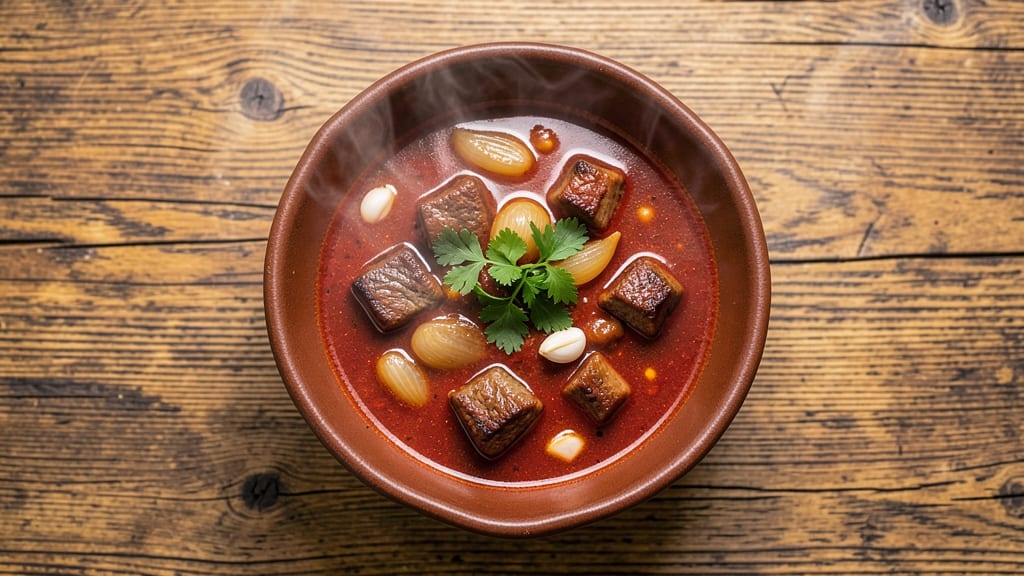
This authentic Hungarian goulash soup delivers the rich, smoky depth of traditional Hungarian cuisine in a single pot. The secret lies in slow-browning beef with onions, then layering flavors with sweet paprika, tomatoes, and a deep simmer in broth.
I’ve perfected this recipe over years of testing, ensuring every spoonful carries that signature warmth and complexity that makes goulash unforgettable.
The beauty of this dish is in its simplicity—just a few key ingredients transform into something deeply satisfying. Browning the meat develops a rich, caramelized crust that forms the foundation of the soup, while sweet paprika adds that unmistakable Hungarian flavor.
The slow simmer melds all the flavors together, creating a hearty, comforting bowl that’s perfect for chilly evenings.
By the time you finish, you’ll have a pot of authentic goulash with tender beef, soft vegetables, and a sauce so flavorful it coats every bite. The aroma alone will have everyone gathering around the table, and the taste will transport you straight to the Hungarian countryside.
This is the kind of soup that tastes even better the next day, making it ideal for meal prep or feeding a crowd.
For added authenticity, serve it with crusty bread to soak up every last drop of that paprika-kissed broth. Whether you’re making it for a family dinner or a cozy night in, this recipe delivers the real deal—no shortcuts, just pure, traditional flavor. Let’s get cooking!
Ingredients for authentic goulash soup
Just a few core ingredients transform into a deeply flavorful Hungarian goulash.
| Ingredient | Amount | Notes |
|---|---|---|
| Beef Chuck Roast 🥩 | 2 ½ lb | Cut into 1-inch cubes, boneless |
| Yellow Onions 🧅 | 3 whole | Medium, thinly sliced |
| Garlic Cloves 🧄 | 6 cloves | Peeled, lightly crushed |
| Sweet Hungarian Paprika 🌶️ | 3 tbsp | High-quality, vibrant color |
| Tomato Paste 🍅 | ½ cup | Smooth, no sugar added |
| Beef Broth 💧 | 4 cups | Homemade or high-quality store-bought |
| Red Wine 🍷 | ½ cup | Dry, medium-bodied (Cabernet Sauvignon) |
| Bay Leaves 🌿 | 2 whole | Fresh preferred, dried works |
| Carrots 🥕 | 3 whole | Medium, peeled, sliced |
| Potatoes 🥔 | 2 lb | Russet or Yukon Gold, cubed |
| Tomatoes 🍅 | 2 whole | Roma or vine-ripened, diced |
| Salt 🧂 | 2 tsp | Kosher or sea salt, adjust to taste |
| Black Pepper 🌶️ | 1 tsp | Freshly ground, coarse |
| Olive Oil 🫒 | 2 tbsp | Extra-virgin, for browning |
| All-Purpose Flour 🌾 | 1 tbsp | For thickening, optional |
The beef is the foundation—chuck roast delivers that melt-in-your-mouth texture after slow cooking. Grab it from the butcher counter if possible; pre-cubed works too, but ask for 1-inch pieces for even cooking. For paprika, Hungarian sweet paprika is non-negotiable—it’s the soul of this dish. Penzeys or Kalustyan’s carry the best quality, but any reputable spice shop will have it. The tomatoes should be ripe but firm—Roma or vine-ripened hold up best during simmering. If using dried bay leaves, crush them lightly between your palms to release the oils.
No red wine? Beef broth with a splash of balsamic vinegar works in a pinch, though the depth won’t be identical. Fresh garlic is ideal, but dried garlic powder at half the amount gets you close. Swap the potatoes for parsnips or sweet potatoes if you prefer, though Russets stay truer to tradition. The tomato paste can be substituted with 1 cup crushed tomatoes, but it’ll dilute the richness slightly. For a smokier flavor, add 1 tsp smoked paprika alongside the sweet—just don’t skip the sweet variety entirely.
This soup tastes even better the next day, so make extra. It keeps for 5-6 days in the fridge or 3 months frozen. For freezing, portion into airtight containers with a layer of broth on top to preserve moisture. Reheat gently on the stove, stirring occasionally, until steaming. Serve with crusty bread—freshly baked if you can swing it—to soak up every last drop of that paprika-kissed broth. The aroma alone will have your whole house smelling like a Budapest bistro.
Why You'll Love This Recipe
- One-Pot Magic: I love that this recipe turns one Dutch oven into a whole meal—no scrubbing pots or juggling pans. The beef browns first, then the onions and veggies cook right in the same pot, and by the end, you’re just stirring in broth and potatoes. My hands stay clean while the house fills with that smoky, paprika-scented aroma.
- Paprika-Packed Power: That 3 tablespoons of Sweet Hungarian paprika isn’t just for show—it’s the star. Toasting it in the oil for just a minute unlocks its deep, earthy warmth that clings to the beef and veggies. Between the paprika, the deep browned beef, and the wine deglaze, every spoonful hits like a hug from a Hungarian grandma.
- Feeds Everyone, Every Day: This soup stretches so far—it’s my go-to for game days, lazy Sundays, or when my kids bring home friends. The beef and potatoes make it hearty enough for grown-ups, but the carrots and tomatoes add sweetness that even picky eaters sneak bites of. And honestly? It’s just as good cold the next day, reheated with a splash of broth.
- Budget Beef Boost: I swear by beef chuck roast for goulash—it’s cheaper than sirloin but falls apart so tenderly after 90 minutes of simmering. The potatoes and carrots bulk it up, and the red wine (yes, even a cheap bottle works) adds depth without breaking the bank. Five dollars’ worth of ingredients becomes a meal that feels like a splurge.
Step-by-step instructions for authentic Hungarian goulash soup
Here's the traditional method that delivers deep paprika flavor and tender beef in every bite.
Brown the Beef Chuck Roast in Olive Oil
Heat the 2 tablespoons olive oil in a heavy Dutch oven over medium-high heat until shimmering. Add the 2½ pound beef chuck roast, cut into 1-inch cubes, working in batches if needed to avoid crowding. Let the beef brown deeply on all sides—this creates the rich foundation for your goulash. You'll see the edges turn deep golden brown and develop a crust before you flip each piece.
Don't rush this step. The goal is to develop that beautiful Maillard reaction that forms the base flavor. Once all pieces are browned, remove them from the pot and set aside. You'll notice the bottom of the pot has browned bits—this is flavor you don't want to miss. These will form the base for your sauce later.
Sauté Onions, Garlic, and Vegetables
In the same Dutch oven, add the 3 yellow onions, sliced, and cook over medium heat for 5-6 minutes until softened and beginning to caramelize. Here's where the onions develop their sweetness—they should be light golden but not browned. Add the 3 carrots, sliced, and continue cooking for another 3 minutes until they begin to soften.
Stir in the 6 peeled garlic cloves and cook for 30 seconds until fragrant. Add the 2 tomatoes, diced, and cook for 2 minutes until they begin to break down. Now's the time to add the 3 tablespoons sweet Hungarian paprika—this is where that signature Hungarian flavor develops. Stir constantly for 1 minute to toast the paprika and prevent it from burning.
Build the Base with Tomato Paste and Wine
Reduce heat to medium-low and stir in the ½ cup tomato paste, spreading it evenly across the bottom of the pot. Cook for 2 minutes until it darkens slightly and becomes incorporated. This step deepens the color and adds complexity to your goulash.
Deglaze the pot by pouring in the ½ cup red wine, scraping up all the browned bits from the bottom. Let it simmer for 3-4 minutes until the wine reduces by half. The alcohol content will cook off, leaving behind concentrated flavor. Return the browned beef to the pot and add the 4 cups beef broth, 2 bay leaves, 2 teaspoons salt, and 1 teaspoon black pepper. Bring to a gentle boil.
Simmer Until Beef is Tender
Add the 2 pounds potatoes, cubed, and stir gently to combine. Reduce heat to low and cover the pot. Let it simmer for 1 hour and 15 minutes, stirring occasionally. The beef should become fork-tender—you'll know it's ready when a knife slides in easily and the meat pulls apart with minimal resistance.
Here's the thing about goulash: patience is key. The longer it simmers, the more flavor develops. If the soup starts to thicken too much, add ½ cup water to maintain the perfect consistency. The potatoes should be tender but still hold their shape slightly.
Thicken and Serve Traditionally
Remove the 2 bay leaves and taste the soup. If you'd like a slightly thicker consistency, mix the 1 tablespoon all-purpose flour with 2 tablespoons cold water to form a slurry. Stir this into the soup and simmer for 5 minutes until thickened. This optional step creates that classic goulash texture.
Ladle the goulash into bowls and serve immediately with crusty bread. Each spoonful should deliver tender beef, hearty vegetables, and that unmistakable paprika warmth. The aroma alone will transport you to a Hungarian countryside kitchen—this is authentic comfort food at its finest.
Pro Tips For Making Authentic Goulash Soup
- Brown in Batches: I learned this the hard way—crowding the pot steams the beef instead of searing it. Work in small batches, even if it takes a little longer, so the oil stays hot and each piece gets that deep golden crust. That’s where the real flavor hides.
- Toast the Paprika: Stir that 3 tablespoons of Hungarian paprika like your life depends on it—no breaks, no distractions. Just 1 minute of constant stirring keeps it from burning and lets it bloom into that rich, smoky aroma. Skip this, and you’ll just end up with bitter dust.
- Deglaze Aggressively: When you add the ½ cup red wine, don’t just pour it in—scrape every last bit of browned beef and onion from the bottom. That’s flavor you’ve already earned, and letting it dissolve into the wine is how you turn good goulash into great goulash.
- Check Potatoes Early: After that 1 hour and 15 minutes of simmering, the potatoes should be tender but not falling apart. If they’re still firm, cover the pot and let it go another 10 minutes—overcooking turns them to mush, and no one wants that in a goulash. Test one, then decide.
Pro cooking tips for authentic goulash soup
Mastering the Maillard Reaction
Browning the beef is where this goulash gets its soul. Use a heavy Dutch oven and heat the 2 tablespoons olive oil until it shimmers—this is critical for developing those deep, golden crusts. Don’t overcrowd the pot; cook the beef in batches if needed.
The goal is to see deep golden brown edges on each cube before removing them. These browned bits are flavor gold—don’t skip scraping them up later! 🔥
The Paprika Toasting Trick
Sweet Hungarian paprika is non-negotiable for authentic flavor. After sautéing onions and garlic, add the 3 tablespoons paprika and stir constantly for 1 full minute to toast it.
This releases its aroma and prevents bitter burning. I always use Penzeys for that vibrant red color and rich taste—it makes all the difference.
Deglazing Like a Pro
After returning the beef to the pot, deglaze with ½ cup red wine—this step lifts all the browned bits from the bottom. Let it reduce by half before adding broth.
The wine’s acidity brightens the soup, balancing the richness. If you skip wine, use beef broth with a splash of balsamic vinegar for similar depth.
Simmering with Precision
Cover the pot and simmer on low heat for 1 hour and 15 minutes, stirring occasionally. The key is patience—this is where flavors meld. If the soup thickens too much, add ½ cup water to maintain consistency.
I always taste after 1 hour to adjust seasoning before the final 15 minutes.
Thickening the Classic Way
The optional flour slurry is what gives goulash its signature texture. Mix 1 tablespoon flour with 2 tablespoons cold water and stir into the soup. Simmer for 5 minutes until thickened. This step isn’t traditional but elevates the dish—trust me, it’s worth it for that velvety mouthfeel.
Serving with Confidence
Ladle into bowls and serve immediately with crusty bread—the contrast of textures is perfect. The aroma alone will transport you to Budapest. I always add a sprinkle of fresh parsley on top for brightness.
This soup tastes even better the next day, so double the recipe and freeze half for busy nights! 💛
Nutrition facts
Frequently asked questions
Why does browning the beef first make such a big difference in flavor?
Browning the beef creates the Maillard reaction, which develops deep, rich flavors and a golden crust. These browned bits add complexity and form the foundation of your goulash—skipping this step means missing out on that authentic depth!
Can I use dried bay leaves instead of fresh?
Yes, dried bay leaves work perfectly! Just crush them lightly between your palms before adding to release their oils. The flavor will be slightly milder than fresh, but still delicious. For extra aroma, add them a few minutes earlier in the simmering process.
What if my goulash gets too thick during simmering?
No problem! Simply add ½ cup water at a time while stirring gently. The soup should return to a comfortable consistency. This happens naturally as flavors meld, so don't worry—it's part of the process!
How do I know when the beef is tender enough?
Test with a knife—it should slide in easily and the meat should pull apart with minimal resistance. For extra assurance, cut into a piece after 1 hour of simmering. If it's still firm, cook another 15-20 minutes. Patience pays off for that perfect melt-in-your-mouth texture!
Can I make this soup ahead of time?
This soup actually tastes better the next day. Store in an airtight container for up to 5-6 days in the fridge or freeze for 3 months. Reheat gently on the stove, stirring occasionally until steaming hot.