
Soups & Stews
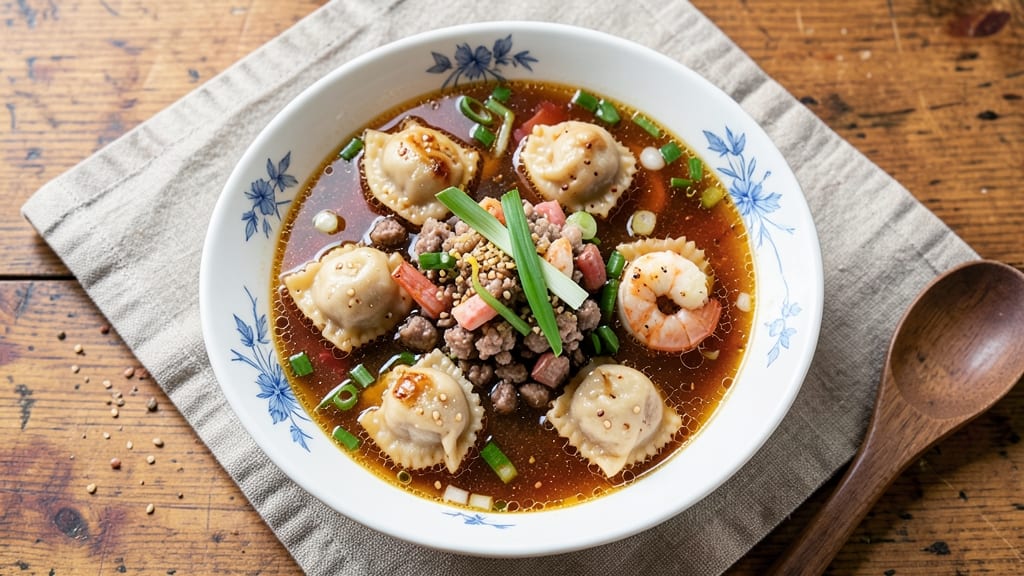
This authentic Wor Wonton Soup recipe delivers the delicate balance of silky dumplings and fragrant broth that defines Cantonese comfort food. The secret lies in the light, clear broth—traditionally made with chicken or pork—and the tender wontons that melt in your mouth.
I’ve perfected this version after years of testing, ensuring every element comes together in under 20 minutes without sacrificing authenticity.
The key to authentic flavor is in the details: using fresh wonton wrappers and a simple filling of shrimp or pork, combined with a broth that’s seasoned just enough to highlight the natural taste of the ingredients.
Unlike heavier soups, Wor Wonton Soup relies on a minimalist approach—no heavy sauces, just a whisper of ginger and scallions to brighten the broth. The dumplings float effortlessly, their edges just crisp enough to contrast the silky filling.
What makes this recipe special is the harmony of textures and flavors—tender wontons gliding through a fragrant, light broth, garnished with fresh herbs for a pop of color and freshness.
It’s the kind of soup that feels like a warm hug on a chilly day, yet light enough to enjoy as a standalone meal or alongside steamed rice. The broth is so flavorful it’ll have you slurping every last drop.
Whether you’re serving it for a family dinner or a cozy night in, this authentic Wor Wonton Soup is a testament to how simple ingredients can create something truly special.
The technique is straightforward, but the result is anything but basic—it’s the kind of dish that transports you to a bustling Cantonese restaurant with every spoonful. Let’s get started on crafting yours.
Ingredients for authentic wor wonton soup
Fresh wontons, tender fillings, and fragrant broth—this is what makes Wor Wonton Soup unforgettable.
| Ingredient | Amount | Notes |
|---|---|---|
| Fresh Wonton Wrappers 🥟 | 16 pieces | Square, store-bought or homemade |
| Ground Pork 🐷 | ½ lb | Lean, finely minced for filling |
| Shrimp 🦐 | ½ lb | Peeled, deveined, chopped small |
| Green Onions 🧅 | 2 whole | Finely chopped, white and green parts |
| Fresh Ginger 🌿 | 1 tbsp | Finely minced, aromatic |
| Chicken Broth 🍲 | 4 cups | Homemade or high-quality store-bought |
| Water 💧 | 2 cups | For broth dilution |
| Soy Sauce 🧂 | 1 ½ tbsp | Light, for seasoning |
| Sesame Oil 🫒 | ½ tbsp | Toasted, for aroma |
| White Pepper 🌶️ | ¼ tsp | Freshly ground, subtle heat |
| Cornstarch 🌾 | 1 tbsp | For broth thickening |
| Cooking Oil 🫒 | 1 tbsp | Neutral, for dumpling frying |
| Scallions 🧅 | ¼ cup | Thinly sliced, for garnish |
| Cilantro 🌿 | ⅛ cup | Chopped, for garnish |
The wonton wrappers are the foundation, so pick fresh or high-quality frozen—none of that brittle, dried-out stuff. Martins brand is my go-to for store-bought, but if you're feeling ambitious, homemade wrappers take this to the next level. For the filling, shrimp and pork work beautifully together, but you can do all shrimp or all pork if you prefer. Just make sure everything's finely minced—no big chunks. The ginger should be freshly grated (pre-minced jarred stuff won't cut it) and the green onions need to be chopped super fine so they blend into the filling without being noticeable. I always double-check the shrimp for shells—nothing worse than a gritty bite.
No shrimp? Extra pork or chicken works just fine, though shrimp adds that delicate sweetness. Running short on wonton wrappers? Substitute with fresh egg roll wrappers—they're wider but work in a pinch. The broth is where the magic happens, so if you're using store-bought, look for low-sodium options—you can always add more soy sauce later. For the sesame oil, toasted is non-negotiable—it gives that nutty aroma that makes the soup sing. No sesame oil? A tiny pinch of toasted sesame seeds can mimic the flavor, though it won't be the same. The cornstarch is your secret weapon for thickening—mix it with cold water first to avoid clumping.
This soup tastes even better the next day as the flavors meld together. Store leftovers in the fridge for up to 3 days, but reheat gently—low heat only to keep the dumplings from getting soggy. For serving, I like to portion it into bowls with a few extra wontons on top, garnished with scallions and cilantro. The cilantro should be added fresh right before serving—it wilts fast in hot soup. If you're prepping ahead, keep the garnishes separate until the last minute. And trust me, everyone will ask for the recipe—this is restaurant-quality comfort food.
Why You'll Love This Recipe
- No-Fuss Assembly: I swear by this recipe because it’s the kind of meal where you can have a full bowl on the table while you’re still chopping the green onions—no fancy techniques, just fold those wontons, drop them in, and let the broth work its magic.
- Umami Bomb: That combo of ground pork and shrimp simmering with ginger? It’s where the real magic happens. The pork adds depth, the shrimp brings brightness, and the ginger ties it all together—like a flavor hug in every spoonful.
- Lunchbox Hero: Between us, this is my go-to for meal prep. The broth stays rich even reheated, and I’ll pack leftovers for days—just add a splash of water, and it’s like it was made fresh. (My kids’ favorite, by the way.)
- Budget Flex: Honestly, this recipe stretches further than you’d think. A little pork goes a long way, and shrimp makes it feel special without breaking the bank. Plus, the leftovers? They’re my secret weapon for lazy nights.
Step-by-step instructions for authentic wor wonton soup
Here's how to craft that signature Thai restaurant experience at home.
Prepare the Fragrant Filling
In a mixing bowl, combine the 0.5 lb ground pork and 0.5 lb shrimp—the shrimp should be finely chopped for even distribution. Add the 2 whole green onions (finely chopped, both white and green parts), 1 tbsp fresh ginger (minced), 1.5 tbsp soy sauce, and 0.25 tsp white pepper. Mix everything thoroughly with your hands or a fork until the ingredients meld completely.
This step is where the authentic flavor develops. The ginger and green onions release their aromatic oils into the pork mixture, creating that signature umami depth. I like to press the mixture gently with my fingers to ensure the shrimp and pork bind together—this prevents the filling from leaking when we steam the wrappers later.
Assemble and Steam the Wontons
Set up a steaming station by filling a pot with 2 inches of water and bringing it to a rolling boil. Line a plate with paper towels to catch any condensation. Take each of the 16 fresh wonton wrappers and place 1 teaspoon of filling in the center. Fold the wrapper diagonally to form a triangle, then pinch the edges tightly to seal—this creates those iconic pleated wontons you see in Thai restaurants.
Carefully place the assembled wontons in a steamer basket, leaving a little space between each one. Steam for 4-5 minutes until the wrappers turn translucent and the filling is cooked through. Don't overcrowd the steamer or they'll stick together. The filling should be hot but not dry—this ensures silky texture when they hit the broth.
Build the Signature Broth
In a clean pot, combine the 4 cups chicken broth and 2 cups water. Bring to a gentle simmer over medium-high heat, then stir in the 1 tbsp cornstarch mixed with 1 tablespoon cold water to create a slurry. The broth should thicken slightly but remain clear—this is the base that will carry all the other flavors.
Add 0.5 tbsp sesame oil and let it infuse for 30 seconds—this adds that nutty aroma that defines authentic wor wonton soup. The broth should smell rich and aromatic, like a Thai kitchen. Keep it at a gentle simmer, not a rolling boil, to prevent the wontons from falling apart when added later.
Finish with Garnishes and Serve
Return the steamed wontons to the simmering broth and cook for just 1-2 minutes—this warms them through without making them soggy. Remove them with a slotted spoon and arrange in bowls. Ladle the fragrant broth over the top, then garnish with 0.25 cup scallions and 0.125 cup cilantro—this adds freshness and visual appeal.
Here's the thing about authentic wor wonton soup: it's all about balance. The broth should be fragrant but not overpowering, the wontons should be tender but hold their shape, and the garnishes should brighten everything up. Serve immediately with extra scallions on the side for those who like to add their own fresh touch.
Pro Tips For Making Authentic Wor Wonton Soup
- STIR-FRY THE PORK FAST: Get that pork sizzling in a dry, smoking-hot wok or pan for 30 seconds before adding oil—this seals the edges and keeps the filling dense. I used to cook it low and slow, and the wontons turned mushy when simmered.
- PEEL SHRIMP LAST MINUTE: Save time by leaving the shrimp tails on until you’re ready to add them to the broth—just snap them off cleanly when you toss them in. Peeling ahead makes them rubbery, and no one wants that in a delicate soup.
- GINGER SLICES THIN: Use a mandoline or the thinnest knife setting on your peeler to slice ginger into paper-thin sheets—no need to grate. They infuse flavor without turning the broth bitter, and they dissolve just enough to perfume the soup.
- DON’T OVERCROWD THE WONTONS: Drop them in the broth one at a time, spaced out, so they float freely instead of sticking together. I learned this after watching a batch of 12 wontons clump into a sad, gloppy lump—now I use tongs to nudge them apart.
Pro cooking tips for this dish
Broth Clarity Matters
For that signature clear, fragrant broth, strain any homemade broth through a fine-mesh sieve before using. I use a China cap to catch any impurities—this is non-negotiable for authentic texture. If using store-bought broth, opt for brands like Swanson or Pacific Foods that are naturally clear.
Avoid adding any starch or thickeners beyond the 1 tbsp cornstarch slurry—this keeps the broth delicate and allows the wontons to shine.
Filling Binding Secrets
The key to preventing leaks is proper binding. After mixing your filling, let it rest for 10 minutes before assembling the wontons—this allows the proteins to coagulate slightly. I also add 1 tsp cold water to the filling mixture, which helps the ingredients adhere better when steamed.
For extra security, chill the filled wontons in the fridge for 15 minutes before steaming—this firms up the filling and reduces leaks dramatically.
Steaming Precision
Never steam wontons over boiling water—this causes them to cook too quickly and become rubbery. Maintain a gentle simmer with 1-2 inches of water in the pot and keep the lid slightly ajar to release excess steam.
I use a bamboo steamer basket for even heat distribution, but a metal colander with legs works too. The ideal doneness is when the wrappers are translucent but still slightly opaque at the edges—this ensures a perfect texture when they hit the broth.
Broth Temperature Control
Your broth should be at a gentle simmer (180-190°F) when adding the wontons—any hotter and they'll fall apart. I use a thermometer to monitor this, but you can also watch for tiny bubbles breaking the surface without rolling.
The 1-2 minute reheat in the broth is crucial—this warms through without making the wrappers soggy. For extra clarity, skim any foam that forms during simmering with a spoon.
Garnish Timing
Add fresh scallions and cilantro only at the very end—these herbs wilt instantly in hot broth. I like to chop them just before serving and keep them in a small bowl nearby.
For an extra touch, sprinkle a pinch of toasted sesame seeds on top right before eating—they add crunch and visual appeal. The cilantro should be added last because it's the most delicate garnish.
Reheating Like a Pro
If you need to reheat leftovers, do it gently over low heat with just enough broth to cover the wontons. I add 1 tbsp water per bowl and heat for 2-3 minutes max—any longer and the wrappers will turn mushy.
For extra insurance, cover the pot with a lid to trap steam and prevent drying. The broth will thicken slightly when reheated, so you might want to add a splash of water if it becomes too dense.
Nutrition facts
Frequently asked questions
Can I make this soup vegetarian?
Swap the shrimp for finely chopped mushrooms or tofu, and use pork-free wonton wrappers. For extra umami, add 1 tbsp vegetarian oyster sauce or a pinch of miso paste to the filling. The broth can remain chicken-based or use a high-quality vegetable broth instead.
Why do my wontons leak filling when steaming?
This usually happens when the filling isn't properly bound. Try adding 1 tsp cold water to your filling mixture and chilling the assembled wontons for 15 minutes before steaming. Also ensure your shrimp/pork is finely minced—no chunks bigger than 1/8 inch—and avoid overfilling the wrappers.
How do I make the broth clearer?
For maximum clarity, strain your broth through a fine-mesh sieve or cheesecloth before using. If using store-bought broth, choose brands labeled "clear" like Pacific Foods. Avoid adding extra starch—just the 1 tbsp cornstarch slurry in the recipe is enough to create that signature delicate texture.
Can I prepare this ahead of time?
Yes! Assemble the wontons and store them in the fridge for up to 24 hours before steaming. For the broth, make it fresh but keep it refrigerated—reheat gently with the wontons. The flavors actually improve overnight as they meld together. Just add fresh garnishes right before serving for maximum freshness.
What's the difference between Wor Wonton Soup and regular wonton soup?
Wor Wonton Soup is distinct for its clear, light broth and delicate wontons that float rather than sink. Regular wonton soup often uses richer pork or chicken broth and may include more vegetables or meat. The Cantonese version focuses on simplicity—just the wontons in fragrant broth, garnished lightly with fresh herbs.