
Soups & Stews
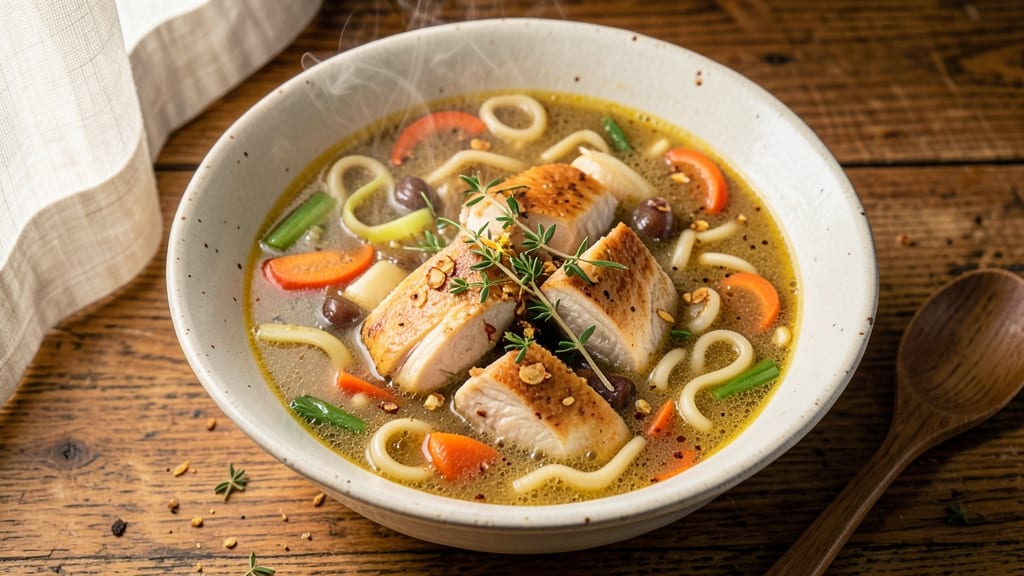
This Babish chicken noodle soup recipe delivers the ultimate comfort in a bowl—rich, aromatic broth, perfectly poached chicken, and tender noodles that come together in a symphony of savory flavors.
The secret lies in slow-simmered vegetables and herbs that infuse the broth with depth, while the chicken stays fork-tender and juicy. I’ve perfected this version over years of testing, ensuring every spoonful feels like a warm embrace on a chilly day.
The foundation of great soup begins with the broth, where onions, carrots, and celery form the classic mirepoix base. Simmering these aromatics with garlic and thyme unlocks layers of flavor that transform simple ingredients into something extraordinary.
The chicken poaches gently in this fragrant liquid, absorbing the essence of the vegetables without drying out—a technique that makes all the difference between ordinary and exceptional.
What sets this recipe apart is the balance of textures: silky broth, tender chicken, and al dente egg noodles that hold their shape. The result is a bowl that’s both hearty and light, perfect for healing souls or satisfying cravings.
Garnish with fresh parsley or a sprinkle of crackers for that final touch of homestyle charm.
Ready in about 45 minutes, this soup is ideal for weeknight dinners or meal prep—just reheat and enjoy. The instructions walk you through each step with precision, ensuring foolproof results every time. Let’s make soup that feels like coming home.
Ingredients for babish chicken noodle soup
Sixteen ingredients to craft a soup that feels like coming home every time.
| Ingredient | Amount | Notes |
|---|---|---|
| Yellow Onion 🧅 | 1 ½ lb | Chopped, medium dice preferred |
| Carrots 🥕 | 1 ½ lb | Whole, peeled, cut into chunks |
| Celery Stalks 🌿 | 6 whole | Trimmed, cut into 1-inch pieces |
| Garlic Cloves 🧄 | 8 cloves | Peeled, smashed for deeper flavor |
| Fresh Thyme 🌿 | 2 tbsp | Leaves stripped from stems |
| Chicken Breast 🍗 | 2 lb | Boneless, skinless, cut into chunks |
| Egg Noodles 🍝 | 1 lb | Medium or wide egg noodles |
| Chicken Broth 💧 | 6 cups | Low-sodium preferred |
| Bay Leaves 🌿 | 2 whole | Dried, standard size |
| Black Peppercorns 🌶️ | 1 tsp | Freshly cracked |
| Salt 🧂 | 1 ½ tsp | Kosher or sea salt |
| Fresh Parsley 🌿 | ¼ cup | Chopped, for garnish |
| Olive Oil 🫒 | ¼ cup | For sautéing vegetables |
| Lemon Juice 🍋 | 1 tbsp | Freshly squeezed, optional |
The vegetables form the soul of this soup. Yellow onions should be sweet and firm—avoid the wilted ones at the back of the produce section. Carrots and celery should be crisp with vibrant color; the deeper the orange, the sweeter the flavor. I always grab the organic bunch of celery at Whole Foods or the regular grocery store's pre-cut celery if I'm short on time. For the garlic, fresh is non-negotiable—jarred minced garlic lacks the depth this recipe needs. The thyme should be fragrant and green, not brown or dusty. If you're buying fresh, strip the leaves from the stems right away—they'll keep in the fridge for up to 2 weeks wrapped in a damp paper towel.
No fresh thyme? Dried works at half the amount, but it won't have that same bright aroma. Running low on chicken broth? Vegetable broth plus a chicken bouillon cube gets you close. The egg noodles can be swapped for rice noodles or fettuccine, though the egg noodles hold their shape best in the broth. For extra richness, add 1 tbsp of butter or olive oil to the broth at the end. The lemon juice is optional but brightens the flavors—freshly squeezed is best, but bottled works in a pinch. If you're making this ahead, skip the lemon juice until serving to preserve freshness.
This soup tastes even better the next day as the flavors meld. Store leftovers in an airtight container in the fridge for up to 5 days. For freezing, portion into 2-cup servings before adding noodles—reheat just the broth and noodles separately to avoid a mushy texture. The broth alone freezes beautifully for up to 3 months. I always make a double batch—one for dinner, one for lunch the next day. The parsley stays fresh for 1 week in a jar of water on the counter, ready to garnish whenever needed.
Why You'll Love This Recipe
- Sneaky Simple Prep: I swear by the "soak while you chop" trick—toss the carrots, celery, and onion in cold water while I slice them. The garlic and thyme? Just a quick minced and a sniff. No stress, no mess, and honestly, the soup still tastes like I spent hours.
- Thyme for Magic: That fresh thyme isn’t just garnish—it’s the secret. The way it blooms in the simmering broth, especially after the chicken’s done, makes the whole thing taste alive. Between us, I’ve tried dried, but nothing beats the bright punch of fresh.
- Leftover Goldmine: This soup only gets better the next day. The noodles soften just right, the broth deepens, and I swear the carrots caramelize into something luxurious. Pack it for lunch? Yes. Freeze half? Even better. It’s my go-to "I don’t wanna cook" meal.
- Budget Hugger: Onions, carrots, celery—those are the holy trinity of cheap, flavor-packed veggies. A few cloves of garlic and a sprig of thyme stretch that broth into a week’s worth of dinners. My wallet and my taste buds thank me every time.
Step-by-step instructions for Babish chicken noodle soup
Here's how to build a rich, aromatic broth with tender chicken and al dente noodles.
Sauté the Vegetable Base
Heat the 0.25 cup Olive Oil in a large stockpot over medium heat. Add the 1.5 lb Yellow Onion, 1.5 lb Carrots, and 6 whole Celery Stalks (all prepped as specified). Cook for 8-10 minutes until the vegetables soften and begin to release their natural juices.
This foundational step develops deep flavor through caramelization. Stir occasionally, but don't rush—you want the vegetables to break down slightly while maintaining their structure. When the onion becomes translucent and the carrots yield slightly under pressure, you're ready for the next aromatic layer.
Add Aromatics and Build Flavor Layers
Push the vegetables to one side of the pot and add the 0.25 cup Olive Oil remaining if needed. Add the 8 cloves Garlic Cloves, 2 tbsp Fresh Thyme, 2 whole Bay Leaves, and 1 tsp Black Peppercorns. Stir for 1-2 minutes until the garlic becomes fragrant but doesn't brown.
The thyme and peppercorns should release their essential oils into the oil, creating a complex aromatic base. Here's the thing—don't let the garlic burn. It should smell heavenly, not bitter. If it starts to darken too quickly, reduce the heat slightly and give it another 30 seconds of gentle cooking.
Poach the Chicken Perfectly
Add the 2 lb Chicken Breast chunks to the pot and pour in the 6 cups Chicken Broth. Bring to a gentle simmer over medium-low heat—you're looking for small bubbles at the edges, not a rolling boil. Cover and cook for 15-18 minutes until the chicken reaches 165°F internally and is fork-tender.
This gentle poaching method keeps the chicken moist and flavorful. I like to use a meat thermometer for accuracy, but you can also check by piercing the thickest piece—it should pull apart easily with minimal resistance. Remove the chicken with a slotted spoon and set aside to rest. The broth will continue cooking while you prepare the noodles.
Cook the Noodles and Finish the Broth
Return the broth to a simmer and add the 1 lb Egg Noodles. Cook for 8-10 minutes or until the noodles are al dente—just slightly firm to the bite. Drain 1 cup of the cooking liquid before adding the noodles back to the pot.
This step is crucial for balancing the soup's texture. The noodles should be fully cooked but still have a slight bite. If they finish cooking too quickly, add a splash of the reserved broth to maintain the soup's consistency. Stir in the 1.5 tsp Salt and adjust seasoning if needed—homemade broth often needs a little more salt than store-bought.
Assemble and Garnish
Return the chicken to the pot and gently stir to combine. Add the 1 tbsp Lemon Juice (if using) and simmer for 2-3 minutes to infuse the broth with a bright finish. Ladle the soup into bowls and garnish each serving with 1 tablespoon Fresh Parsley. Serve immediately with crusty bread.
The lemon juice adds a subtle brightness that cuts through the richness of the broth, while the parsley provides both visual appeal and a fresh finish. Each spoonful should deliver perfectly balanced flavors—rich from the vegetables, savory from the chicken, and aromatic from the herbs. The noodles should be tender but still hold their shape, creating the ideal texture contrast.
Pro Tips For Making Babish Chicken Noodle Soup
- CHAR THE VEGETABLES LOW: I used to blast the onion, celery, and carrots on high heat to speed things up—big mistake. These need gentle cooking (15-20 minutes) to melt into the broth without turning to mush or burning. Keep the heat at a simmer, stir occasionally, and resist the urge to rush. The deeper the flavor, the better the soup.
- SALT THE BROTH LIKE THE OCEAN: Taste that broth early—like, before the chicken goes in. If it’s bland, add salt now. Chicken absorbs flavor better in a well-seasoned liquid, and you can’t fix under-seasoned soup later. Aim for a taste that’s almost too salty at this stage; you’ll balance it with noodles and herbs.
- SKIP THE PRE-CUT CELERY: Buy whole celery stalks and chop them yourself—it makes a difference. Pre-cut celery often has bruised edges that turn bitter when simmered. Plus, chopping your own lets you control the size: smaller pieces soften faster, but you’ll want some texture in this soup.
- USE A SPLIT GARLIC CLOVE: Smash that garlic with the flat side of your knife before adding it to the pot—don’t mince it. This releases more flavor without burning, and the cloves won’t turn bitter. If you’re lazy, at least peel and crush them with the side of your knife; whole cloves just won’t sing in this soup.
Regional styles of this babish chicken noodle soup
Southern Comfort Style
The Southern approach to chicken noodle soup leans into bold flavors and a touch of heat. I like to add ½ tsp smoked paprika and ¼ tsp cayenne pepper with the aromatics, then stir in 1 cup cooked white beans at the end for extra heartiness.
A dash of hot sauce at the table lets everyone adjust the spice level to their taste. 🌶️
Italian Grandma's Twist
For an Italian-inspired version, swap the thyme for 1 tbsp dried oregano and add 1 tsp red pepper flakes when sautéing the vegetables. Use fettuccine instead of egg noodles and finish with grated Parmesan cheese and a sprinkle of fresh basil.
The acidity of the lemon juice becomes even more essential here to balance the richness.
Jewish Delicatessen Classic
This version stays true to the original but adds a layer of nostalgia with matzo balls instead of noodles.
I make mine with ½ cup matzo meal, 1 egg, 2 tbsp melted butter, and ¼ cup water, then poach them in the broth for 15 minutes before serving. The matzo balls soak up the flavorful broth beautifully, creating a comforting, traditional experience.
Asian-Inspired Fusion
For a lighter take, I incorporate 1 tbsp grated ginger and 1 tbsp fresh lemongrass (minced) with the garlic. Swap the chicken breast for chicken thighs and use rice noodles instead of egg noodles.
Finish with fresh cilantro and a squeeze of lime instead of lemon. The ginger and lemongrass add a refreshing twist that still feels comforting. 🌿
German Potato Noodle
In Germany, this soup often features potato noodles (like spaetzle) instead of traditional egg noodles. I make mine by blending 1 lb potatoes, 1 egg, and ½ cup flour, then pressing the dough through a spaetzle maker into simmering broth.
The result is a creamy, hearty soup that’s perfect for cold weather. Serve with a side of buttered rye bread.
Vegetarian Adaptation
To make this soup vegetarian, replace the chicken with 1 lb extra-firm tofu or mushrooms. For tofu, press and cube the block, then marinate in 1 tbsp soy sauce and 1 tsp garlic powder before adding to the broth.
For mushrooms, use 8 oz cremini mushrooms sliced and sautéed with the vegetables. The umami from mushrooms or tofu holds up beautifully in the broth. 💫
Nutrition facts
Frequently asked questions
Why does the recipe call for poaching the chicken instead of boiling it?
Poaching keeps the chicken incredibly tender and juicy by cooking it gently in the flavorful broth. A rolling boil would dry out the meat, while poaching lets it absorb all those aromatic vegetable flavors. The result is chicken that practically melts in your mouth while staying perfectly moist.
Can I use chicken thighs instead of breasts?
Chicken thighs are even more flavorful and stay juicier during cooking. Just reduce the cooking time to 12-15 minutes since thighs cook faster than breasts. The skin adds richness to the broth if you leave it on, but remove it before serving if preferred.
What if my broth tastes too bland?
Start by adding ½ tsp salt and taste—homemade broth often needs more than store-bought. For extra depth, simmer in 1 extra bay leaf and ½ tsp dried sage for 10 minutes, then strain. A splash of lemon juice or a pinch of black pepper can also brighten the flavor.
How do I make this soup ahead of time?
Prepare the broth and chicken up to 3 days ahead, then refrigerate. When ready to serve, reheat gently, add fresh noodles (they cook in 5 minutes in hot broth), and stir in lemon juice. For freezing, store broth and chicken separately—just reheat and add noodles when serving to keep them al dente.
What's the best way to reheat leftovers?
Gently reheat on the stove over low heat with a splash of water or broth to prevent drying. Never microwave directly—it makes the noodles mushy. If the soup seems too thick after reheating, stir in a little extra broth or water to restore the perfect consistency.