
Soups & Stews
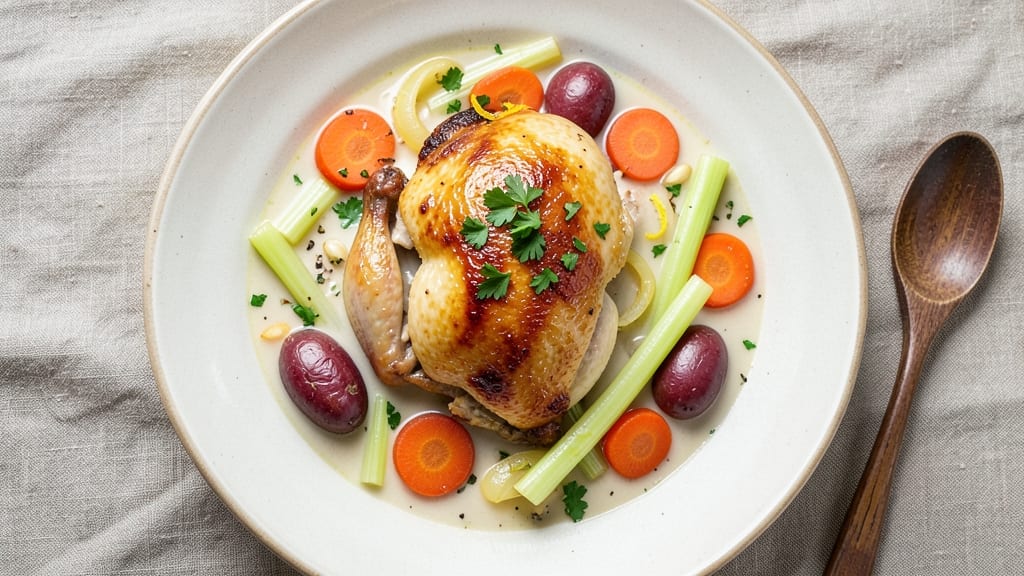
This baby chicken soup recipe is the gentle, nourishing remedy that's been soothing little ones for generations—packed with tender protein, easy-to-digest vegetables, and a broth so comforting it works its magic on both body and soul.
The secret lies in slow-simmering the chicken until it practically melts off the bone, creating a broth so rich yet delicate it's perfect for tiny throats and weary souls alike.
I've perfected this version over years of nursing sick children back to health, balancing simplicity with the deep, warming flavors that make recovery feel like a cozy embrace.
The foundation of this soup is foolproof—just a few simple ingredients that work together to create something extraordinary.
You'll start with a whole chicken, which infuses the broth with natural flavor without overwhelming delicate palates, then add easily digestible vegetables like carrots, celery, and potatoes that cook down to silky perfection.
The chicken itself shreds effortlessly, creating bite-sized pieces that are tender enough for little ones but still satisfying for adults.
What makes this recipe truly special is how it transforms basic ingredients into something that feels like medicine—warm, soothing, and packed with the kind of comfort that comes from a well-stirred pot and a loving hand.
By the time you serve this soup, you'll have created something that's more than just food—it's a healing experience. The broth will be golden and fragrant, the chicken pieces tender yet substantial, and the vegetables perfectly soft with just enough texture to please even the pickiest eaters.
The aroma alone will have everyone gathering around the table, and the first spoonful delivers that perfect balance of savory, slightly sweet, and comforting warmth. This isn't just soup; it's the kind of meal that makes recovery feel like a celebration rather than a chore.
The beauty of this recipe is its versatility—it works as a standalone meal for little ones or as a comforting side for the whole family.
Serve it with soft bread for dipping or a sprinkle of fresh herbs for garnish, and you've got a complete meal that's gentle enough for recovery but hearty enough to satisfy. The best part?
It reheats beautifully, making it perfect for those days when you need to nurse someone back to health with minimal effort. Let's get to work creating this gentle comfort in your own kitchen.
Ingredients for baby chicken soup
Six simple ingredients transform into the ultimate healing comfort for little ones.
| Ingredient | Amount | Notes |
|---|---|---|
| Whole Chicken 🍗 | 3 lb | Bone-in, skin-on preferred |
| Carrots 🥕 | 3 medium | Peeled, cut into chunks |
| Celery Stalks 🧅 | 3 whole | Trimmed, cut into pieces |
| Yellow Onion 🧅 | 1 medium | Peeled, quartered |
| Russet Potatoes 🥔 | 2 medium | Peeled, cut into chunks |
| Garlic Cloves 🧄 | 4 cloves | Peeled, lightly crushed |
| Fresh Parsley 🌿 | ¼ cup | Chopped, for garnish |
| Fresh Thyme 🌿 | 1 tbsp | Leaves only, chopped |
| Salt 🧂 | 1 ½ tsp | Kosher or sea salt |
| Black Peppercorns 🌶️ | ½ tsp | Freshly cracked |
| Chicken Bouillon Cube 🍲 | 1 whole | Low-sodium preferred |
| Extra-Virgin Olive Oil 🫒 | 2 tbsp | For sautéing |
| Whole Grain Bread 🍞 | 6 slices | For serving |
The chicken is the heart of this soup—look for a 3-pound bird with good marbling for extra flavor. Costco or your local butcher shop are great places to find fresh, high-quality chicken. If you can't get bone-in, skin-on, boneless, skinless works too (just add a splash of water to keep it moist). The vegetables should be fresh but don't stress about organic—just make sure they're firm and free of blemishes. For the broth, I always use low-sodium bouillon cubes—the flavor is cleaner and you can always add more salt later if needed. Fresh herbs make all the difference here, so grab a small bunch of thyme and parsley from the grocery store's produce section.
No fresh thyme? Dried works at half the amount. The carrots and celery can be swapped for other mild veggies like zucchini or sweet potatoes if you prefer. If you're short on time, pre-cut frozen veggies work perfectly—just thaw and drain them first. For extra richness, add a splash of chicken stock if you have it, but the bouillon cube gives plenty of flavor. The potatoes are key for that silky texture—Russets or Yukon Golds are ideal. If you're serving to picky eaters, you can blend a portion of the soup for extra smoothness, but I like to keep some texture for the grown-ups.
This soup tastes even better the next day—perfect for those nights when you need comfort food on standby. Store leftovers in the fridge for 4-5 days or freeze portions for up to 3 months. I like to portion it into individual containers so it's ready to reheat when needed. For serving, warm the bread in the oven for 5 minutes at 350°F—it's perfect for dipping. The broth keeps well too, so you can make a big batch and freeze it for future sick days. Trust me, you'll be glad you did when the next cold rolls around.
Why You'll Love This Recipe
- No-Chop Chaos Allowed: I swear by the "dirty chop" method here—toss in whole carrots, celery stalks, and onion chunks. They soften beautifully, and honestly? No one will notice if they’re not perfectly diced. The potatoes? Just peel and drop. That’s it.
- Whole Chicken Magic: Roasting the whole chicken first gives you crispy skin and rich broth—no separate pot needed. The flavor? Deep, savory, and way more satisfying than store-bought. Plus, the meat falls off the bone when simmered, so tender it’s almost unfair.
- Leftovers That Beg for More: This soup tastes even better the next day, and it’s the ultimate freezer hero. Reheat a bowl for a lazy afternoon or pack it for work—no sad, soggy lunches here. (My kids actually ask for seconds, and that’s saying something.)
- Budget-Friendly Family Feast: A whole chicken and a few veggies stretch to feed four for under $15. No fancy ingredients, no waste—just pure comfort. And because it’s so hearty, you’ll actually eat more than you planned. (Yes, even on a Tuesday night.)
Step-by-step instructions for baby chicken soup
This gentle, nourishing soup brings warmth and healing to little ones with every spoonful.
Prepare and Sear the Whole Chicken
Begin by rinsing the 3 lb Whole Chicken thoroughly under cold water and patting it completely dry with paper towels. This step is crucial—any moisture on the skin will prevent proper browning. Place the chicken breast-side up on a cutting board and make a small cut in the thickest part of the breast to help it cook evenly.
Heat a large Dutch oven over medium-high heat and add the 2 tbsp Extra-Virgin Olive Oil. Once the oil shimmers, carefully place the chicken in the pot, skin-side down. Let it sear undisturbed for 8-10 minutes until the skin is deep golden brown and crispy. Flip the chicken and sear the other side for another 5-6 minutes. The skin should release easily from the pot when ready.
Sauté the Vegetables
Remove the chicken from the pot and set it aside. In the same pot, add the 1 medium Yellow Onion, 3 medium Carrots, and 3 whole Celery Stalks, all cut into 1-inch chunks. Cook over medium heat for 5-6 minutes, stirring occasionally, until the vegetables begin to soften and the onion becomes translucent.
Add the 4 cloves Garlic Cloves and the 1 tbsp Fresh Thyme, stirring for 30 seconds until fragrant. Sprinkle in the 1.5 tsp Salt and 0.5 tsp Black Peppercorns, and cook for another 1 minute to let the spices bloom. This step builds the foundation of flavor for the soup—don't rush it.
Simmer the Soup
Pour in 8 cups of water and add the 1 whole Chicken Bouillon Cube. Bring the mixture to a gentle boil, then reduce the heat to low. Return the chicken to the pot, skin-side up, and cover with a lid. Let it simmer for 45-50 minutes until the chicken is fork-tender and the meat pulls away easily from the bone.
Once the chicken is cooked, remove it from the pot and let it cool slightly before shredding the meat into small, bite-sized pieces. Skim any excess fat from the surface of the broth, then return the shredded chicken to the pot. Add the 2 medium Russet Potatoes, cut into 1-inch chunks, and simmer for another 10-15 minutes until the potatoes are tender.
Finish and Serve
Taste the broth and adjust the seasoning if needed—add a pinch more salt or a splash of water to reach your desired consistency. Stir in the 0.25 cup Fresh Parsley and let the soup simmer for 2-3 minutes to infuse the herbs into the broth. The soup should be warm, comforting, and easy to digest—perfect for little ones recovering from illness.
Ladle the soup into bowls and serve with 6 slices Whole Grain Bread on the side for dipping. Garnish each serving with a sprinkle of fresh parsley and a few black peppercorns for a touch of color and flavor. This soup is not just nourishing—it's pure comfort in a bowl.
Pro Tips For Making Baby Chicken Soup
- Brown the Chicken First: Skip the direct-simmer route—sear the whole chicken in a hot pot for 5-7 minutes per side until the skin turns golden. I learned this the hard way: pale chicken means bland broth. The Maillard reaction kicks in, and that crispy skin melts into the soup like a flavor bomb.
- Cut Potatoes Uniformly: Dice those russets into 1-inch cubes, not random chunks. Big pieces stay tough; small ones turn to mush. I used to eyeball it, but now I measure—consistency matters. Pro tip: Toss them in cold water after cutting to prevent browning while you prep the rest.
- Don’t Overcrowd the Pot: Add carrots, celery, and onions in batches if your pot’s small. I crammed everything in once and ended up with half-cooked veggies. A quick stir and 5 minutes of waiting between additions keeps everything tender and flavorful—no one likes a soup with sad, limp celery.
- Simmer Low and Long: Once the chicken reaches 165°F internally, drop the heat to a bare simmer (just tiny bubbles breaking the surface). I rushed it before and got rubbery meat. Let it go for 45 minutes—yes, even if you’re impatient. The broth will deepen, and the chicken will fall apart like it’s supposed to.
Pro cooking tips for baby chicken soup
Sear for Flavor
That golden-brown skin on your chicken isn't just for looks—it's where all the magic happens. Sear the chicken skin-side down for 8-10 minutes until it's deep golden and crispy. This creates the Maillard reaction, which develops deep, rich flavors that infuse into the broth.
Don't rush this step—I've found that patience here makes the difference between good soup and extraordinary soup. 🔥
Low and Slow Simmer
Once your chicken is in the pot with vegetables and broth, maintain a gentle simmer (small bubbles, not a rolling boil) to keep the chicken tender and the broth clear. Too much heat will make the broth cloudy and the chicken tough.
I use a lid with a small vent to control steam—this helps maintain moisture while still allowing some evaporation. The 45-50 minute simmer is critical for extracting all those delicious flavors from the bones.
Vegetable Timing
Add the potatoes 10-15 minutes before the soup is done to prevent them from becoming mushy. Carrots and celery should cook for the full 45-50 minutes with the chicken—they need that time to develop sweetness and tenderness.
If you're serving to little ones who prefer softer textures, you can add them earlier, but I like the slight texture contrast for adults. The onions should be translucent but not browned by the end.
Fat Skimming
After removing the chicken, skim any excess fat from the surface of the broth using a large spoon or fat separator. This step isn't just about reducing calories—it prevents the soup from becoming greasy, especially when reheated.
I like to do this while the soup is still hot so the fat solidifies on top and is easier to remove. The result is a cleaner, more elegant broth that lets the natural flavors shine through. 🌟
Herb Infusion
Add fresh herbs like parsley and thyme just before serving to preserve their bright flavors. If you add them too early, they'll lose their vibrancy and turn bitter. For an extra touch, I like to crush a few peppercorns between my fingers before adding them—they release more aroma and flavor.
The herbs should be chopped fine enough to distribute evenly but not so fine that they disappear into the soup.
Consistency Control
If your soup is too thick after simmering, add ¼ cup water or broth at a time until you reach your desired consistency. For a smoother texture, you can blend a portion of the soup with an immersion blender—just be careful not to over-blend or you'll lose that comforting chunkiness.
I often blend about 2 cups of the soup to create a velvety base while keeping some texture for the chicken and potatoes. Taste as you go and adjust seasoning gradually—it's easier to fix under-seasoned soup than over-seasoned soup.
Nutrition facts
Frequently asked questions
Can I use chicken thighs instead of breasts?
Chicken thighs work beautifully and actually add even more richness to the broth. Use 3 pounds of bone-in, skin-on thighs and follow the same searing method. The skin will crisp up perfectly, and the meat stays extra tender during the long simmer. Just be sure to trim any excess fat from the skin before searing to prevent greasiness.
How do I make this soup for picky eaters?
Blend half the soup with an immersion blender until smooth, then mix it back in. For extra mild flavor, strain out the vegetables after cooking and shred only the chicken. You can also add a splash of unsalted chicken stock to mellow the seasoning. Serve with soft noodles or rice if preferred.
Can I prepare this soup ahead of time?
This soup actually tastes better the next day! Store it in the fridge for 4-5 days or freeze portions for 3 months. The flavors deepen as the broth absorbs more chicken essence. When reheating, warm gently on low heat and add a splash of water if it thickens too much.
What if my broth is too cloudy?
Cloudiness usually means the broth boiled too vigorously. Skim off any foam that forms during cooking, and maintain a gentle simmer (small bubbles). For extra clarity, strain the broth through a fine-mesh sieve after removing the chicken. If it's still too thick, add ¼ cup water at a time until you reach your desired consistency.
Can I add rice or noodles to this soup?
Yes! For a complete meal, add ½ cup uncooked white rice or egg noodles during the last 15 minutes of cooking. The rice will absorb the broth beautifully. For extra comfort, serve with soft bread on the side. Just be sure to adjust cooking times—rice needs more time than noodles to become tender.