
Soups & Stews
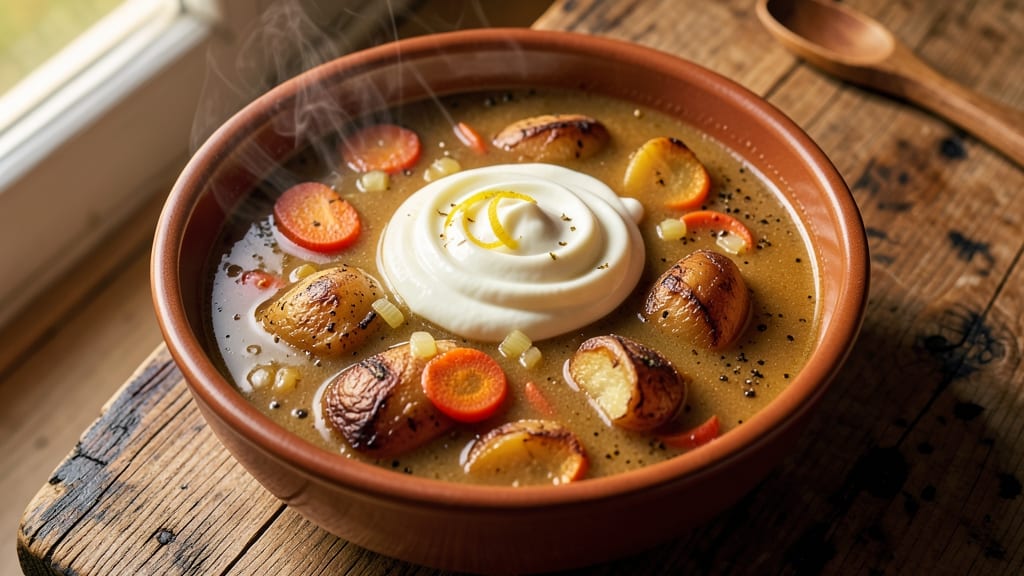
This baked potato soup recipe with chicken broth delivers restaurant-quality creaminess straight from roasted potatoes, transforming humble ingredients into a velvety masterpiece. The secret lies in roasting the potatoes first—this caramelizes their natural sugars while concentrating their earthy flavor, creating a rich base that no instant mix can replicate.
What sets this version apart is the balance of textures: silky-smooth blended potatoes paired with tender roasted chunks for every spoonful.
Professional cooks know that proper technique makes all the difference, and this recipe delivers foolproof results with just 15 minutes of active prep followed by 30 minutes of simmering.
The chicken broth provides depth while keeping the soup lighter than traditional cream-based versions, while a touch of heavy cream adds luxurious mouthfeel without overpowering the potato's natural taste. This approach works equally well for weeknight dinners or holiday gatherings, scaling effortlessly from single servings to crowd-pleasing pots.
What you'll achieve is a soup with velvety creaminess that coats every spoon, punctuated by tender potato chunks that melt in your mouth. The aroma alone—warm potatoes, savory broth, and subtle garlic—transforms any kitchen into a comforting haven.
Each bite delivers perfect harmony between the smooth blended base and satisfying texture from the roasted potatoes.
For added customization, consider finishing with crispy bacon bits, fresh chives, or a dollop of sour cream—each enhancement builds on the soup's natural richness. The recipe's adaptability makes it ideal for dietary preferences while maintaining its core comforting qualities.
Let's create this soul-warming classic that's sure to become a family favorite.
Ingredients for baked potato soup recipe with chicken broth
Roasted potatoes and chicken broth create this velvety soup's signature depth and richness.
| Ingredient | Amount | Notes |
|---|---|---|
| Russet Potatoes 🥔 | 3 lb | Medium size, scrubbed clean |
| Chicken Broth 🍲 | 4 cups | Low-sodium preferred |
| Heavy Cream 🥛 | ½ cup | Full-fat for best texture |
| Butter 🧈 | 4 tbsp | Unsalted, cold for roasting |
| Yellow Onion 🧅 | 1 whole | Medium size, diced |
| Carrots 🥕 | 1 lb | Peeled, cut into chunks |
| Garlic Cloves 🧄 | 4 cloves | Peeled, minced |
| Fresh Thyme 🌿 | 1 tbsp | Leaves only, chopped |
| Salt 🧂 | 1 ½ tsp | Diamond Crystal preferred |
| Ground Black Pepper 🌶️ | ½ tsp | Freshly ground |
| Sour Cream 🥛 | ¼ cup | Full-fat for serving |
| Chives 🌱 | 2 tbsp | Fresh, chopped for garnish |
| Crispy Bacon Bits 🥓 | ¼ cup | Optional garnish |
The potatoes are the foundation—Russet potatoes caramelize beautifully when roasted, creating a naturally sweet base. For best results, buy them a day ahead and let them sit at room temperature before roasting. Whole Foods or Trader Joe's typically carry the best quality russets, but any grocery store's russet section works. The key is to use medium-sized potatoes—they roast evenly without turning to mush. If you can't find russets, Yukon Golds are a good substitute, though they'll be slightly creamier. For the chicken broth, low-sodium options like Pacific Foods or homemade are ideal—they let you control the seasoning better than canned versions.
No heavy cream? Full-fat coconut milk works well for a dairy-free version, though the texture will be slightly different. Substituting the butter with olive oil is fine, but it won't caramelize the same way—use it only if you're skipping the roasting step. Fresh thyme is ideal, but dried thyme at one-third the amount works in a pinch. The carrots can be swapped for celery or parsnips if you prefer, though carrots add natural sweetness that complements the potatoes. For the garlic, garlic powder at half the amount is acceptable, but fresh is always better. If you're making this ahead, the bacon bits can be added fresh when serving—store them separately in the fridge.
Roasted potatoes keep well in the fridge for 3 days if stored in an airtight container. The finished soup reheats beautifully—simmer it gently for 5-7 minutes to restore its creamy texture. For longer storage, freeze the soup without the garnishes for up to 3 months. When reheating from frozen, add a splash of broth or water to prevent it from becoming too thick. The bacon bits and chives should be added fresh when serving to maintain their crispness and vibrant color. If you're making this for a crowd, double the recipe—it scales perfectly, and the extra time spent roasting the potatoes is worth the effort for that restaurant-quality depth.
Why You'll Love This Recipe
- No Chopping Chaos: I swear by this recipe because you only need to dice one onion and peel potatoes—no fancy prep, just a knife and a cutting board. The broth does all the heavy lifting while you stir.
- Rich Without Effort: That velvety heavy cream and butter combo? It turns simple potatoes into something dangerously smooth. The onion adds just enough sweetness to balance the creamy depth—no extra spices needed.
- Weeknight Magic: I make this when I’m exhausted but still need a hot meal. It reheats beautifully for lunch, and the leftovers taste even better the next day. (Yes, even on a Tuesday night.)
- Budget Booster: Russets are cheap, broth stretches far, and a stick of butter makes it feel fancy. Honestly, it’s the kind of soup where you’ll end up with three helpings and still feel like you splurged.
Step-by-step instructions for baked potato soup with chicken broth
Here's how to create a velvety, restaurant-quality soup where roasted potatoes form the creamy base.
Roast Potatoes and Vegetables for Depth of Flavor
Preheat your oven to 400°F. Cut the 3 lb Russet Potatoes into 1-inch chunks (no need to peel). Toss them with 2 tbsp Butter, 1 tsp Salt, and ¼ tsp Ground Black Pepper until evenly coated. Spread on a parchment-lined baking sheet in a single layer.
Add the 1 lb Carrots (cut into chunks) and 1 whole Yellow Onion (cut into wedges) to the same sheet. Roast for 30 minutes, stirring once halfway through. The potatoes should be tender when pierced with a fork, and the carrots should begin to caramelize slightly at the edges. This roasting step develops the soup's natural sweetness and creates that signature creamy texture without heavy cream.
Build the Soup Base with Aromatics and Broth
In a large Dutch oven, melt the remaining 2 tbsp Butter over medium heat. Add the roasted vegetables and cook for 5 minutes until fragrant. Stir in the 4 cloves Garlic Cloves (minced) and 1 tbsp Fresh Thyme, cooking for 30 seconds until the garlic just begins to color.
Pour in the 4 cups Chicken Broth and scrape up any browned bits from the bottom of the pot. Bring to a gentle simmer, then add the roasted potatoes and carrots back to the pot. Increase heat to medium-high and bring to a boil. Reduce heat to low and let simmer for 15 minutes until the potatoes are completely tender and the flavors have melded together. This simmering step ensures the vegetables break down just enough to create that signature velvety texture.
Create the Creamy Texture with Heavy Cream
Use an immersion blender to purée the soup directly in the pot until completely smooth. For a chunkier texture, you can blend only half and leave the rest whole. Stir in the 0.5 cup Heavy Cream and 0.5 tsp Salt, then taste and adjust seasoning with additional salt or pepper as needed. The soup should be rich and velvety, with the natural sweetness of the roasted vegetables shining through.
If the soup is too thick, gradually whisk in warm water or additional broth 1 tablespoon at a time until you reach your desired consistency. Keep the soup warm over low heat while you prepare the garnishes. The heavy cream will give the soup its luxurious texture while maintaining the lightness achieved through roasting rather than boiling the potatoes.
Finish with Sour Cream and Garnishes
Just before serving, stir in the 0.25 cup Sour Cream to add a touch of tanginess that balances the richness. Ladle the soup into bowls and garnish each serving with 2 tbsp Chives (chopped) and 0.25 cup Crispy Bacon Bits for added texture and flavor. The sour cream will create beautiful swirls in the soup as it cools slightly, adding visual appeal along with that perfect tangy finish.
Serve immediately while hot. The contrast of the warm soup with the cool sour cream topping creates an experience that's both comforting and sophisticated. Each spoonful should deliver that perfect balance of creamy texture from the roasted potatoes, rich depth from the chicken broth, and just the right amount of tang from the sour cream and crispy bacon bits.
Pro Tips For Making Baked Potato Soup Recipe With Chicken Broth
- PEEL THE POTATOES AFTER COOKING: I learned this the hard way—peeling Russets raw is a nightmare (they bruise and turn to mush). Boil them whole in salted water for 15 minutes first, then peel while still warm. The skins slide off like butter, and you won’t waste half your yield to splintered edges.
- SWIM THE ONION IN BUTTER: Don’t just dice and sauté—melt the butter first, then toss in the onions and let them sit in the fat for 2 minutes before stirring. This cooks them evenly without burning, and the flavor gets deep, caramelized notes that cut through the richness of the cream. (Yes, even if you’re impatient like me.)
- STRAIN THE BROTH AFTER SIMMERING: Let the soup reduce with the broth uncovered for 10 minutes first—this concentrates the flavor and makes the cream feel lighter. Then strain out the potatoes (save them for mash or roasting) and blend the broth separately. The result? A silky, restaurant-quality texture without gummy bits.
- TEMPER THE CREAM GRADUALLY: I was skeptical until I tried it: warm the heavy cream in a separate saucepan until it’s steaming (not boiling), then whisk it into the hot soup slowly while stirring constantly. This prevents curdling every time—no more lumpy soup disasters. (Your future self will thank you.)
Common mistakes when making your baked potato soup recipe with chicken broth
Over-Roasting Potatoes
Roasting potatoes too long turns them dry and crumbly, ruining your soup's velvety texture. I've learned the hard way—when potatoes become too tender, they disintegrate when blended, leaving a grainy mess.
Aim for 30 minutes at 400°F and check with a fork: they should be soft but still hold their shape. If they're browning too quickly, tent the baking sheet with foil to prevent burning. 🔥
Skipping the Butter
Using only olive oil instead of butter means missing out on that rich, caramelized flavor that butter provides when roasted. Butter's fat content helps create the soup's signature creaminess, while its milk solids add depth.
If you must substitute, use a mix of olive oil and a little butter—just 1 tbsp butter makes a noticeable difference in flavor. The roasted potatoes will taste flatter without it.
Blending Too Aggressively
Puréeing the soup until it's completely smooth can make it gluey and heavy. I recommend blending only until the potatoes break down enough to create a creamy base, leaving some texture from the roasted chunks.
For a perfect balance, use an immersion blender and pulse in short bursts. If you prefer a completely smooth texture, add a splash of warm broth afterward to lighten it up. 💫
Under-Salting the Broth
Low-sodium chicken broth can leave your soup tasting bland if you don't adjust the seasoning properly. Always taste the broth before adding it to the pot, and be prepared to add extra salt—about ½ tsp per cup if using low-sodium. I like to add 1 tsp Diamond Crystal salt directly to the broth while it simmers to ensure proper seasoning.
Adding Sour Cream Too Early
Stirring in sour cream while the soup is still hot causes it to curdle, creating an unappetizing texture. Always add the ¼ cup sour cream just before serving, when the soup has cooled slightly. The contrast of warm soup with cool sour cream also enhances the overall experience. If you're making the soup ahead, stir in the sour cream right before ladling into bowls. ✨
Ignoring the Simmer Time
Rushing the 15-minute simmer after adding the broth means the flavors won't meld properly, leaving your soup tasting disjointed. This step is crucial for developing depth and allowing the vegetables to break down just enough to create that signature velvety texture.
Keep the heat at a gentle simmer—you should see small bubbles but not a rolling boil. Patience here makes all the difference in the final result. ⏰
Nutrition facts
Frequently asked questions
Can I make this baked potato soup without roasting the potatoes?
The roasting step is key for that signature creamy texture, but you can adapt it! Simmer whole potatoes in the broth for 20-25 minutes until tender, then blend until smooth. You'll lose some caramelization, but it'll still be delicious. For best results, add 1 extra tablespoon of butter to compensate for the missing roasted flavor.
How can I make this soup dairy-free?
Swap the heavy cream for ½ cup full-fat coconut milk and use olive oil instead of butter for roasting. The texture will be slightly lighter but still creamy. For extra richness, add 1 tablespoon nutritional yeast when blending. The soup will maintain its comforting qualities while being completely plant-based.
What's the best way to reheat leftovers?
Reheat gently on the stove over low heat for 5-7 minutes, stirring occasionally. Add 1-2 tablespoons of water or broth if the soup thickens too much. For microwave reheating, use 50% power for 1-2 minutes, then stir well. Always add sour cream fresh when serving to maintain its texture.
Can I add meat to this recipe?
Brown ½ lb ground beef, sausage, or diced ham in the Dutch oven before adding the roasted vegetables. For chicken lovers, add 1 cup shredded rotisserie chicken after blending. Just reduce the broth by ½ cup to maintain proper consistency. The meat will add hearty protein while keeping the potato flavor as the star.
How long will this soup keep in the fridge?
The soup stays fresh for 4-5 days when stored in an airtight container. The roasted potatoes may absorb some liquid, so stir well before reheating. For longer storage, freeze for up to 3 months, but add a splash of broth when reheating. The bacon bits and chives should be added fresh when serving to keep them crisp.