
Soups & Stews
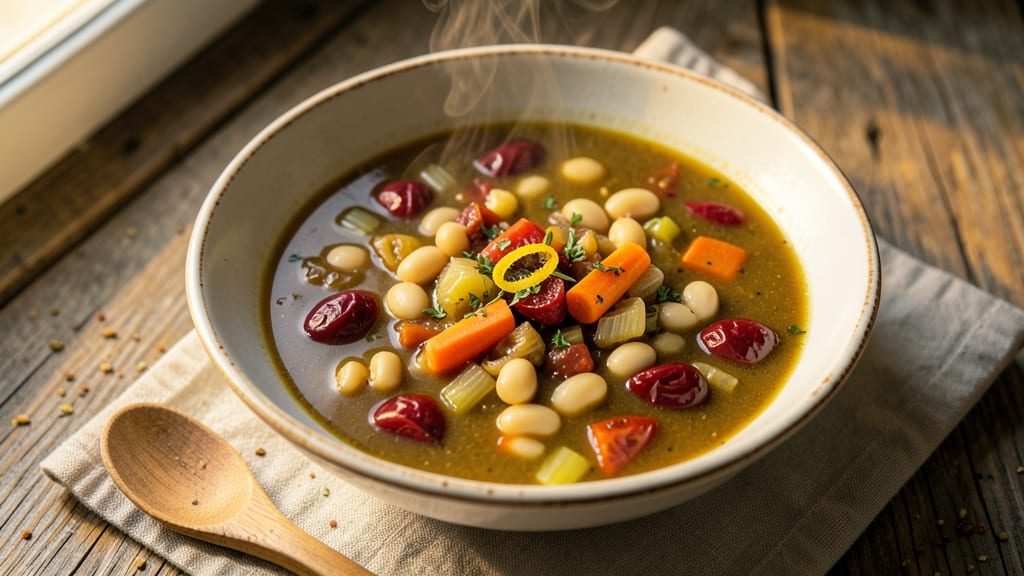
Barefoot Contessa’s winter minestrone soup transforms humble pantry staples into a deeply satisfying, hearty meal that warms both body and soul.
This isn’t your grandmother’s thin broth—it’s a rich, herbed bean and vegetable simmer packed with kale, white beans, and pasta, designed to thrive in colder months when comfort food is most needed.
The secret lies in slow simmering, which melds flavors into a harmonious, deeply aromatic broth that’s both rustic and refined.
What sets this recipe apart is its balance of textures and flavors: tender white beans, crisp-tender kale, al dente pasta, and a broth infused with fresh herbs like rosemary and thyme.
Unlike lighter summer soups, this version relies on a thick, velvety base built from tomatoes, carrots, and celery—classic mirepoix—that forms the foundation for everything else. The result? A soup so hearty it stands up as a main dish yet feels light enough for a chilly afternoon.
By the time you ladle the first bowl, you’ll notice the perfect harmony of flavors—earthy beans, slightly bitter kale, and the bright acidity of tomatoes—all tied together by the aromatic herbs. The pasta absorbs the broth like a sponge, ensuring every bite is packed with depth.
This is the kind of soup that tastes even better the next day, as the flavors continue to develop and the textures soften into ideal comfort.
Best of all, it’s designed for effortless execution: chop vegetables while the broth simmers, stir in the beans and pasta at the right moment, and finish with a sprinkle of fresh herbs.
Serve with crusty bread to soak up every last drop of that rich, herbed broth—because in winter, a bowl of this soup isn’t just a meal, it’s a ritual. Let’s get started.
Ingredients for barefoot contessa winter minestrone soup
Pantry staples meet winter freshness for this deeply comforting, herbed bean and vegetable soup.
| Ingredient | Amount | Notes |
|---|---|---|
| Vegetable Broth 💧 | 6 cups | Homemade or quality low-sodium |
| Canned Cannellini Beans 🌱 | 1 ½ cups | Drained and rinsed (2 cans) |
| Canned Crushed Tomatoes 🍅 | 28 oz | San Marzano preferred |
| Carrots 🥕 | 3 medium | Peeled and chopped |
| Yellow Onion 🧅 | 1 whole | Diced |
| Celery Stalks 🧅 | 3 whole | Diced, including leaves |
| Garlic Cloves 🧄 | 4 cloves | Minced |
| Kale Leaves 🥬 | 4 cups | Chopped, stems removed |
| Ditalini Pasta 🍝 | 1 cup | Uncooked, small tubes |
| Rosemary 🌿 | 1 tbsp | Fresh, finely chopped |
| Thyme 🌿 | 1 tbsp | Fresh, finely chopped |
| Olive Oil 🫒 | ¼ cup | Extra-virgin, for sautéing |
| Salt 🧂 | 1 ½ tsp | Kosher or sea salt |
| Black Pepper 🌶️ | ½ tsp | Freshly ground |
| Parmesan Cheese 🧀 | ½ cup | Freshly grated, for serving |
The broth is the soul of this soup. Homemade vegetable broth gives the most depth, but low-sodium store-bought works too. Look for brands like Pacific Foods or Imagine for clean ingredients. For the tomatoes, San Marzano is worth hunting down—its sweetness and low acidity make all the difference. The kale? Curly green kale holds up best during cooking, but lacinato (Dinosaur kale) works too. If you're using frozen kale, thaw and squeeze out excess water first. The beans? Cannellini is ideal for its creamy texture, but sub white beans or chickpeas if needed.
No fresh rosemary or thyme? Dried works at one-third the amount, but fresh gives that bright, aromatic punch. The pasta can be swapped for farro or barley if you want more texture. For the mirepoix (carrots, onion, celery), no need to peel the carrots—they're sweeter with the skin on. If you're short on time, pre-chopped frozen veggie mixes work in a pinch, but fresh always tastes better. The olive oil matters here—use something fruity and peppery, not the cheap stuff. And that Parmesan? Freshly grated melts beautifully over the top, but pre-grated is fine if you're in a hurry.
This soup tastes even better the next day as flavors meld. Keeps 5-6 days in the fridge, freezes for 3 months. I always make a double batch—one for lunch, one for dinner. Store in airtight containers with a layer of broth on top to keep everything moist. For serving, I like to toast crusty sourdough on the side—perfect for soaking up that rich, herbed broth. Leftovers reheat beautifully; just add a splash of water or broth if it gets too thick.
Why You'll Love This Recipe
- Pantry to Pot: I swear by this recipe when my fridge is half-empty. The canned beans and tomatoes do all the heavy lifting—no fancy prep, just chop a few carrots and onions, dump it all in, and let the broth work its magic. Honestly, it’s the kind of soup that makes me feel like a home cook even when I’m too tired to stand.
- Rich & Rustic: That crushed tomato base? It’s where the magic happens—deep, smoky, and just sweet enough. The cannellini beans add this creamy texture that balances the bright carrots and sharp onion, plus the vegetable broth keeps it hearty without being heavy. Between us, it’s the kind of flavor that sticks with you long after the last spoonful.
- Meal Prep MVP: I make a double batch every Sunday because this soup only gets better the next day. The flavors meld beautifully in the fridge, and it reheats like a dream—perfect for lunches or when unexpected guests show up. (Yes, even on a Tuesday night when you’ve got nothing planned.)
- Budget-Friendly Warmth: A pot of this soup costs me about $3 to feed four people. The canned beans and tomatoes stretch the broth, and the veggies are cheap staples. It’s the kind of recipe that makes me feel like I’m eating fancy without breaking the bank—or my willpower to resist seconds.
Step-by-step instructions for barefoot Contessa's winter minestrone soup
This hearty soup comes together with simple steps and bold flavors—perfect for chilly days.
Sauté the Aromatic Vegetable Base
Heat the 0.25 cup olive oil in a large pot over medium heat. Add the diced yellow onion, diced celery stalks (including leaves), and peeled and chopped carrots. Cook for 8-10 minutes, stirring occasionally, until the vegetables soften and begin to release their natural juices.
Here's the thing—you want the vegetables to caramelize slightly so they add depth to the soup. If they start sticking, just add a splash of vegetable broth to loosen them. Once they're tender and the onion turns translucent, push the mixture to one side of the pot and add the minced garlic cloves. Cook for 30 seconds until fragrant—this prevents the garlic from burning, which can make the soup bitter.
Build the Flavor Foundation
Pour in the 28 oz canned crushed tomatoes and stir to combine with the sautéed vegetables. Let the mixture simmer for 5 minutes to deepen the tomato flavor. Then, add the 1.5 cups drained and rinsed cannellini beans, 1 tbsp finely chopped rosemary, 1 tbsp finely chopped thyme, 1.5 tsp salt, and 0.5 tsp black pepper. Stir well to distribute the seasonings evenly.
This is where the soup starts to come together. The beans add heartiness, while the herbs infuse the broth with their earthy notes. Let everything simmer for another 5 minutes, allowing the flavors to meld. If the soup seems too thick, add 1 cup vegetable broth to loosen it—you want a brothy consistency that coats the back of a spoon.
Add the Greens and Simmer
Stir in the 4 cups chopped kale leaves and the remaining 5 cups vegetable broth (you started with 6 cups total). Bring the soup to a gentle boil, then reduce the heat to medium-low and let it simmer for 15 minutes. This allows the kale to wilt and the flavors to meld together beautifully.
I like to taste the soup at this stage to adjust the seasoning. If it needs more salt, add it now—it’s easier to fix than over-salting later. The soup should be rich, herby, and slightly tangy from the tomatoes. If it’s too acidic, a pinch of sugar can balance it out, but usually, it’s perfect as is.
Cook the Pasta to Perfection
Add the 1 cup ditalini pasta to the pot and stir gently to distribute it evenly. Cook for 8-10 minutes, stirring occasionally, until the pasta is al dente—just tender but still with a slight bite. The pasta should absorb some of the broth but still leave it soupy enough to coat a spoon.
Here’s the trick: don’t overcook the pasta. It’ll continue cooking slightly as it sits, so pull it out a minute or two before it’s fully done. If the soup seems too thick after adding the pasta, stir in another ½ cup vegetable broth to reach your desired consistency. The pasta should be tender but not mushy.
Serve with Fresh Parmesan
Ladle the soup into bowls and top each serving with 0.5 cup freshly grated Parmesan cheese. The cheese adds a salty, umami richness that ties everything together. Serve immediately while the pasta is still warm and the broth is steaming.
This soup is even better the next day—if you have leftovers, the flavors deepen as it sits. Store it in the refrigerator for up to 4 days or freeze it for 3 months. When reheating, add a splash of vegetable broth to restore the brothy texture. Enjoy with crusty bread for soaking up every last drop!
Pro Tips For Making Barefoot Contessa Winter Minestrone Soup
- SOFTEN CARROTS FIRST: The recipe calls for chopped carrots, but I learned the hard way—raw chunks stay stubbornly crunchy. Parboil them for 3 minutes before adding to the pot. They’ll break down evenly and sweeten the broth without turning to mush.
- SWEAT THE ONIONS LOW: Don’t rush this step. Cook the onions in olive oil over medium-low heat for 8–10 minutes until they’re golden and translucent. Rushing means they’ll taste raw, and that’s the one thing winter minestrone shouldn’t be.
- DRAIN BEANS WELL: Cannellini beans from a can come packed in saltwater. Rinse them thoroughly and drain them in a colander for a full minute. Skipping this leaves your soup tasting like a brine bath, and no one wants that.
- SAVOR THE TOMATO SKINS: Crushed tomatoes have seeds and skins—don’t strain them out. Those bits add depth and texture. If you’re worried about chunkiness, just give them a quick pulse in the blender before adding, but leave the skins. They’re flavor insurance.
Health benefits of these flavors
Heart-Warming Comfort
This winter minestrone is a nutritional powerhouse designed to fuel you through cold months. The cannellini beans provide 15g of plant-based protein per serving, perfect for muscle repair and keeping you full for hours. Plus, they're packed with fiber to support digestion and stable blood sugar levels. 💪
Immune-Boosting Broth
The vegetable broth base is rich in vitamin C from tomatoes and carrots, while kale adds vitamin K and antioxidants like quercetin. Together, they strengthen your immune system—especially important during winter when colds and flu circulate. I always notice my energy levels stay steady when I eat this regularly.
Winter Vegetable Benefits
Carrots contribute beta-carotene (which converts to vitamin A), supporting vision and skin health. The celery provides hydration-boosting potassium, while onions add prebiotic fiber to feed your gut microbiome. Even the humble garlic in this recipe contains allicin, a compound with natural antibacterial properties.
Pasta with Purpose
The ditalini pasta here is whole grain, offering extra fiber and B vitamins compared to white pasta. These nutrients help convert food into energy efficiently—ideal for busy winter days. I often double the portion size for meal prep because it keeps well and maintains its nutritional benefits.
Herbal Health Boost
Fresh rosemary and thyme aren't just for flavor—they contain anti-inflammatory compounds that help reduce muscle soreness. Studies show rosemary can even improve memory function! Their earthy notes complement the soup's heartiness while adding these subtle health benefits. 🌿
Protein-Packed Perfection
With 20g of protein per serving (from beans, broth, and cheese), this soup satisfies hunger while supporting muscle maintenance. The Parmesan topping adds calcium and vitamin D for bone health. It's one of those rare dishes where every ingredient contributes meaningfully to both taste and nutrition.
Nutrition facts
Frequently asked questions
Can I make this soup without fresh herbs?
Use 1 teaspoon dried rosemary and 1 teaspoon dried thyme instead of fresh. The flavor will be slightly more concentrated, so start with half the amount if you're unsure. For best results, crush the dried herbs between your fingers to release their aromatic oils before adding to the pot.
How do I adjust the soup's thickness?
The ideal consistency should coat a spoon but still be ladle-friendly. If too thick after cooking, stir in ½ to 1 cup vegetable broth to loosen. If it's too thin, simmer uncovered for 5-10 minutes to reduce the liquid. Remember, the pasta will absorb some broth as it cooks, so adjust before adding it.
What can I substitute for ditalini pasta?
Any small pasta shape works—try small shells, orzo, or acini di pepe. For a gluten-free option, use chickpea or brown rice pasta. Just check the package cooking time, as it may vary slightly. The key is to keep the pasta small so it cooks quickly and absorbs the broth evenly.
Why does my minestrone taste too acidic?
Crushed tomatoes can make soups taste sharp, especially if using regular (not San Marzano) brands. Balance the acidity by adding a pinch of sugar (¼ teaspoon) or a splash of vegetable broth to dilute. Alternatively, stir in a small piece of fresh bread crust while simmering—it'll absorb excess acid. Taste as you go!
Can I make this soup in an Instant Pot?
Yes! Sauté the vegetables first, then add all ingredients except pasta. Cook on High Pressure for 8 minutes, then quick-release. Stir in the pasta and cook on Sauté mode for 5 minutes until al dente. The Instant Pot version finishes faster but may need a splash of broth to restore the perfect texture.