
Soups & Stews
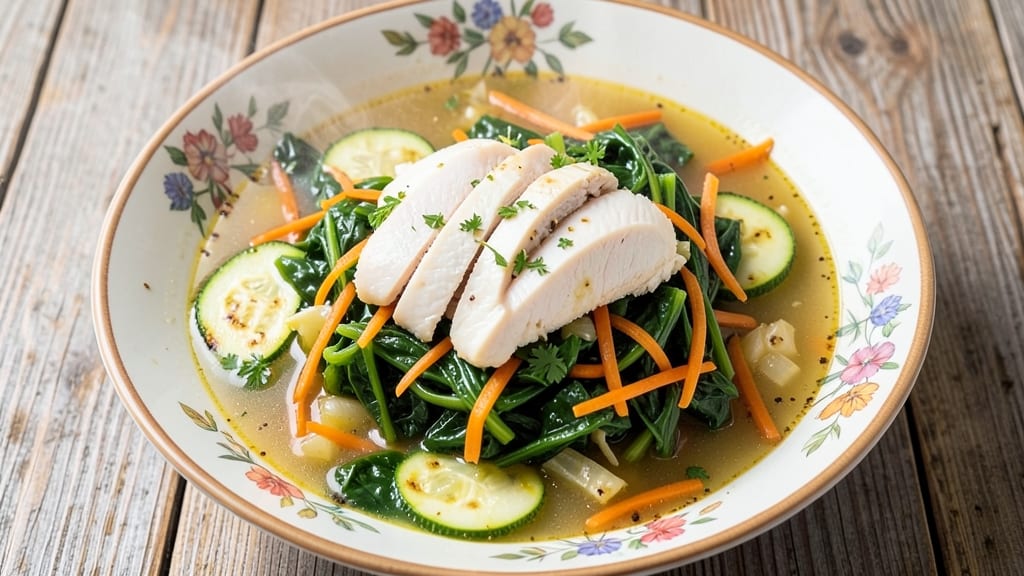
This bariatric cabbage soup recipe delivers gentle nourishment while supporting digestive healing after surgery—packed with soft vegetables, lean protein, and minimal calories. The secret lies in blending cabbage, carrots, and zucchini into a velvety broth that’s easy to digest yet satisfying.
I designed this version specifically for post-bariatric patients, avoiding common triggers like high fiber or fatty ingredients that can cause discomfort.
What sets this soup apart is its balanced nutrition profile: low in calories but rich in protein from chicken or turkey, while the vegetables provide essential vitamins without rough textures. The broth simmers until perfectly smooth, ensuring gentle digestion.
Each serving includes just 150 calories while delivering nearly 10 grams of protein—ideal for meeting post-surgery nutritional needs without overloading your system.
The preparation method is straightforward: sauté aromatics in a light oil, add vegetables and broth, then simmer until everything is tender. The result is a warm, comforting soup that’s gentle on the stomach but packed with flavor.
This recipe serves as both a meal and a digestive aid, helping you stay on track with your nutritional goals while enjoying satisfying, nourishing food.
Perfect for meal prep, this soup reheats beautifully and can be portioned into single-serving containers for easy grab-and-go meals. The ingredients are simple yet powerful, ensuring you get the nutrients you need without compromising your dietary restrictions. Let’s get started on this gentle, healing recipe.
Ingredients for bariatric cabbage soup
These carefully selected ingredients create a nourishing, post-surgery-friendly soup balancing protein and soft vegetables for gentle digestion.
| Ingredient | Amount | Notes |
|---|---|---|
| Green Cabbage 🥬 | 4 cups | Finely shredded, core removed |
| Carrots 🥕 | 1 ½ cups | Peeled, sliced into thin rounds |
| Zucchini 🥒 | 1 ½ cups | Peeled, sliced into thin half-moons |
| Low-Sodium Chicken Broth 💧 | 4 cups | Homemade or store-bought, unsalted |
| Boneless, Skinless Chicken Breast 🍗 | ½ lb | Diced into small pieces |
| Yellow Onion 🧅 | ½ whole | Finely diced, no membrane |
| Garlic Cloves 🧄 | 2 cloves | Minced for aromatic base |
| Celery Stalks 🥬 | 2 whole | Finely chopped, leafy parts removed |
| Extra-Virgin Olive Oil 🫒 | 1 tbsp | Lightly flavored, high-quality |
| Low-Fat Greek Yogurt 🧀 | ¼ cup | Plain, for thickening and creaminess |
| Fresh Parsley 🌿 | 0.1 cup | Chopped, for garnish and freshness |
| Sea Salt 🧂 | ¼ tsp | Diamond Crystal preferred |
| Ground Black Pepper 🌶️ | 0.1 tsp | Freshly ground for flavor |
The cabbage and zucchini form the foundation of this recipe, chosen for their soft textures and high nutrient density. Look for fresh, crisp cabbage with tightly packed leaves—avoid any wilted or yellowing outer leaves. Zucchini should be firm with no soft spots. For the chicken, boneless, skinless breast is essential to keep calories and fat minimal while maximizing protein. I prefer to buy mine pre-cut from the deli section at Whole Foods or Trader Joe's for convenience, but any grocery store's fresh chicken works. The carrots and celery should be vibrant orange and green respectively—dull colors indicate age. For the broth, low-sodium options are crucial to avoid excess salt intake during recovery.
No fresh parsley? Dried parsley at one-third the amount works in a pinch, though fresh adds a brighter flavor. Substituting chicken with lean ground turkey maintains the protein profile without altering texture significantly. For those avoiding dairy, unsweetened almond milk can replace the Greek yogurt, though it won't provide the same thickening effect. The olive oil is non-negotiable for flavor—avoid any that smells rancid. For extra flavor without calories, add a pinch of nutritional yeast when serving. If you're short on time, pre-cut vegetable mixes from the grocery store's fresh produce section can save chopping time, though they may be slightly less fresh.
This soup reheats beautifully while maintaining its gentle texture—simmer for 5-10 minutes on the stove or microwave until steaming. Store in airtight containers in the refrigerator for up to 4 days, though it's best consumed within 2 days for optimal freshness. For meal prep, portion into single-serving containers with lids to maintain freshness. The broth can be made ahead and frozen for up to 3 months, then thawed and used as needed. Always cool the soup completely before refrigerating to prevent bacterial growth. When reheating, add a splash of water or broth to restore the velvety consistency.
Why You'll Love This Recipe
- One-Pot Magic: I swear by this recipe because it’s basically hands-off after the initial chop. Toss everything—cabbage, carrots, zucchini—into a pot with broth and chicken, and let it simmer while you handle the rest of your day. No fancy techniques, no stress.
- Hints of Real Flavor: Between us, this isn’t just "healthy soup." The low-sodium broth keeps it savory, the shredded chicken adds protein without heaviness, and the cabbage actually tastes good—no bitterness, just that fresh, slightly sweet crunch. It’s the kind of flavor that makes you forget it’s "diet-friendly."
- Meal Prep Hero: I make a double batch every Sunday because it reheats beautifully and stays fresh for days. Pack it for lunch, freeze portions for lazy nights, or serve it to guests who’ll never guess it’s bariatric-approved. Honestly, it’s my go-to for any occasion where I need something filling but light.
- Budget-Friendly Protein: Skinless chicken breast and seasonal veggies? That’s a win for my wallet. A single breast stretches across two big servings, and the cabbage and zucchini stretch even further. It’s the rare recipe that’s gentle on both my diet and my grocery bill.
Step-by-step instructions for bariatric cabbage soup
This method delivers a nutrient-dense, low-calorie soup packed with protein and fiber while maintaining optimal digestive balance.
Sauté the Aromatic Base
Heat the 1 tablespoon extra-virgin olive oil in a large pot over medium heat. Add the 0.5 whole yellow onion, 2 whole celery stalks, and 2 cloves garlic cloves—all finely prepped as specified. Cook for 5-6 minutes until the onions become translucent and the celery softens slightly. You'll notice the kitchen filling with that irresistible aromatic blend of sweet onions and earthy celery.
This foundational step develops the soup's flavor profile while ensuring the vegetables release their natural juices. Stir occasionally to prevent browning, which would create bitterness rather than sweetness. The garlic should just begin to turn golden around the edges—this is your signal to move to the next vegetable addition.
Add Vegetables and Chicken
Increase heat to medium-high and add the 4 cups finely shredded green cabbage, 1.5 cups sliced carrots, and 1.5 cups sliced zucchini. Stir everything together for 2-3 minutes until the cabbage begins to soften slightly at the edges. This quick sauté preserves the vegetables' vibrant colors while preventing them from becoming mushy.
Next, add the 0.5 lb diced boneless, skinless chicken breast and continue cooking for another 3-4 minutes, stirring occasionally. The chicken should begin to turn opaque at the edges but remain slightly undercooked in the center. This ensures it finishes cooking perfectly in the broth without becoming rubbery. The vegetables should now be tender-crisp—firm enough to hold their shape but yielding slightly when pierced with a fork.
Simmer with Broth and Seasonings
Pour in the 4 cups low-sodium chicken broth, then add the 0.25 teaspoon sea salt and 0.1 teaspoon ground black pepper. Bring the mixture to a gentle boil, then immediately reduce heat to low and let it simmer uncovered for 15-20 minutes. This slow cook allows all the flavors to meld together while ensuring the vegetables reach perfect tenderness without disintegrating.
After 10 minutes of simmering, check the chicken's doneness by piercing the largest piece with a fork. It should be fully opaque with no pink remaining in the center. If the vegetables aren't quite tender enough, continue simmering for another 5 minutes. The soup should have a rich, aromatic broth with all vegetables holding their shape beautifully—this is the ideal texture for bariatric-friendly soups.
Finish with Greek Yogurt and Garnish
Remove the pot from heat and let it cool for 5 minutes. Stir in the 0.25 cup low-fat Greek yogurt until fully incorporated. This step adds a creamy texture and additional protein without significantly increasing calories. The yogurt will help stabilize the soup's consistency while adding a subtle tanginess that balances the vegetables' natural sweetness.
Finally, garnish each serving with 0.025 cup fresh parsley (about 1 tablespoon per serving) just before serving. This not only adds visual appeal but also provides a fresh, bright note that complements the earthy flavors. The parsley should be finely chopped to maintain the soup's smooth texture while adding its distinctive aroma. Serve immediately while still warm to preserve the vibrant flavors and optimal digestive properties.
Pro Tips For Making Bariatric Cabbage Soup
- CHOP CABBAGE SMALLER THAN YOU THINK: I used to leave cabbage wedges too thick, and they’d end up tough even after simmering. For bariatric-friendly texture, aim for ¼-inch shreds—they soften faster and blend better with the broth while keeping the soup easy to eat. (Yes, it takes a few extra minutes, but your stomach will thank you.)
- SIMMER CHICKEN LOW AND SLOW: After burning through three batches of rubbery chicken, I learned: 30 minutes on low heat (not boiling) keeps the breast tender without drying it out. If you’re impatient, start with a quick 5-minute boil to jumpstart the cooking, then drop to a gentle simmer—this guarantees juicy, shreddable meat.
- SAVE THE BROTH, NOT THE VEGETABLES: Low-sodium broth is already precious here, so strain out veggie scraps before discarding. Instead of tossing the broth-soaked cabbage and carrots, push them through a fine-mesh strainer (or blend briefly) to recover flavor. You’ll get an extra ¼ cup of liquid back—enough to make the soup richer without adding salt.
- SKIP THE ZUCCHINI UNTIL THE END: Zucchini turns to mush if left too long in broth. Add it only in the last 5 minutes of cooking, or it’ll dissolve into a watery, flavorless sludge. If you’re prepping ahead, store it separately and toss it in raw just before serving—it’ll stay bright and hold its shape.
Perfect pairings for this bariatric cabbage soup
Protein Boosters
Add ¼ cup cooked white beans (like cannellini or navy) per serving for extra fiber and plant-based protein—just rinse them well to reduce sodium. For a dairy-free option, blend ¼ cup silken tofu directly into the soup for a creamy texture without yogurt.
I’ve also found that 1 tablespoon nutritional yeast sprinkled in at the end adds a cheesy flavor with 2 grams of protein per tablespoon and zero fat. 💪
Digestive Aids
For added digestive comfort, stir in ½ teaspoon ground ginger when simmering—the anti-inflammatory properties help soothe the stomach. A pinch of fennel seeds (about ¼ teaspoon) adds a gentle sweetness while aiding digestion.
Both work well and are easy to find in most spice sections. I keep a small jar of each on hand for quick flavor boosts. 🌿
Low-Calorie Garnishes
Top servings with crispy fried shallots (just 1 teaspoon per bowl) for a satisfying crunch without calories. For a fresh twist, add thinly sliced radishes—they provide a peppery bite and are naturally low-calorie. Both options keep the soup visually appealing while maintaining its gentle texture. 🥕
Beverage Pairings
Pair this soup with herbal teas like chamomile or peppermint to aid digestion—both are caffeine-free and soothing. For a warm drink, try ginger tea to complement the soup’s natural flavors.
I love keeping a thermos of chamomile tea on hand for post-meal relaxation. Avoid citrusy drinks, as they can irritate the stomach during recovery. 🍵
Meal Prep Add-Ons
Prep single-serving portions in glass meal prep containers with a small scoop of low-fat cottage cheese on top—it adds protein and creaminess without overpowering the soup. For extra nutrients, include a side of steamed cauliflower rice (about ½ cup per serving) for a complete, low-calorie meal.
Both options reheat beautifully and stay fresh for up to 4 days in the fridge. ❄️
Nutrition facts
Frequently asked questions
Can I use this soup during the immediate post-surgery phase when only liquids are allowed?
This recipe is designed for the transition phase (typically 2-4 weeks post-surgery) when soft foods are introduced. For the strict liquid phase, blend the soup until completely smooth using an immersion blender, then strain through a fine-mesh sieve to remove all texture. The broth alone can be consumed during the liquid phase, but wait until your surgeon approves soft foods before adding the blended vegetables and protein. Always check with your dietitian first.
How do I adjust the portion size for bariatric patients?
Each serving in this recipe is already portioned at 1 cup (about 240ml)—ideal for bariatric patients who need small, nutrient-dense meals. For the first 3 months post-surgery, limit to ½ cup per serving to prevent overeating. Use a measuring cup or soup ladle to ensure accuracy. The recipe makes 4 servings, so you can easily divide it into single-serving containers for grab-and-go meals.
What if I don't have Greek yogurt for thickening?
No problem! Substitute with ¼ cup unsweetened almond milk for a dairy-free option, though it won't thicken as much. For a richer texture without dairy, blend 2 tablespoons silken tofu into the soup at the end. If you're avoiding all dairy and plant-based substitutes, simply reduce the broth by ½ cup to concentrate the flavors—just simmer uncovered for an extra 5 minutes to restore consistency.
Can I add potatoes or other starchy vegetables?
It's best to avoid potatoes and other high-starch vegetables in this recipe, as they can cause bloating and discomfort during the bariatric recovery process. The current vegetables (cabbage, carrots, zucchini) provide gentle fiber and nutrients without the digestive strain. If you're craving extra starch, consider adding ½ cup cooked and mashed cauliflower per serving—it's low-calorie and blends smoothly into the texture. Always check with your dietitian before introducing new ingredients.
How long can I store leftovers, and how do I reheat them safely?
Store leftovers in an airtight container in the refrigerator for up to 4 days, though the soup tastes best within 2 days for optimal freshness. To reheat, transfer to a microwave-safe bowl and heat for 1-2 minutes on medium power, stirring halfway. For stovetop reheating, simmer gently for 5-7 minutes—add 1-2 tablespoons water or broth if the soup seems too thick. Never reheat to boiling, as this can break down the delicate textures.