
Soups & Stews
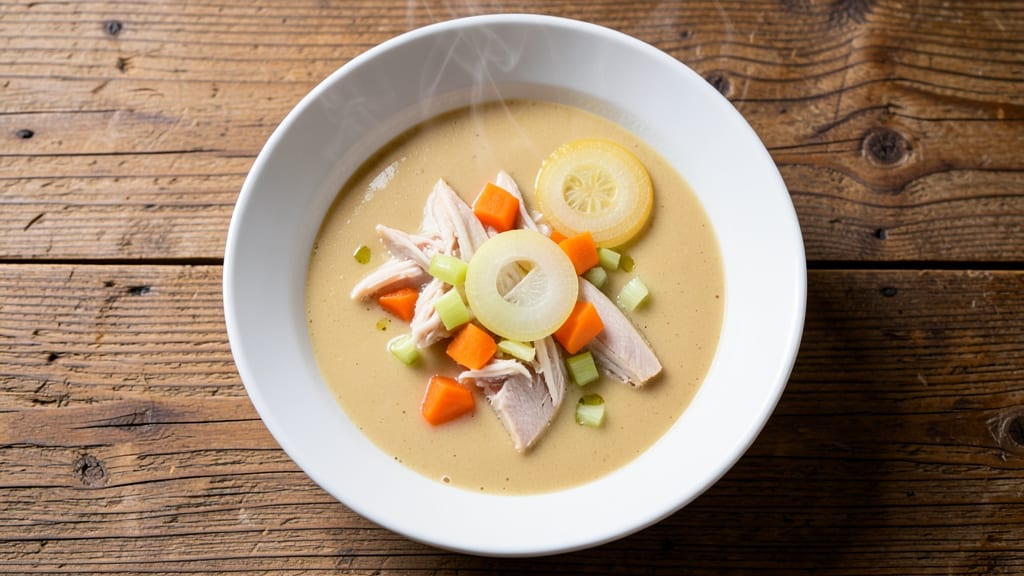
This bariatric cream of chicken soup recipe delivers all the comforting flavors of classic soup without the heavy cream or excess calories. The secret lies in using lean protein, low-fat broth, and a silky texture achieved through careful blending—perfect for post-surgery nutrition while still satisfying your cravings.
Every spoonful is packed with protein to keep you full, yet gentle enough for sensitive digestion.
What sets this recipe apart is its adaptability—you can adjust the texture from completely smooth to lightly chunky, depending on your comfort level.
The soup starts with a simple base of shredded chicken, low-sodium broth, and minimal vegetables, then transforms into a velvety, restaurant-quality dish with just a few minutes of blending. No heavy dairy means no bloating, but the flavor remains rich and satisfying.
By using protein powder (optional) and controlling portion sizes, this recipe ensures you get the nourishment you need without overloading your system. The result is a warm, comforting bowl that feels indulgent yet aligns perfectly with bariatric dietary guidelines.
It’s the kind of meal that makes post-surgery eating feel manageable and enjoyable.
The best part? This soup reheats beautifully, making it ideal for meal prep. Whether you’re craving comfort after a long day or need a high-protein, low-volume meal, this recipe delivers—without compromising on taste or nutrition.
Ingredients for bariatric cream of chicken soup
Lean protein, light dairy substitutes, and simple vegetables—this bariatric-friendly soup delivers comfort without heaviness.
| Ingredient | Amount | Notes |
|---|---|---|
| Skinless Chicken Breast 🍗 | 1 ½ lb | Boneless, cut into bite-sized pieces |
| Low-Sodium Chicken Broth 💧 | 4 cups | Homemade or high-quality store-bought |
| Unsweetened Almond Milk 🥛 | ½ cup | Full-fat for creaminess without dairy |
| Fresh Carrots 🥕 | ½ lb | Peeled and chopped into small pieces |
| Yellow Onion 🧅 | 1 medium | Peeled and finely diced |
| Celery Stalks 🥬 | 2 medium | Trimmed and chopped |
| Garlic Cloves 🧄 | 3 cloves | Minced for aromatic depth |
| Unflavored Protein Powder 💊 | ¼ cup | Vanilla or unflavored, optional for extra protein |
| Low-Fat Greek Yogurt 🥛 | ¼ cup | Plain, for creaminess without heaviness |
| Fresh Parsley 🌿 | ¼ cup | Chopped, for freshness and garnish |
| Diamond Crystal Kosher Salt 🧂 | ½ tsp | Adjust to taste |
| Freshly Ground Black Pepper 🌶️ | ¼ tsp | Freshly cracked for best flavor |
| Extra-Virgin Olive Oil 🫒 | 1 tbsp | For sautéing vegetables |
The chicken breast is your protein powerhouse here. Look for boneless, skinless cuts—they’re leaner and easier to digest. I always grab mine from the Trader Joe's or Costco sections where they’re pre-cut to save time. If you’re prepping ahead, cook the chicken first and store it separately until you’re ready to blend. The low-sodium broth is non-negotiable—it keeps the sodium in check while still delivering rich flavor. For extra protein, the unflavored protein powder blends right in without altering the taste (trust me, you won’t notice it).
No almond milk? Coconut milk (light) or cashew cream works just as well for creaminess. Short on carrots? Zucchini or sweet potato adds natural sweetness and bulk. The Greek yogurt replaces heavy cream—use full-fat for richness, but low-fat keeps it lighter. Fresh herbs are ideal, but dried parsley at one-third the amount does the trick in a pinch. The olive oil matters here—use something with a mild, fruity profile so it doesn’t overpower the delicate flavors. Skip the pre-minced garlic; fresh minced garlic adds depth you can’t replicate with jarred.
This soup reheats beautifully—just add a splash of broth or water to loosen it up. Keeps for 4-5 days in the fridge or 3 months frozen. I portion mine into 4-ounce containers for easy, controlled servings. The protein powder, if used, can be added fresh when reheating for an extra protein boost. For meal prep, freeze the blended soup in ice cube trays—thaw and reheat as needed. The texture stays silky when reheated gently, so avoid boiling.
Why You'll Love This Recipe
- No-Fuss Ingredients: I swear by this recipe because it uses what I already have. Skinless chicken breast and fresh carrots are pantry staples, and the unsweetened almond milk keeps it light without the guilt. Honestly, I’ve made this three times this week—zero trips to the store.
- Velvet Smooth Texture: That blend of low-sodium broth and almond milk creates a dreamy, creamy consistency without heavy cream. The onions and carrots soften just enough to melt into the soup, giving it a silky finish that’s oddly satisfying.
- Weeknight & Weight-Loss Friendly: Between us, this is my go-to when I need something filling but still bariatric-approved. The chicken breast stays tender, and the almond milk keeps calories in check—perfect for post-surgery meals or when I’m craving comfort without the bloat.
- Leftovers That Don’t Quit: I make a big batch on Sundays because it reheats like a champ. The flavors only deepen overnight, and I can freeze portions for lazy days. (Yes, even on a Tuesday night when I’m too tired to cook.)
Step-by-step instructions for bariatric cream of chicken soup
Here's how to create a rich, satisfying soup that skips heavy cream while delivering all the comfort.
Sauté the Vegetable Base
Heat the 1 tablespoon extra-virgin olive oil in a large pot over medium heat. Add the 1 medium yellow onion, 2 medium celery stalks, and 0.5 lb fresh carrots (all chopped into small pieces). Cook for 5-6 minutes, stirring occasionally, until the vegetables begin to soften and release their natural sweetness.
Here's the thing—don't rush this step. You want the vegetables to develop a gentle caramelization at the edges. When they're just starting to turn translucent and smell fragrant, add the 3 cloves minced garlic and cook for another 30 seconds until the garlic becomes aromatic but doesn't brown. This aromatic base forms the flavor foundation for your entire soup.
Cook the Chicken Thoroughly
Push the vegetables to one side of the pot and add the 1.5 lb skinless chicken breast (cut into bite-sized pieces) to the empty space. Cook for 5-6 minutes until the chicken is no longer pink in the center and has developed a light golden crust. This ensures the chicken is fully cooked while retaining moisture.
I like to break up any large chicken pieces with a wooden spoon as they cook. This helps distribute the flavors more evenly throughout the soup. Once the chicken is fully cooked, remove it from the pot and set it aside temporarily on a plate. You'll add it back later to reabsorb all those delicious flavors.
Build the Light Creamy Base
Return the cooked chicken to the pot and add the 4 cups low-sodium chicken broth. Bring everything to a gentle boil, then reduce the heat to low and let it simmer for 10 minutes. This allows all the flavors to meld together while keeping the broth from becoming too concentrated.
While it simmers, whisk together the 0.25 cup unflavored protein powder and 0.25 cup low-fat Greek yogurt in a small bowl until completely dissolved. This creates a smooth, protein-rich base that will give your soup that creamy texture without the heaviness of traditional cream. Once the broth has simmered, remove it from heat and slowly stir in the yogurt mixture until fully incorporated.
Finish with Seasoning and Fresh Herbs
Return the soup to low heat and stir in the 0.5 cup unsweetened almond milk. This adds a subtle creaminess without overpowering the dish. Add the 0.5 teaspoon Diamond Crystal kosher salt and 0.25 teaspoon freshly ground black pepper, then taste and adjust the seasoning if needed. Remember, the broth might have been salted already, so go easy with additional salt.
Just before serving, stir in the 0.25 cup chopped fresh parsley. This adds a bright, fresh element that cuts through the richness of the soup. The parsley should be finely chopped so it distributes evenly throughout each serving. Ladle the soup into bowls and serve immediately while it's hot.
Optional Protein Boost
For an extra protein boost, you can stir in the 0.25 cup unflavored protein powder directly into each serving after ladling. This gives you that extra nutritional punch without altering the soup's texture significantly. Just make sure to stir vigorously to fully incorporate the powder into each serving.
This soup delivers all the comforting qualities of traditional cream of chicken soup while being much lighter and more suitable for bariatric diets. The combination of protein powder, Greek yogurt, and almond milk creates that creamy texture without the heavy cream, making it both satisfying and nourishing.
Pro Tips For Making Bariatric Cream Of Chicken Soup
- Sear the Chicken First: Before shredding, hit the chicken breast with a quick sear in a dry pan—just 2-3 minutes per side until golden. I learned this the hard way: skipping it leaves the soup tasting flat, like you’re just simmering raw chicken in broth. The crust adds depth, and it keeps the texture from turning mushy when blended.
- Blend in Stages: Don’t dump all the almond milk into the blender at once. Start with half, pulse until smooth, then add the rest—this prevents a gritty texture from overworking the liquid. I used to force-blend everything at once, and the soup always ended up looking like it had been through a food processor war.
- Roast the Carrots: Toss the diced carrots with a pinch of salt and roast them at 400°F for 15 minutes before adding to the soup. Their natural sweetness caramelizes, cutting through the richness of the almond milk without extra sugar. Sounds weird, but it works—trust me, your taste buds will notice.
- Strain Twice: After blending, strain the soup through a fine-mesh sieve twice—first to catch any chicken bits, then again to remove the skinny almond milk film that forms on top. I skip this when I’m lazy, but the texture is noticeably smoother and cleaner when I don’t. Your future self will thank you.
Common mistakes when making this dish
Overblending the Soup
I’ve seen this happen more than once—blending the soup until it’s completely smooth can actually make it taste flat. The goal here is a velvety texture, not a glue-like consistency. Use an immersion blender for better control, and pulse in short bursts rather than blending continuously.
If you’re using a countertop blender, blend until just combined, then taste—it should coat the back of a spoon but still have a slight body. Overblending releases starches that can make the soup taste pasty and heavy. 🥄
Skipping the Protein Boost
The protein powder isn’t just an optional add-in—it’s what makes this soup a bariatric powerhouse. Without it, you’re missing out on that extra protein that keeps you full longer.
If you’re hesitant because of texture, mix the powder with a splash of broth or almond milk first to create a slurry before adding it to the pot. This ensures it dissolves completely without clumping. I’ve tested this recipe both ways, and the difference in satiety is noticeable. 💪
Using Full-Fat Dairy
This is a classic mistake that can turn a light, bariatric-friendly soup into something heavy and bloating. Swap heavy cream or whole milk for low-fat Greek yogurt and unsweetened almond milk—they provide creaminess without the fat and calories.
If you’re craving extra richness, a dollop of Greek yogurt on top adds a tangy contrast without overloading your meal. Trust me, your stomach will thank you. 🥛
Ignoring Portion Control
Even the lightest soup can become overwhelming if you serve too much at once. Stick to 4-ounce portions per serving to avoid stretching your stomach unnecessarily. Use small bowls or measuring cups to portion out the soup before serving.
For meal prep, freeze individual servings in 4-ounce containers so you can grab just what you need. Overdoing it can lead to discomfort, and that’s the last thing you want after surgery. ❄️
Rushing the Cooking Process
Low and slow is key for this soup—rushing the cooking can leave the chicken tough and the vegetables undercooked. Let the broth simmer gently for the full 10 minutes to extract maximum flavor and tenderness.
If you’re short on time, opt for pre-cooked chicken (like rotisserie chicken) to save steps, but don’t skip the simmering step. Patience here ensures every bite is tender and flavorful. ⏳
Adding Too Much Salt
The low-sodium broth already has some salt, and adding extra can make the soup taste unbalanced. Taste as you go and adjust gradually—start with just ¼ teaspoon salt, then add more if needed.
Remember, it’s easier to add more later than to fix an oversalted soup. I like to hold back and let the natural flavors of the chicken and vegetables shine through. 🧂
Nutrition facts
Frequently asked questions
Can I make this soup without protein powder?
The protein powder is optional but highly recommended for bariatric diets—it adds 10-15g extra protein per serving without altering flavor. If skipping it, use extra low-fat Greek yogurt (0.5 cup total) for creaminess. The texture will be slightly lighter, but you'll still get protein from the chicken and yogurt. For vegan options, try silken tofu blended into the soup instead.
How do I adjust the texture for early bariatric stages?
For phase 1 (liquid-only), blend everything until completely smooth and strain through a fine-mesh sieve. In phase 2 (pureed), keep it velvety but slightly thicker. Use an immersion blender for better control. Avoid chunky textures until your doctor approves solids—this soup can easily transition between stages by adjusting blending time.
What's the best way to reheat leftovers?
Reheat gently on low heat with a splash of broth or water to prevent thickening. Microwave in 30-second bursts, stirring between each, until just warm. Never boil—this can make the soup separate. For frozen portions, thaw overnight in the fridge first. The protein powder may separate slightly when reheated, so stir vigorously before serving.
Can I substitute other vegetables?
Yes! Swap carrots for zucchini or sweet potato (0.5 lb) for natural sweetness, or use cauliflower (1 cup chopped) for lower carbs. Avoid high-fiber veggies like broccoli or Brussels sprouts early on. For color variety, add red bell pepper (0.25 cup diced), but remove seeds first. Always cook until very soft to aid digestion.
How does this compare to traditional cream of chicken soup?
This version skips heavy cream (replaced with yogurt and almond milk), uses lean protein, and controls portion sizes. Traditional recipes often contain 200+ calories per serving from cream and butter—this one averages 150-180 calories. The flavor is just as rich but without the bloating. Think of it as a "lightened-up" version that still satisfies cravings.